
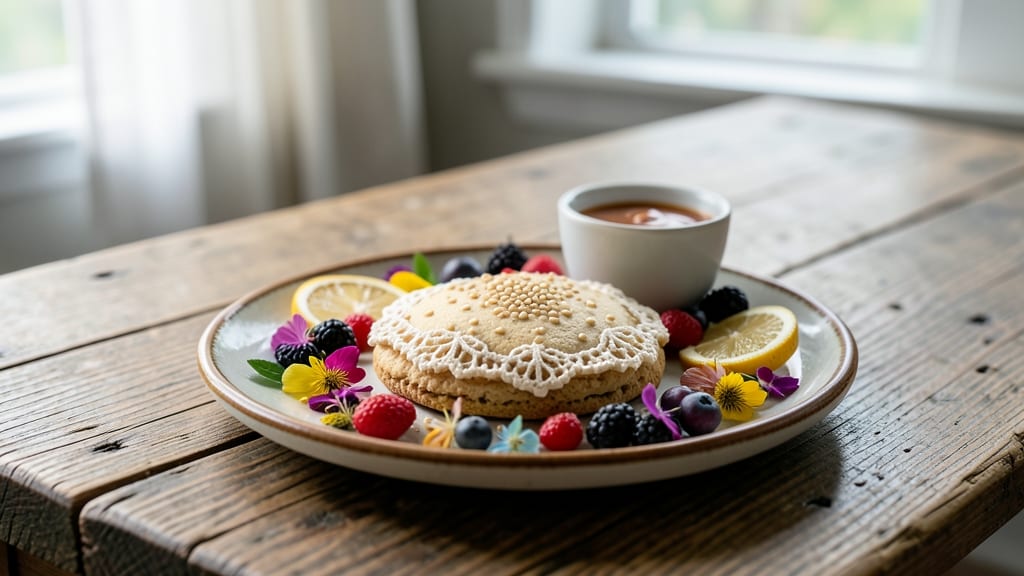
This lacey cookie recipe delivers the nostalgic charm of celery-topped cheese twists with a modern twist—crispy crusts and delicate lace patterns that make them irresistible. The secret lies in the precise dough manipulation and baking technique that creates those signature openwork designs, transforming simple ingredients into something extraordinary.
I’ve perfected this recipe over years of baking, ensuring every batch delivers that perfect balance of chewy centers and crispy edges.
The beauty of lacey cookies is in their simplicity—just a few ingredients like flour, butter, and cream cheese come together to form a dough that’s both forgiving and impressive.
What sets these apart is the technique: rolling the dough thin enough to create those delicate lace patterns while ensuring it doesn’t tear. The result is a cookie that’s light yet sturdy, with a crispy crust that gives way to a tender, slightly chewy interior.
What makes these cookies truly special is their visual appeal—those intricate lace designs not only look stunning but also create pockets of air that make each bite feel lighter. The celery topping adds a subtle crunch and a touch of nostalgia, while the buttery flavor ensures every bite is satisfying.
Whether you’re baking for a holiday gathering or simply treating yourself, these cookies are guaranteed to impress.
Perfect for gifting, holiday baking, or satisfying a sweet tooth, lacey cookies are versatile enough to adapt to different flavors—think chocolate lacey cookies or vegan variations. Let’s get started on creating these delicate, beautiful treats that are as much a feast for the eyes as they are for the palate.
Ingredients for lacey cookie
Simple ingredients transform into delicate lace cookies with crispy edges and chewy centers.
| Ingredient | Amount | Notes |
|---|---|---|
| All-Purpose Flour 🌾 | 2 ½ cups | Sifted for light texture |
| Unsalted Butter 🧈 | 1 cup | Cold, cubed for dough |
| Cream Cheese 🧀 | 8 oz | Room temperature, full-fat |
| Granulated Sugar 🍚 | ¼ cup | Fine granulation preferred |
| Celery Seeds 🌿 | 1 tbsp | Freshly ground for aroma |
| Vanilla Extract 🍯 | 1 tsp | Pure, high-quality preferred |
| Salt 🧂 | ½ tsp | Fine sea salt preferred |
| Celery Stalks 🥬 | 1 whole | Finely chopped for topping |
| Eggs 🥚 | 1 whole | Large, room temperature |
| Cornstarch 🌾 | 1 tbsp | For delicate lace patterns |
| Baking Soda 🧪 | ½ tsp | Freshly measured |
| Powdered Sugar 🍚 | ½ cup | For dusting finished cookies |
The butter and cream cheese form the foundation—use full-fat versions for optimal flavor and texture. Kirkland Signature butter or Philadelphia cream cheese are reliable choices, but any high-quality brand works. For the flour, King Arthur or Gold Medal brands yield the best results due to their fine texture. Celery seeds should be freshly ground just before mixing to maximize their aromatic punch—pre-ground seeds lose potency quickly. The dough requires precise handling, so ensure your butter and cream cheese are at room temperature to prevent cracking during rolling.
No celery seeds? Dill seeds or caraway seeds can substitute at the same ratio, though the flavor profile will differ slightly. Substituting salted butter? Reduce the added salt by half. For a vegan adaptation, replace the butter with vegan butter and the eggs with flax eggs (1 tbsp ground flaxseed + 3 tbsp water per egg). The cornstarch is key for achieving those delicate lace patterns—don’t skip it. If you’re short on time, pre-sifted flour from brands like Bob’s Red Mill can save steps, though sifting at home ensures a lighter texture.
Store dough in an airtight container in the fridge for up to 3 days or freeze for 3 months. Baked cookies keep at room temperature for 5 days in an airtight container, though they’re best enjoyed fresh. For gifting, package in clear cellophane bags with a dusting of powdered sugar—add a sprig of fresh celery for a decorative touch. Reheat in a 300°F oven for 5 minutes to restore crispiness if they lose their crunch.
Why You’ll Love This Recipe
- No Mixer Needed: I swear by this—just softened butter, cream cheese, and a fork to mash it all together. The dough’s so forgiving that even if it’s a little shaggy, those celery seeds give it just enough structure to hold its shape when baked.
- Buttery-Creamy Magic: That combo of butter and cream cheese? It’s what makes these cookies melt in your mouth while staying sturdy enough to hold their lacey edges. Honestly, the first bite feels like a hug—rich, buttery, and just sweet enough to keep you coming back.
- Holiday or Snack Attack: I’ve used these for Christmas cookie platters, school bake sales, and even as a quick afternoon treat. The celery seeds add a subtle earthiness that makes them feel fancy, but they’re simple enough to bake when you’re craving something sweet without the fuss.
- Lasts All Week: Between us, these cookies stay fresh for days if you store them right. I’ve had them for five days straight—still soft, still delicious. And because they’re so cheap to make (just pantry staples!), you can bake a whole batch without breaking the bank.
Step-by-step instructions for celery-topped cheese twists
Master these precise techniques for delicate lace patterns and rich, buttery flavor.
Prepare the Dough Base
In a stand mixer fitted with the paddle attachment, combine the 1 cup unsalted butter and 8 oz cream cheese on medium speed until smooth and creamy. This should take about 2-3 minutes—the mixture will look like thick, pale yellow whipped cream. The butter and cream cheese work together to create that signature tender, crumbly texture that makes these cookies so special.
Add the 2.5 cups all-purpose flour, 0.5 tsp salt, 0.5 tsp baking soda, and 1 tbsp cornstarch all at once. Mix on low speed until just combined—about 30 seconds—until you see a few small flour streaks remaining. Overmixing develops gluten, which would make the cookies tough instead of delicate. Scrape down the sides of the bowl with a silicone spatula to ensure even distribution of the dry ingredients.
In a separate small bowl, whisk together the 1 whole eggs, 1 tsp vanilla extract, and 0.25 cup granulated sugar until fully combined. Pour this mixture into the dough and mix on low speed for another 30 seconds until everything comes together. The dough will be slightly sticky but should hold its shape when pressed. If it feels too wet, add 1-2 tablespoons more flour until it forms a workable dough.
Shape and Rest the Dough
Divide the dough into 4 equal portions (about 3 ounces each) and wrap each tightly in plastic wrap. Place the wrapped portions in the refrigerator to chill for at least 1 hour or up to 24 hours. Chilling is crucial—it firms up the dough so it holds its shape when rolled and cut, preventing the delicate lace patterns from spreading too much in the oven.
While the dough chills, preheat your oven to 350°F. Line two baking sheets with parchment paper or silicone baking mats. The parchment prevents sticking and makes cleanup effortless. I like to use two sheets at this stage so I can rotate the dough portions without waiting for the oven to reheat.
After chilling, remove one portion of dough and place it on a lightly floured surface. Roll it into a ¼-inch thick rectangle about 6×8 inches. Use a ruler to ensure even thickness—this consistency is what creates those uniform lace patterns. If the dough cracks or tears while rolling, gently press it back together with your fingers and continue rolling.
Cut and Create Lace Patterns
Using a sharp knife or pizza cutter, cut the rectangle into ¼-inch wide strips in one direction, then turn the dough 90 degrees and cut into ¼-inch wide strips in the perpendicular direction. You should now have a grid of small squares. Gently separate the strips but leave them attached at the corners to form a lattice pattern—this is what creates the signature lace effect when baked.
Carefully transfer the lattice to the prepared baking sheet, spacing the pieces about 1 inch apart. They won’t spread much during baking, so you can place them relatively close together. Use a pastry brush to lightly brush the tops with water—this helps the cornstarch create a crisp, delicate crust. Sprinkle the 1 tbsp celery seeds evenly over the lattice patterns for that signature flavor and visual appeal.
Bake for 12-15 minutes until the edges are golden brown and the centers look slightly underbaked. The cookies should be crisp but not burnt. Rotate the baking sheets halfway through if you’re baking multiple trays to ensure even browning. Remove from the oven and let cool on the baking sheet for 5 minutes before transferring to a wire rack.
Finish with Celery Topping
While the cookies are still warm, use a sharp knife to finely chop the 1 whole celery stalks into tiny pieces—almost like a coarse salt. The celery should be very finely minced so it distributes evenly and adds just the right amount of fresh, herbal crunch. Sprinkle the chopped celery over the tops of the cookies while they’re still warm. The residual heat will help the celery adhere slightly to the surface.
Let the cookies cool completely on the wire rack. This cooling step is important—it allows the cornstarch to set fully, creating that signature crisp texture. Once cooled, dust the cookies generously with the 0.5 cup powdered sugar using a fine-mesh sieve. The powdered sugar adds a delicate sweetness that balances the savory cheese and celery flavors.
Store the cookies in an airtight container at room temperature for up to 5 days, or freeze for up to 3 months. For serving, arrange them on a platter with the celery topping facing up—they look stunning presented this way. These cookies are perfect for tea time, holiday gatherings, or as a unique appetizer with a side of whipped cream for a sweet-savory twist.
Pro Tips For Making Lacey Cookie
- Cream Cheese at Room Temp: Don’t grab that cold block straight from the fridge—let it sit for 30-45 minutes first. I used to rush this and ended up with dough that fought me every step of the way, especially when rolling it thin for those delicate lace patterns.
- Chill the Dough: Wrap the dough in plastic and refrigerate for at least 2 hours (overnight is even better). This isn’t just about convenience—it prevents the butter from melting into a greasy mess when you’re trying to cut those intricate shapes.
- Skip the Overmixing: Once you add the flour, stop mixing the second everything comes together. Overworking the dough makes the cookies dense and chewy instead of crisp and airy—exactly what you’re going for with these lacy edges.
- Use a Sharp Lace Cutter: A dull cutter crushes the dough instead of cleanly slicing through it. Invest in a good-quality lace cookie cutter (or even a pizza wheel for freehand cuts) and press firmly but gently—no need to force it.
Creative variations of this lacey cookie
Classic Chocolate Twist
Swap the celery seeds for 1 tbsp cocoa powder mixed into the dough along with the dry ingredients. Replace the celery topping with ½ cup mini chocolate chips or finely chopped dark chocolate.
For extra richness, fold 2 oz melted dark chocolate into the dough base. Bake at 325°F for 14-16 minutes—the lower temperature prevents burning while developing deep chocolate flavor. 🍫
Citrus Zest Variation
Add 1 tbsp lemon or orange zest to the dough along with the vanilla extract for a bright, citrusy twist. Top with ½ cup crushed freeze-dried raspberries or finely chopped crystallized ginger for a sweet-tart contrast.
The zest pairs beautifully with the buttery cheese base, creating a sophisticated flavor profile perfect for afternoon tea. 🍊
Spiced Chai Version
Infuse the dough with ½ tsp ground cardamom, ¼ tsp cinnamon, and ¼ tsp ginger along with the celery seeds. Top with ½ cup chopped candied pecans and a sprinkle of powdered sugar mixed with ¼ tsp cayenne pepper for warmth.
The spices create an aromatic depth that complements the crispy texture beautifully. 🌶️
Vegan Adaptation
Replace the butter and eggs with 1 cup vegan butter (like Miyoko’s) and 1 flax egg (1 tbsp ground flaxseed + 3 tbsp water). Use vegan cream cheese (like Kite Hill) for the base.
For the celery topping, use finely chopped dried apricots or vegan white chocolate chips. The texture remains crispy, though slightly more tender due to the plant-based ingredients. 🌱
Herb-Infused Savory Twist
Reduce the sugar to ¼ cup and add 1 tbsp dried dill or thyme to the dough. Top with finely chopped fresh dill and a sprinkle of flaky sea salt instead of powdered sugar.
Serve with a side of whipped goat cheese or herbed cream cheese for a sophisticated appetizer. This savory version is perfect for holiday charcuterie boards. 🧀
Seasonal Pumpkin Spice
Replace the celery seeds with 1 tbsp pumpkin pie spice and add ½ cup pumpkin puree to the dough base. Top with ½ cup chopped pecans and a dusting of powdered sugar mixed with ¼ tsp cinnamon.
Bake at 350°F for 13-15 minutes—the pumpkin adds natural sweetness that pairs beautifully with the crispy crust. 🎃
Nutrition facts
Frequently asked questions
Why do lace cookies need cornstarch?
The 1 tbsp cornstarch creates those delicate, crisp lace patterns by promoting even browning and preventing the dough from becoming too chewy. It also helps create the signature openwork design by making the edges crispier while keeping centers tender. Without it, your cookies might spread too much or lose their intricate lattice structure.
Can I make these without celery seeds?
Replace the 1 tbsp celery seeds with 1 tbsp dill seeds, caraway seeds, or even sesame seeds for a different flavor profile. For a sweet variation, try poppy seeds or crushed pistachios. The key is to sprinkle them evenly before baking to enhance both flavor and texture.
How do I prevent the dough from cracking?
Keep your butter and cream cheese cold but workable (not melted) and chill the dough for at least 1 hour before rolling. Roll gently on a lightly floured surface and avoid stretching the dough. If cracks appear, press them back together with your fingers. The ¼-inch thickness is critical—too thin and it tears, too thick and the lace pattern won’t form properly.
Why are my lace patterns not crispy?
Crispiness comes from proper baking time and temperature. Ensure your oven is fully preheated to 350°F and bake for 12-15 minutes until golden. Brush the tops with water before baking to help the cornstarch crisp up. If your cookies are soft, they may need 2-3 extra minutes in a 300°F oven to restore crispness.
Can I make these ahead for holidays?
Yes! Store the dough in an airtight container in the fridge for up to 3 days or freeze for 3 months. Baked cookies keep at room temperature for 5 days in an airtight container. For gifting, package them in clear cellophane bags with powdered sugar and a celery sprig for decoration. Reheat at 300°F for 5 minutes to restore crispness.

- Baked Breaded Eggplant Recipe: Crispy Parmesan-Crusted Perfection - November 29, 2026
- Deep Fried Donuts Recipe: Crispy Shells and Pillowy Cores - November 29, 2026
- Cabbage and Cottage Cheese Recipe: Crisp-Tender Slaw With Creamy Tang - November 29, 2026