
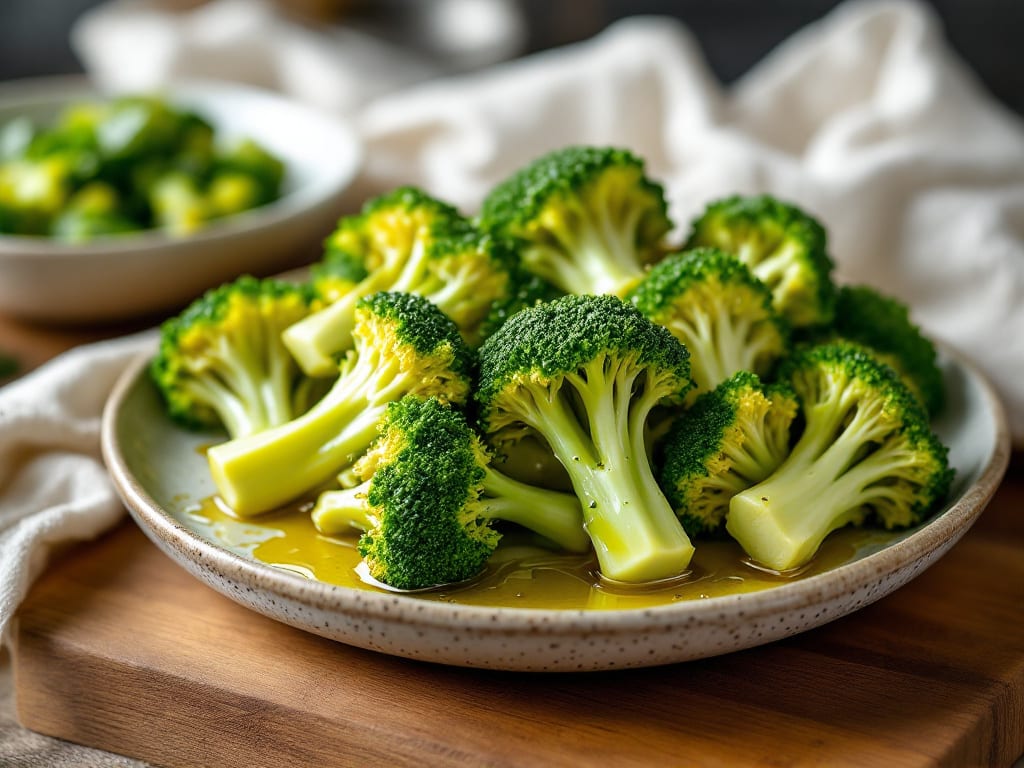
This white broccoli recipe transforms gai lan into a vibrant, al dente side dish with bright lemon-garlic zing that elevates any meal. The secret lies in quick cooking techniques that preserve crisp-tender texture while infusing bold flavors—no soggy stems here.
I developed this method after discovering how traditional stir-fry approaches often overcook the delicate stems, so we’ll focus on precise timing and high-heat methods for that signature wok-hei smokiness.
What makes this recipe stand out is its versatility—whether you’re serving it as a standalone side, stir-fry component, or soup addition, the lemon-garlic marinade cuts through rich dishes while maintaining the broccoli’s natural freshness.
The process is straightforward: prep takes just 10 minutes, and cooking completes in under 5 minutes at peak heat. For dietary flexibility, the base recipe is naturally vegan-friendly, though optional protein additions like shrimp or tofu can be incorporated without altering the core technique.
The result is broccoli with crisp-tender stems that snap when bitten, vibrant green florets, and a bright, aromatic coating that balances savory and citrus notes. Every bite delivers that perfect contrast between al dente texture and zesty flavor—exactly what makes this dish a restaurant-quality side without the fuss.
Ready to master this technique? Let’s get started with the essential ingredients and step-by-step method.
This recipe works beautifully as a weeknight side, holiday accompaniment, or even a light main when paired with protein. The lemon-garlic marinade can be prepped ahead, making it ideal for meal prep—simply store the broccoli separately until ready to cook.
For extra depth, consider adding a touch of chili flakes or sesame oil at the end, but the classic version delivers impressive results on its own.
Ingredients for white broccoli
Twelve ingredients transform delicate gai lan into crisp-tender perfection with vibrant lemon-garlic brightness.
| Ingredient | Amount | Notes |
|---|---|---|
| Gai Lan (Chinese Broccoli) 🥬 | 1 ½ lb | Stems and florets separated, trimmed |
| Extra-Virgin Olive Oil 🫒 | 2 tbsp | High-quality, fruity variety preferred |
| Garlic Cloves 🧄 | 4 cloves | Minced, fresh preferred |
| Fresh Lemon Juice 🍋 | 2 tbsp | Freshly squeezed, organic preferred |
| Zest of 1 Large Lemon 🍋 | 1 tbsp | Bright yellow, finely grated |
| Diamond Crystal Kosher Salt 🧂 | ½ tsp | Fine grain, not iodized |
| Freshly Ground Black Pepper 🌶️ | ¼ tsp | Coarse grind preferred |
| Sesame Oil 🫒 | 1 tsp | Toasted, for finishing |
| Toasted Sesame Seeds 🌰 | 1 tsp | For garnish, optional |
| Red Chili Flakes 🌶️ | ¼ tsp | Adjust for heat preference |
| Fresh Ginger 🧅 | 1 tbsp | Finely grated, peeled |
| Vegetable Oil 🫒 | 1 tbsp | High smoke point, for stir-fry |
| Fresh Cilantro 🌿 | ¼ cup | Chopped, for garnish |
The gai lan is the foundation—look for stalks with bright white stems and tightly packed florets at Asian markets or well-stocked grocery stores. Whole Foods and Trader Joe’s carry excellent quality, but local farmers markets often have fresher cuts. The stems should snap easily when bent, not feel rubbery. If using pre-cut gai lan, select the freshest bunch available, as it wilts faster than whole stalks. For optimal texture, separate the stems and florets before cooking—they require different timing to achieve that signature al dente crunch. The extra-virgin olive oil should have a fruity aroma, not rancid, and the garlic should be fresh with no green shoots sprouting from the cloves.
No gai lan? Substitute regular broccoli, but reduce cooking time by 30 seconds—the stems are thicker and require less heat. Fresh garlic unavailable? Garlic powder at half the amount works, though it lacks depth. The lemon juice can be swapped for rice vinegar or lime juice, though the flavor profile shifts slightly. For extra umami, add 1 tsp fish sauce or soy sauce to the marinade. The sesame oil is purely for finishing—if avoiding sesame allergens, avocado oil works for cooking, though it lacks the toasty aroma. Chili flakes can be omitted entirely for a milder dish, or substitute with a pinch of cayenne for a smoother heat.
Fresh gai lan keeps best in the refrigerator for 3-4 days when stored in a sealed container with a damp paper towel. The marinade components (lemon juice, garlic, ginger) can be prepped 1 day ahead and stored in an airtight container. For meal prep, blanch the gai lan stems and florets separately for 1 minute each, then shock in ice water to halt cooking. They’ll reheat beautifully in a wok or skillet with a splash of water for 2-3 minutes. The finished dish holds for 2 days in the fridge, though texture degrades slightly after the first day—best enjoyed fresh.
Why You’ll Love This Recipe
- No-Chop Nightmare: I swear, the thick stems on gai lan usually scare me off—but here, you just slice them into bite-sized chunks. No tedious trimming, no tiny pieces flying everywhere. That lemon zest? Just a quick grating while the oil heats.
- Garlic-Lemon Magic: The moment that sizzling garlic hits the pan, my kitchen smells like a Mediterranean street corner. Add the bright lemon—chef’s kiss—and suddenly this humble veggie tastes like it belongs on a fancy plate. (Between us, it does.)
- Leftover Lifesaver: This recipe doubles as tomorrow’s lunch without effort. Toss the cooled broccoli into a salad, stir-fry it later, or even pack it cold—it stays crisp and flavorful. Honestly, I’ve eaten it three days in a row and never tired of it.
- Budget Brightener: Gai lan is cheap, olive oil is cheap, and a lemon lasts forever. For under $5, you feed four people a dish that feels gourmet. My wallet and my taste buds thank me every time. (Yes, even on a Tuesday night.)
Step-by-step instructions for white broccoli with lemon-garlic zing
Here’s the method for achieving crisp-tender gai lan with vibrant citrus and aromatic depth.
Prepare the Gai Lan for Optimal Texture
Separate the 1.5 lb gai lan into stems and florets, discarding any wilted outer leaves. Trim the stems diagonally at the base to create a flat surface for even cooking. The stems should be cut into 2-inch lengths while keeping florets intact. This preparation ensures both components cook simultaneously to perfect al dente texture.
Place the prepared gai lan in a colander and rinse thoroughly under cold water. Shake off excess moisture and pat dry with paper towels. I always use two layers of paper towels to ensure complete dryness – residual water will steam the vegetables instead of creating that desired caramelized crust we’re after. Arrange the stems and florets on a clean kitchen towel to air dry for 5 minutes before cooking.
Create the Aromatic Base
Heat 1 tablespoon vegetable oil in a large wok or skillet over medium-high heat until shimmering. Add the 4 cloves minced garlic and 1 tablespoon finely grated fresh ginger, stirring constantly for 30 seconds until fragrant but not browned. The garlic should sizzle gently without burning – if it darkens too quickly, reduce the heat slightly.
Add 2 tablespoons extra-virgin olive oil to the wok along with 0.5 teaspoon diamond crystal kosher salt and 0.25 teaspoon freshly ground black pepper. Toss the mixture for 10 seconds to combine all aromatics evenly. This oil infusion creates the flavor foundation that will penetrate every piece of gai lan during cooking.
Stir-Fry to Crisp-Tender Perfection
Add the prepared gai lan to the wok in a single layer, stems first followed by florets. Stir-fry vigorously for 3-4 minutes, working in batches if needed to avoid overcrowding. The stems should develop slight char marks while remaining crisp, and the florets should brighten in color. You’ll notice the stems release their moisture – this is normal and indicates proper cooking progression.
When the stems are tender but still offer slight resistance (they should bend but not break easily), add 0.25 teaspoon red chili flakes and 1 tablespoon zest of 1 large lemon. Toss everything together for 30 seconds to distribute the spices evenly. Remove from heat and immediately transfer to a serving platter.
Finish with Bright Citrus and Nutty Depth
In a small bowl, whisk together 2 tablespoons fresh lemon juice and 1 teaspoon toasted sesame oil. Pour this vibrant mixture over the hot gai lan and toss gently to coat. The acidity will brighten all the flavors while the sesame oil adds nutty complexity. Sprinkle with 0.25 cup chopped fresh cilantro and 1 teaspoon toasted sesame seeds for visual contrast and additional texture.
Serve immediately while the gai lan maintains its crisp-tender quality. Each bite should deliver the satisfying crunch of properly cooked stems paired with the delicate sweetness of bright florets. The lemon-garlic zing should linger on the palate, balancing the vegetable’s natural earthiness with vibrant acidity.
Pro Tips For Making White Broccoli
- Trim the Stems First: Cut the thick ends off gai lan stems before chopping the florets—this is where the toughest fibers hide. I used to ignore this and ended up with a mouthful of chewy bits, no matter how long I cooked it.
- Cook in Two Batches: Gai lan releases a lot of water. Crowd the pan, and you’ll steam it instead of crisp-tenderizing it. Start with half the bunch, cook until blistered, then add the rest—this keeps the texture perfect.
- Toast the Garlic Low: Sauté minced garlic in olive oil until it’s just golden, not brown. Burned garlic turns bitter and overpowers the bright lemon flavor. Keep the heat at medium-low and stir like you’re herding cats—constant attention is key.
- Zest Last, Then Toss: Add lemon zest and juice only after the gai lan is off the heat. If you toss it in too early, the acid will make the stems turn mushy while you’re waiting for the florets to crisp. A quick mix at the end locks in the brightness.
Best sauces and condiments for white broccoli
Lemon-Garlic Marinade
This bright, zesty marinade is the heart of the dish. I combine 2 tbsp fresh lemon juice with 1 tbsp finely grated lemon zest and 1 tbsp toasted sesame oil for a perfect balance of acidity and nutty depth.
The key is using freshly squeezed lemon juice—bottled versions lack the vibrant punch. For extra umami, add ½ tsp soy sauce or 1 tsp fish sauce to the marinade before tossing with the gai lan. 💛
Spicy Sesame Dressing
For a bold finish, mix 1 tbsp toasted sesame oil, 1 tbsp rice vinegar, ½ tsp red chili flakes, and ½ tsp honey in a small bowl. Drizzle this over the gai lan just before serving to add a sweet-spicy kick.
The sesame oil enhances the nutty flavor, while the vinegar brightens the dish. I often use this dressing when serving the gai lan as a cold salad or with grilled proteins.
Peanut Sauce Option
For a richer, creamier sauce, blend ¼ cup creamy peanut butter, 1 tbsp soy sauce, 1 tbsp lime juice, 1 tsp grated ginger, and 1 tsp honey until smooth. Thin with 1 tbsp water if needed, then drizzle over the gai lan.
This sauce pairs beautifully with the crisp-tender texture and adds a satisfying depth of flavor. It’s especially delicious when served with sesame seeds sprinkled on top.
Garlic-Chili Oil
Infuse ½ cup neutral oil (like vegetable or avocado) with 3 minced garlic cloves and 1 tsp red chili flakes over low heat for 5 minutes. Strain and drizzle over the gai lan for a fragrant, spicy finish.
This oil adds a smoky, garlicky depth that complements the lemon-garlic marinade perfectly. Store any leftover oil in an airtight container for up to 2 weeks in the fridge.
Sweet Chili Glaze
Simmer 2 tbsp sweet chili sauce (like Chao Praya) with 1 tsp honey and ½ tsp rice vinegar until slightly thickened. Drizzle over the gai lan for a sweet, tangy contrast that balances the bright citrus flavors.
This glaze works especially well when serving the gai lan with grilled meats or tofu. For extra shine, add a splash of water to the glaze before drizzling.
Sesame-Ginger Vinaigrette
Whisk together 2 tbsp rice vinegar, 1 tbsp toasted sesame oil, 1 tsp grated ginger, ½ tsp honey, and ¼ tsp salt for a lighter, more refreshing option.
This vinaigrette enhances the gai lan’s natural flavors without overpowering them. It’s perfect for serving the gai lan as a cold salad or alongside lighter dishes like sushi or seafood. 🌿
Nutrition facts
Frequently asked questions
What’s the difference between gai lan and regular broccoli?
Gai lan (white broccoli) has thicker, crisp stems and smaller florets compared to regular broccoli’s tree-like shape. The stems are the star—when cooked properly, they develop a satisfying crunch while remaining tender. Regular broccoli has more fibrous stems that often need longer cooking. Gai lan also has a slightly sweeter, nuttier flavor profile that pairs beautifully with bold seasonings like garlic and chili.
Can I substitute regular broccoli for gai lan?
Yes, but with adjustments! Use the same weight of regular broccoli, but cut the stems into 1-inch pieces (they’re thicker) and reduce cooking time by 30 seconds. The florets can stay whole. For best texture, blanch the stems separately for 1 minute before stir-frying to prevent toughness. The flavor will be similar but less delicate than gai lan’s crisp stems.
How do I know when gai lan stems are perfectly cooked?
Perfectly cooked gai lan stems should bend slightly but still offer resistance when pressed—like a good carrot stick. They should be tender enough to eat but not mushy, with just a hint of char on the edges. Overcooked stems become limp and lose their signature crunch. The florets should brighten in color and be just tender enough to pierce easily with a fork. Timing is everything: 3-4 minutes total for stems and florets together.
Can I make this recipe ahead of time?
For best texture, cook gai lan fresh and serve immediately. However, you can prep components ahead: store the marinade (lemon juice, garlic, ginger) for 1 day in the fridge. For meal prep, blanch stems and florets separately for 1 minute each, then shock in ice water. Store in airtight containers for 2 days and reheat in a wok with 1 tbsp water for 2-3 minutes to restore crispness. Texture degrades after 24 hours.
What’s the best way to store fresh gai lan?
Wrap gai lan loosely in a paper towel, then place in a perforated plastic bag. Store in the crisper drawer for 3-4 days. Never wash until ready to use—excess moisture speeds up spoilage. For longer storage, trim the stems and separate florets, then blanch both components for 1 minute before freezing in airtight containers for up to 3 months. Thaw overnight in the fridge before cooking.

- Baked Breaded Eggplant Recipe: Crispy Parmesan-Crusted Perfection - November 29, 2026
- Deep Fried Donuts Recipe: Crispy Shells and Pillowy Cores - November 29, 2026
- Cabbage and Cottage Cheese Recipe: Crisp-Tender Slaw With Creamy Tang - November 29, 2026