
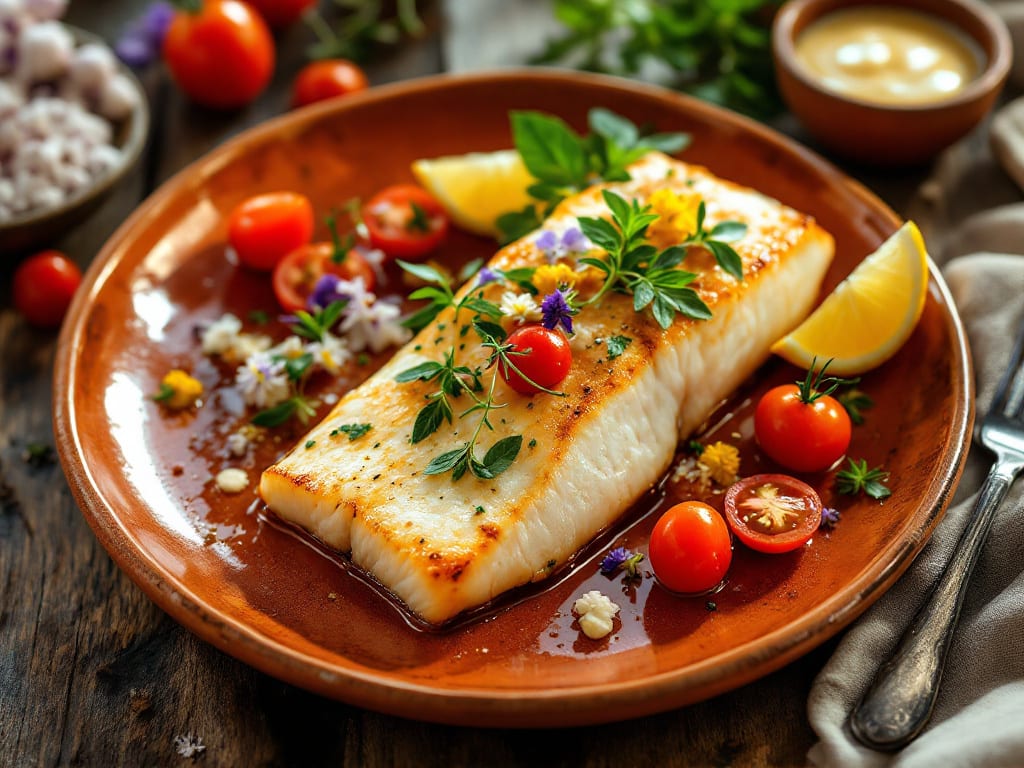
This lemon butter fish fillet recipe transforms simple ingredients into a restaurant-worthy dish with just 15 minutes of hands-on time. The secret lies in a perfect balance of crispy skin and tender flesh, elevated by a bright, herby lemon butter sauce that cuts through the richness.
I developed this method after years of testing—no overcooked edges or bland centers here, just foolproof results every time.
The process is straightforward but precise: pat the fillets dry for maximum crispiness, season generously, and sear in a hot pan until golden. While the fish cooks, the lemon butter sauce simmers just long enough to meld its flavors without losing brightness.
This isn’t just another fish recipe—it’s a technique that delivers professional-quality results with minimal effort, making it ideal for weeknight dinners or special occasions.
What you’ll achieve is a plate of golden, flaky fish topped with a glossy lemon butter sauce that’s tangy, buttery, and packed with fresh herbs. The aroma alone will have everyone gathering at the table, and the first bite delivers that perfect contrast of crispy skin and melt-in-your-mouth texture.
The sauce clings to the fillets, creating a harmonious blend of zesty and rich that’s impossible to resist.
Serve with steamed vegetables, roasted potatoes, or a simple salad to complete the meal. The beauty of this recipe is its versatility—it works with any white fish fillet, from tilapia to halibut, and scales effortlessly for one or four.
Let’s get cooking with this foolproof, flavor-packed method that turns a simple protein into something extraordinary.
Ingredients for lemon butter fish fillet
The perfect balance of crispy skin and zesty lemon butter sauce starts with these quality ingredients.
| Ingredient | Amount | Notes |
|---|---|---|
| White Fish Fillets 🐟 | 4 whole | Tilapia, halibut, or cod preferred |
| Unsalted Butter 🧈 | ½ cup | Cold, cut into 8 pieces |
| Fresh Lemon Juice 🍋 | ¼ cup | Strained, no pulp |
| Fresh Parsley 🌿 | ¼ cup | Finely chopped, stems removed |
| Garlic Cloves 🧄 | 3 cloves | Minced, fresh preferred |
| Sea Salt 🧂 | 1 ½ tsp | Kosher or fine grain |
| Ground Black Pepper 🌶️ | ½ tsp | Freshly ground for best flavor |
| Extra-Virgin Olive Oil 🫒 | 1 tbsp | For searing fillets |
| Lemon Zest 🍋 | 1 tsp | From 1 medium lemon |
| Fresh Dill 🌿 | 2 tbsp | Chopped, optional but recommended |
| Paprika 🌶️ | ¼ tsp | Smoked for added depth |
The fish is non-negotiable—tilapia or halibut deliver the best texture, but cod works too. Look for fillets with even thickness (about 1-inch) at Whole Foods or your local seafood counter. If buying frozen, thaw overnight in the fridge—never microwave, or the texture suffers. The butter should be cold and unsalted (like Plugrá or Land O’Lakes), and the lemon needs to be bright yellow with no blemishes. For the herbs, fresh parsley and dill make all the difference—dried won’t cut it here.
No parsley? Fresh cilantro or chives work in a pinch, but reduce to half the amount. Short on lemon juice? Lime juice plus 1/4 tsp sugar mimics the brightness. The olive oil matters—avoid light or refined oils (like Wesson), which lack flavor. For a smokier sauce, swap the smoked paprika for 1/4 tsp chipotle powder. The garlic can be pre-minced from a jar, but fresh is always better—roast it first (350°F for 10 minutes) to deepen the flavor. If you’re using frozen fish, pat it completely dry before seasoning—moisture is the enemy of crispy skin.
Butter and lemon juice keep for up to 3 months in the freezer, while fresh herbs last no more than 5 days in the fridge (wrap them in damp paper towels). The sauce reheats beautifully—just warm gently on the stove with a splash of water. For meal prep, sear the fish ahead and store separately, then toss with the warm sauce before serving. The fillets stay crispy for 2 days in the fridge when stored properly—never refrigerate the sauce with the fish, or it’ll turn soggy.
Why You’ll Love This Recipe
- Same recipe, different vibes: toss it together for a lazy Tuesday or impress guests by plating it with a sprinkle of parsley and a lemon wedge. Honestly, it’s my go-to when I don’t want to overthink dinner.
- Pan in Hand: I swear by this one—just melt butter, toss in garlic and parsley, then let the fish sizzle for 4 minutes. No flipping, no fuss, and zero cleanup that’ll make you groan.
- Zesty Crisp Magic: That bright lemon juice cutting through the rich butter? It’s the kind of balance that makes you close your eyes mid-bite. The edges get perfectly crispy while the inside stays tender—no dry fish here.
- Weeknight to Dinner Party: Same recipe, different vibes: toss it together for a lazy Tuesday or impress guests by plating it with a sprinkle of parsley and a lemon wedge. Honestly, it’s my go-to when I don’t want to overthink dinner.
Step-by-step instructions for lemon butter fish fillet
This method delivers perfectly seared fillets with a buttery, zesty sauce in under 20 minutes.
Prepare the Lemon Butter Sauce
In a small saucepan, combine the 0.5 cup unsalted butter, 0.25 cup fresh lemon juice, 1 tsp lemon zest, 3 cloves minced garlic, 0.25 tsp paprika, 0.5 tsp ground black pepper, and 1.5 tsp sea salt. Place over medium-low heat and stir gently until the butter melts completely and the mixture reaches a gentle simmer.
Here’s the thing—keep the heat low to prevent the butter from browning too quickly. You want a smooth, velvety sauce, not one that separates or burns. Once simmering, reduce heat to low and let it cook for 5 minutes, stirring occasionally. Remove from heat and stir in the 0.25 cup finely chopped fresh parsley and 2 tbsp chopped fresh dill. Set aside to keep warm.
Season and Sear the Fish Fillets
Pat the 4 whole white fish fillets completely dry with paper towels. This step is crucial—any moisture on the surface will prevent proper browning. Place the fillets on a clean cutting board and season both sides generously with any remaining sea salt and ground black pepper. Let them rest for 5 minutes while you heat your pan.
Heat a large skillet over medium-high heat until hot. Add 1 tbsp extra-virgin olive oil and swirl to coat the bottom evenly. When the oil shimmers (about 1 minute), carefully place the fillets in the pan, leaving space between each. Press down gently on the fillets during the first minute—this prevents them from curling and ensures even contact with the pan.
Cook to Perfect Doneness
Cook the fillets undisturbed for 3-4 minutes on the first side, until the edges turn opaque and the bottom develops a golden-brown crust. You’ll know they’re ready to flip when they release easily from the pan. Use a fish spatula to carefully turn each fillet and cook for another 2-3 minutes on the second side, depending on thickness.
Fish cooks quickly, so don’t walk away. Overcooking turns it rubbery, while undercooking leaves it raw in the center. The internal temperature should reach 145°F when measured with an instant-read thermometer. Remove the fillets from the pan and transfer them to a serving platter, keeping them warm.
Finish with Sauce and Garnish
Return the skillet with any rendered juices to the stove over low heat. Pour the reserved lemon butter sauce into the pan and stir gently to combine, scraping up any browned bits from the bottom. Let it warm through for 30 seconds, then taste and adjust seasoning if needed.
Spoon the warm sauce evenly over the fillets, drizzling generously on top and around each piece. Garnish with additional fresh parsley and fresh dill for a pop of color and freshness. Serve immediately with steamed vegetables, crusty bread, or a simple salad to complement the bright, buttery flavors.
Pro Tips For Making Lemon Butter Fish Fillet
- Pat Dry First: Wet fish = steamy fish. Grab paper towels and press firmly on both sides—this guarantees a crispy crust instead of a soggy mess when the butter hits the pan. I used to skip this, and my lemon butter sauce would just slide off like it was greasing a slip ‘n slide.
- Melt Butter Slow: Start with cold butter on medium heat. If you dump it in hot, you’ll end up with burnt garlic and a pan full of smoke—trust me, I’ve done it. Let the butter melt gradually, then add minced garlic and lemon juice. The sauce will emulsify better and taste richer.
- Don’t Overcrowd the Pan: One fillet per inch of pan space. I learned this after frying two at once and ending up with sad, gray fish instead of golden, buttery perfection. Crowding drops the temperature, and your fish will steam instead of sear—no one wants limp lemon butter fish.
- Zest Before Juicing: Grate a strip of lemon zest into the butter before adding juice—it adds a bright, aromatic layer that plain juice can’t match. (Yes, even if you’re impatient like me.) Toss the zest in with the parsley at the end; it disappears but makes a real difference.
Creative variations of these flavors
Herb-Infused Variations
Swap the parsley and dill for fresh tarragon or chives to add an anise-like sweetness that pairs beautifully with lemon. I like using 1 tbsp of each for a sophisticated twist.
For a Mediterranean flair, add 1 tbsp finely chopped fresh oregano and ½ tsp dried thyme to the sauce—simmer for just 2 minutes to infuse the flavors without overpowering. 🌿
Spicy Kick Options
Add ½ tsp of cayenne pepper or 1 tsp of hot honey to the sauce for a subtle heat that balances the richness. For a smoky spice profile, stir in ½ tsp of smoked paprika and a pinch of ground cumin while the sauce simmers.
If you love bold flavors, top each fillet with 2 thin slices of jalapeño before serving. 🌶️
Creamy Upgrades
For a richer sauce, whisk in 2 tbsp of heavy cream or 1 oz of cream cheese at the end. I recommend warming the cream first over low heat for 1 minute to prevent curdling.
Alternatively, fold in ¼ cup of sour cream for a tangy contrast. These additions work especially well with halibut or cod, which hold up better to creamier sauces. 🧈
Global Twists
Transform this into a French-style dish by adding 1 tbsp of Dijon mustard and 1 tsp of white wine to the sauce. For a Japanese-inspired version, replace the lemon with 1 tbsp of mirin and add ½ tsp of grated ginger.
A Mexican-inspired twist involves mixing in 1 tbsp of lime juice, ½ tsp of cumin, and topping with crumbled cotija cheese. 🗺️
Vegetable Add-Ins
Sauté ½ cup of sliced mushrooms or asparagus spears in the same pan after removing the fish, then deglaze with 1 tbsp of white wine. Toss these vegetables into the sauce for added texture and depth.
For a brighter dish, stir in ¼ cup of finely chopped bell peppers or zucchini—they add a fresh crunch that complements the buttery sauce. 🥦
Protein Swaps
While this recipe is designed for white fish, it works beautifully with shrimp or scallops—simply reduce the cook time to 1-2 minutes per side.
For a heartier meal, try chicken or pork tenderloin, but reduce the lemon juice to 2 tbsp and add 1 tsp of honey to balance the acidity. The sauce’s versatility makes it perfect for experimenting with different proteins. 🐟
Nutrition facts
Frequently asked questions
Can I use frozen fish fillets for this recipe?
Yes, but thaw them properly first! Place the frozen fillets in a sealed bag and submerge in cold water for 30-45 minutes or thaw overnight in the fridge. Pat them completely dry before seasoning—any moisture will prevent crispy skin. For best results, use fillets that are 1-inch thick or less, as they cook more evenly.
How do I prevent the butter sauce from separating?
Keep the heat low when making the sauce—never let it boil. Stir gently and constantly to emulsify the butter and lemon juice. If it starts to break, whisk in 1 tsp of cold water or a splash of lemon juice to bring it back together. The sauce should be silky, not grainy.
What’s the best way to reheat leftovers?
Reheat only the sauce separately in a small pan over low heat for 1-2 minutes, then toss with the fish fillets. Microwaving makes the sauce watery. For crispy results, warm the fillets in a dry skillet for 30 seconds per side before adding the reheated sauce. Store leftovers in the fridge for up to 2 days.
Can I make this sauce ahead of time?
Prepare the sauce up to 2 days ahead and store it in an airtight container in the fridge. Reheat gently over low heat, stirring frequently to prevent separation. For long-term storage, freeze the sauce (without herbs) for up to 3 months. Add fresh herbs when reheating.
What if my fillets stick to the pan?
Your pan wasn’t hot enough or the fish wasn’t dry. Heat the skillet until it’s smoking hot before adding oil, and pat the fillets completely dry with paper towels. Press down gently on the fillets during the first minute to ensure contact. If they still stick, your oil choice might be the issue—use extra-virgin olive oil or avocado oil.

- Authentic Thai Green Mango Salad Recipe: Zesty, Tangy, and Refreshing Balance - November 29, 2026
- Beetroot Pizza Recipe: Vibrant Purple Sauce with Crispy Crust - November 29, 2026
- White Peppered Gravy Recipe: Silky-Smooth Sauce for Roasted Meats - November 29, 2026