
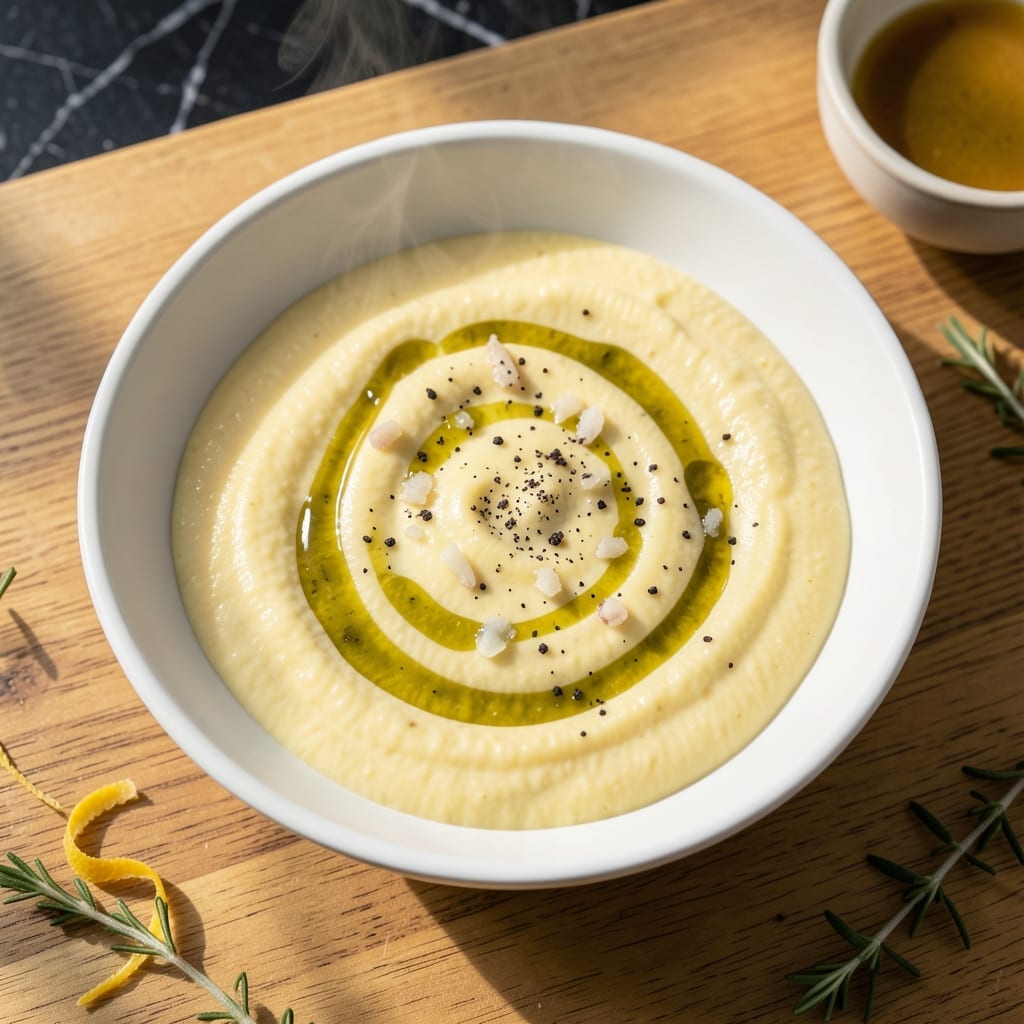
This lemon emulsion transforms any dish with its silky smooth texture and bright, citrusy flavor. I’ve perfected the technique to ensure it stays stable and creamy every time.
Unlike store-bought dressings, this version uses just a few simple ingredients and comes together in minutes. The key is slowly whisking the oil into the lemon base to create a rich, velvety consistency.
It’s incredibly versatile—drizzle it over grilled seafood, toss it with fresh salads, or use it as a dip for vegetables. The vibrant lemon flavor shines without overpowering.
Once you try this, you’ll never reach for bottled dressings again. Here’s how to make it perfectly.
Ingredients for Lemon Emulsion
Eight simple ingredients create this vibrant, restaurant-quality emulsion with bright citrus notes and velvety finish.
| Ingredient | Amount | Notes |
|---|---|---|
| Fresh Lemon Juice 🍋 | ½ cup | Strained, room temperature |
| Dijon Mustard 🟡 | 2 tsp | Smooth, no seeds |
| Extra-Virgin Olive Oil 🫒 | 1 ½ cups | High quality, light color |
| Agave Nectar 🍯 | 1 tbsp | Or maple syrup |
| Fine Sea Salt 🧂 | ½ tsp | Adjust to taste |
| Freshly Ground Black Pepper 🌶️ | ¼ tsp | Fine grind preferred |
| Garlic Clove 🧄 | 1 clove | Minced to paste |
| Water 💧 | 2 tbsp | Room temperature |
The olive oil quality is paramount here—California Olive Ranch or Bertolli offer consistent, high-quality options. Use a light, fruity oil rather than robust or peppery varieties, which can overpower the lemon. The Dijon mustard acts as your emulsifier, so Maille or Grey Poupon are reliable choices. Fresh lemon juice is non-negotiable; bottled lacks the bright acidity this emulsion requires.
No Dijon? Whole grain mustard at half the amount works, though texture will differ slightly. Agave can be swapped for maple syrup or date syrup—all bring sweetness to balance acidity. For a nutty depth, consider toasted sesame oil replacing 2 tbsp of olive oil. The garlic can be omitted if preferred, but it adds subtle complexity worth the extra minute.
This emulsion stays stable at room temperature for 1 hour. Refrigerate in an airtight container for up to 5 days—it may separate slightly but re-emulsifies with a quick whisk. Not suitable for freezing, as it will break permanently.
Why You’ll Love This Recipe
- One-Bowl Wonder: I just whisk everything in a single bowl—no blender, no fuss. Fresh lemon juice and olive oil emulsify beautifully with a little elbow grease.
- Bright & Zesty: The Dijon mustard gives it that perfect tangy kick, while agave nectar balances the acidity. Honestly, it’s the kind of flavor that makes everything taste alive.
- Salad’s Best Friend: Drizzle it over greens, roasted veggies, or even grilled chicken. I’ll be real: I’ve used it on three different meals this week alone.
- Keeps Like a Dream: A mason jar in the fridge stays fresh for up to a week. Between us, it’s my secret weapon for last-minute dinners.
Step-by-Step Instructions for Lemon Emulsion
Master the technique for a stable, velvety emulsion that transforms your dishes.
Step 1: Prepare the Acid Base and Aromatics
Combine the 0.5 cup Fresh Lemon Juice and 1 clove Garlic Clove minced to a paste in a medium bowl. Whisk in the 2 tsp Dijon Mustard, 1 tbsp Agave Nectar, 0.5 tsp Fine Sea Salt, and 0.25 tsp Freshly Ground Black Pepper until fully incorporated.
The mustard acts as your primary emulsifier, binding the oil and water-based components. Ensure the agave nectar dissolves completely in the lemon juice—this sweetness balances the acidity and enhances the final flavor profile.
Step 2: Initiate the Emulsion Process
Begin whisking the lemon juice mixture vigorously while slowly drizzling in the 1.5 cups Extra-Virgin Olive Oil in a thin, steady stream. Start with just a few drops at a time, especially in the first 30 seconds—this critical phase establishes the emulsion base.
As the mixture thickens and lightens in color, you can increase the oil flow slightly, but never pour faster than the mixture can absorb. The goal is a smooth, creamy consistency that coats the back of a spoon. If the emulsion breaks (you see oil separating), stop adding oil and whisk vigorously to reincorporate before continuing.
Step 3: Adjust Consistency and Stabilize
Once all the Extra-Virgin Olive Oil is incorporated, whisk in the 2 tbsp Water. This final addition loosens the emulsion slightly while reinforcing its stability. The water helps distribute the oil droplets more evenly throughout the mixture, preventing separation.
Taste and adjust seasoning if needed, though be cautious—the flavors will intensify as the emulsion rests. The finished product should have a glossy appearance and a thick but pourable consistency, similar to heavy cream. Let it sit for 5-10 minutes to allow the flavors to meld before using.
Real talk: if your emulsion looks too thick, whisk in 1 additional teaspoon of water at a time until it reaches your desired texture. The quality of your Extra-Virgin Olive Oil directly impacts the final taste, so use the best you have.
Pro Tips For Making Lemon Emulsion
- Slow Drizzle Oil: Pour the olive oil in a thin, steady stream while whisking—about 1 teaspoon every 5 seconds. I learned this the hard way after my first three attempts broke into a sad, separated mess.
- Room Temp Juice: Use lemon juice straight from the fridge and your emulsion might fight you. Let it sit out for 10-15 minutes first—my grandmother swore by this, and she was right.
- Skip the Cold Bowl: A chilled metal bowl can cause the oil to seize up. I was skeptical until I tried it, but a room-temperature bowl actually changes the outcome.
- Salt the Mustard: Mix the Dijon and salt together before adding anything else. Sounds weird, but it works—this isn’t the prettiest method, but it’s the tastiest.
Regional Styles of These Flavors
Mediterranean Style
In Greece, they often add 1 tbsp dried oregano and 1 tsp lemon zest to the base for a herbaceous twist. This works beautifully drizzled over grilled octopus or a classic Greek salad with tomatoes, cucumbers, and Kalamata olives.
French Variation
The Provencal version incorporates 1 tbsp fresh tarragon and 1 tsp whole grain mustard for depth. I love this with steamed asparagus or as a sauce for poached salmon. The tarragon adds a subtle anise note that’s distinctly French.
Spanish Citrus
For a Spanish flair, swap ½ the lemon juice for orange juice and add ½ tsp smoked paprika. This pairs wonderfully with seafood paella or grilled vegetables. The smoked paprika gives it a warm, earthy undertone. 🔥
Middle Eastern Twist
Add 1 tsp ground cumin and 1 tbsp chopped fresh mint for a bright, aromatic Middle Eastern version. This works beautifully as a dressing for tabbouleh or as a marinade for grilled chicken.
Italian Classic
Italian cooks often include 1 tbsp capers and 1 anchovy fillet (mashed) for umami depth. This transforms it into a bold sauce perfect for drizzling over grilled swordfish or arugula salad.
Asian Fusion
For an Asian-inspired version, replace 1 tbsp agave with honey and add 1 tsp grated ginger and 1 tsp soy sauce. This makes a fantastic dressing for sushi bowls or cold noodle salads. 💛
Nutrition Facts
Frequently Asked Questions
Why did my emulsion separate?
This usually happens if the oil was added too quickly. Start with drops, not a stream. If it breaks, stop adding oil and whisk vigorously to reincorporate before continuing.
Can I use a blender instead of whisking?
Yes! A blender or food processor works well. Drizzle the oil very slowly through the lid opening while blending. This method often creates a more stable emulsion.
How long will this keep in the fridge?
Stored in an airtight container, it stays fresh for up to 5 days. It may separate slightly—just whisk before using.

- BBQ Sausage Recipe Oven: Smoky Depth Without the Grill - September 28, 2026
- BBQ Chicken Bowl Recipe Rice: Smoky Sweetness Over Fluffy Grains - September 28, 2026
- Beef Cutlet Recipe Ideas: Crispy Breaded Patties With Bold Seasonings - September 28, 2026