
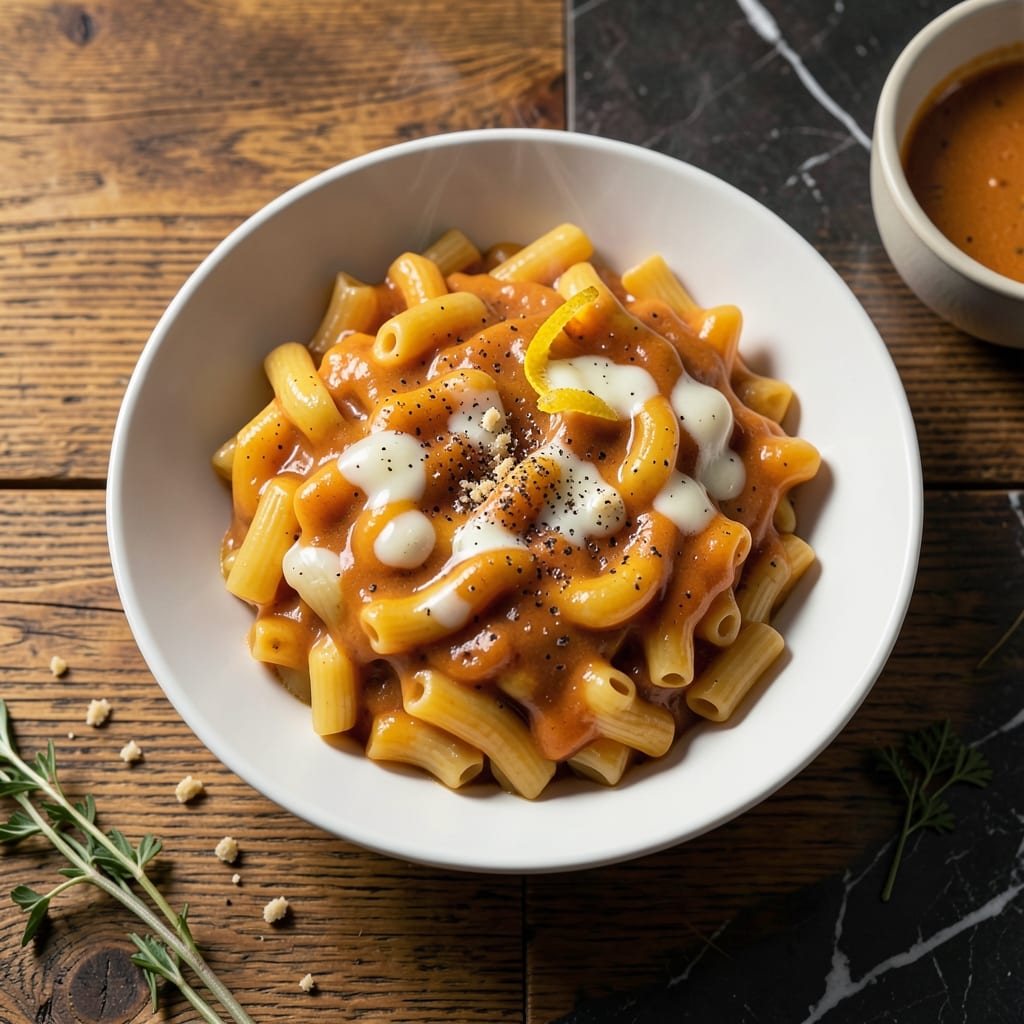
This mac and cheese achieves silky smooth sauce without a traditional roux, using a simple cornstarch technique instead.
The method eliminates the risk of lumps while creating a sauce that clings perfectly to every noodle. I developed this approach after years of testing alternative methods that still delivered restaurant-quality results.
What you get is creamy, velvety mac and cheese with a sauce that stays smooth even when reheated. The cornstarch creates stability that prevents separation, ensuring consistent texture throughout.
Ready in 30 minutes, this recipe proves you don’t need complicated techniques for exceptional flavor and texture.
Ingredients for Mac and Cheese Recipe No Roux
A handful of quality ingredients delivers restaurant-quality mac and cheese with velvety texture.
| Ingredient | Amount | Notes |
|---|---|---|
| Elbow Macaroni 🍝 | 12 oz | Or any short pasta shape |
| Whole Milk 🥛 | 3 cups | Full-fat for creaminess |
| Sharp Cheddar Cheese 🧀 | 8 oz | Freshly shredded from block |
| Gruyère Cheese 🧀 | 4 oz | Freshly shredded for depth |
| Cornstarch 🌾 | 3 tbsp | For thickening sauce |
| Unsalted Butter 🧈 | 3 tbsp | For richness and flavor |
| Dijon Mustard 🟡 | 1 tsp | Balances cheese flavor |
| Garlic Powder 🧄 | ½ tsp | Enhances savory notes |
| Onion Powder 🧅 | ½ tsp | Adds subtle sweetness |
| Salt 🧂 | 1 tsp | Diamond Crystal kosher preferred |
| Ground Black Pepper 🌶️ | ½ tsp | Freshly ground for best flavor |
| Dry Mustard Powder 🟡 | ½ tsp | Boosts cheese sharpness |
| Nutmeg 🌰 | ¼ tsp | Freshly grated for warmth |
The cheese selection is critical. Sharp cheddar and Gruyère create that perfect balance of tang and depth. Cabot or Tillamook for cheddar, Emmental or Comté as Gruyère substitutes. Always shred from blocks—pre-shredded contains anti-caking agents that prevent smooth melting. The cornstarch must be pure, unmodified for optimal thickening.
No Gruyère? Fontina or Monterey Jack work well. Out of whole milk? Half-and-half with a splash of water maintains richness. The mustard is non-negotiable—Dijon provides acidity that cuts through the fat. For extra depth, add 1/4 tsp white pepper (the professional chef’s secret). Skip the pre-grated cheese entirely—it doesn’t melt the same.
The sauce keeps its silky texture for 3-4 days refrigerated. Reheat gently with a splash of milk to restore creaminess. Freezes well for up to 3 months, though texture may separate slightly upon thawing. Store cheese in parchment then foil to prevent drying.
Why You’ll Love This Recipe
- No Fuss Cooking: I skip the roux entirely—just cornstarch and milk for a velvety cheese sauce in minutes.
- Cheesy Depth: Sharp cheddar and Gruyère melt into this rich, tangy sauce that clings to every noodle.
- Meal Prep Hero: It reheats beautifully, so I make a big batch for lazy lunches all week.
- Budget Friendly: Elbow macaroni and two cheeses stretch further than you’d think for a crowd.
Step-by-Step Instructions for Mac and Cheese
Here is the most reliable method for achieving ultra-creamy results without a roux.
Step 1: Cook the Elbow Macaroni Until Al Dente
Bring a large pot of salted water to a rolling boil. Add the 12 oz Elbow Macaroni and cook according to package instructions for al dente, typically 7-8 minutes. Stir occasionally to prevent sticking.
Drain the pasta in a colander and immediately rinse under cold water to stop the cooking process. This prevents overcooking while you prepare the sauce. Shake off excess water but do not dry completely—a slight moisture helps the sauce adhere.
Step 2: Create the Cornstarch Slurry for Thickening
In a small bowl, whisk together the 3 tbsp Cornstarch with ¼ cup of the 3 cups Whole Milk until completely smooth. This slurry will thicken the sauce without the need for a roux, creating a velvety texture.
Set this mixture aside while you heat the remaining 2¾ cups Whole Milk in a large saucepan over medium heat. Warm it until it just begins to steam—do not allow it to boil at this stage.
Step 3: Build the Cheese Sauce Base
Once the milk is steaming, gradually whisk in the cornstarch slurry. Continue stirring constantly as the mixture thickens over medium heat. This should take 3-4 minutes until the liquid reaches a pudding-like consistency.
Reduce the heat to low and stir in the 3 tbsp Unsalted Butter, 1 tsp Dijon Mustard, 0.5 tsp Garlic Powder, 0.5 tsp Onion Powder, 1 tsp Salt, 0.5 tsp Ground Black Pepper, 0.5 tsp Dry Mustard Powder, and 0.25 tsp Nutmeg. Cook for 1-2 minutes to meld the flavors.
Step 4: Melt and Incorporate the Cheeses
Gradually add the 8 oz Sharp Cheddar Cheese and 4 oz Gruyère Cheese, a handful at a time, stirring constantly until each addition is fully melted. This slow incorporation prevents clumping and ensures a smooth sauce.
Maintain low heat and continue stirring for 2-3 minutes until the sauce is glossy and coats the back of a spoon. If the sauce becomes too thick, add a splash of warm milk to loosen it to your desired consistency.
Step 5: Combine and Finish the Dish
Add the cooked Elbow Macaroni to the cheese sauce and stir gently to coat every piece evenly. The sauce should cling to the pasta with a creamy, luxurious texture.
Let the mac and cheese sit for 2-3 minutes off the heat to allow the flavors to fully develop. The pasta will absorb some of the sauce, creating the perfect balance of creaminess and bite. Serve immediately while hot and creamy.
Pro Tips For Making Mac And Cheese Recipe No Roux
- Pre-cook the pasta: Boil the elbow macaroni for 1-2 minutes less than package instructions—it’ll finish cooking in the milk, so you avoid mushy noodles.
- Grate your own cheese: Pre-shredded cheese has anti-caking agents that make the sauce grainy; freshly grated sharp cheddar and Gruyère melt smoothly into the milk.
- Use warm milk: Cold milk can make the cornstarch seize up, so heat it gently before mixing—this keeps the sauce silky instead of lumpy.
- Add cornstarch last: Mix the cornstarch with a little cold milk first to make a slurry, then stir it into the warm milk to prevent clumping.
Dietary Considerations for These Flavors
Gluten-Free Adaptation
This recipe is naturally gluten-free as written, since cornstarch replaces flour-based roux. Just ensure your pasta is certified gluten-free—I recommend Barilla gluten-free elbows or Jovial brown rice pasta. These hold up well to the rich sauce without turning mushy. 💪
Lactose-Free Options
For lactose intolerance, use lactose-free whole milk (like Lactaid) and lactose-free cheeses. Cabot makes excellent lactose-free cheddar. The cornstarch method works perfectly with these substitutes, maintaining the same creamy texture.
Vegetarian and Vegan
The recipe is vegetarian as written. For vegan mac and cheese, swap in cashew milk and nutritional yeast-based cheeses like Violife cheddar. Add 1 tbsp nutritional yeast for extra cheesy flavor. The cornstarch technique adapts beautifully to plant-based versions.
Lower-Fat Version
Use 2% milk and reduce butter to 1 tbsp. The cornstarch still creates a smooth sauce, though it will be slightly less rich. I find adding 1 tsp cornstarch extra helps compensate for the reduced fat content.
Dairy-Free Modifications
For complete dairy avoidance, use unsweetened almond milk and dairy-free cheese shreds. The key is whisking the cornstarch slurry thoroughly to prevent clumping. I’ve had success with Miyoko’s creamery products for this application. 🥗
Sodium Considerations
To reduce sodium, use low-sodium cheeses and omit added salt. The Dijon mustard and spices provide enough flavor. You can also use unsalted butter and reduce the cheese by 2 oz without sacrificing texture.
Nutrition Facts
Frequently Asked Questions
Why use cornstarch instead of flour?
Cornstarch creates a smoother sauce with no flour taste. It thickens at a lower temperature, reducing the risk of scorching. The result is a glossy, velvety texture that clings perfectly to pasta.
Can I use pre-shredded cheese?
No, pre-shredded cheese contains anti-caking agents that prevent smooth melting. Always shred from a block for the creamiest results. The extra 2 minutes of effort makes a noticeable difference.
How do I prevent a grainy sauce?
Add cheese gradually over low heat and stir constantly. Let each handful melt completely before adding more. This slow process ensures a silky smooth finish every time.
What’s the best way to reheat leftovers?
Gently warm on the stovetop with a splash of milk over medium-low heat, stirring frequently. Microwaving can cause separation, so avoid high power settings.

- BBQ Sausage Recipe Oven: Smoky Depth Without the Grill - September 28, 2026
- BBQ Chicken Bowl Recipe Rice: Smoky Sweetness Over Fluffy Grains - September 28, 2026
- Beef Cutlet Recipe Ideas: Crispy Breaded Patties With Bold Seasonings - September 28, 2026