
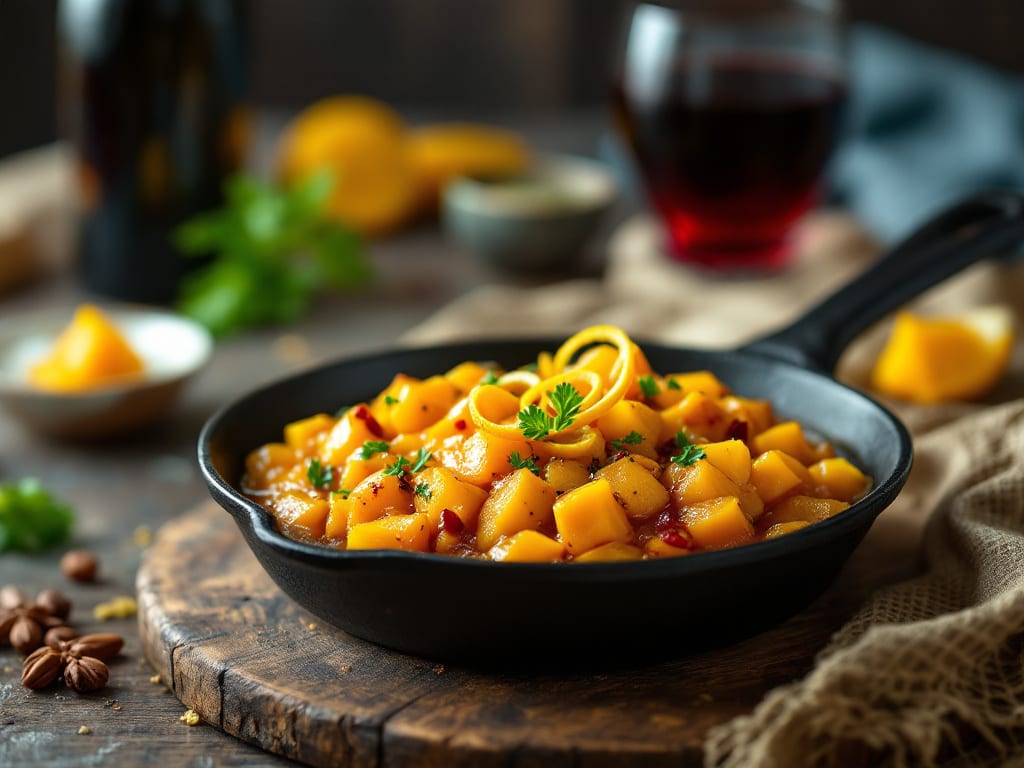
This Maharashtrian sweet mango pickle transforms ripe Alphonso mangoes into a tangy-sweet spice treasure that balances tradition with modern convenience. The art lies in layering spices—mustard seeds, curry leaves, and black salt—while simmering the fruit in a precise sugar syrup until the flavors meld into perfect harmony.
I’ve refined this recipe over years of testing, ensuring the sweetness never overpowers the mango’s natural tang, and the spices infuse just enough heat to linger on the palate.
The process begins with selecting perfectly ripe Alphonso mangoes, their golden flesh yielding to a fork but not mushy. The sugar syrup, reduced to a thick consistency, becomes the pickle’s soul, while the spices—lightly toasted and ground—add depth without bitterness.
This isn’t just a side dish; it’s a versatile condiment that elevates tea, pairs with cheese, or stands alone as a dessert with a crumbly biscuit.
What sets this recipe apart is the patience required: letting the pickle sit for at least three days allows the flavors to mature, transforming raw ingredients into a complex, addictive preserve.
The result? A jar of sunshine—bright, aromatic, and dangerously shareable—that tastes like summer in every spoonful. Ready to master this classic?
Storage is simple: keep sealed in the fridge for up to three months, or extend shelf life to six months with a sterilized jar. The longer it sits, the richer the flavor becomes. Whether you’re hosting or treating yourself, this pickle delivers restaurant-quality indulgence at home. Let’s get started.
Ingredients for maharashtrian sweet mango pickle
Alphonso mangoes, toasted spices, and precise sugar syrup create this Maharashtrian treasure.
| Ingredient | Amount | Notes |
|---|---|---|
| Alphonso Mangoes 🍈 | 2 ½ lb | Ripe, golden flesh, pitted and cubed |
| White Granulated Sugar 🍚 | 2 cups | Fine grain preferred for even dissolving |
| Mustard Seeds 🌶️ | 1 tbsp | Lightly toasted for aromatic depth |
| Curry Leaves 🌿 | ¼ cup | Fresh, whole leaves, lightly crushed |
| Black Salt (Kala Namak) 🧂 | 1 tsp | Essential for authentic Maharashtrian tang |
| Green Cardamom Pods 🌱 | 6 whole | Lightly crushed for subtle floral notes |
| Cinnamon Sticks 🌳 | 2 whole | 2-inch pieces for gentle infusion |
| Cloves 🌿 | 4 whole | Whole, for subtle warmth |
| Bay Leaves 🍃 | 2 whole | Dried, for earthy complexity |
| Lemon Juice 🍋 | ½ cup | Freshly squeezed, for acid balance |
| Ginger-Garlic Paste 🧄 | 2 tbsp | Freshly made, 1 tbsp each |
| Water 💧 | 1 cup | Filtered preferred for clarity |
| Red Chili Powder 🌶️ | ½ tsp | Adjust for desired heat level |
| Asafoetida (Hing) 🌿 | ¼ tsp | Pinch for umami depth (optional) |
The Alphonso mangoes are non-negotiable—their vibrant golden flesh and natural sweetness are the soul of this recipe. Seek out ripe but firm fruit at specialty Indian markets or well-stocked grocery stores like Whole Foods or Patel Brothers, where the quality is consistently superior. For the spices, toast mustard seeds and whole spices in a dry pan until fragrant—this releases their essential oils and creates that signature aromatic depth. Black salt (kala namak) is crucial; substitutes like regular salt won’t replicate the subtle sulfuric note that balances the sweetness. If you can’t find it, Mysore Spices or Spicewalla online carry authentic varieties. The ginger-garlic paste should be freshly made—store-bought versions often contain preservatives that can alter the delicate flavor profile.
No curry leaves? Dried curry powder at half the amount works in a pinch, though it lacks the fresh, citrusy brightness. Substituting black salt? Combine 1/2 tsp regular salt with 1/4 tsp potassium sulfate for a closer approximation, though the texture will differ slightly. For the sugar syrup, avoid artificial sweeteners—they disrupt the caramelization process. If your mangoes are particularly tart, reduce sugar by 1 tbsp and increase lemon juice by 1 tbsp to maintain balance. The asafoetida (hing) is optional but recommended; omit if you’re sensitive to its strong aroma, though it adds a unique umami layer that complements the spices beautifully. For storage, use a sterilized glass jar—this isn’t just about preservation, but about maintaining the integrity of the flavors over time.
This pickle develops its signature complexity over time—minimum 3 days, but up to 6 months in the fridge if properly sealed. For long-term storage, process in a water bath for 10 minutes to extend shelf life to a year. The syrup should coat the back of a spoon when fully reduced; test consistency by chilling a small amount—it should thicken noticeably. Serve chilled or at room temperature; pair with sharp cheddar or crusty bread to highlight its versatility. The longer it sits, the richer the mango flavor becomes—patience is key to achieving that restaurant-quality depth. Divide into smaller jars if gifting; each portion will taste freshly made.
Why You’ll Love This Recipe
- The contrast is what gets me: the mango’s natural tang mellows into a caramelized softness, while the black salt (kala namak) adds this unexpected savory punch that makes it taste like a dessert you didn’t know you needed. Honestly, the first time I made it, I ate a whole jar straight from the fridge.
- Sweet Simplicity: I swear by this recipe because it’s three steps with zero fuss—just ripe Alphonso mangoes simmered in sugar until they’re glossy and tender, then tossed with mustard seeds and curry leaves for that signature crackle. No peeling, no complicated layers, just pure, effortless sweetness.
- Sugar-Kissed Magic: The contrast is what gets me: the mango’s natural tang mellows into a caramelized softness, while the black salt (kala namak) adds this unexpected savory punch that makes it taste like a dessert you didn’t know you needed. Honestly, the first time I made it, I ate a whole jar straight from the fridge.
- Party in a Jar: This isn’t just breakfast—it’s my go-to for anything. Slather it on toast with tea, use it as a topping for yogurt or pancakes, or serve it chilled with biscuits when friends drop by. (Yes, even on a Tuesday night, because why not?)
Step-by-step instructions for Maharashtrian sweet mango pickle
This traditional preserve balances sweetness with complex spices—here’s how to capture its authentic depth.
Prepare the Mango Base
Peel the 2.5 lb Alphonso mangoes and remove the pit, then cut into 1-inch cubes. The flesh should be uniformly golden with no green traces—this ensures proper flavor development. Transfer the cubes to a heavy-bottomed pot and add the 2 cups white granulated sugar. Stir gently to coat each piece completely, allowing the sugar to begin drawing out moisture.
Real talk: Don’t skip this coating step. The sugar needs direct contact with the mango to create that signature caramelized sweetness. If using underripe mangoes, add 1 extra tablespoon of sugar to compensate for lower natural sweetness. Bring the mixture to a gentle simmer over medium heat, then reduce to low and cook uncovered for 20 minutes, stirring occasionally. You’ll see the mangoes begin to soften slightly and release their juices—this is when the transformation begins.
Toast and Infuse the Spice Blend
In a dry skillet over medium heat, toast the 1 tbsp mustard seeds until they begin to pop audibly—about 30 seconds. Immediately transfer them to a bowl and add the 0.25 cup curry leaves, 6 lightly crushed green cardamom pods, 2 whole cinnamon sticks, 4 whole cloves, and 2 whole bay leaves. Stir gently to combine, then return the mixture to the same skillet for an additional 1 minute until fragrant. The spices should develop a rich, toasty aroma that fills your kitchen.
Here’s where it gets fun—the spice blend is the soul of this pickle. I like to crush the cardamom pods lightly with the side of a knife to release their essential oils without pulverizing them completely. This ensures subtle floral notes rather than overwhelming bitterness. As soon as the spices are toasted, remove them from heat and let cool for 2 minutes—this prevents them from burning when added to the mango mixture.
Build the Flavor Foundation
Add the toasted spice blend to the simmering mango-sugar mixture in the pot. Stir in the 0.5 cup lemon juice, 2 tbsp ginger-garlic paste, 0.5 tsp red chili powder, and 0.25 tsp asafoetida (hing). The asafoetida is optional but adds that unmistakable umami depth characteristic of Maharashtrian cuisine. Bring the mixture back to a gentle boil, then reduce heat to maintain a steady simmer.
This is the moment that matters: simmer uncovered for 30 minutes, stirring every 5 minutes to prevent sticking. You’ll notice the mixture thicken slightly as the mangoes break down and the spices infuse. The color should deepen to a rich amber, and you should detect layers of citrus, ginger, and subtle heat developing. If the mixture becomes too thick, add the 1 cup water gradually to maintain proper consistency.
Incorporate the Signature Tang
After 30 minutes of simmering, stir in the 1 tsp black salt (kala namak). This essential ingredient provides that distinctive sulfurous tang that defines authentic Maharashtrian pickles. The salt should dissolve completely, creating a briny contrast to the sweetness. Taste the mixture at this stage—you should detect all the individual spices coming together, with the sugar caramelizing and the lemon juice providing bright acidity.
Continue simmering for an additional 20 minutes until the mangoes are tender but still hold their shape when pierced with a fork. The pickle should coat the back of a spoon with a glossy, syrupy consistency. If you find the mixture too thin at this point, simmer uncovered for another 5-10 minutes to reduce further. The final texture should be thick enough to cling to spoons but still pourable.
Finish and Store Properly
Remove the pickle from heat and let it cool to room temperature. Once cooled, transfer it to a clean, sterilized glass jar with an airtight lid. The pickle will continue developing flavor as it cools, with the spices mellowing and the sweetness intensifying. Seal the jar tightly and store in a cool, dark place—it will keep for up to 3 months, with flavors deepening over time.
For best results, let the pickle sit for at least 24 hours before serving. This resting period allows all the flavors to fully meld together. Each spoonful should deliver a perfect balance of sweet, tangy, spicy, and umami notes. The black salt should be noticeable but not overpowering, while the ginger and garlic add warmth without dominating. Serve chilled with Indian breads or as a sweet accompaniment to savory dishes.
Pro Tips For Making Maharashtrian Sweet Mango Pickle
- Peel Mangoes Thin: Use a sharp knife and slice off just the skin—no need to go deep. Over-peeling removes too much fruit, and you’ll end up with a watery, mushy pickle instead of the firm, flavorful chunks you want. (Yes, even if you’re impatient like me, resist the urge to rush this.)
- Caramelize the Sugar Slow: Once the mustard seeds pop, lower the heat to medium-low and let that sugar melt into a deep amber color—about 8-10 minutes. I learned the hard way that rushing this step leaves the pickle cloyingly sweet instead of rich and balanced. (Your future self will notice the difference.)
- Bloom Curry Leaves First: Add curry leaves before the mustard seeds and let them sizzle for 10 seconds until their aroma hits the air. This locks in their flavor instead of letting them turn bitter from hitting the pan too late. (Sounds weird, but it works—trust the process.)
- Salt in Two Stages: Sprinkle half the black salt with the mustard seeds, then save the rest for the final mix. Adding all at once can make the sugar crystallization uneven, leading to a grainy texture. (This isn’t the prettiest method, but it’s the tastiest.)
Essential equipment for this dish
Heavy-Bottomed Pot
This is my non-negotiable tool for Maharashtrian sweet mango pickle. A 4-quart stainless steel pot from All-Clad or Le Creuset distributes heat evenly, preventing scorching while you simmer the mangoes and sugar.
The thick base maintains consistent temperature, crucial for achieving that perfect caramelized sweetness without burning. I’ve tried thinner pots, and they always leave hot spots—this is where the magic happens. 🔥
Spice Toasting Skillet
A 10-inch cast iron skillet like Lodge’s Pre-Seasoned is ideal for toasting mustard seeds and whole spices. Cast iron retains heat beautifully, allowing you to achieve that signature nutty aroma without burning the spices.
I toast all spices directly in this skillet before transferring them to the mango mixture—this step is what separates homemade from store-bought. For a non-stick alternative, a well-seasoned carbon steel pan works just as well. ✨
Fine-Mesh Strainer
After simmering, you’ll need to strain the spices from the syrup if you prefer a smoother texture. A fine-mesh stainless steel strainer (like the OXO Good Grips) catches even the smallest curry leaf fragments while allowing the fragrant syrup to pass through.
I use this when I want a cleaner presentation, especially for gifting jars. For a budget-friendly option, a cheesecloth-lined colander works in a pinch. 💫
Glass Jars with Airtight Lids
Storage is where flavor preservation happens, so invest in sterilized glass jars with airtight lids. I recommend Ball Mason jars (quart size) for their durability and seal. The glass preserves the pickle’s vibrant color, while the airtight lid prevents oxidation.
For long-term storage (up to 6 months), sterilize jars by boiling lids in water for 10 minutes before filling. This isn’t just about shelf life—it’s about keeping every spoonful tasting fresh. ❄️
Digital Kitchen Scale
Precision matters when balancing sweetness and spice. A digital kitchen scale (like the OXO Good Grips) ensures you measure ingredients like black salt and asafoetida accurately—especially when working with small quantities.
I weigh spices to the gram for consistency, which makes all the difference in achieving that authentic Maharashtrian tang. No more eyeballing measurements! 💡
Wooden Spoon for Stirring
A heat-resistant wooden spoon (preferably maple or bamboo) is essential for stirring the mango-sugar mixture without scratching your pot. Wood distributes heat gently and won’t react with acidic ingredients like metal might.
I keep one dedicated to this recipe—it’s become my trusty companion for every batch. Plus, it adds a rustic touch to the process. 🌿
Nutrition facts
Frequently asked questions
Can I use regular salt instead of black salt (kala namak)?
While regular salt won’t replicate the exact tangy flavor, you can approximate it by mixing ½ teaspoon regular salt with ¼ teaspoon potassium sulfate (found in baking sections). The texture will differ slightly, but the sweet-spicy balance will still shine. For authenticity, seek out black salt at Indian specialty stores or online.
How do I know when the sugar syrup is ready?
The syrup should coat the back of a spoon when fully reduced—about 20-25 minutes of simmering. Test by chilling a small amount: it should thicken noticeably. If it’s too thin, simmer uncovered for another 5-10 minutes. The perfect consistency is glossy yet pourable, clinging to mango cubes without being syrupy.
Can I make this pickle without fresh curry leaves?
Yes! Use ½ teaspoon dried curry powder instead, but reduce the amount by half. For extra brightness, add ¼ teaspoon ground turmeric—it mimics curry leaves’ citrusy notes. Toast the dried powder in the skillet first to enhance aroma. The flavor won’t be identical, but the dish will still taste delicious.
Why does my pickle taste too sweet after 1 day?
The flavors need time to balance! Let it rest 3-5 days—the spices mellow, and the mango’s natural acidity emerges. If it’s still too sweet, add 1 tablespoon lemon juice and let it sit another day. Over-sweetness often means the syrup reduced too quickly; next time, simmer longer to concentrate flavors. Patience is key!
Can I substitute Alphonso mangoes with other varieties?
Alphonso mangoes are ideal due to their low acidity and rich sweetness, but you can use Ataulfo or Kent mangoes in a pinch. Avoid overly tart varieties like Tommy Atkins—they’ll need extra sugar. For the best results, choose mangoes that yield to gentle pressure but aren’t mushy. The texture and flavor will differ slightly, but the technique remains the same.

- Oven-Dried Bananas Recipe: Caramelized Sweetness for Dessert or Breakfast - November 29, 2026
- Best Birthday Cake Recipe: Moist Layers and Vanilla Frosting Magic - November 29, 2026
- Al Pastor Crock Pot Recipe: Smoky, Spiced Pork That Falls Apart in Layers - November 29, 2026