
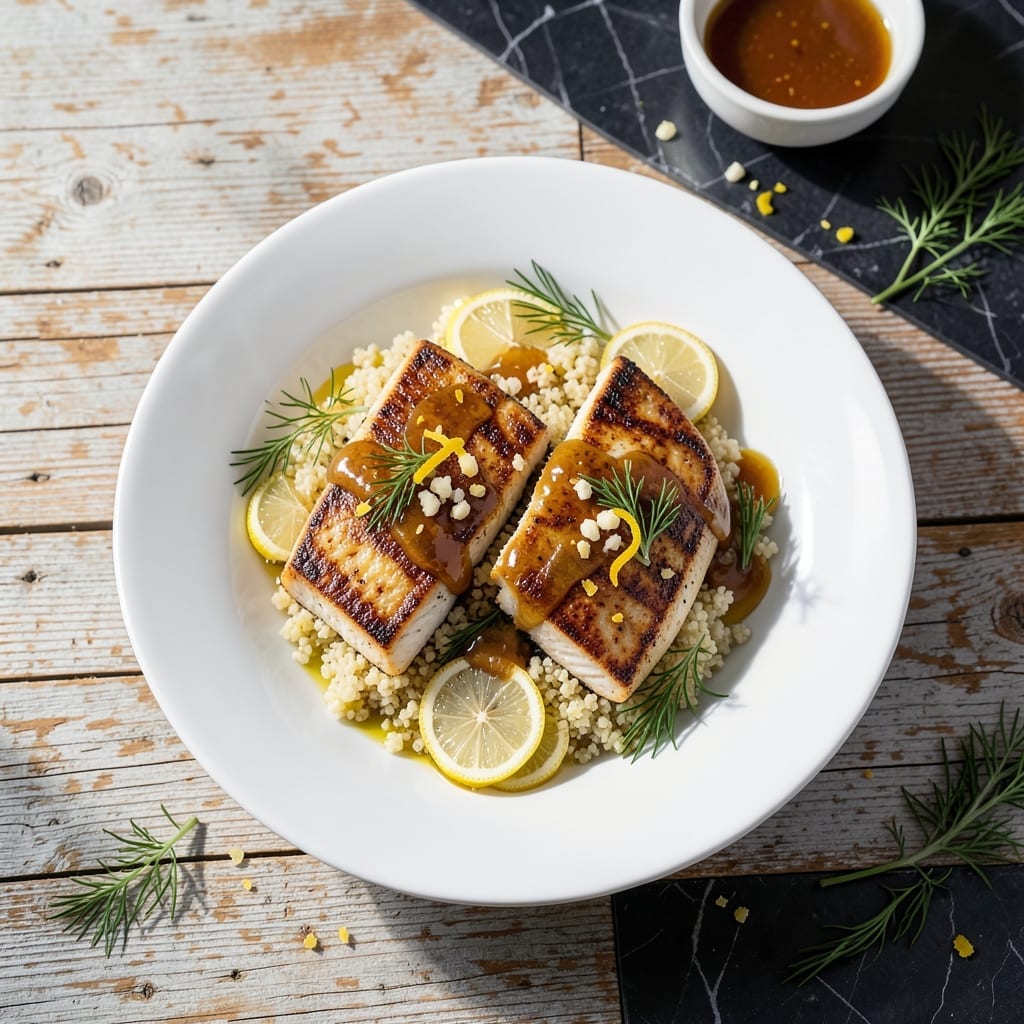
Broiled mahi mahi delivers flaky, perfectly cooked white fish with minimal effort and maximum flavor. This method ensures a tender, moist interior with a lightly caramelized exterior, all while keeping the fish from drying out under high heat.
The key to success lies in the timing and temperature—preheating the broiler and using a lemon-garlic glaze that enhances the natural sweetness of the mahi mahi. A few simple ingredients and 10 minutes under the broiler transform this dish into something restaurant-worthy.
What you’ll achieve is a delicate balance of textures: crisp edges and a flaky, buttery interior. The glaze adds brightness and depth, complementing the mild, slightly sweet flavor of the fish.
Serve with roasted vegetables or a fresh salad for a complete, elegant meal.
Ingredients for Mahi Mahi Recipe Broiled
Fresh mahi mahi plus a bright lemon-garlic glaze deliver restaurant-quality results at home.
| Ingredient | Amount | Notes |
|---|---|---|
| Mahi Mahi Fillets 🐟 | 1 ½ lb | Skinless, about 1-inch thick |
| Extra-Virgin Olive Oil 🫒 | 3 tbsp | Divided for glaze and fish |
| Fresh Lemon Juice 🍋 | ¼ cup | About 2-3 lemons |
| Garlic Cloves 🧄 | 4 cloves | Minced finely |
| Dijon Mustard 🟡 | 1 tbsp | Smooth variety preferred |
| Honey 🍯 | 1 tbsp | Or agave for vegan option |
| Fresh Parsley 🌿 | ¼ cup | Chopped, for garnish |
| Lemon Zest 🍋 | 1 tbsp | From 1-2 lemons |
| Kosher Salt 🧂 | 1 tsp | Diamond Crystal preferred |
| Freshly Ground Black Pepper 🌶️ | ½ tsp | Coarse grind preferred |
| Paprika 🌶️ | ½ tsp | Sweet or smoked variety |
| Red Pepper Flakes 🌶️ | ¼ tsp | Optional for heat |
The mahi mahi quality is paramount. Fresh, skinless fillets about 1-inch thick ensure even cooking and that signature flaky texture. Whole Foods or a trusted seafood counter are ideal sources—look for fillets with a firm, translucent appearance and no fishy odor. Avoid previously frozen unless thawed properly (in the fridge overnight). The fillets should be uniform in thickness for consistent cooking under the broiler.
Out of Dijon? Whole-grain mustard adds texture but works in a pinch. No honey? Maple syrup or agave at the same quantity. Fresh lemon juice is non-negotiable—bottled lacks the brightness. If you’re missing fresh parsley, dried parsley at one-third the amount works (though fresh is preferred). The paprika can be omitted, but it adds a subtle depth to the glaze.
The glaze can be prepped 2 days ahead and stored in the fridge. Mahi mahi is best cooked the day of purchase but holds for 1-2 days in the fridge. Leftovers keep for 3 days—reheat gently to avoid drying out. The lemon-garlic glaze also doubles as a marinade for shrimp or chicken if you want to repurpose it.
Why You’ll Love This Recipe
- Ready in 15: I can have this on the table faster than takeout arrives, just broil and go.
- Garlic-Dijon Magic: The combo of fresh garlic, Dijon, and lemon makes each bite ridiculously good.
- Weeknight MVP: Honestly, it’s my go-to for busy evenings—fancy enough for guests but unfussy.
- One-Pan Leftovers: I love that the extras reheat beautifully for lunch the next day, no soggy texture.
Step-by-Step Instructions for Broiled Mahi Mahi
Here is the method to achieve perfectly flaky results with a bright, zesty finish.
Step 1: Prepare the Lemon-Garlic Glaze
In a small bowl, whisk together 0.25 cup Fresh Lemon Juice, 1 tbsp Dijon Mustard, 1 tbsp Honey, 4 cloves Garlic Cloves (minced), 1 tbsp Lemon Zest, 0.5 tsp Paprika, and 0.25 tsp Red Pepper Flakes. The mixture should be smooth and slightly thick from the mustard.
Slowly drizzle in 2 tbsp Extra-Virgin Olive Oil while whisking continuously to emulsify the glaze. This creates a cohesive sauce that clings beautifully to the fish. Set aside 10 minutes to let the flavors meld while you prepare the fillets.
Step 2: Season and Prep the Mahi Mahi
Pat the 1.5 lb Mahi Mahi Fillets completely dry with paper towels—moisture prevents proper browning and crisping. Place them on a lightly oiled broiler pan or wire rack set over a baking sheet. This elevation allows heat to circulate evenly around the fish.
Brush both sides of the fillets with the remaining 1 tbsp Extra-Virgin Olive Oil, then season evenly with 1 tsp Kosher Salt and 0.5 tsp Freshly Ground Black Pepper. The salt should create a visible crust on the surface, ensuring well-seasoned fish throughout.
Step 3: Broil to Flaky Perfection
Position the oven rack 4-6 inches from the broiler element and preheat on high. Once scorching hot, place the mahi mahi under the broiler. Cook for 4-5 minutes until the top develops a light golden crust and the edges begin to turn opaque.
Carefully flip the fillets using a thin spatula—this fish is delicate when hot. Brush the cooked side generously with half the prepared glaze. Return to the broiler for another 3-4 minutes until the fish flakes easily with a fork and reaches an internal temperature of 145°F.
Step 4: Finish and Garnish
Transfer the mahi mahi to a serving platter and immediately brush with the remaining glaze. The residual heat will help the sauce absorb into the fish. Let it rest for 2-3 minutes—this allows the muscle fibers to relax, preserving moisture and ensuring that flaky texture.
Sprinkle with 0.25 cup Fresh Parsley (chopped) just before serving. The parsley adds a fresh contrast to the rich, caramelized glaze. Serve immediately while the fish is at its peak tenderness and the glaze is still glossy.
Pro Tips For Making Mahi Mahi Recipe Broiled
- Preheat the Broiler: I learned this the hard way—crank the broiler for at least 10 minutes before cooking. Mahi mahi cooks fast, and a screaming-hot broiler is the only way to get that caramelized crust on the Dijon-lemon glaze without drying out the fish.
- Pat Fillets Dry: Sounds obvious, but skip this and your mahi mahi will steam instead of sear. A quick blot with paper towels guarantees the olive oil and mustard marinade cling properly.
- Don’t Overcrowd the Pan: After burning three batches, I finally figured out that the fillets need at least an inch of space between them. Otherwise, they’ll steam in their own juices instead of broiling.
- Use Fresh Lemon: Bottled lemon juice just doesn’t cut it here—the fresh stuff brightens the garlic and Dijon in a way that’s noticeable from the first bite. I was skeptical until I tried it.
Common Mistakes When Making This Recipe
Overcooking the Fish
Mahi mahi cooks fast under high heat, so pull it when it reaches 145°F internally. Overcooking dries it out—use an instant-read thermometer for accuracy. I check at the thickest part of the fillet. 🌡️
Skipping the Preheat
Always preheat your broiler for 5-10 minutes to ensure it’s scorching hot. Without this, the fish steams instead of searing, losing that beautiful caramelized crust. The glaze won’t cling as well to a cool surface.
Thick Glaze Application
Don’t glob on the glaze—it’ll burn before the fish cooks through. Brush a thin, even layer during the last 3-4 minutes only. The sugars in honey and lemon juice caramelize quickly under intense heat.
Crowding the Pan
Give each fillet space on the broiler pan or wire rack. Crowding causes uneven cooking and steaming. I use a rack set over a baking sheet for best air circulation. Leave 1-2 inches between pieces.
Neglecting to Dry
Pat the fillets completely dry with paper towels before seasoning. Excess moisture prevents proper browning and dilutes your glaze. This step takes 30 seconds but makes a huge difference.
Using Dull Tools
A thin, sharp spatula is essential for flipping delicate mahi mahi. Dull tools tear the fish and leave half the fillet stuck to the pan. I keep a fish spatula dedicated for this purpose. 💡
Nutrition Facts
Frequently Asked Questions
How do I know when it’s done?
Use an instant-read thermometer to check for 145°F internally at the thickest part. The fish should flake easily with a fork and turn opaque throughout.
Can I use frozen fillets?
Yes, but thaw in the fridge overnight first. Pat completely dry before seasoning to prevent steaming. Never broil from frozen.
What if I don’t have a broiler pan?
A wire rack over a baking sheet works perfectly. Elevation ensures even heat circulation around the fillets. Avoid glass pans.
How can I prevent the glaze from burning?
Apply thinly during the last 3-4 minutes only. The sugars caramelize quickly under high heat. Watch closely!

- BBQ Sausage Recipe Oven: Smoky Depth Without the Grill - September 28, 2026
- BBQ Chicken Bowl Recipe Rice: Smoky Sweetness Over Fluffy Grains - September 28, 2026
- Beef Cutlet Recipe Ideas: Crispy Breaded Patties With Bold Seasonings - September 28, 2026