
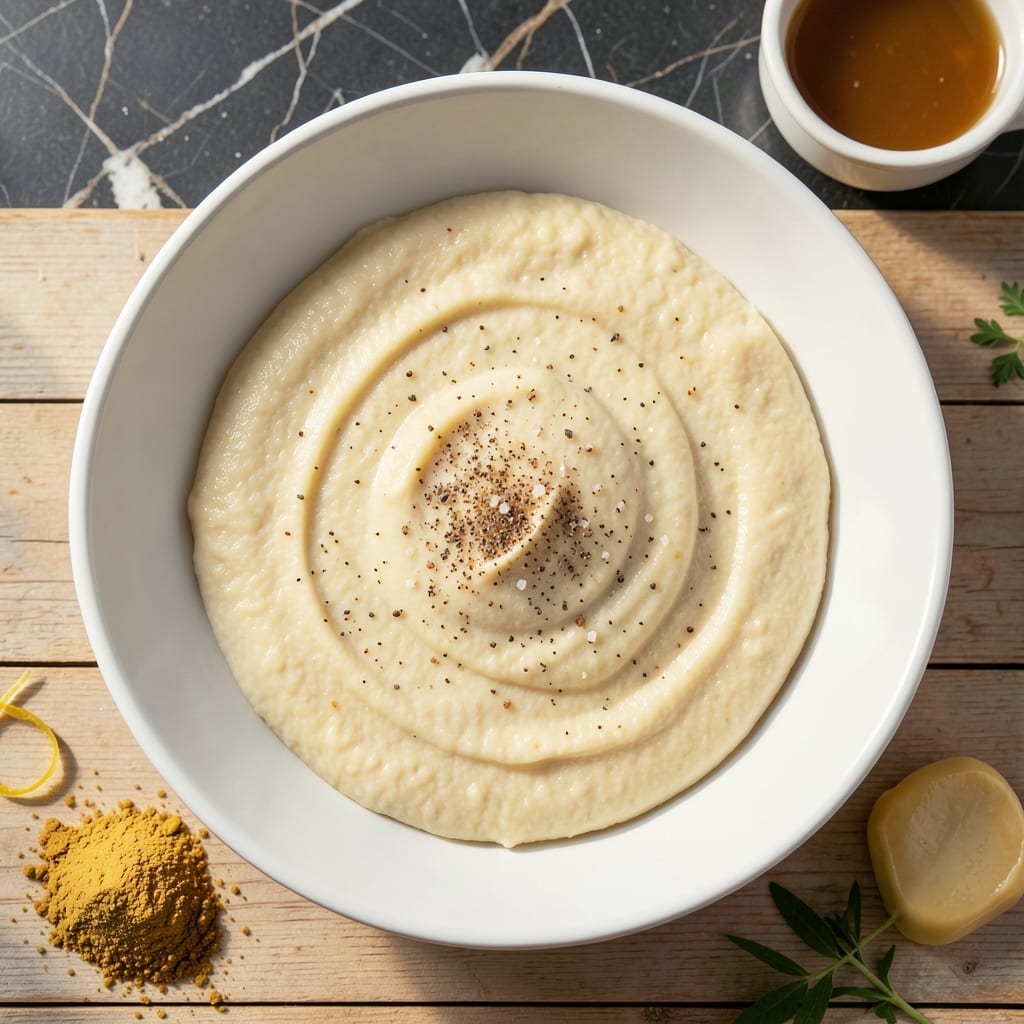
This recipe delivers the perfect foundation for authentic tamales, using a traditional masa preparation that ensures the right texture and flavor every time.
With simple ingredients and precise technique, you’ll create dough that’s light, spreadable, and holds its shape when steamed. The secret lies in proper hydration and resting time.
Ingredients for Masa Dough Recipe for Tamales
Traditional masa harina and simple pantry staples create the perfect foundation for authentic tamales.
| Ingredient | Amount | Notes |
|---|---|---|
| Masa Harina 🌽 | 4 cups | Traditional corn flour for tamales |
| Vegetable Shortening 🧈 | 2 cups | Solid at room temperature |
| Chicken Broth 🥣 | 4 cups | Warm, vegetable broth for vegetarian option |
| Baking Powder 🧂 | 2 tsp | For lightness in dough |
| Salt 🧂 | 2 tsp | Fine grain sea salt |
| Ground Cumin 🌿 | 1 tsp | Optional for depth of flavor |
| Garlic Powder 🧄 | 1 tsp | Optional for savory note |
| Dried Corn Husks 🌽 | 1 package | For wrapping tamales, soaked |
For authentic results, Maseca masa harina is the gold standard—widely available at Latin markets or the international aisle of most supermarkets. The vegetable shortening must be solid at room temperature; Crisco is the classic choice. Warm broth is critical for proper hydration, so heat it before mixing. Look for fine-grain sea salt to avoid texture issues in the final dough.
No vegetable shortening? Lard works for non-vegetarians, but coconut oil is a solid vegan swap. For deeper flavor, toast the cumin seeds and grind them fresh. If using fresh garlic instead of powder, mince 2 cloves and sauté lightly before adding. The corn husks need soaking in hot water for 30 minutes to become pliable.
Prepared masa dough keeps in the fridge for 24 hours before shaping. Once steamed, tamales freeze beautifully for up to 3 months. Store corn husks in a cool, dry place—they’ll keep for 6-12 months if unopened.
Why You’ll Love This Recipe
- 5-Minute Mix: I just dump, beat, and go—Masa Harina and shortening blend fast, no fancy tools needed.
- Rich Chicken Depth: The warm chicken broth soaks into every bite, giving the dough a cozy, savory backbone.
- Feeds a Tamale Party: I stretch one batch into three dozen tamales for holidays or Sunday supper with ease.
- Pocketbook Friendly: Masa Harina and shortening cost pennies, so I fill the freezer without emptying my wallet.
Step-by-Step Instructions for Masa Dough for Tamales
This traditional method ensures a light, spreadable dough that steams to perfection every time.
Step 1: Prepare the Dried Corn Husks
Soak the 1 package Dried Corn Husks in very warm water for at least 30 minutes to soften. I place them in a large bowl and weigh them down with a plate to ensure full submersion. They’re ready when pliable and easily folded without cracking.
Drain and pat dry with clean towels before using. This preparation is essential—the husks must be workable to properly wrap and contain the filling during steaming.
Step 2: Hydrate the Masa Base
In a large mixing bowl, combine the 4 cups Masa Harina with the 4 cups Chicken Broth. The broth should be warm, which helps the masa absorb liquid more evenly. Use your hands to mix thoroughly, breaking up any lumps until the mixture resembles coarse sand.
Let this rest for 10 minutes to fully hydrate. You’ll notice the texture changes from dry and crumbly to more cohesive as the masa absorbs the liquid. This resting period ensures even hydration before adding the fat.
Step 3: Incorporate the Fat and Leavening
In a separate bowl, beat the 2 cups Vegetable Shortening until light and fluffy. Gradually incorporate this into the hydrated masa mixture, along with the 2 tsp Baking Powder, 2 tsp Salt, 1 tsp Ground Cumin, and 1 tsp Garlic Powder.
Mix with your hands or a stand mixer with paddle attachment for 5-7 minutes until the dough is smooth, glossy, and the consistency of thick hummus. The shortening should be fully integrated with no visible streaks. The dough should hold together when pressed but not be sticky.
Step 4: Test the Dough Consistency
Perform the float test to verify proper consistency: drop a small amount of dough into a glass of water. If it floats, the dough has the correct lightness and air incorporation. If it sinks, beat in additional broth 1 tablespoon at a time until it passes the test.
This traditional check ensures your tamales will steam to a perfect, airy texture rather than being dense. The dough should also feel slightly springy when pressed between your fingers.
Pro Tips For Making Masa Dough Recipe For Tamales
- Beat the Shortening: Cream the vegetable shortening for at least 3-4 minutes until fluffy—this incorporates air, making the tamales light and tender.
- Use Warm Broth: Heat your chicken broth to just below simmering before mixing; cold broth makes the masa dense and gummy.
- Don’t Overmix: Once the dough comes together, stop mixing—overworking develops gluten in the masa harina, leading to tough tamales.
- Test with a Float: Drop a small ball of dough in water; if it floats, it’s ready. If it sinks, beat in a bit more shortening to lighten it.
Pro Cooking Tips for This Recipe
Fat Integration Technique
Beating the 2 cups vegetable shortening until light and fluffy before incorporating is crucial. I use a stand mixer with paddle attachment for 3-4 minutes to aerate the fat properly. This creates tiny air pockets that make your tamales wonderfully tender. 💡
Hydration Perfection
The 10-minute rest after mixing masa harina with warm broth isn’t optional. I’ve learned the hard way that skipping this step results in uneven texture. The masa needs this time to fully absorb the liquid before adding fat.
Mixing Method Matters
Use your hands or a stand mixer for the final 5-7 minutes of mixing. The dough should be glossy and hold together when pressed, but not sticky. If it’s too dry, add warm broth 1 tablespoon at a time.
The Float Test
This traditional test never fails me. Drop a small piece of dough in water—if it floats, you’ve achieved the perfect consistency. If it sinks, keep mixing and add more broth gradually. The dough should feel springy when pressed.
Corn Husk Prep
Soak husks in very warm water for at least 30 minutes. I weigh them down with a plate to ensure full submersion. They’re ready when pliable and fold without cracking. Pat dry before using. ❄️
Resting the Dough
After mixing, let the dough rest for 30 minutes before spreading. This allows the masa to fully hydrate and the flavors to meld. I cover mine with a damp towel to prevent drying.
Frequently Asked Questions
Can I substitute lard for vegetable shortening?
Yes, lard is a traditional option and creates incredibly flavorful tamales. Use the same 2 cups measurement. For a vegetarian version, coconut oil works well as a plant-based alternative.
Why does my dough crack when spreading?
This usually means it’s too dry. Beat in warm broth 1 tablespoon at a time until smooth. Also, ensure you’ve let the dough rest for 30 minutes after mixing to fully hydrate.
How long can prepared dough wait before using?
You can refrigerate it for up to 24 hours in an airtight container. Bring to room temperature before spreading. For best results, use immediately after mixing.
What’s the best way to store leftover masa?
Wrap tightly in plastic and refrigerate for 1-2 days. For longer storage, freeze in portions for up to 3 months. Thaw overnight in the fridge before using.
Nutrition Facts

- Blue Zone Recipe Ideas: Longevity-Boosting Meals for Vibrant Living - September 28, 2026
- Beefaroni Recipe With Tomato Soup: One-Pot Nostalgic Comfort - September 28, 2026
- Bread Recipe KitchenAid Mixer: Foolproof Loaf With Perfect Rise - September 28, 2026