
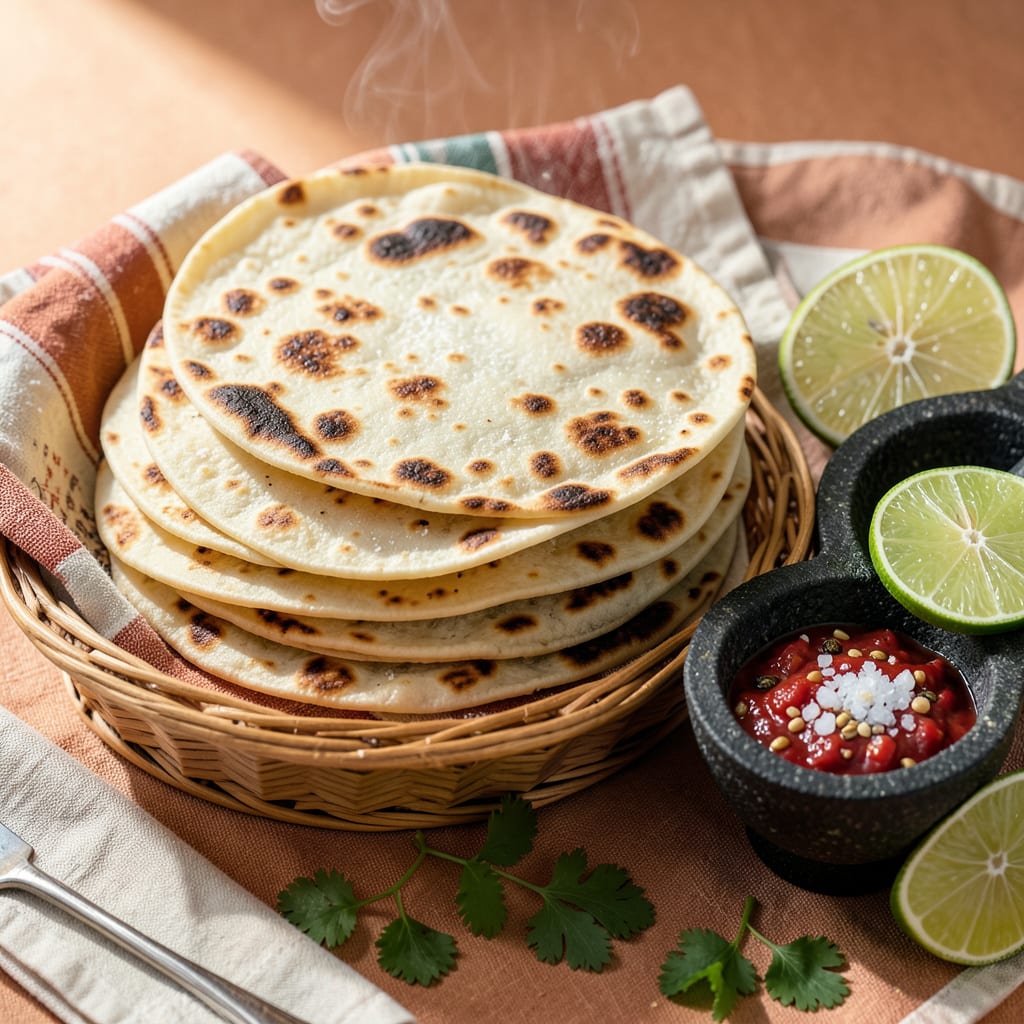
Maseca (corn flour) is the base for countless Mexican dishes. Start with tortillas by mixing 2 cups Maseca, 1.5 cups warm water, and a pinch of salt, then knead into dough. Cook on a hot skillet for 1-2 minutes per side.
This versatile flour unlocks authentic flavors because it’s made from nixtamalized corn, which enhances nutrition and texture. 🔥 I love how it transforms into soft, pliable dough that’s forgiving for beginners—no fancy equipment needed. The secret lies in the hydration level: too little water makes it crumbly, while too much turns it sticky. For best results, let the dough rest 10 minutes before shaping to relax the gluten-free structure.
Beyond tortillas, Maseca shines in tamales, gorditas, and even sweet treats like atole. Its fine grind ensures smooth consistency, unlike regular cornmeal that can be gritty. I always keep a bag handy for quick, homemade meals that taste like they came from a Mexican kitchen. ✨
💡 In This Article
- Why Maseca Works Perfectly for Traditional Mexican Dishes
- 5 Must-Try Maseca Recipes Beyond Tortillas
Why Maseca Works Perfectly for Traditional Mexican Dishes
The magic of Maseca begins with nixtamalization—a 4,000-year-old process where corn is cooked in limewater (calcium hydroxide). This transforms the corn’s structure by breaking down cell walls, making nutrients like niacin more bioavailable. The result? A flour with a finer texture and richer flavor than regular cornmeal, which skips this crucial step. 🔥
Maseca’s particle size (about 0.3mm) creates a silky-smooth dough that’s ideal for masa-based recipes. Compare this to standard cornmeal’s gritty 0.5-1mm particles, and you’ll understand why tamales made with Maseca have that signature tender bite.
The flour’s 10-12% moisture content also means you’ll need less water to achieve perfect dough consistency—typically 1.25-1.5 cups water per 2 cups Maseca for tortillas.
Being naturally gluten-free, Maseca relies on its starch structure rather than gluten proteins for elasticity. When hydrated, the starch granules swell and create a cohesive network that holds together beautifully. This makes it perfect for dishes requiring pliable dough, like pupusas or gorditas, where you need the masa to stretch without tearing. ✨
The pH level of Maseca (around 8.5-9) gives it another advantage: it inhibits microbial growth, extending the shelf life of your prepared dough. This alkaline environment also enhances the corn’s natural sweetness while reducing bitterness. That’s why your homemade tortillas taste more complex than those made with untreated corn flour.
For tamales, Maseca’s fine texture allows it to absorb 1:1 ratio of broth to flour without becoming gummy. The nixtamalization process also gelatinizes the starches, which means they’ll set properly when steamed. This creates that perfect balance between firm enough to hold fillings and soft enough to melt in your mouth. 💫
Pro tip: The resting time (at least 10 minutes) after mixing isn’t just for convenience—it allows the starches to fully hydrate and the dough to relax. This prevents cracking when you roll out tortillas or shape sopes. The difference between rested and unrested dough is like night and day in terms of workability!

- BBQ Sausage Recipe Oven: Smoky Depth Without the Grill - September 28, 2026
- BBQ Chicken Bowl Recipe Rice: Smoky Sweetness Over Fluffy Grains - September 28, 2026
- Beef Cutlet Recipe Ideas: Crispy Breaded Patties With Bold Seasonings - September 28, 2026