
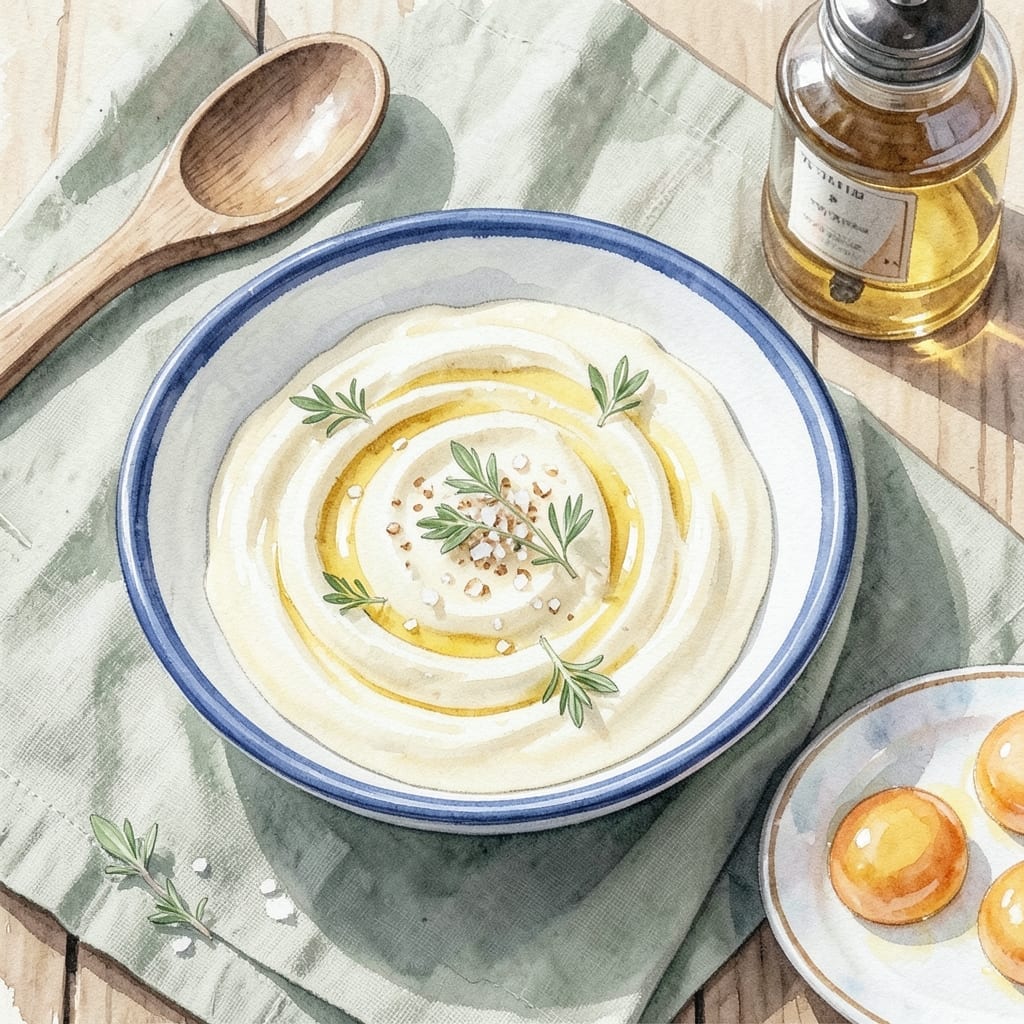
There’s a noticeable difference between store-bought and homemade mayonnaise that’s hard to ignore. This version uses apple cider vinegar for a brighter, more complex tang that elevates every bite.
The process is straightforward, requiring just a few simple ingredients and a bit of patience. The vinegar not only adds flavor but also helps stabilize the emulsion, ensuring a creamy, smooth texture every time.
What you get is a homemade spread with unmatched freshness and depth. It’s versatile enough for sandwiches, dips, or even as a base for dressings.
Make a batch and taste the difference for yourself.
Ingredients for Mayo Recipe with Apple Cider Vinegar
Eight ingredients transform into a creamy, tangy spread with unmatched freshness and depth.
| Ingredient | Amount | Notes |
|---|---|---|
| Large Egg Yolks 🥚 | 2 whole | Room temperature for best emulsion |
| Dijon Mustard 🟡 | 1 tsp | Smooth, not whole grain |
| Apple Cider Vinegar 🍏 | 1 tbsp | Raw, unfiltered preferred |
| Neutral Oil 🫒 | 1 ¼ cups | Light olive or avocado oil |
| Lemon Juice 🍋 | 1 tsp | Freshly squeezed preferred |
| White Sugar 🍚 | ¼ tsp | Fine granulated for dissolving |
| Kosher Salt 🧂 | ½ tsp | Diamond Crystal brand recommended |
| White Pepper ⚪ | 0.125 tsp | Freshly ground preferred |
The vinegar is the flavor backbone here. Bragg Organic apple cider vinegar (the kind with the mother) delivers that bright, complex tang. Room-temperature egg yolks are non-negotiable—they emulsify better. For oil, avocado oil has the highest smoke point, but light olive oil works too. The mustard acts as a secondary emulsifier, so don’t skip it. I prefer Maille Dijon for its smooth, consistent texture.
No apple cider vinegar? White wine vinegar at the same amount gets you close, though the flavor will be sharper. Out of Dijon? Yellow mustard in a pinch, but use half the quantity—it’s more potent. For a sugar-free version, a pinch of stevia works, though the texture might change slightly. The oil must be neutral—extra-virgin olive oil will overpower the delicate balance.
This keeps 1 week in the fridge in a sealed jar. For longer storage, freeze in ice cube trays for up to 3 months. Always bring to room temperature and re-whisk before using. The emulsion might separate slightly—just stir it back together.
Why You’ll Love This Recipe
- Five Minute Mayo: I can blend this together faster than I can dig the store-bought jar out of the fridge.
- Tangy Brightness: The apple cider vinegar and lemon juice give it this zesty kick that outshines any bottled version.
- Spreads Everywhere: It’s my sandwiches, my potato salad, my dipping sauce—no one flavor gets old.
- Pantry Staples Only: Egg yolks, oil, vinegar—I always have these on hand, so fresh mayo is never more than a whisk away.
Step-by-Step Instructions for Homemade Mayo With Apple Cider Vinegar
Master the emulsion technique and you will produce a creamy, stable mayonnaise with professional consistency.
Step 1: Combine Yolks and Acidic Components
In a medium mixing bowl, whisk the 2 whole Large Egg Yolks with the 1 tsp Dijon Mustard, 1 tbsp Apple Cider Vinegar, 1 tsp Lemon Juice, 0.25 tsp White Sugar, 0.5 tsp Kosher Salt, and 0.125 tsp White Pepper until fully integrated. The mustard acts as an emulsifier while the vinegar provides the signature tang.
Ensure the yolk mixture is completely smooth with no visible separation. Room temperature yolks incorporate air more readily, creating a stable base for the oil. This initial emulsion forms the foundation of your entire mixture.
Step 2: Begin the Oil Emulsion Drip by Drip
With the whisk in one hand and the 1.25 cups Neutral Oil in the other, begin adding the oil one drop at a time while whisking vigorously. This slow incorporation is crucial during the first ¼ cup of oil, as it establishes the emulsion.
You will notice the mixture start to thicken and lighten in color as the oil binds with the yolk mixture. If the emulsion begins to separate, stop adding oil and whisk vigorously until it comes back together. Patience during this phase prevents a broken sauce.
Step 3: Gradually Increase Oil Flow
Once the mixture has visibly thickened and you have successfully incorporated about ¼ cup of the Neutral Oil, you can increase the flow to a thin, steady stream while continuing to whisk constantly. The emulsion should now be stable enough to handle a faster addition.
Maintain continuous motion with your whisk, making sure to scrape the sides and bottom of the bowl to incorporate all the mixture. The mayonnaise will become noticeably thicker and develop a pale, creamy appearance as more oil is added.
Step 4: Complete the Emulsion and Adjust Consistency
After all the 1.25 cups Neutral Oil has been incorporated, continue whisking for an additional 30 seconds to ensure complete emulsion. The finished product should be thick enough to hold its shape briefly when the whisk is lifted.
If the mayonnaise appears too thick, whisk in 1 teaspoon of warm water to achieve your desired consistency. Conversely, if it seems too thin, this typically indicates the emulsion wasn’t fully established—continue whisking vigorously until it thickens.
Step 5: Rest and Verify the Final Product
Allow the mayonnaise to rest for 2-3 minutes before using. This brief period lets the flavors meld and the emulsion fully stabilize. The finished product should have a smooth, velvety texture with no visible oil separation.
Taste and adjust seasoning if needed, though be cautious with additional salt as the flavors will intensify slightly after resting. Store in an airtight container in the refrigerator for up to 1 week.
Pro Tips For Making Mayo Recipe With Apple Cider Vinegar
- Drip the Oil: Add the neutral oil in a thin, steady stream—literally drop by drop at first—while whisking like you mean it. I learned this the hard way after ending up with a broken, greasy mess when I poured too fast.
- Room Temp Yolks: Use egg yolks straight from the fridge and they’ll fight you the whole way. Let them sit out for 10-15 minutes first—sounds small, but it actually changes the outcome.
- Skip the Cheap Vinegar: That murky, unfiltered apple cider vinegar with the “mother” looks artisanal but can make your mayo taste harsh. Stick with the clear, pasteurized kind for a cleaner flavor.
- Balance the Acid: Taste before you finish—if the apple cider vinegar is overpowering, a squeeze of lemon juice brightens it up without adding more tang. Sounds weird, but it works.
Best Sauces and Condiments for mayo recipe with apple cider vinegar
Classic BLT Boost
This mayo transforms a standard BLT into something extraordinary. The apple cider vinegar tang cuts through the richness of bacon and complements the crisp lettuce and tomato perfectly. I spread 2 tbsp on each side of toasted sourdough for maximum flavor impact.
Dip for Crudités
Thin it slightly with 1 tsp water and use as a vegetable dip. The bright acidity pairs especially well with carrot sticks, celery, and bell peppers. I always keep a small jar in my fridge for healthy snacking.
Salad Dressing Base
Whisk in 1 tbsp honey and 1 tsp poppy seeds to create a creamy dressing for fruit salads. It works wonders with spinach, strawberries, and goat cheese. The vinegar base keeps it from being cloyingly sweet. 💫
Grilled Cheese Upgrade
Swap plain mayo for this version when making grilled cheese. The apple cider vinegar adds a subtle complexity that elevates sharp cheddar or Gruyère. Spread on the outside of the bread for extra crispiness.
Deviled Egg Filling
Mix 2 tbsp into your deviled egg yolk mixture along with 1 tsp yellow mustard. The tang from the vinegar enhances the eggs beautifully. I always get compliments when I use this twist at potlucks. 🥚
Seafood Companion
This mayo is exceptional with seafood. Try it in tuna salad or as a sauce for fish tacos. The acidity brightens up the rich flavors of the seafood without overpowering it. A squeeze of lemon enhances it further.
Nutrition Facts
Frequently Asked Questions
What can I use instead of apple cider vinegar?
White wine vinegar works best as a substitute in equal amounts. Rice vinegar is another option, though it has a milder flavor. Avoid balsamic vinegar as its strong taste will dominate the mayo.
How do I fix broken mayonnaise?
Start with a fresh 1 egg yolk in a clean bowl. Slowly whisk in the broken mixture 1 tsp at a time until it re-emulsifies. This technique almost always saves it.
Can I make this with a hand mixer?
Yes, but use the lowest speed and add oil very slowly. A whisk gives you more control, especially during the critical first ¼ cup of oil.
How long will this keep in the fridge?
Properly stored in an airtight container, it stays fresh for 1 week. For longer storage, freeze in ice cube trays for up to 3 months.

- BBQ Sausage Recipe Oven: Smoky Depth Without the Grill - September 28, 2026
- BBQ Chicken Bowl Recipe Rice: Smoky Sweetness Over Fluffy Grains - September 28, 2026
- Beef Cutlet Recipe Ideas: Crispy Breaded Patties With Bold Seasonings - September 28, 2026