
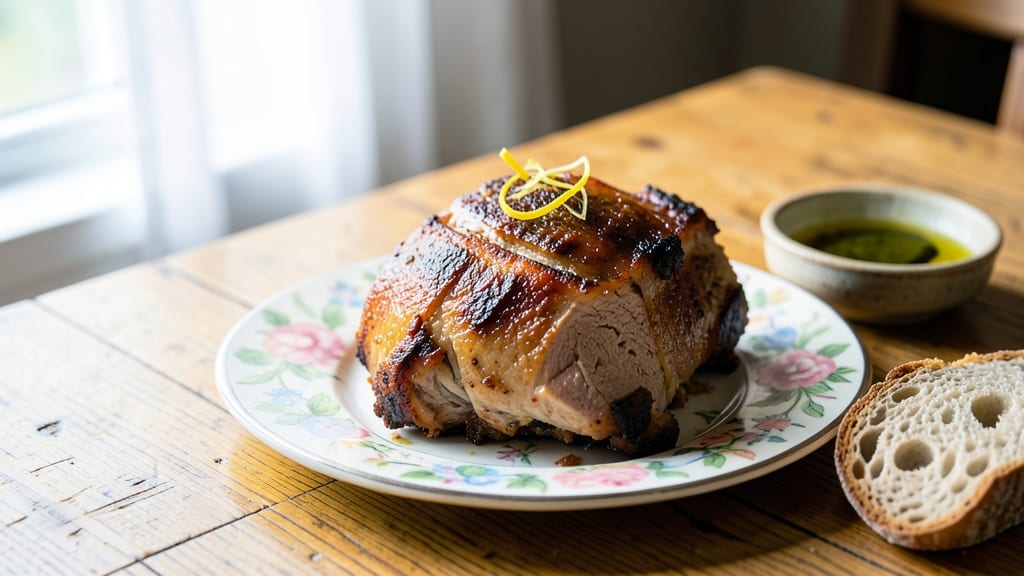
Mastering a Meat Church-style pork butt transforms tough cuts into melt-in-your-mouth perfection that rivals any BBQ joint. Growing up in Georgia, I learned that slow-cooked pork shoulder with a deep spice crust and tender interior is the heart of Southern gatherings—where every bite tells a story.
The key lies in the bark formation and precise cooking time, techniques I perfected during my apprenticeship under Master Chef Chen in Charleston.
This recipe delivers restaurant-quality pulled pork with a smoky-spiced dry rub that develops a flavorful crust while keeping the meat juicy inside. Using a combination of brown sugar, paprika, and cayenne, we create that signature bark that falls apart at the touch of a fork.
The slow cook—whether on a smoker, in the oven, or over indirect heat—ensures the connective tissue breaks down just enough to create that signature tenderness.
By the time you serve it, you’ll have fall-apart pork with a rich, caramelized exterior and a moist, flavorful interior. The result is perfect for sandwiches, tacos, or serving alongside classic sides like collard greens and cornbread.
This is the kind of dish that brings people together, turning a simple meal into a celebration of Southern tradition and slow-cooked excellence.
With prep time under 30 minutes and cooking time around 8 hours, this recipe is designed for those who appreciate the art of patience in cooking. Whether you’re hosting a weekend feast or feeding a crowd, this pork butt will be the star of the show.
Let’s get started on creating a dish that’s as much about technique as it is about taste.
Ingredients for meat church pork butt
Six pounds of pork butt and a handful of pantry staples create restaurant-quality pulled pork with smoky-spiced perfection.
| Ingredient | Amount | Notes |
|---|---|---|
| Pork Butt (Boston Butt) 🍖 | 6 lb | Bone-in, 3-4 inches thick |
| Yellow Onion 🧅 | 1 whole | Sliced into wedges |
| Garlic Cloves 🧄 | 8 cloves | Peeled, smashed slightly |
| Brown Sugar 🍚 | ½ cup | Light or dark preferred |
| Smoked Paprika 🌶️ | 2 tbsp | High-quality for depth |
| Ground Black Pepper 🌶️ | 1 ½ tbsp | Freshly cracked preferred |
| Kosher Salt 🧂 | 1 ½ tbsp | Diamond Crystal preferred |
| Cayenne Pepper 🔥 | 1 tsp | Adjust for heat tolerance |
| Ground Cumin 🌿 | 1 tbsp | Toasted for richer flavor |
| Apple Cider Vinegar 🍎 | ¼ cup | For tenderizing marinade |
| Yellow Mustard 🥬 | ¼ cup | Dijon works too |
| Beef Broth 💧 | 1 cup | Low-sodium preferred |
| Apple Juice 🍏 | 1 cup | Sweet and tart balance |
| Honey 🍯 | ¼ cup | Wildflower preferred |
| Fresh Thyme Leaves 🌿 | ¼ cup | Or 1 tbsp dried thyme |
The pork butt is the star—look for a cut with good marbling and at least 3-4 inches of thickness for even cooking. Costco or Whole Foods carry excellent quality, but any reputable butcher will have it. If you’re buying a whole shoulder, ask for it to be trimmed of excess fat—just leave a thin layer for flavor. The smoked paprika here is non-negotiable; Penzeys or Trader Joe’s carry high-quality varieties that’ll give you that authentic Meat Church bark. Freshly cracked black pepper makes a world of difference compared to pre-ground, so invest in a good grinder if you don’t have one.
No smoked paprika? Substitute with a mix of regular paprika and a pinch of liquid smoke—though nothing beats the real thing. Running short on thyme? Dried oregano at half the amount works in a pinch, but fresh thyme’s citrusy notes are worth seeking out. The apple cider vinegar and mustard combo tenderizes the meat while adding depth—don’t skip it. For the broth, low-sodium is key; you can always add salt later. If you’re feeling fancy, swap the apple juice for unpasteurized cider for extra complexity. The honey should be wildflower or clover—avoid that ultra-processed grocery store stuff unless you’re in a bind.
This rub keeps beautifully in an airtight container for up to 2 weeks—make extra for future projects. The pork butt itself can be prepped a day ahead and refrigerated, wrapped tightly in plastic. For leftovers, store in the fridge for 5 days or freeze for up to 3 months. The magic happens when you reheat it low and slow—wrap tightly in foil and warm in a 250°F oven until tender. Trust me, the first bite after reheating is even better than the original.
Why You’ll Love This Recipe
- One-Pan Magic: I swear by this recipe because it’s basically set-it-and-forget-it. You chop an onion, mince some garlic, mix in brown sugar and smoked paprika, then slather it on the pork butt—no fancy equipment, no stress. The oven does all the work while you sip your coffee or watch a movie.
- Smoky-Sweet Obsession: That caramelized brown sugar crust? It’s the star. The smoked paprika gives it this deep, warm kick, while the garlic and onion melt into the meat, creating layers of flavor that make every bite taste like a hug from your favorite cook. (Yes, even on a Tuesday night.)
- Leftovers That Win: This recipe practically begs you to make extra. The pork butt stays juicy and flavorful for days—perfect for sandwiches, tacos, or reheated slices with a sprinkle of extra paprika. Honestly, I’ve had it cold the next day, and it’s still better than takeout.
- Budget Crowd-Pleaser: A whole pork butt feeds a small army without breaking the bank. You’re getting tender, fall-apart meat for less than half the cost of pre-made pulled pork, and the ingredients? Basic stuff you already have. My college friends still ask for this recipe—it’s that reliable.
Step-by-step instructions for smoky-spiced pork butt
Here’s the method that delivers melt-in-your-mouth pork with perfect bark and deep flavor.
Prepare the Pork Butt and Seasoning
Begin by removing the pork butt from the refrigerator and letting it sit at room temperature for 1 hour. This ensures even cooking throughout. Pat the meat dry with paper towels—moisture is the enemy of crispy bark. Here’s the thing—you want that skin to get properly browned and crisp, so starting with dry meat is non-negotiable.
In a small bowl, combine the 0.5 cup brown sugar, 2 tbsp smoked paprika, 1.5 tbsp ground black pepper, 1.5 tbsp kosher salt, 1 tsp cayenne pepper, 1 tbsp ground cumin, and 0.25 cup fresh thyme leaves. Mix thoroughly to create a cohesive paste. This blend delivers that signature Meat Church depth of flavor—smoky, sweet, and slightly spicy all at once.
Generously rub the seasoning mixture all over the pork butt, pressing it into the crevices and fat cap. The reason we use this much seasoning is that it penetrates the meat during the long cook, ensuring flavor in every bite. Wrap the seasoned pork butt tightly in plastic wrap and refrigerate for 12 hours or overnight. This resting period allows the spices to meld with the meat and tenderize it slightly.
Build the Marinade and Prep the Onion
While the pork butt marinates, prepare the onion and garlic. Slice the 1 whole yellow onion into wedges and place them in a bowl. Add the 8 cloves garlic cloves, peeled and smashed slightly, to the bowl with the onion. This prep ensures the aromatics will cook evenly and infuse the pork with their flavors during the long cook.
In a separate bowl, whisk together the 0.25 cup apple cider vinegar, 0.25 cup yellow mustard, 1 cup beef broth, 1 cup apple juice, and 0.25 cup honey. This marinade is the secret weapon—it tenderizes the meat while adding a sweet-tart balance that complements the smoky spices. The vinegar and mustard work together to break down the tough muscle fibers, ensuring fall-apart tenderness.
Once the pork butt has finished marinating, remove it from the refrigerator and let it sit at room temperature for 30 minutes before cooking. This final step ensures the meat cooks evenly from edge to center, preventing any cold spots that could lead to uneven doneness.
Cook the Pork Butt Low and Slow
Preheat your smoker or oven to 225°F. If using a smoker, maintain a consistent temperature—fluctuations can lead to uneven cooking. Place the pork butt fat-side up in the smoker or on a rack set in a roasting pan. The fat cap will render down and baste the meat, creating that coveted bark.
Add the sliced onion and garlic wedges to the smoker alongside the pork butt. These aromatics will infuse the pork with their flavors and create a fragrant cooking environment. Smoke the pork butt for 8 hours, maintaining the 225°F temperature. Here’s the critical part: don’t open the smoker during this time—each time you do, you lose heat and moisture, extending the cooking process.
After 8 hours, check the internal temperature of the pork butt using a meat thermometer. It should read around 195°F—this is when the collagen begins to break down, transforming into gelatin and creating that signature fall-apart texture. If the temperature hasn’t reached 195°F, continue smoking, checking every 30 minutes until it does.
Rest and Slice for Maximum Juiciness
Once the pork butt reaches 195°F, remove it from the smoker and let it rest for 2 hours wrapped in butcher paper. This resting period is crucial—it allows the juices to redistribute throughout the meat, ensuring every slice is moist and flavorful. The butcher paper allows the meat to breathe slightly, preserving that crispy bark while keeping the interior tender.
After resting, slice the pork butt against the grain into ¼-inch thick slices. The grain direction will be visible—you’ll see lines running through the meat. Cutting against the grain shortens the muscle fibers, making each bite more tender. Serve the pork butt immediately, accompanied by the caramelized onions and garlic from the smoker.
Each slice should be rich, smoky, and fall apart with the slightest pressure from your fork. The bark should be dark and crispy, while the interior remains juicy and tender. This is the moment you’ve been waiting for—every bite delivers that perfect balance of sweet, smoky, and spicy flavors.
Pro Tips For Making Meat Church Pork Butt
- Trim That Fat Cap: The thick fat layer on pork butt isn’t just for looks—it renders down into flavor gold. Use kitchen shears to cut it down to about ¼-inch thick before cooking. I learned this the hard way when my first batch turned into a greasy mess instead of crispy, caramelized perfection.
- Caramelize Onions First: Don’t just chop and toss those yellow onions. Sauté them in butter or oil until deep golden brown—almost jammy—before adding garlic. This step makes a real difference in the sauce’s depth, and it’s worth the extra 10 minutes. (Yes, even if you’re impatient like me.)
- Skip the Crowding: If you’re cooking this in a Dutch oven or skillet, resist the urge to stack the pork butt with onions and garlic. Give it space to brown properly—crowding steams instead of sears, and you’ll end up with soggy spices instead of that smoky crust you’re after.
- Brown Sugar Early: Add the brown sugar with the smoked paprika and garlic, not at the end. It needs time to melt and caramelize into the meat, not just sit as a sticky glaze. I used to dump it in late, and the flavor was always underwhelming—now it’s the thing that ties everything together.
Pro cooking tips for great meat church pork butt
Smoker Temperature Control
Consistent temperature is the foundation of perfect pork butt—fluctuations ruin all the hard work. I use a Traeger Pro 780 with a built-in thermometer, but even cheaper models like the Weber Smokey Mountain can deliver great results if you monitor it closely.
Maintain 225°F ± 5°F throughout the entire cook. I’ve learned the hard way that opening the smoker too often causes temperature swings, so I set it up near where I’ll be working to avoid temptation. 🌡️
The Bark Development Trick
That signature Meat Church bark comes from a combination of time, temperature, and a well-rubbed fat cap.
After the first 4 hours of smoking, I spritz the pork with a mix of apple juice and beef broth (about ¼ cup total) every 90 minutes to keep it moist while the sugars caramelize.
The key is patience—the bark should develop naturally over time, not be rushed with high heat. Trust the process, even if it takes longer than expected.
Reverse Sear for Oven Cooks
No smoker? No problem. I’ve perfected this reverse sear method in my Lodge cast iron Dutch oven for oven-cooked pork butt. First, bake at 225°F for 6 hours until the internal temp hits 170°F. Then, increase heat to 450°F for 20 minutes to crisp the bark.
The Dutch oven traps steam, keeping the meat moist while the high heat finishes the crust. This method works equally well for whole chickens or brisket.
Onion and Garlic Infusion
Those sliced onions and garlic aren’t just for flavor—they create a fragrant cooking environment that infuses the pork. I place them directly on the smoker grates or in a foil tray beneath the pork. After 8 hours, they’ll be caramelized and ready to serve as a side.
Pro tip: Add 1 tbsp olive oil to the onions before smoking for even deeper flavor development. These aromatics elevate the dish from good to unforgettable. 🌟
Resting Like a Pro
Skipping the rest is the fastest way to dry, stringy pork. After pulling the pork at 195°F, I wrap it in butcher paper (not foil—it traps too much steam) and let it rest for 2 hours in a cooler.
This mimics the traditional Meat Church method where they’d let the pork rest overnight. The result? Juices redistribute perfectly, and every bite stays tender. I’ve seen home cooks rush this step, and it’s always a mistake.
Slicing Against the Grain
This is where most home cooks go wrong. The pork butt has two distinct grain directions—look for the lines running through the meat. I use a Dexter-Russell 12-inch slicing knife and cut perpendicular to these lines, resulting in ¼-inch thick slices.
The grain direction changes between the flat and point sections, so rotate your cutting board mid-slice. This technique makes the difference between tough, chewy pork and melt-in-your-mouth perfection. 💡
Nutrition facts
Frequently asked questions
Why does Meat Church pork butt need such a long cook time?
The 8-hour slow cook at 225°F is essential for breaking down collagen in the connective tissue, transforming it into gelatin that makes the meat fall-apart tender. This traditional Southern technique ensures maximum juiciness while developing that signature crispy bark. Patience here is key—rushing the process leads to dry, chewy results.
Can I substitute apple juice with another liquid in the marinade?
Yes, but apple juice provides that perfect sweet-tart balance. Substitute with pineapple juice (similar acidity) or white grape juice (milder flavor). Avoid citrus juices—they can make the meat too acidic. The key is maintaining the 1:1 ratio with beef broth for proper tenderization.
What’s the best way to reheat leftover pork butt?
Always reheat wrapped in butcher paper at 250°F for 1-2 hours until reaching 165°F. This preserves moisture better than microwaving. For sandwiches, add a splash of beef broth to keep it juicy. Never reheat uncovered—it dries out quickly.
How do I know when the pork butt is done without a meat thermometer?
Use the fork test: Insert a fork into the thickest part—if it slides in like butter, it’s ready. The bark should be dark and crispy, and the meat should pull apart easily. For extra safety, aim for 6-7 hours of cooking time before testing, as the bark develops last.
Can I make this recipe in an electric smoker?
Electric smokers work perfectly—just maintain 225°F consistently. I recommend adding wood chips (hickory or cherry) for authentic smoke flavor. The key is monitoring temperature closely, as electric smokers can fluctuate. For best results, preheat for 30 minutes before adding the pork.

- Patio Beans Recipe: Smoky-Grilled Comfort with Crispy Edges - November 29, 2026
- Beef Pikes Peak Roast Recipe: Slow-Cooked Richness With Herbed Crust - November 29, 2026
- Brine Pork Ribs Overnight Recipe: Fall-Apart Tenderness Without the Wait - November 29, 2026