
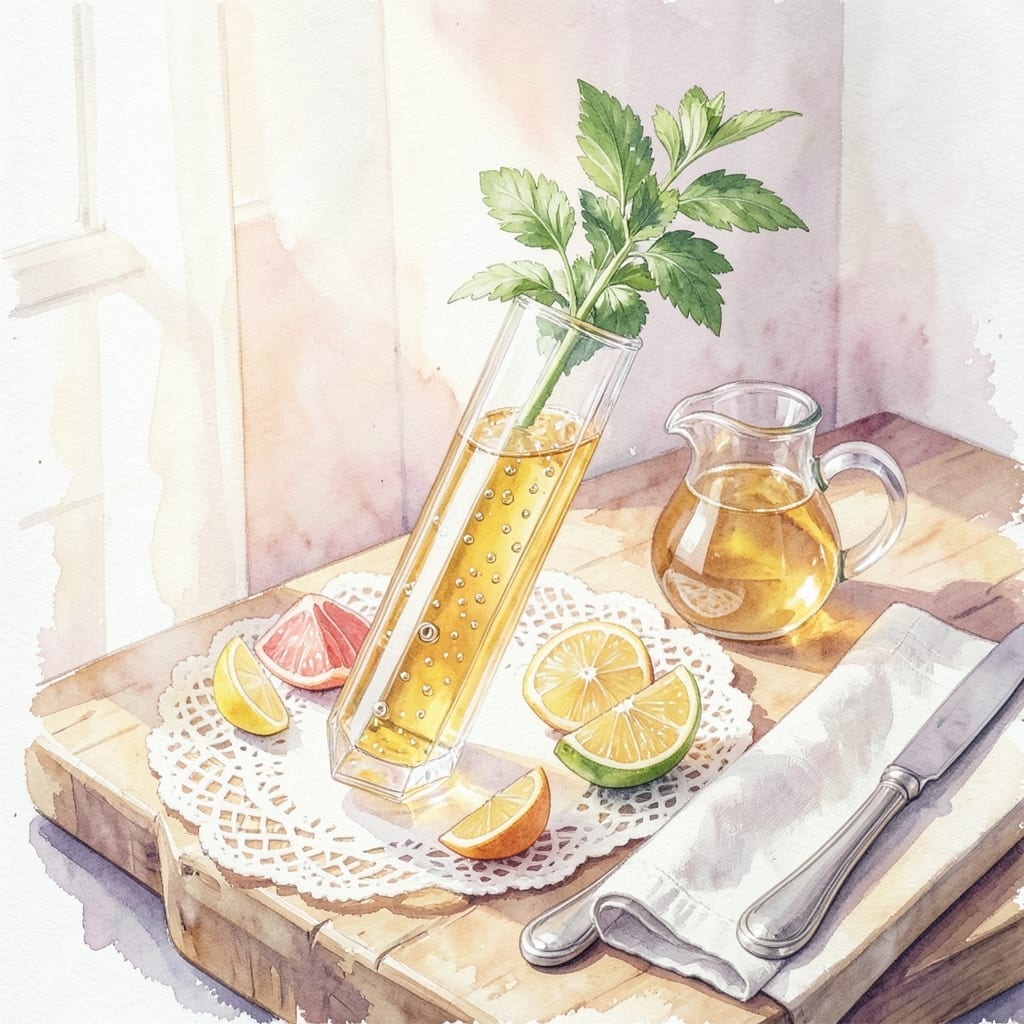
I developed this sparkling alternative after realizing many people want that classic mimosa experience without the orange flavor. This version delivers the same festive effervescence and bright citrus notes using easily accessible ingredients.
The key is selecting a citrus juice with enough acidity and sweetness to balance the champagne. I recommend grapefruit or pineapple juice for their complex flavors that pair beautifully with sparkling wine. The ratio remains simple: equal parts juice to bubbly.
What results is a refreshing drink with the same celebratory feel as the original. The bubbles rise through the citrus, creating that signature mimosa presentation without the traditional orange taste.
Perfect for brunches, celebrations, or whenever you want a special morning treat. Here’s how to make it.
Ingredients for Mimosa Recipe Without Orange Juice
A few fresh ingredients create this sparkling brunch alternative with vibrant citrus flavors.
| Ingredient | Amount | Notes |
|---|---|---|
| Chilled Champagne 🥂 | 1 cup | Or dry sparkling wine |
| Grapefruit Juice 🍊 | 1 cup | Freshly squeezed preferred |
| Pineapple Juice 🍍 | 0 cup | Optional alternative to grapefruit |
| Fresh Lime Juice 🍈 | 1 tbsp | For added brightness |
| Simple Syrup 🍯 | ½ tbsp | Adjust to taste |
| Ice Cubes ❄️ | 4 pieces | For chilling glasses |
| Fresh Mint Sprigs 🌿 | 2 pieces | For garnish |
| Lime Wheels 🍋 | 2 slices | For garnish |
The juice is everything here. Fresh-squeezed grapefruit from Whole Foods or your local market gives the best acidity and complexity. If grapefruit isn’t your thing, pineapple juice (look for 100% juice, no added sugar) works beautifully too. The champagne should be dry—brut or extra brut—to balance the juice’s sweetness. I always keep a bottle of Freixenet on hand for mimosas.
No grapefruit juice? Pineapple or even blood orange juice (if you’re avoiding traditional orange flavor) makes a great swap. Want it sweeter? Add more simple syrup to taste. The lime juice is optional but brightens everything up—fresh only, no bottled stuff. If you’re making a batch, use one-third the amount of lime juice compared to your total citrus juice volume.
Best served immediately, but you can prep the juice mix 1 day ahead. Store in an airtight container in the fridge. The champagne? Keep it chilled until ready to pour. Leftovers (if any) lose their bubbles fast—drink within 2 hours for best effervescence.
Why You’ll Love This Recipe
- Five-Minute Mix: I just pour, stir, and serve—no juicing oranges or messy prep, just chilled Champagne and the juices straight from the fridge.
- Tropical Zing: The grapefruit and pineapple bring this bright, tangy kick that’s way more interesting than plain orange juice, and the lime ties it all together.
- Brunch or Midnight: Honestly, I’ve served this at 10 a.m. and at a late-night toast—it works for any get-together, big or small.
- No Waste: If I make too much, the leftovers keep in the fridge for a day and still taste spot-on for a quick evening pick-me-up.
Step-by-Step Instructions for Mimosa Recipe Without Orange Juice
Here’s how I create this refreshing twist on a classic brunch cocktail.
Step 1: Chill Your Glassware and Champagne
Place 4 pieces ice cubes in two champagne flutes to chill them thoroughly. This step ensures your drink stays cold longer and maintains its effervescence. While the glasses chill, make sure your 1 cup Chilled Champagne is properly refrigerated—it should be ice-cold to the touch.
I always recommend using dry sparkling wine if you don’t have champagne on hand. The key is that it must be well-chilled; warm bubbly will make your cocktail flat and unappealing. Let the glasses chill for at least 2-3 minutes before assembling.
Step 2: Prepare the Grapefruit Base
In a small pitcher, combine 1 cup Grapefruit Juice with 1 tbsp Fresh Lime Juice and 0.5 tbsp Simple Syrup. Stir gently but thoroughly until the simple syrup is completely dissolved. Freshly squeezed grapefruit juice makes a noticeable difference here—it has a brightness that bottled versions lack.
Taste the mixture and adjust the sweetness if needed. The grapefruit’s natural tartness should be balanced but not overwhelmed by the syrup. Remember, the champagne will add its own dryness to the final drink, so err slightly on the sweeter side with this base mixture.
Step 3: Assemble the Cocktail
Remove the 4 pieces ice cubes from your chilled flutes and discard them. Pour the grapefruit mixture evenly between the two glasses, filling each about one-third full. The cold glass will keep the drink chilled as you work.
Slowly top each glass with 1 cup Chilled Champagne, pouring down the side of the glass to preserve as many bubbles as possible. Divide the champagne evenly between both servings. Watch as the drink develops a beautiful gradient from the deep pink grapefruit at the bottom to the pale champagne at the top.
Step 4: Garnish and Serve Immediately
Add 2 slices Lime Wheels and 2 pieces Fresh Mint Sprigs as garnish, placing one of each in every glass. The lime adds a final citrus note while the mint provides a fresh aromatic element that complements the grapefruit beautifully.
Serve immediately while the bubbles are still active. The ideal serving temperature is ice-cold, so if you’re not serving right away, you can briefly return the glasses to the refrigerator. But remember, the longer it sits, the flatter it becomes—this is a drink meant to be enjoyed fresh.
Pro Tips For Making Mimosa Recipe Without Orange Juice
- Chill the Champagne: Use ice-cold Champagne—any warmer and the drink loses its crisp effervescence, making it taste flat. I learned this the hard way after serving a lukewarm batch at brunch.
- Strain the Juices: Run the grapefruit and pineapple juices through a fine-mesh strainer to remove pulp. Sounds fussy, but it makes the texture silky smooth, especially if using fresh-pressed.
- Skip the Overmixing: Stir just enough to combine—overmixing kills the bubbles and turns your mimosa dull. A gentle swirl with a spoon is all it needs.
- Adjust the Sweetness: Taste before serving and add simple syrup gradually—grapefruit juice can be bitter, and pineapple varies in sweetness. I usually start with 1 teaspoon per glass and go from there.
Common Mistakes When Making This Recipe
Over-Sweetening the Mix
Grapefruit juice can be quite tart, but resist the urge to over-sweeten your base. Start with ½ tbsp simple syrup and taste before adding more. Too much sugar will overpower the champagne’s dryness and create an unbalanced drink. 💡
Using Warm Champagne
Always use ice-cold champagne—this is non-negotiable. Warm bubbly will make your cocktail flat and unappealing. I keep my Freixenet in the fridge for at least 3 hours before serving. The cold temperature preserves the bubbles and enhances the flavors.
Skipping the Glass Chill
Chilling your flutes with 4 ice cubes for 2-3 minutes is essential. A cold glass keeps your drink frosty and maintains effervescence longer. I’ve found this small step makes a noticeable difference in the final presentation.
Pouring Champagne Too Fast
When adding champagne, pour slowly down the side of the glass. A fast pour will cause excessive foam and lose too many bubbles. This gentle technique helps preserve the drink’s signature fizz and creates that beautiful layered effect.
Ignoring Freshness
This cocktail is best enjoyed immediately after assembling. The bubbles start dissipating within 2 hours, and the flavors change as it sits. If you must prep ahead, mix the juice base only and add champagne right before serving.
Wrong Juice Choice
Avoid bottled grapefruit juice with added sugars or preservatives. Fresh-squeezed from Whole Foods or your local market gives the clean, bright flavor this drink deserves. Pineapple juice works too, but choose 100% juice with no added sweeteners.
Nutrition Facts
Frequently Asked Questions
Can I use other citrus juices besides grapefruit?
Pineapple juice works beautifully for a sweeter version. Blood orange juice also adds a unique depth while keeping the citrus profile. Just avoid overly pulpy options.
Why does the champagne need to be ice-cold?
Cold champagne preserves the bubbles and enhances the flavors. Warm bubbly goes flat quickly and tastes dull. Chill for at least 3 hours before using.
How can I make this sweeter without simple syrup?
Try adding 1 tsp honey or agave to the juice base instead. Stir well to dissolve completely. Taste before assembling to adjust sweetness.
Can I prepare this ahead of time?
Mix the juice base up to 1 day ahead and refrigerate. But add champagne just before serving to maintain bubbles and freshness.

- BBQ Sausage Recipe Oven: Smoky Depth Without the Grill - September 28, 2026
- BBQ Chicken Bowl Recipe Rice: Smoky Sweetness Over Fluffy Grains - September 28, 2026
- Beef Cutlet Recipe Ideas: Crispy Breaded Patties With Bold Seasonings - September 28, 2026