
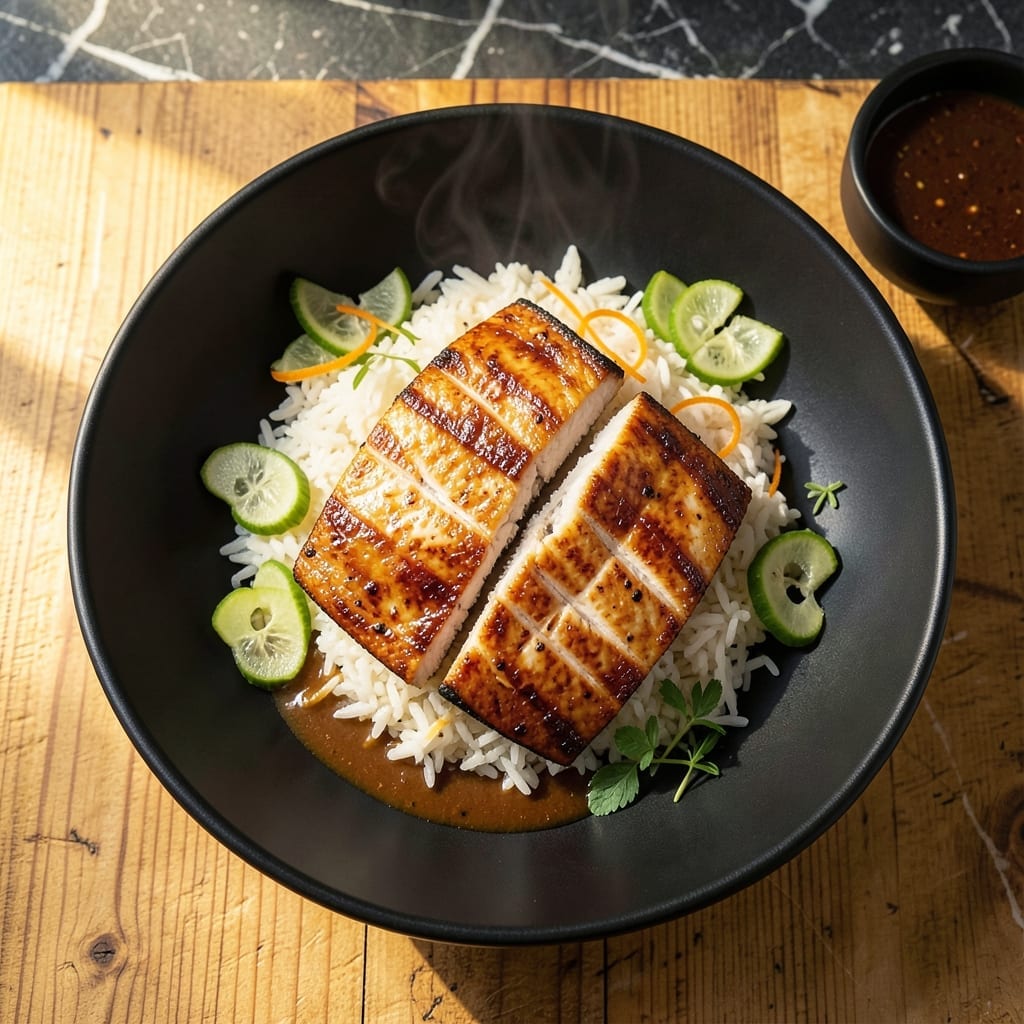
This miso-glazed mahi mahi transforms a simple fillet into a restaurant-quality dish with minimal effort. The secret lies in the balance of sweet, salty, and umami flavors from the miso marinade.
I developed this method to ensure the fish stays moist while achieving a beautiful caramelized crust. A quick marinate and high-heat sear deliver perfectly cooked results every time.
What emerges is tender, flaky mahi mahi with a glossy, savory glaze that pairs beautifully with steamed rice and roasted vegetables. The miso adds depth without overpowering the fish’s natural flavor.
This dish proves that elegant meals don’t require complicated techniques. Ready in under 30 minutes, it’s ideal for weeknight dinners or impressing guests.
Ingredients for Miso Mahi Mahi
Transform simple fillets into restaurant-quality miso-glazed mahi mahi with these balanced ingredients.
| Ingredient | Amount | Notes |
|---|---|---|
| Mahi Mahi Fillets 🐟 | 1 ½ lb | Skinless, about 1-inch thick |
| White Miso Paste 🥣 | ½ cup | Fermented, smooth variety |
| Soy Sauce 🫒 | 3 tbsp | Low-sodium for balance |
| Honey 🍯 | 2 tbsp | Pure, unprocessed preferred |
| Rice Vinegar 🍶 | 1 tbsp | Seasoned or unseasoned |
| Fresh Ginger 🌿 | 1 tbsp | Peeled, finely grated |
| Garlic Cloves 🧄 | 3 cloves | Peeled, minced |
| Sesame Oil 🫒 | 1 tsp | Toasted for nutty flavor |
| Vegetable Oil 🫒 | 2 tbsp | High smoke point for searing |
| Green Onions 🧅 | 4 whole | Thinly sliced for garnish |
| Sesame Seeds 🌾 | 1 tsp | Toasted for garnish |
| Steamed Rice 🍚 | 2 cups | Cooked, for serving |
| Lime 🍈 | 1 whole | Cut into wedges for serving |
The mahi mahi is the star—fresh, never frozen fillets ensure the best texture and flavor. Look for sushi-grade quality at Whole Foods or a trusted seafood counter. The fillets should be about 1-inch thick for even cooking. Miso paste varies in saltiness, so white miso (shiro) is ideal for this glaze. It’s milder and sweeter than red or awase miso, which can overpower the dish.
No white miso? Yellow miso works in a pinch but reduce the soy sauce slightly. Honey can be swapped for maple syrup or agave—both add sweetness but lack honey’s depth. If you’re avoiding gluten, use tamari instead of soy sauce. Fresh ginger and garlic are non-negotiable for the marinade’s aromatic base, but paste versions in tubes (from Gourmet Garden) are acceptable if you’re short on time.
The marinade keeps for 3 days in the fridge, but the fish should be marinated and cooked the same day. Leftover cooked mahi mahi stores well for 2-3 days—reheat gently to preserve moisture. Toast sesame seeds just before serving for maximum crunch and aroma.
Why You’ll Love This Recipe
- 20-Minute Dinner: I can get this from fridge to table faster than takeout arrives. Just mix the miso, honey and vinegar while the fish sears.
- Umami Bomb: White miso and soy sauce create that deep, savory-sweet glaze that makes every bite ridiculous. The rice vinegar adds just the right tang.
- Meal Prep Hero: It reheats beautifully, so I make extra for lunches. The flavors actually get better overnight.
- Budget Luxury: Mahi mahi feels fancy, but it’s often cheaper than salmon. A little miso paste goes a long way too.
Step-by-Step Instructions for Miso-Glazed Mahi Mahi
Master the technique for restaurant-quality results with this flavorful, foolproof method.
Step 1: Prepare the Umami-Packed Marinade
In a medium bowl, whisk together the 0.5 cup white miso paste, 3 tbsp soy sauce, 2 tbsp honey, 1 tbsp rice vinegar, 1 tbsp fresh ginger, and 3 cloves garlic cloves until smooth. The miso should fully dissolve into the liquids, creating a thick, glossy paste.
Stir in the 1 tsp sesame oil last—this preserves its delicate nutty aroma. I always taste the marinade at this stage to ensure the balance of sweet, salty, and umami is perfect. The mixture should coat the back of a spoon with a rich, velvety texture.
Step 2: Marinate and Sear the Mahi Mahi
Pat the 1.5 lb mahi mahi fillets completely dry with paper towels to ensure proper browning. Place them in a shallow dish and coat evenly with half the marinade, reserving the rest for basting. Let them marinate at room temperature for 15-20 minutes—no longer, as the acid in the marinade can start to “cook” the fish.
Heat the 2 tbsp vegetable oil in a large skillet over medium-high heat until it shimmers but doesn’t smoke. Add the fillets and sear undisturbed for 3-4 minutes per side until golden brown and the fish releases easily from the pan. The crust should form a beautiful caramelized layer from the marinade sugars.
Step 3: Baste and Finish the Cooking
Reduce heat to medium and add the remaining marinade to the skillet. Tilt the pan slightly and baste the fillets continuously with the hot marinade for 1-2 minutes. This creates a glossy, sticky glaze that clings to the fish.
Cook until the mahi mahi reaches an internal temperature of 145°F and flakes easily with a fork. The flesh should turn from translucent to opaque and pull apart gently when tested with a fork. Avoid overcooking—mahi mahi dries out quickly once it passes this point.
Step 4: Garnish and Serve
Transfer the fillets to a serving platter and let them rest for 2-3 minutes. This brief rest allows the juices to redistribute, ensuring moist, tender flesh. While the fish rests, slice the 4 whole green onions thinly on the diagonal for an elegant presentation.
Drizzle any remaining pan sauce over the fillets and sprinkle with the sliced green onions and 1 tsp sesame seeds. Serve immediately over 2 cups steamed rice with 1 whole lime cut into wedges on the side. The bright acidity of the lime perfectly cuts through the rich, savory glaze.
Pro Tips For Making Miso Mahi Mahi
- Pat Dry the Fish: I learned this the hard way—wet mahi mahi steams instead of searing. Use paper towels and press firmly to remove all moisture before applying the miso glaze.
- Balance the Glaze: White miso can overpower, so mix 3 tablespoons miso with 1 tablespoon each of honey and rice vinegar to cut the saltiness. I was skeptical until I tried it.
- Skip the Overcooking: Mahi mahi turns rubbery fast. Pull it off the heat when it hits 130°F internally—it’ll rise to 135°F while resting.
- Use a Hot Pan: Sounds obvious, but a screaming-hot pan for 2-3 minutes per side gives that golden crust without drying out the fish. About 2 tablespoons of oil—enough to coat the bottom.
Common Mistakes When Making Great miso mahi mahi
Over-Marinating the Fish
Never let mahi mahi sit in the miso marinade for more than 20 minutes. The salt and enzymes in miso will start to break down the fish, turning it mushy. I learned this the hard way with my first batch—what should have been tender became unpleasantly soft. 💡
Skipping the Dry Pat
Always pat the fillets completely dry before marinating. Excess moisture prevents proper browning and creates steam, which makes the fish boil instead of sear. Use paper towels and press firmly to remove all surface moisture.
High Heat Mistakes
Don’t use high heat throughout cooking. Start with medium-high for searing, then reduce to medium when basting. Too much heat burns the honey in the marinade, creating a bitter, blackened crust instead of a glossy glaze.
Overcrowding the Pan
Cook the fillets in batches if needed. Crowding lowers the pan temperature, causing the fish to steam and stick. Leave at least 1 inch between pieces for proper browning and even cooking.
Ignoring Internal Temp
Mahi mahi cooks fast—pull it at exactly 145°F internal temperature. Use an instant-read thermometer in the thickest part. Even 1 minute too long can dry out this lean fish. The flesh should flake but still look slightly translucent in the center.
Skipping the Rest
Let the fish rest for 2-3 minutes after cooking. This allows juices to redistribute, keeping the fillets moist. Cutting too soon causes all those precious juices to spill onto the cutting board. 💫
Nutrition Facts
Frequently Asked Questions
Can I use a different type of fish?
Yes! Firm white fish like halibut or cod work well. Avoid delicate fish like tilapia as they may fall apart during cooking.
How do I know when the fish is done?
Use a thermometer to check for 145°F internally. The flesh should flake easily with a fork and turn opaque.
Can I make the marinade ahead?
The marinade keeps for 3 days refrigerated. Store in an airtight container and whisk before using.
What if I don’t have white miso?
Yellow miso works as a substitute. Reduce soy sauce slightly as yellow miso is saltier.

- BBQ Sausage Recipe Oven: Smoky Depth Without the Grill - September 28, 2026
- BBQ Chicken Bowl Recipe Rice: Smoky Sweetness Over Fluffy Grains - September 28, 2026
- Beef Cutlet Recipe Ideas: Crispy Breaded Patties With Bold Seasonings - September 28, 2026