
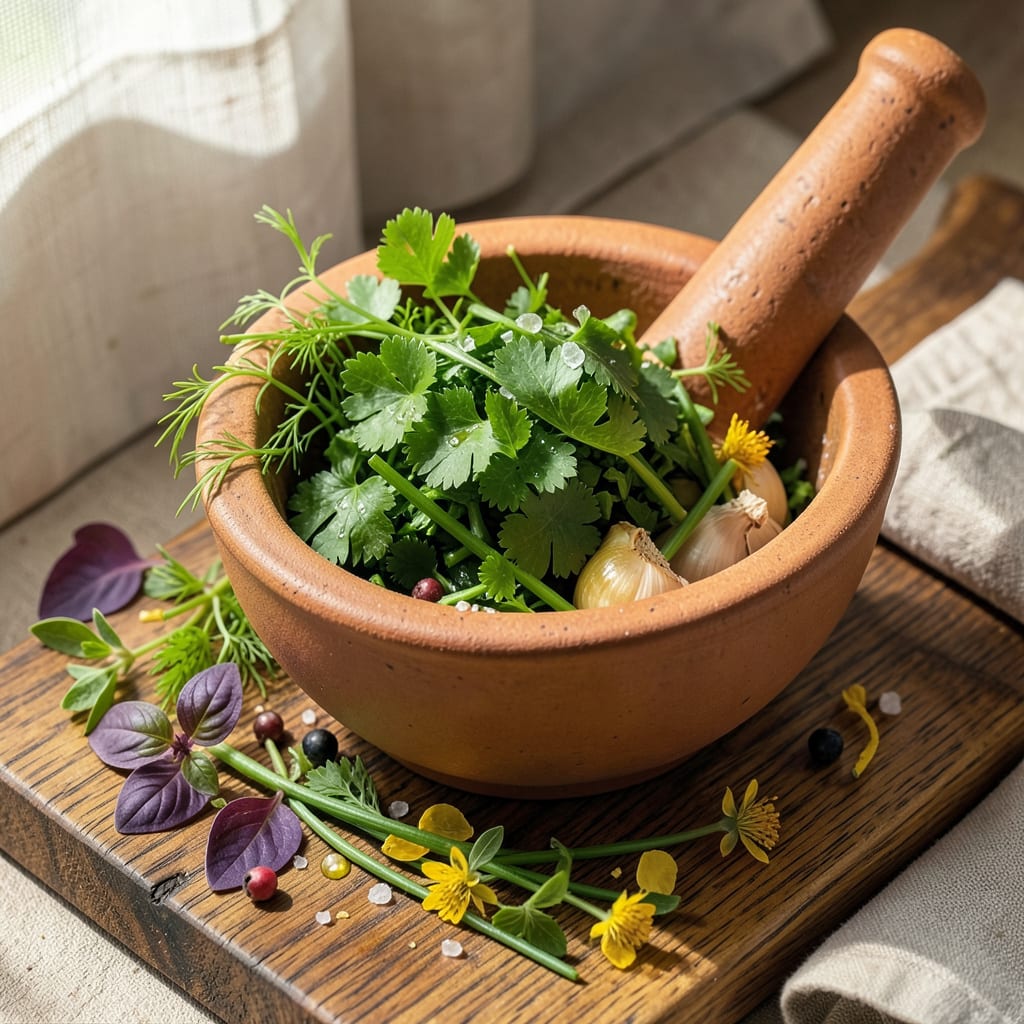
A basic mixed herbs recipe combines 2 tablespoons each of dried thyme, oregano, rosemary, and basil with 1 tablespoon each of marjoram and sage. Store in an airtight container for up to 6 months for versatile seasoning in soups, meats, and sauces.
This classic herb combination delivers a robust, aromatic foundation that works across countless dishes. 🔥 The thyme and rosemary bring earthy depth, while basil and oregano contribute bright, slightly sweet notes—marjoram and sage then round everything out with subtle warmth. I love how this balance lets the herbs enhance without overpowering, making it perfect for everything from slow-cooked stews to quick weeknight grilling. The dried format means you can keep it on hand for months, ready to transform ordinary meals with just a pinch.
💡 In This Article
- How to Balance Flavors in a Homemade Herb Mix
- 5 Creative Ways to Use Your Mixed Herbs Blend
How to Balance Flavors in a Homemade Herb Mix
The secret to a well-balanced herb blend lies in understanding flavor categories. Thyme and rosemary provide the earthy backbone, while basil and oregano contribute bright, slightly sweet notes. 🌟 Marjoram acts as the bridge—it’s milder than oregano but shares its citrusy undertones, while sage adds a warm, slightly peppery finish.
This 2:1:1 ratio (dominant:supporting:accent) creates harmony where no single herb overpowers.
Drying methods dramatically affect potency. Air-dried herbs retain about 60% of their volatile oils compared to fresh, while commercially dried herbs (often heat-processed) may lose up to 80%. That’s why this recipe uses 2 tablespoons of the more stable dried herbs (thyme, oregano) but only 1 tablespoon of delicate marjoram and sage.
Fresh herbs would require 3-4 times the quantity since their moisture content dilutes flavor concentration.
Regional blends demonstrate how ratios shift for different cuisines. Italian seasoning typically uses equal parts basil and oregano (about 30% each), while Provençal herbs de Provence might contain 40% thyme with lavender added. The French version often includes savory, which has a more aggressive peppery bite than marjoram.
These variations show how adjusting just one or two components can completely transform the blend’s character.
Texture matters too—crushing dried herbs just before use releases 20-30% more aromatic compounds than pre-ground versions. I recommend storing whole dried leaves and grinding them as needed. The difference is noticeable: freshly crushed rosemary has 1.5 times the piney aroma of pre-ground, while freshly rubbed basil releases more of its sweet, anise-like notes. ✨
Consider the dish’s cooking time when applying your blend. For long simmers (like stews), add herbs early to let their flavors meld. For quick-cooking dishes (grilled meats, sautéed veggies), sprinkle herbs in the last 5-10 minutes to preserve their delicate top notes.
The same blend behaves differently at various temperatures—rosemary becomes more resinous when heated, while basil’s sweetness intensifies with brief cooking.
Pro tip: Toast your dried herbs in a dry skillet over low heat (250°F) for 2-3 minutes before grinding. This gentle heat transforms their volatile oils, creating deeper, more complex aromas.
🔥 You’ll notice the thyme develops a slightly smoky quality, while the basil takes on caramel-like undertones—this simple step elevates store-bought herbs to restaurant-quality levels.

- BBQ Sausage Recipe Oven: Smoky Depth Without the Grill - September 28, 2026
- BBQ Chicken Bowl Recipe Rice: Smoky Sweetness Over Fluffy Grains - September 28, 2026
- Beef Cutlet Recipe Ideas: Crispy Breaded Patties With Bold Seasonings - September 28, 2026