
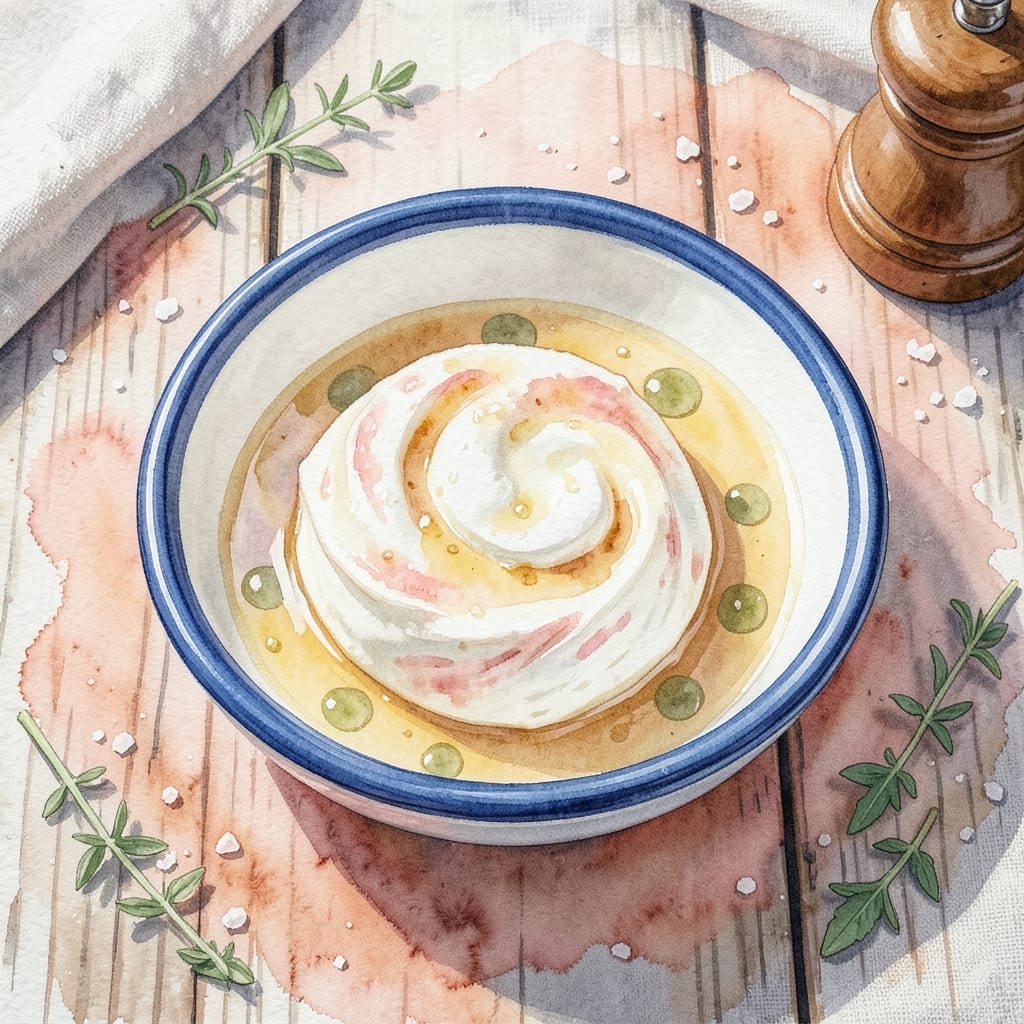
Making fresh mozzarella at home is easier than you think, and this method using vinegar delivers restaurant-quality results in under an hour. The process transforms simple milk into soft, stretchy curds that are ready to enjoy immediately.
This technique relies on acid coagulation, where vinegar gently separates the milk into curds and whey. The key is maintaining precise temperatures and working quickly once the curds form. No special equipment is required—just a thermometer and some patience.
You’ll end up with smooth, mild cheese that’s perfect for salads, pizzas, or eating fresh. The texture is soft and slightly elastic, just like the mozzarella you’d find at a specialty market.
The best part? You control the ingredients, so there are no preservatives or additives—just pure, fresh cheese.
Ingredients for Mozzarella Cheese Recipe with Vinegar
Whole milk, vinegar, and a few key additions transform into smooth, fresh mozzarella at home.
| Ingredient | Amount | Notes |
|---|---|---|
| Whole Milk 🥛 | 1 cup | Not ultra-pasteurized, full-fat preferred |
| White Vinegar 💧 | ⅓ cup | Distilled, 5% acidity |
| Citric Acid 🍋 | 1 ½ tsp | Dissolved in 1/4 cup water |
| Rennet 🧪 | ¼ tsp | Vegetarian rennet or liquid rennet |
| Cheese Salt 🧂 | 1 tsp | Non-iodized, fine grain |
| Ice Cubes ❄️ | 4 cups | For ice bath |
| Cold Water 💧 | 4 cups | For stretching curds |
| Heavy Cream 🥛 | ¼ cup | Optional, for richer texture |
| Calcium Chloride 🧪 | 0.125 tsp | Dissolved in 1/4 cup water, optional |
The milk quality is non-negotiable here. Whole, non-ultra-pasteurized milk from a trusted dairy gives the best curd formation. I grab mine from Whole Foods or a local dairy farm—avoid the ultra-pasteurized stuff at regular supermarkets (it won’t set properly). Citric acid is easy to find in the canning section at most grocery stores, but Amazon has bulk options if you plan to make this often.
No citric acid? Lemon juice works in a pinch, but the flavor might be slightly tangier. Skipping rennet? Liquid rennet is more precise than tablets, but either works—just check the label for vegetarian rennet. Calcium chloride helps firm up the curds, especially with store-bought milk, but it’s optional. If you’re using raw milk (lucky you!), you can skip the calcium chloride entirely (the good stuff, not the pre-processed kind).
Fresh mozzarella is best eaten within 3-4 days, stored in its whey or lightly salted water in the fridge. For longer storage, freeze for up to 1 month—though the texture changes slightly. The curds will keep in whey for 1 week if you’re not stretching them right away.
Why You’ll Love This Recipe
- No-Fuss Process: I just heat the milk, add vinegar and citric acid, and watch the curds form—no fancy equipment needed.
- Fresh, Tangy Bite: The white vinegar gives it that signature mild zing that makes homemade mozzarella taste so much brighter than store-bought.
- Weeknight Hero: Honestly, I toss this on pizzas, caprese salads, or even straight off the knife—it disappears fast.
- Budget Friendly: A gallon of whole milk turns into a pound of cheese for a fraction of what artisanal mozzarella costs at the market.
Step-by-Step Instructions for Mozzarella Cheese With Vinegar
Here’s the method. Straightforward, tested, works every time.
Step 1: Acidify the Milk and Add Rennet
In a stainless steel pot, pour the 1 cup whole milk and stir in the 1.5 tsp citric acid dissolved in ¼ cup water. Heat over medium-low until the mixture reaches 90°F—you’ll notice it starts to look slightly curdled.
At this point, add the 0.25 tsp rennet (dissolved in ¼ cup water if using liquid rennet) and stir gently for 30 seconds. Cover and let sit undisturbed for 5 minutes to form a clean break curd. Real talk: if it doesn’t set, your milk might be ultra-pasteurized.
Step 2: Cut and Cook the Curds
Once the curd has formed, cut it into ½-inch cubes using a long knife. I know it seems weird, but you want uniform pieces for even cooking. Heat the curds and whey to 105°F over medium heat, stirring gently to prevent sticking.
Maintain this temperature for 5-10 minutes until the curds firm up and release more whey. The curds should look like scrambled eggs but feel slightly springy when pressed. This is the moment that matters: don’t rush it, or your cheese will be too soft.
Step 3: Drain and Stretch the Curds
Drain the curds in a colander, then transfer them to a microwave-safe bowl. Microwave for 30 seconds and add the 0.33 cup white vinegar—this helps with stretchiness. Gloves on, knead the curds until smooth and elastic. Here’s the thing—if they’re too hot, they’ll be sticky; too cool, they’ll be crumbly.
If the curds won’t stretch, microwave for another 15-30 seconds and try again. I’ve found that adding the 0.25 cup heavy cream at this stage gives a richer texture. Knead until glossy and pliable, like taffy.
Step 4: Shape and Cool the Cheese
Once the curds are smooth, shape them into a ball and place in an ice bath made with the 4 cups ice cubes and 4 cups cold water. This stops the cooking process and sets the texture. Let it chill for 10-15 minutes until firm.
Remove from the ice bath and pat dry. Sprinkle with the 1 tsp cheese salt and knead lightly to distribute. For best results, eat it fresh—this cheese is at its peak within 24 hours. The optional 0.125 tsp calcium chloride can be added during the stretching phase if your milk is low in calcium.
Pro Tips For Making Mozzarella Cheese Recipe With Vinegar
- Heat Milk Slowly: Bring the milk to 90°F over medium-low heat—I learned this the hard way after scorching a batch by rushing it. Stir gently to distribute the heat evenly.
- Use Fresh Rennet: Check the expiration date on your rennet; old or weak rennet won’t set properly, and you’ll end up with a sad, soupy mess. Fresh liquid rennet gives a clean break every time.
- Cut Curds Uniformly: Slice the curds into 1-inch cubes—any bigger and they won’t release enough whey, any smaller and you’ll lose too much moisture. Consistency here actually changes the outcome.
- Stretch While Hot: Work the curds in 175°F whey or water and stretch immediately. If they cool below 135°F, they’ll turn tough and refuse to melt into that signature mozzarella pull.
Dietary Considerations for mozzarella cheese recipe with vinegar
Vegetarian Friendly
This recipe is naturally vegetarian as it uses vegetarian rennet and dairy milk. The curds form beautifully without any meat-derived ingredients. I always check the label to ensure the rennet is vegetarian, which most brands clearly mark. 🌱
Lactose Considerations
Fresh mozzarella contains lactose, but the fermentation process reduces it significantly. Those with mild lactose intolerance often tolerate this cheese better than others. For severe intolerance, aged cheeses are typically the safer choice.
Gluten-Free
This creation is inherently gluten-free since it contains no grains or flour-based additives. Just ensure your workspace and tools haven’t touched gluten-containing foods to prevent cross-contamination.
Vegan Adaptation
While this isn’t vegan, you can make a similar texture using cashew milk and tapioca starch. The process differs, but the stretchy result can mimic traditional mozzarella. I’ve yet to perfect this method myself.
Low-Sodium Option
To reduce sodium, simply decrease the 1 tsp cheese salt or skip it entirely. The cheese will be less flavorful, but you can add herbs like fresh basil or oregano for extra taste without the salt. 💡
Calcium Content
This dish is rich in calcium, providing about 20% of your daily needs per serving. The optional calcium chloride adds more, but even without it, the milk base delivers a solid nutritional boost.
Nutrition Facts
Frequently Asked Questions
Why use vinegar in homemade mozzarella?
Vinegar acts as an acid that helps create the perfect stretchy texture. It also balances the milk’s sweetness for a milder flavor compared to citric acid alone.
Can I use apple cider vinegar instead?
Yes, but stick to white vinegar for the cleanest flavor. Apple cider vinegar works in a pinch but may impart a slight tang. Use the same ⅓ cup measurement.
What if my curds won’t stretch?
They might need more heat. Microwave for another 15-30 seconds and try again. If still stubborn, your milk may be ultra-pasteurized—always check the label first.
How long does homemade mozzarella last?
Store in whey or lightly salted water in the fridge for 3-4 days. For best texture, eat within 24 hours of making. Freezing is possible but changes the consistency.

- BBQ Sausage Recipe Oven: Smoky Depth Without the Grill - September 28, 2026
- BBQ Chicken Bowl Recipe Rice: Smoky Sweetness Over Fluffy Grains - September 28, 2026
- Beef Cutlet Recipe Ideas: Crispy Breaded Patties With Bold Seasonings - September 28, 2026