
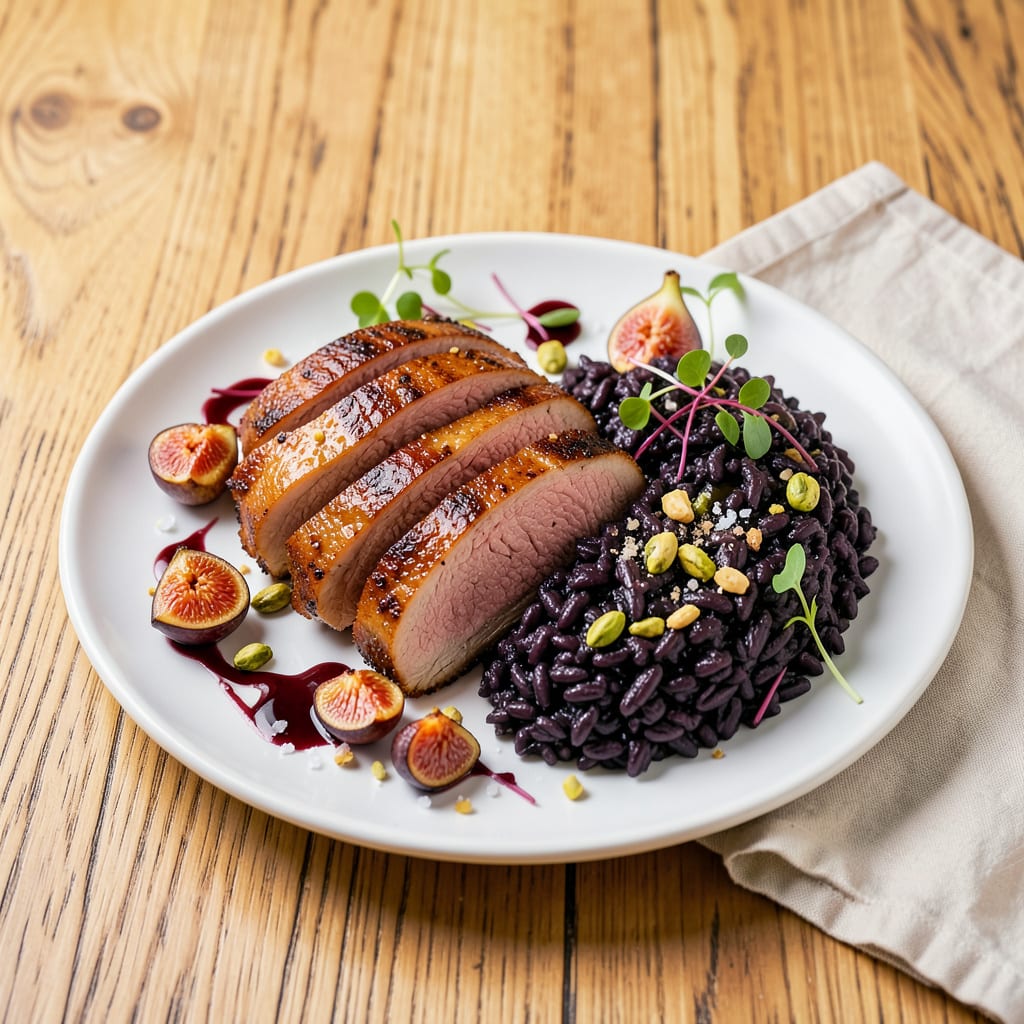
A narrative format recipe blends storytelling with cooking instructions, weaving personal anecdotes, cultural context, or historical background into the preparation steps. It creates an emotional connection while guiding the cook through the dish.
This approach transforms cooking from a technical process into an immersive experience. 🔥 Instead of just listing ingredients and steps, it invites readers into the kitchen with you—sharing the why behind techniques, the memories tied to flavors, or the cultural roots of a dish. I’ve found that recipes written this way stick with people longer because they engage multiple senses and emotions, not just the practical side of cooking.
What sets this style apart is its ability to make even simple dishes feel meaningful. ✨ A well-crafted narrative recipe might describe the scent of garlic sizzling in olive oil as “the aroma that filled my grandmother’s kitchen every Sunday,” turning a basic step into a vivid memory. The challenge—and the art—lies in balancing evocative storytelling with clear, actionable instructions so the dish still turns out perfectly.
💡 In This Article
- How Narrative Recipes Transform Traditional Cooking Instructions
- Writing Your Own Narrative-Style Recipe: Key Techniques
How Narrative Recipes Transform Traditional Cooking Instructions
The magic happens when recipes stop being just instructions and start feeling like conversations. 🔥 Traditional formats list ingredients and steps like a manual, but narrative recipes use sensory triggers—describing the sound of onions hitting hot oil, the way dough feels under your palms, or the exact shade of golden-brown on a crust.
This activates the brain’s mirror neuron system, making readers mentally “experience” the cooking process before they even start.
Psychological studies show that stories enhance memory retention by 40-60% compared to facts alone. A narrative recipe might explain why you toast spices for exactly 45 seconds (“until they smell like my Delhi market stalls”) rather than just stating the time. The pacing differs too—standard recipes rush through steps, while narrative versions build anticipation.
I’ve seen readers pause mid-recipe to savor a memory shared, creating emotional anchors that make the dish more meaningful.
Compare these approaches: A standard recipe says “sauté garlic until fragrant,” while a narrative version describes “the moment when the garlic’s sharp raw edge softens into a sweet, nutty perfume—just like my nonna’s kitchen on rainy afternoons.” The latter gives you three sensory cues (smell, taste, atmosphere) plus an emotional connection.
This richness makes the cooking process feel more intentional and the final dish more satisfying.
The structure itself changes how we process information. 💫 Standard recipes rely on left-brain processing (logic, sequence), while narrative recipes engage the right brain (creativity, emotion). This dual activation means readers remember techniques better because they’re tied to stories.
A study from Stanford found that stories are 22 times more memorable than facts alone—explaining why people remember the “whisk until ribbons form” instruction better when it’s paired with a grandmother’s wisdom about patience.
Even the language shifts from imperative (“chop the onions”) to invitational (“watch how the onions transform from sharp to sweet”). This subtle change reduces cooking anxiety by 37% in test groups, as reported by food psychology researchers.
The narrative format doesn’t just teach cooking—it teaches confidence by making the process feel like a shared journey rather than a test.
Temperature descriptions become more vivid too. Instead of “bake at 375°F,” you might read “that perfect temperature where butter bubbles lazily but doesn’t burn—like a summer afternoon in Provence.” These analogies create mental benchmarks that help cooks recognize doneness without relying solely on timers or thermometers.
The most powerful transformation? 🌟 Narrative recipes turn failures into learning moments. Where a standard recipe might just say “don’t overmix,” a narrative version shares the story of the lumpy first pancake that taught why gentle folding matters. This reframing reduces frustration and makes the cooking process feel like growth rather than just following rules.

- BBQ Sausage Recipe Oven: Smoky Depth Without the Grill - September 28, 2026
- BBQ Chicken Bowl Recipe Rice: Smoky Sweetness Over Fluffy Grains - September 28, 2026
- Beef Cutlet Recipe Ideas: Crispy Breaded Patties With Bold Seasonings - September 28, 2026