
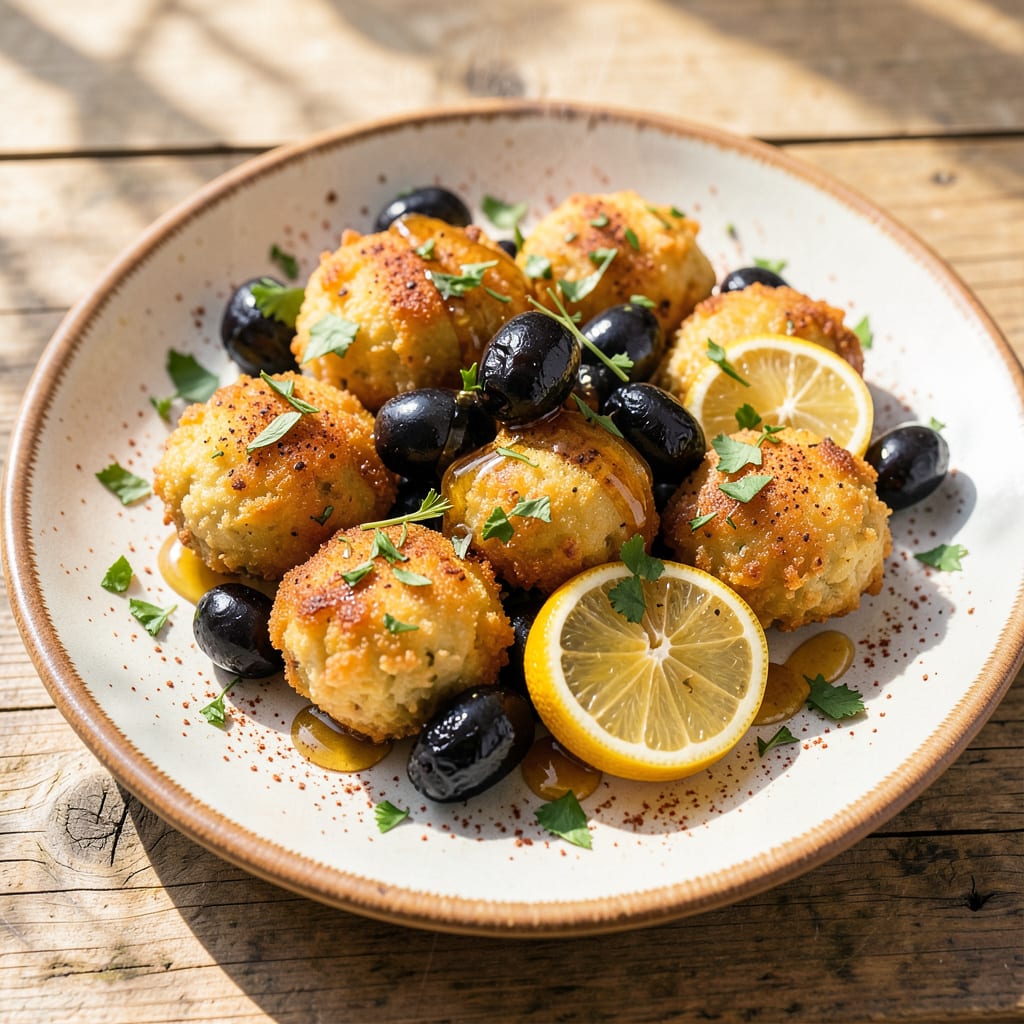
Panara is a traditional Sicilian bread made with simple ingredients: flour, water, yeast, and salt. Its signature crisp crust and soft interior come from slow fermentation and high-heat baking in a wood-fired oven.
This rustic loaf embodies Sicily’s culinary heritage, where simplicity meets precision. The extended fermentation—often 12-24 hours—develops complex flavors while creating an airy crumb structure. What sets it apart is the baking technique: the intense, dry heat of wood-fired ovens transforms the dough’s exterior into a shatteringly crisp shell while preserving moisture inside. ✨
Home bakers can replicate this magic by focusing on two critical factors: dough hydration (typically 70-75%) and oven temperature management. The high hydration creates those coveted irregular holes in the crumb, while a preheated baking stone or steel mimics the wood-fired environment. I’ve found that adding a pan of boiling water during the first 10 minutes of baking produces that professional-quality crust. 🔥
💡 In This Article
- Authentic Techniques Behind Sicilian Panara Bread
- Step-by-Step Guide to Making Panara at Home
Authentic Techniques Behind Sicilian Panara Bread
The magic of panara begins with its extended fermentation—typically 12-24 hours at cool room temperature (65-70°F). This slow process allows wild yeast and lactic acid bacteria to break down starches and proteins, creating complex flavors that range from mildly tangy to deeply nutty.
The gluten structure develops gradually, resulting in a dough that’s both elastic and extensible, capable of trapping gases for that signature open crumb. 🔥
Dough hydration plays a crucial role in texture. Traditional panara uses 70-75% hydration (that’s 350-375g water per 500g flour), creating a sticky, slack dough that requires gentle handling. This high moisture content produces irregular alveoli (those beautiful holes) in the crumb while contributing to the crust’s crispness.
The contrast between the airy interior and shatteringly thin crust comes from the steam explosion during baking—something wood-fired ovens excel at creating. ✨
Wood-fired ovens reach temperatures of 700-900°F, with the radiant heat and smoke imparting subtle charred notes to the crust. The oven’s stone floor conducts heat directly to the dough’s base, creating what bakers call “oven spring”—the rapid expansion that occurs in the first 5-8 minutes of baking.
Modern home ovens can approximate this by using a preheated baking stone and maximizing heat retention with a Dutch oven or cloche. 💫
Traditional Sicilian bakers often incorporate a small percentage (5-10%) of whole wheat or semolina flour, which adds depth to the flavor profile and improves crust color. The natural sugars in these flours caramelize more readily during baking, creating a deeper golden hue and subtle malty undertones.
This practice also extends the bread’s shelf life by 1-2 days compared to pure white flour versions. ⚡
The shaping technique matters too. Panara is typically formed into round or oval loaves with a taut surface, which helps direct the oven spring upward rather than outward. The final slash pattern isn’t just decorative—it controls where the crust will expand and crack during baking.
A 45-degree angle blade and confident, single motion creates the characteristic “ear” that’s prized in artisanal bread. 🌟
What sets authentic panara apart is the balance between fermentation time and baking temperature. The longer fermentation develops flavor compounds like acetic acid and esters, while the intense heat sets the crust quickly to lock in moisture.
This delicate dance between time and temperature is what gives panara its distinctive character—crisp yet tender, complex yet approachable. 💛

- BBQ Sausage Recipe Oven: Smoky Depth Without the Grill - September 28, 2026
- BBQ Chicken Bowl Recipe Rice: Smoky Sweetness Over Fluffy Grains - September 28, 2026
- Beef Cutlet Recipe Ideas: Crispy Breaded Patties With Bold Seasonings - September 28, 2026