
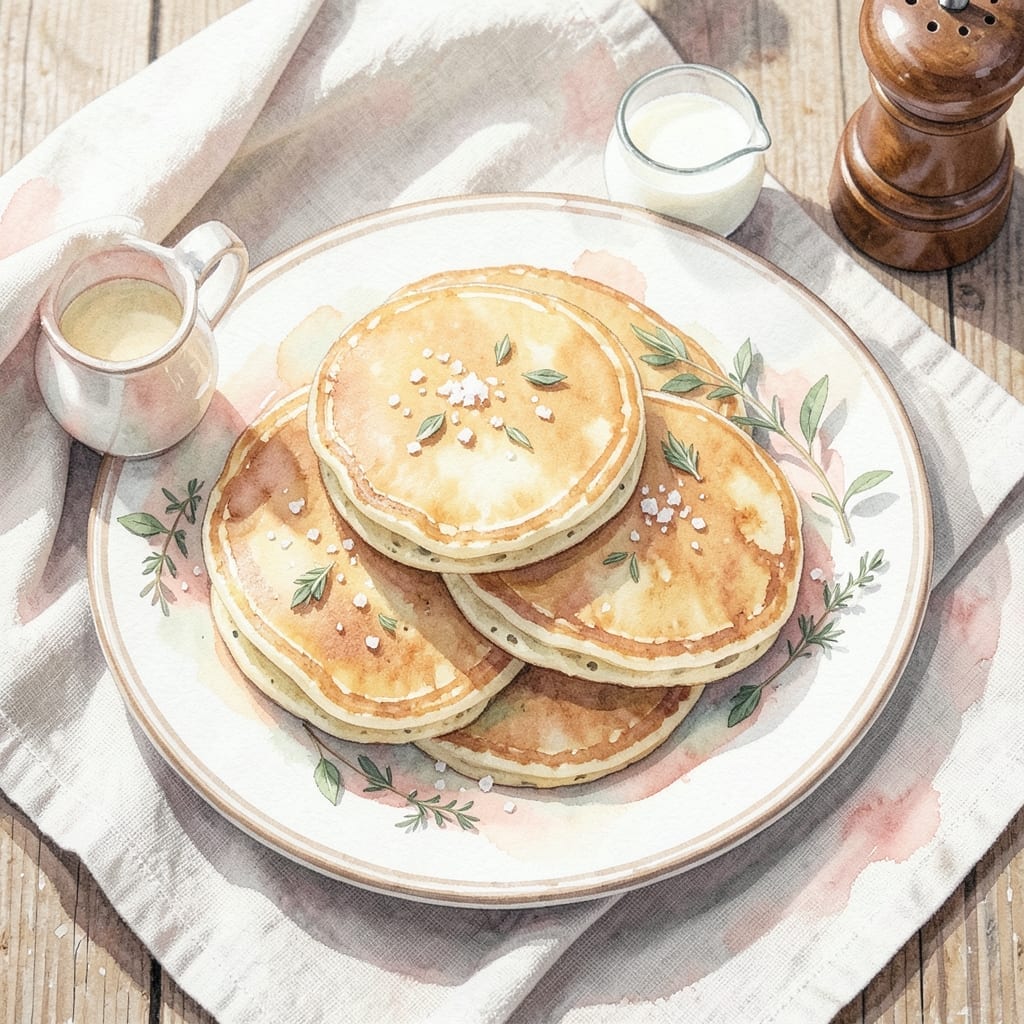
There’s a timeless quality to classic buttermilk pancakes that evokes childhood mornings and family breakfasts. This recipe revives that classic flavor with a foolproof approach to fluffy, golden stacks.
I’ve refined this method to ensure consistent results, using simple pantry staples and a few key techniques. The buttermilk creates tender pancakes with just the right amount of tang, while proper mixing prevents tough textures.
What emerges is perfectly browned pancakes with airy interiors, ready to be topped with butter and syrup. The recipe stays true to tradition while delivering restaurant-quality results at home.
Serve warm for the ultimate weekend breakfast experience. This is how to make pancakes that never disappoint.
Ingredients for Pancake Recipe Aunt Jemima
Pantry staples come together for that timeless buttermilk pancake stack everyone loves.
| Ingredient | Amount | Notes |
|---|---|---|
| All-Purpose Flour 🌾 | 2 cups | Sifted for lighter texture |
| Baking Powder 🧂 | 2 tsp | For fluffy rise |
| Baking Soda 🧂 | ½ tsp | Balances acidity |
| Granulated Sugar 🍚 | 2 tbsp | For subtle sweetness |
| Salt 🧂 | ½ tsp | Enhances all flavors |
| Buttermilk 🥛 | 1 ¾ cups | Room temperature preferred |
| Large Eggs 🥚 | 2 whole | Beaten lightly |
| Unsalted Butter 🧈 | 3 tbsp | Melted and cooled |
| Vanilla Extract 💧 | 1 tsp | Pure for best flavor |
| Vegetable Oil 🫒 | 1 tbsp | For cooking pancakes |
The buttermilk is non-negotiable here—full-fat for best results. Most grocery stores carry it near the dairy, but Whole Foods and Trader Joe’s have particularly good versions. If you can’t find it, add 1 tbsp vinegar to regular milk and let it sit for 5 minutes. The flour should be all-purpose; bread flour is too dense for this. Always check your baking powder and soda—if they’ve been sitting for over 6 months, they lose potency.
No buttermilk? Milk plus vinegar works in a pinch (use 1.75 cups milk + 1.5 tbsp vinegar). Out of baking powder? Double the baking soda and add 1 tsp cream of tartar. The sugar can be reduced to 1 tbsp if you prefer less sweetness. For extra fluffiness, separate the eggs and fold in whipped whites at the end. Vegetable oil for cooking can be swapped for melted butter if you’re feeling indulgent.
The batter keeps in the fridge for up to 24 hours—great for making ahead. Leftover pancakes freeze beautifully for 2 months. Reheat in a toaster or oven to maintain that crisp edge. Store dry ingredients in airtight containers to keep them fresh for your next batch.
Why You’ll Love This Recipe
- One-Bowl Wonder: I just dump the flour, baking powder, sugar and salt in a bowl, add wet ingredients, and stir. No fancy tools, no mess.
- Sweet & Fluffy: That touch of granulated sugar gives them a subtle sweetness, while the baking powder and soda make them light as a cloud.
- Breakfast or Brinner: I’ve served these for lazy Sunday mornings and quick Tuesday dinners. They’re a hit both times.
- Pantry Staples Only: All-purpose flour, baking powder, sugar—stuff I always have. No last-minute grocery runs, ever.
Step-by-Step Instructions for Classic Buttermilk Pancakes
Here’s the method I rely on for consistently perfect, fluffy pancakes with golden edges.
Step 1: Combine Dry Ingredients for Optimal Rise
In a large mixing bowl, whisk together the 2 cups All-Purpose Flour, 2 tsp Baking Powder, 0.5 tsp Baking Soda, 2 tbsp Granulated Sugar, and 0.5 tsp Salt. I sift the flour first to eliminate lumps and create a lighter texture in the final pancakes.
This combination of leavening agents ensures the perfect lift—baking powder for immediate rise and baking soda to react with the buttermilk’s acidity. The sugar adds subtle sweetness that complements the buttermilk tang beautifully. Make sure all ingredients are thoroughly combined with no visible streaks of flour.
Step 2: Whisk Wet Ingredients Until Smooth
In a separate bowl, beat the 2 whole Large Eggs lightly, then whisk in the 1.75 cups Buttermilk, 3 tbsp Unsalted Butter (melted and cooled), and 1 tsp Vanilla Extract. The buttermilk should be at room temperature to prevent the melted butter from solidifying.
I continue whisking until the mixture is completely homogeneous—no streaks of egg or butter should remain. The vanilla extract adds depth of flavor that elevates these pancakes beyond basic. The butter, when properly emulsified, creates a rich, tender crumb in the finished pancakes.
Step 3: Create the Batter with Minimal Mixing
Pour the wet ingredients into the dry ingredients all at once. Using a silicone spatula, gently fold the mixture together until just combined. You should still see some small lumps in the batter—this is ideal.
Overmixing develops gluten in the flour, which would make the pancakes tough rather than tender. The batter should be thick but pourable, with a consistency similar to heavy cream. If it seems too thick, resist the urge to add more liquid—the buttermilk will continue hydrating the flour as the batter rests.
Step 4: Cook to Golden Brown Perfection
Heat a large skillet or griddle over medium heat and add 1 tbsp Vegetable Oil to lightly coat the surface. For each pancake, pour ¼ cup of batter onto the hot surface. Cook until bubbles form on the surface and the edges appear set, about 2-3 minutes.
Flip the pancakes with a wide spatula and cook for another 1-2 minutes until golden brown on both sides and cooked through. The first pancake is always a test—adjust the heat if it’s browning too quickly or not quickly enough. Serve immediately while hot, with your favorite toppings.
Pro Tips For Making Pancake Recipe Aunt Jemima
- Rest the Batter: After mixing, let the batter sit for 5-10 minutes—I learned this the hard way when my first few pancakes came out dense instead of fluffy.
- Medium Heat Only: Crank the heat to medium and resist the urge to go higher, or you’ll burn the outside before the inside cooks through.
- Check Your Leavening: Make sure your baking powder and baking soda are fresh; old ones lose their punch and leave pancakes flat.
- Skip the Overmixing: Stir just until the dry ingredients disappear—after ruining a batch with tough, rubbery pancakes, I finally understood why less is more.
Troubleshooting Great pancake recipe aunt jemima
Batter Too Thick
If your batter seems overly thick, let it rest for 5-10 minutes before adding liquid. The flour will absorb the buttermilk. Only then should you gradually add more buttermilk, 1 tbsp at a time, until it reaches a pourable consistency.
Pancakes Not Fluffy
This usually means overmixing or outdated leavening agents. Check your baking powder and baking soda—if they’re over 6 months old, replace them. Always fold batter just until combined, leaving small lumps visible.
Burning or Uneven Cooking
Adjust your heat to medium-low if pancakes brown too quickly. Use a heavy-bottomed skillet for even heat distribution. I prefer cast iron for consistent results. Also, ensure your griddle is fully preheated before adding batter.
Bland Flavor
Boost flavor by using full-fat buttermilk and real vanilla extract. If needed, add a pinch more salt or sugar to the batter. I also recommend adding 1 tsp lemon zest for a bright, fresh note.
Sticking to Pan
Prevent sticking by ensuring your pan is properly preheated and lightly greased with 1 tbsp vegetable oil. Wait until a drop of water sizzles and evaporates before adding batter. Nonstick pans work best, but cast iron is my go-to for crisp edges. 💡
Raw Center
If pancakes are brown but raw inside, your heat is too high. Lower to medium-low and cook longer, about 3-4 minutes per side. Covering the pan for the last minute can help cook the center without over-browning.
Nutrition Facts
Frequently Asked Questions
Can I use regular milk instead of buttermilk?
Yes! Mix 1.75 cups milk with 1.5 tbsp vinegar or lemon juice. Let it sit for 5 minutes to thicken and mimic buttermilk’s tang.
Why are my pancakes dense?
Overmixing develops gluten, making pancakes tough. Stir just until flour disappears, leaving small lumps. Also, check that your baking powder and baking soda are fresh.
How do I keep pancakes warm while cooking?
Place cooked pancakes on a wire rack in a 200°F oven. This prevents steam from making them soggy. Serve all together when ready!
Can I make the batter the night before?
Store batter in the fridge for up to 24 hours. Stir before using as flour settles. For extra fluffiness, add a splash of buttermilk if it thickens.

- BBQ Sausage Recipe Oven: Smoky Depth Without the Grill - September 28, 2026
- BBQ Chicken Bowl Recipe Rice: Smoky Sweetness Over Fluffy Grains - September 28, 2026
- Beef Cutlet Recipe Ideas: Crispy Breaded Patties With Bold Seasonings - September 28, 2026