
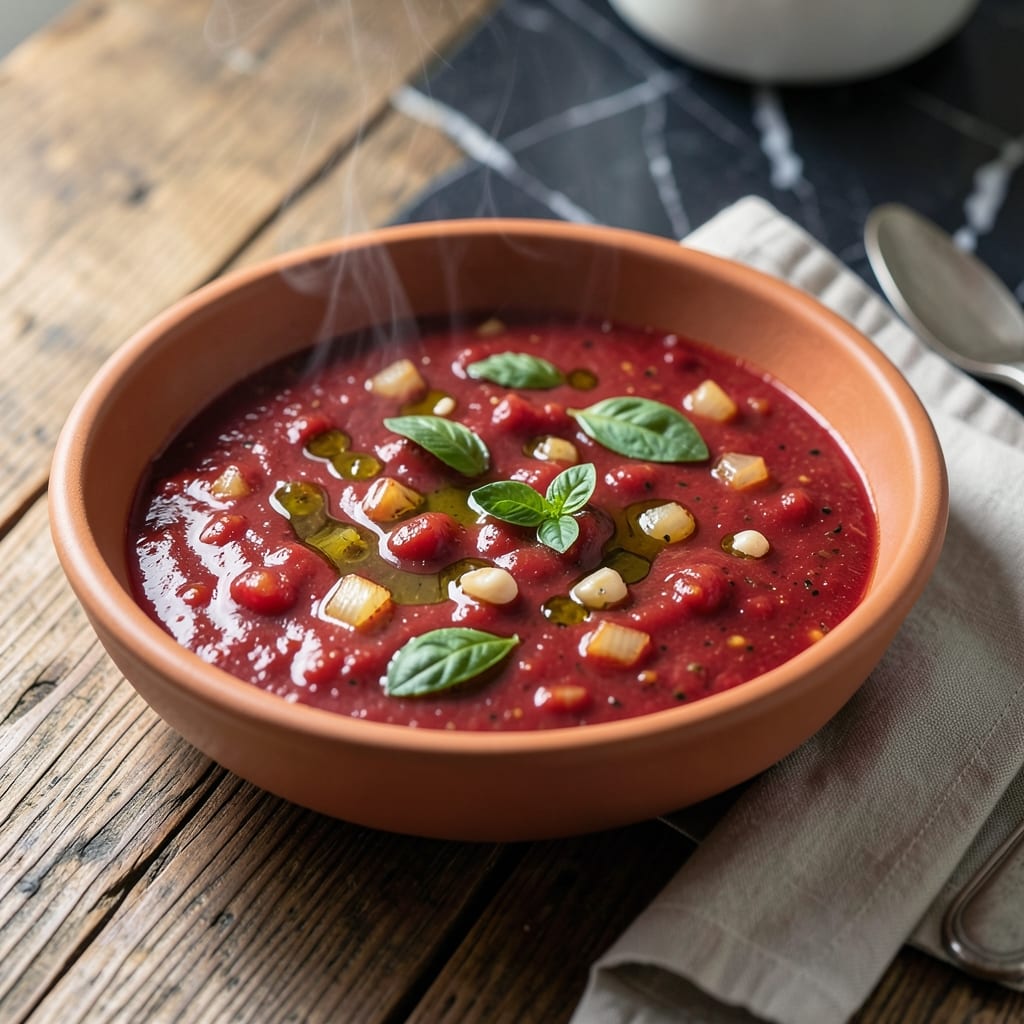
Making a big batch of pasta sauce is one of the smartest ways to preserve summer’s peak tomato flavor for months. This method ensures you capture that rich, deep taste without losing quality during storage.
The key is cooking the sauce down properly before freezing, which concentrates the flavors and prevents separation. I’ve tested this approach with various tomato varieties, and the results are consistently restaurant-quality after thawing.
You’ll end up with a versatile sauce that works for spaghetti, lasagna, or even as a pizza base. The process is straightforward, and the payoff is having homemade sauce ready whenever you need it.
Freeze in portioned containers for easy use, and you’ll never go back to store-bought. Here’s how to do it right.
Ingredients for Pasta Sauce Recipe for Freezing
Ten ingredients for sauce that freezes beautifully and tastes like summer all year.
| Ingredient | Amount | Notes |
|---|---|---|
| San Marzano Whole Peeled Tomatoes 🍅 | 4 cans | 28 oz cans, crushed by hand |
| Extra-Virgin Olive Oil 🫒 | ¼ cup | High quality, fruity finish |
| Yellow Onion 🧅 | 1 whole | Finely diced for base |
| Garlic Cloves 🧄 | 6 cloves | Minced for depth |
| Fresh Basil Leaves 🌿 | 1 cup | Loosely packed, torn |
| Tomato Paste 🍅 | 2 tbsp | For concentration boost |
| Dry Red Wine 🍷 | ½ cup | Bold variety for acidity |
| Sea Salt 🧂 | 1 ½ tsp | Adjust to taste later |
| Black Pepper 🌶️ | ½ tsp | Freshly ground preferred |
| Dried Oregano 🍃 | 1 tsp | Mediterranean variety ideal |
The tomatoes are everything here. San Marzano cans from an Italian market or Whole Foods have the sweetest, meatiest texture (avoid bruised or dented cans). I always buy mine in bulk at Costco when they’re in season. The olive oil should be something you’d happily drizzle on bread—California Olive Ranch or Filippo Berio are solid grocery store picks. Fresh basil makes a difference, but don’t stress if it’s not perfect.
No red wine? Substitute with beef or vegetable broth plus a splash of balsamic vinegar. Out of fresh basil? Dried basil at one-third the amount works in a pinch. Tomato paste in a tube from Trader Joe’s means no waste (and keeps forever in the fridge). The onion and garlic can be swapped for shallots if you’re feeling fancy. Want more richness? A pinch of sugar balances acidity.
Sauce freezes for up to 6 months without quality loss. Portion into airtight containers (leave room for expansion). Thaw overnight in the fridge. For best texture, reheat slowly—30 minutes on low brings back that fresh-cooked depth.
Why You’ll Love This Recipe
- Minimal Chopping Required: Honestly, it’s just onion, garlic, and basil—no fancy knife skills needed.
- San Marzano Magic: The whole peeled tomatoes break down into this rich, sweet sauce that’s way better than store-bought.
- Freezer Superhero: I double the batch and freeze half for those nights I just can’t.
- Budget Friendly: A few pantry staples and fresh basil stretch into multiple meals without breaking the bank.
Step-by-Step Instructions for Pasta Sauce for Freezing
Here’s the method I use to create rich, freezer-friendly sauce in just a few simple steps.
Step 1: Build the Aromatic Base
Heat the 0.25 cup Extra-Virgin Olive Oil in a large Dutch oven over medium heat. Add the diced 1 whole Yellow Onion and cook for 8-10 minutes, stirring occasionally, until soft and translucent. You want the onion to melt into the sauce, not brown.
Add the minced 6 cloves Garlic Cloves and cook for 30 seconds until fragrant. Here’s the thing—burnt garlic tastes bitter, so keep the heat moderate. Stir in the 2 tbsp Tomato Paste and cook for 1-2 minutes, which deepens its sweetness and removes any raw taste.
Step 2: Develop the Tomato Foundation
Pour in the 0.5 cup Dry Red Wine and scrape up any browned bits from the bottom of the pot. Simmer for 3-4 minutes until the liquid reduces by about half. This step builds complex flavor layers that will shine even after freezing.
Add the 4 cans San Marzano Whole Peeled Tomatoes, crushing each tomato by hand as it goes into the pot. Include all the juices—they’re packed with natural sweetness. Stir in the 1.5 tsp Sea Salt, 0.5 tsp Black Pepper, and 1 tsp Dried Oregano.
Step 3: Simmer to Concentrated Perfection
Reduce heat to low and let the sauce simmer uncovered for 45-60 minutes, stirring occasionally. You’ll notice the color deepens and the texture thickens as excess liquid evaporates. This slow reduction concentrates the flavors, making them bold enough to withstand freezing.
About 5 minutes before the sauce is done, tear the 1 cup Fresh Basil Leaves by hand and stir them in. I know it seems weird to add basil this late, but it preserves the fresh, bright flavor. Cook just long enough to wilt the leaves without turning them dark and bitter.
Step 4: Cool and Prepare for Freezing
Remove the pot from heat and let the sauce cool to room temperature, which takes about 30-45 minutes. Stir occasionally to help it cool evenly. This prevents ice crystals from forming in your containers.
Once cooled, portion the sauce into airtight containers, leaving ½-inch headspace for expansion. I like to use wide-mouth jars for easy access when cooking pasta later. Label each container with the date—this sauce keeps beautifully for 3-4 months in the freezer.
Pro Tips For Making Pasta Sauce Recipe For Freezing
- Crush the Tomatoes: Use your hands to break up the San Marzano tomatoes before adding them to the pot—this releases more juice and thickens the sauce faster than whole tomatoes.
- Sauté Onions Slowly: Cook the yellow onion on medium-low for at least 8-10 minutes until soft and translucent. I learned this the hard way—rushing this step leaves a harsh raw onion taste.
- Cool Before Freezing: Let the sauce come to room temperature before portioning and freezing. Hot sauce in containers can crack glass or warp plastic, and it freezes unevenly.
- Add Basil Last: Stir in fresh basil leaves during the final 5 minutes of cooking, not earlier. Sounds weird, but it works: this keeps the flavor bright instead of turning it bitter.
Pro Cooking Tips for This Dish
Prevent Freezer Burn
Remove as much air as possible before freezing to avoid freezer burn. I use zip-top bags and press out all the air before sealing. For jars, leave ½-inch headspace and ensure lids are tight. This extends shelf life to 6 months without quality loss. 💡
Concentrate Flavors First
Simmer the sauce until it’s reduced by 20-25% before freezing. This intense concentration prevents a watery texture after thawing. I check consistency by dragging a spoon through—it should leave a clear path. 🔥
Cool Properly
Never freeze hot sauce—it creates ice crystals and risks breaking containers. Let it cool to room temp first, then refrigerate for 30 minutes before freezing. This gradual temperature drop preserves texture beautifully.
Portion Strategically
Freeze in portions you’ll actually use—1-2 cup servings work for most pasta dishes. I use silicone muffin molds for small batches, then transfer to bags. This way, I only thaw what I need, reducing waste.
Revive After Thawing
Thawed sauce often needs a boost. Simmer for 10-15 minutes with 1 tbsp olive oil and a pinch of sugar to restore depth. Fresh basil stirred in at the end makes it taste newly made.
Nutrition Facts
Frequently Asked Questions
Can I freeze sauce with meat in it?
Yes, meat sauces freeze well for 3-4 months. Cook the meat thoroughly first, then cool completely before freezing.
Why does my sauce separate after thawing?
This happens with watery sauces. Simmer uncovered for 10-15 minutes while stirring to reincorporate. A splash of olive oil helps too.
What’s the best container for freezing?
Airtight glass jars or heavy-duty zip bags work best. Leave ½-inch headspace for expansion to prevent cracks.
How do I know when it’s gone bad?
Discard if you see mold, off smells, or ice crystals throughout. Properly stored sauce stays good for 6 months.

- Pea Shoots Recipe Salad: Fresh Greens With Asian-Inspired Dressing - October 9, 2026
- Peanut Butter Bark Recipe With Pretzels: Sweet and Salty Holiday Treat - October 9, 2026
- Peach Crisp Recipe With Fresh Peaches: Buttery Oat Topping Over Juicy Summer Fruit - October 9, 2026