
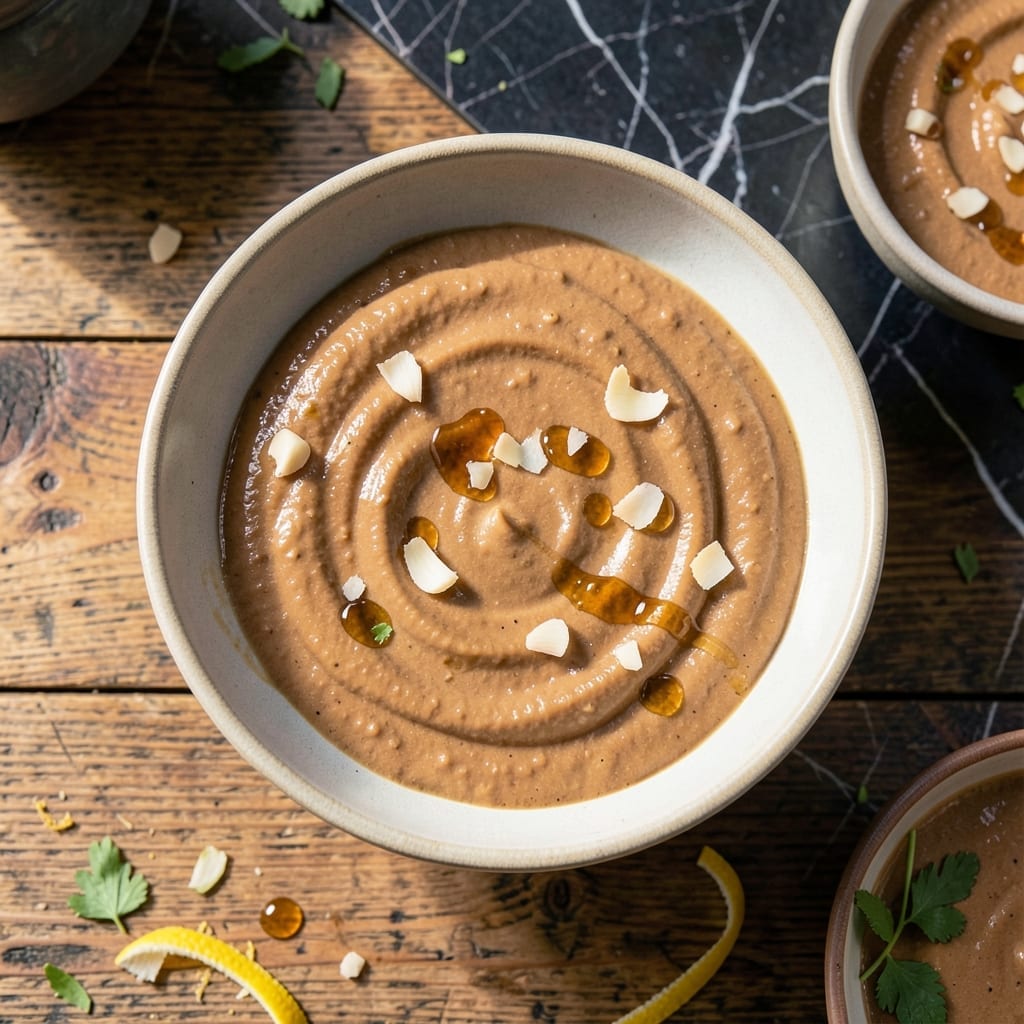
This Indonesian-inspired dip transforms simple peanut butter into a rich and creamy sauce that elevates any dish. I’ve perfected the balance of sweet, tangy, and savory flavors through careful testing.
Use it as a dipping sauce, drizzle over noodles, or toss with vegetables. It keeps well in the fridge, making it a versatile addition to your culinary repertoire.
Ingredients for Peanut Sauce Recipe Peanut Butter
Nine ingredients transform into this rich, velvety Indonesian-inspired peanut sauce.
| Ingredient | Amount | Notes |
|---|---|---|
| Creamy Peanut Butter 🥜 | ½ cup | Unsweetened, natural variety |
| Soy Sauce 🫒 | 2 tbsp | Low-sodium preferred |
| Lime Juice 🍋 | 2 tbsp | Freshly squeezed for brightness |
| Maple Syrup 🍁 | 1 ½ tbsp | Or agave nectar for sweetness |
| Fresh Ginger 🌿 | 1 tbsp | Peeled and finely grated |
| Garlic Cloves 🧄 | 2 cloves | Peeled and minced |
| Rice Vinegar 💧 | 1 tbsp | Adds tangy depth |
| Sesame Oil 🫒 | 1 tsp | Toasted for nutty aroma |
| Sriracha 🌶️ | 1 tsp | Adjust for heat preference |
| Water 💧 | ¼ cup | To thin as needed |
Peanut butter quality matters here. Natural, unsweetened is key—skip the sugary stuff. I always grab Crazy Richard’s or Smucker’s Natural from the regular grocery store (the oil separation is a good sign). The soy sauce? Low-sodium keeps the salt in check without sacrificing depth. Fresh ginger and garlic are non-negotiable—they add that bright, punchy layer that dried can’t replicate.
No maple syrup? Agave or date syrup work just as well. Out of lime juice? Lemon juice in a pinch (but lime’s tang is perfect here). If you don’t have rice vinegar, apple cider vinegar adds a similar tang. Want it nut-free? Sunflower seed butter is a great sub—just add a pinch of salt to compensate. Sriracha not your thing? Gochujang or chili flakes can dial up the heat differently.
This keeps for 5-7 days in the fridge—stir before using as it thickens when chilled. Freezes for 3 months in a jar (leave room for expansion). Thin with a splash of water if it’s too thick after storing.
Why You’ll Love This Recipe
- 5-Minute Magic: I just dump everything in a bowl—peanut butter, soy sauce, lime, maple, ginger—and whisk. Honestly, it’s ready before the noodles boil.
- Sweet-Savory Balance: The maple syrup and lime juice cut through the peanut butter’s richness, while ginger adds that little zing I crave.
- Dinner’s Best Friend: I drizzle it on noodles, use it for dipping spring rolls, or even toss it with roasted veggies. Between us, it’s my meal prep MVP.
- Keeps Like a Dream: Leftovers? No problem. It thickens in the fridge but loosens right up with a splash of warm water—saves me from last-minute panic.
Step-by-Step Instructions for Peanut Sauce
This method guarantees a velvety texture and balanced flavors with every batch.
Step 1: Blend the Aromatic Base
In a medium bowl, combine the 0.5 cup creamy peanut butter with the 2 tbsp soy sauce, 1 tbsp rice vinegar, and 1.5 tbsp maple syrup. Use a whisk to break up the peanut butter and create a smooth paste. The natural oils in the peanut butter will start to separate slightly—this is normal.
Here’s the thing—natural peanut butter can be stubborn. If it’s too thick to whisk, microwave the peanut butter for 15-20 seconds first to soften it. This makes blending much easier without altering the final texture.
Step 2: Incorporate the Fresh Elements
Add the 1 tbsp fresh ginger and 2 cloves garlic cloves (minced) to the bowl. The ginger should be finely grated to avoid fibrous bits in your finished sauce. Stir these in thoroughly—they’ll release their aromatic compounds into the mixture.
I know it seems weird, but let this sit for 2-3 minutes before proceeding. This brief rest allows the garlic and ginger to infuse their flavors into the liquid components, creating a more complex base for your sauce.
Step 3: Balance with Acid and Heat
Stir in the 2 tbsp lime juice, 1 tsp sesame oil, and 1 tsp sriracha. The lime juice will brighten all the flavors, while the sesame oil adds depth with its nutty aroma. The sriracha brings a subtle heat that complements the richness of the peanut butter.
Taste at this point. If you prefer more heat, you can add additional sriracha in ¼ tsp increments. Remember that the flavors will mellow slightly as the sauce rests, so err on the side of slightly bolder now.
Step 4: Achieve the Perfect Consistency
Begin adding the 0.25 cup water 1 tbsp at a time, whisking vigorously after each addition. The sauce will transform from a thick paste to a smooth, pourable consistency. You may not need all the water—stop when the sauce coats the back of a spoon but still drizzles easily.
This is the moment that matters: the sauce should be creamy but not runny. If it becomes too thin, simply whisk in a bit more peanut butter to thicken it. The ideal texture will cling to satay skewers or noodles without pooling at the bottom of the dish.
Let the sauce rest for 5 minutes before serving to allow the flavors to fully meld together. The finished product should have a glossy sheen and a rich, nutty aroma that’s balanced with sweet, tangy, and spicy notes.
Pro Tips For Making Peanut Sauce Recipe Peanut Butter
- Warm the Peanut Butter: Microwave the peanut butter for 20-30 seconds before mixing—I learned this the hard way after wrestling with stiff, uncooperative globs in cold sauce.
- Grate the Ginger: Skip the mincing and use a microplane for the ginger; it releases more juice and blends smoothly into the sauce instead of sinking to the bottom.
- Balance the Lime: Add lime juice gradually and taste as you go; too much can overpower the peanut butter’s richness, especially if your lime is extra juicy.
- Thin with Warm Water: If the sauce is too thick, whisk in warm water 1 tablespoon at a time—cold water can make it seize up, and nobody wants clumpy peanut sauce.
Troubleshooting This Dish
Sauce Too Thick
If your sauce is too thick, add 1 tbsp warm water at a time while whisking. Natural peanut butter absorbs liquid differently than processed versions. I’ve found that 2-3 tbsp usually does the trick for a smooth, pourable consistency. 💡
Sauce Too Thin
If it’s too runny, whisk in 1 tsp additional peanut butter until it reaches the desired thickness. Remember, the sauce will thicken slightly as it cools, so aim for a slightly thinner consistency when warm.
Flavor Too Bland
Boost the flavor with ½ tsp soy sauce for saltiness or ½ tsp maple syrup for sweetness. Balance is key—taste after each addition. A pinch of salt can also enhance all the flavors without overpowering.
Overly Spicy
If you’ve added too much sriracha, balance it with 1 tsp maple syrup or 1 tsp lime juice. The sweetness or acidity will mellow the heat. I’ve saved many batches this way. 🔥
Lumpy Texture
If your sauce has lumps, blend it with an immersion blender or whisk vigorously. For stubborn lumps, microwave for 10-15 seconds and stir again. Natural peanut butter can separate, but a quick blend fixes it.
Oil Separation
If the oil separates after storage, stir it back in with a fork. This is normal with natural peanut butter. For a smoother result, let it sit at room temperature for 10 minutes before stirring. ✨
Frequently Asked Questions
Can I use crunchy peanut butter instead?
Yes, but the texture will be grittier. For a smooth sauce, stick with creamy. If using crunchy, blend it thoroughly to minimize chunks.
How long can I store this sauce?
It keeps for 5-7 days in the fridge in an airtight container. Stir before using as it thickens when chilled.
What can I substitute for maple syrup?
Try agave nectar, honey, or date syrup in equal amounts. Each adds sweetness with slight flavor variations.
Why does my sauce taste bitter?
Natural peanut butter can turn bitter if over-toasted. Balance it with ½ tsp maple syrup or a pinch of salt. Always taste as you adjust.
Nutrition Facts

- BBQ Sausage Recipe Oven: Smoky Depth Without the Grill - September 28, 2026
- BBQ Chicken Bowl Recipe Rice: Smoky Sweetness Over Fluffy Grains - September 28, 2026
- Beef Cutlet Recipe Ideas: Crispy Breaded Patties With Bold Seasonings - September 28, 2026