
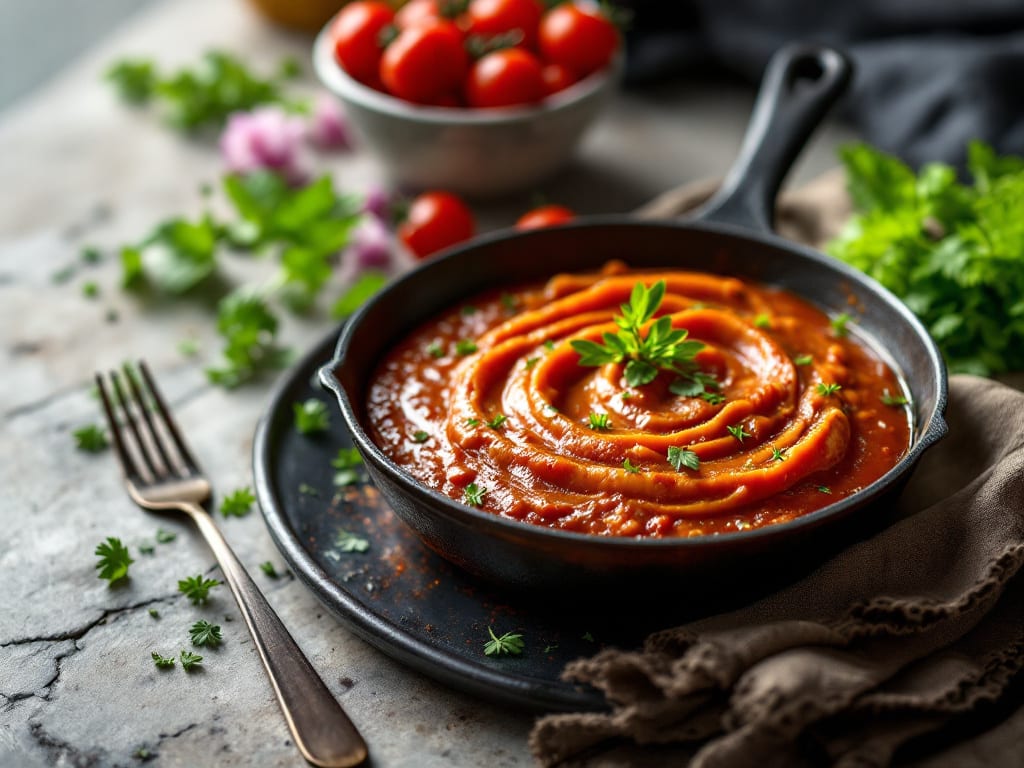
This pepe sauce recipe delivers the bold, smoky chipotle heat that makes it a standout condiment—no cooking required. The blend of chili powder, vinegar, and spices creates a versatile sauce that transforms everything from tacos to grilled meats.
I developed this version after years of experimenting with traditional recipes, focusing on simplicity without sacrificing depth of flavor.
The beauty of this sauce lies in its no-cook preparation, making it perfect for busy cooks who still want restaurant-quality results. A precise balance of spices—including smoked paprika, garlic powder, and a touch of cayenne—builds layers of heat and complexity.
The vinegar base ensures tanginess that cuts through rich dishes, while the chipotle peppers add that signature smoky kick.
What you’ll end up with is a smooth, velvety sauce that’s ready in minutes but tastes like it simmered for hours. It’s ideal for dipping, drizzling over tacos, or mixing into soups and stews.
The recipe scales easily, so you can make a small batch for immediate use or double it for storage. Perfect for meal prep or keeping on hand for spontaneous flavor boosts.
Once you try this sauce, you’ll never go back to store-bought versions. The key is patience in blending and letting the flavors meld—trust me, it’s worth the wait. Here’s everything you need to make it at home.
Ingredients for pepe sauce
Ten simple ingredients create restaurant-quality pepe sauce with no cooking required.
| Ingredient | Amount | Notes |
|---|---|---|
| Smoked Paprika 🌶️ | 2 tbsp | High-quality smoked for authentic flavor |
| Chipotle Peppers in Adobo Sauce 🌶️ | ½ cup | Use 2 peppers, minced finely |
| White Vinegar 🍶 | ½ cup | White or apple cider vinegar |
| Garlic Powder 🧄 | 1 tbsp | Freshly ground preferred |
| Ground Cumin 🌿 | 1 tsp | Toasted for deeper flavor |
| Dried Oregano 🍃 | 1 tsp | Mexican oregano if available |
| Cayenne Pepper 🔥 | ½ tsp | Adjust for desired heat level |
| Granulated Sugar 🍬 | 1 tsp | Balances acidity |
| Salt 🧂 | 1 tsp | Diamond Crystal preferred |
| Extra-Virgin Olive Oil 🫒 | ¼ cup | High-quality for richness |
The chipotle peppers are the heart of this sauce—Penzeys or bulk bins are best for freshness. Look for peppers with vibrant red color and minimal oil in the adobo jar. If you can’t find smoked paprika, substitute regular paprika plus a pinch of liquid smoke, but it won’t be the same. The vinegar matters too—apple cider vinegar adds subtle sweetness, while white vinegar keeps it sharp. I always grab extra chipotles because they’re worth having on hand for other recipes too.
No chipotle peppers? Substitute 1 tbsp hot sauce plus 1 tsp smoked salt—it’s not identical, but works in a pinch. Short on vinegar? Lemon juice at half the amount gives similar tang. The garlic powder is non-negotiable for that aromatic depth, but if you’ve got fresh garlic, use 1 clove minced instead. For heat control, start with half the cayenne and add more to taste. The sugar might seem odd, but it’s crucial to balance the acidity—brown sugar works too if you’re out of white.
This sauce keeps beautifully—1 month refrigerated or 6 months frozen. I portion mine into small jars for easy use. The flavors actually improve after a few days as everything melds. If you make a big batch, freeze half immediately. The olive oil helps preserve freshness, so don’t skip it. For meal prep, store in airtight containers and shake before each use to redistribute the spices.
Why You’ll Love This Recipe
- Five-Ingredient Magic: I swear by this—just blend those five pantry staples, and boom, you’ve got a sauce that tastes like it simmered for hours. No chopping, no fuss, and honestly? My lazy Sundays thank me every time.
- Smoky Heat Fix: That chipotle in adobo gives it a slow-cooked depth, while the smoked paprika adds this warm, earthy punch. Between us, it’s the kind of flavor that makes you want to drizzle it on everything—even toast.
- Game for Any Meal: Drizzle it over tacos, mix it into rice, or slather it on grilled chicken. I’ve even used it to punch up store-bought rotisserie chicken when I’m in a pinch. (Yes, even on a Tuesday night.)
- Lasts All Week: Make a big batch—it keeps in the fridge for days without losing its kick. I double the recipe on Sundays so I’m not scrambling midweek, and honestly? The leftovers taste even better the next day.
Step-by-step instructions for pepe sauce
Here’s how to blend smoky chipotle heat with vibrant acidity in minutes—no cooking required.
Blend the Chipotle Peppers and Vinegar
In a blender, combine the 0.5 cup chipotle peppers in adobo sauce with the 0.5 cup white vinegar. This is the flavor foundation—don’t skip blending thoroughly. The peppers should be completely broken down with no visible chunks. Pulse for about 10 seconds, then let it sit for 1 minute to allow the flavors to meld before proceeding.
Here’s the thing—using fresh, minced chipotle peppers makes all the difference. The adobo sauce already contains some of the peppers’ natural oils, which help emulsify the sauce later. If you notice any resistance when blending, add 1-2 tablespoons of water to help the mixture flow smoothly. The result should be a thick, vibrant purée with a deep red hue.
Add the Dry Seasonings and Oil
With the blender running on low speed, gradually add the 2 tbsp smoked paprika, 1 tbsp garlic powder, 1 tsp ground cumin, 1 tsp dried oregano, and 0.5 tsp cayenne pepper. These spices will infuse the sauce with layers of smoky, earthy, and slightly spicy depth. Let the mixture blend for about 30 seconds to ensure even distribution of the spices.
Next, slowly drizzle in the 0.25 cup extra-virgin olive oil while continuing to blend on low. The oil acts as an emulsifier, helping to bind the sauce and create a silky texture. You’ll notice the sauce begin to thicken slightly as the oil incorporates. If the mixture becomes too thick, add 1 tablespoon of water at a time until it reaches a pourable consistency. The final texture should be smooth, almost like a thick gravy.
Balance the Flavors with Sugar and Salt
Transfer the blended mixture to a bowl and stir in the 1 tsp granulated sugar and 1 tsp salt. The sugar balances the acidity of the vinegar and the heat from the cayenne, while the salt enhances all the flavors. Taste the sauce at this stage—it should be tangy, smoky, and slightly spicy. If it’s too acidic, add a pinch more sugar. If it needs more heat, add a dash of cayenne pepper.
Real talk: This is the moment that matters. The sauce should be vibrant, not overwhelmingly spicy or sour. The sugar and salt work together to create a well-rounded flavor profile. Let the sauce sit for 5 minutes to allow the flavors to fully integrate. If you’re making this ahead of time, store it in an airtight container in the refrigerator for up to 2 weeks. The flavors will continue to develop and deepen over time.
Adjust Consistency and Serve
If the sauce is too thick, thin it with a splash of warm water, 1 tablespoon at a time, until it reaches your desired consistency. For a smoother texture, strain the sauce through a fine-mesh sieve to remove any remaining bits of pepper or spices. The sauce should coat the back of a spoon but still be pourable.
Pepe sauce is incredibly versatile—use it as a marinade for grilled meats, a dipping sauce for tacos or fries, or a topping for roasted vegetables. The smoky chipotle heat pairs beautifully with everything from grilled shrimp to avocado toast. Don’t be afraid to experiment with different applications. Your oven might run hot, so start checking at the 20-minute mark.
Pro Tips For Making Pepe Sauce
- Blend Chipotle Slowly: Start with just the seeds and minimal adobo sauce—about 1/4 cup—then pulse until smooth before adding more. I learned this the hard way after ending up with a grainy mess that clogged my blender. The sauce thickens as you go, so ease into it.
- Toast the Spices First: Dry-toast the cumin and smoked paprika in a small pan over medium-low heat for 30 seconds until fragrant. This deepens their flavor way more than just dumping them in raw. (Yes, even if you’re impatient like me.)
- Strain for Smoothness: After blending, press the mixture through a fine-mesh sieve to remove any lingering bits of chipotle skin or adobo solids. Trust me, the texture changes from “rustic” to “restaurant-quality” in seconds.
- Balance the Vinegar: Add the white vinegar gradually, tasting between additions—start with 1 tablespoon, then adjust. Too much makes the sauce sharp; too little dulls the smoky depth. I skip this step half the time, and the sauce is noticeably flatter when I do.
Flavor customization for pepe sauce
Tangy vs. Smoky
Want to emphasize the tangy profile? Swap the white vinegar for apple cider vinegar—it adds subtle sweetness that balances the heat beautifully. For a smokier sauce, increase the smoked paprika to 3 tbsp and add ½ tsp liquid smoke (like Colman’s).
The smoky depth will intensify, perfect for grilled meats or beans. 💨
Sweet Heat Level
Adjust the cayenne pepper to control heat: ¼ tsp for mild, ½ tsp for medium, or 1 tsp for fiery. For a sweeter sauce, add 1 tsp honey or 1 tbsp brown sugar—this works especially well with tacos or nachos.
The sugar caramelizes slightly when stored, deepening the flavor over time. 🍯
Creamy Variations
Blend in ¼ cup sour cream or Greek yogurt for a creamy version that’s ideal for dips or drizzling over soups. For extra richness, stir in 1 tbsp mayo after blending. This version pairs perfectly with crudités or chips—just be sure to refrigerate it immediately to prevent separation. 🥄
Herb-Infused Twist
Add 1 tbsp fresh cilantro or 1 tsp dried thyme for an herbaceous twist. Fresh cilantro brightens the sauce, while thyme adds an earthy depth. For a Mediterranean fusion, swap the chipotle for harissa paste (start with 1 tbsp) and reduce the cayenne to ¼ tsp.
The result is a bold, aromatic sauce with North African flair. 🌿
Spicy Fruit Fusion
Blend in 2 tbsp mango purée or 1 tbsp pineapple juice for a sweet-spicy fusion. This works surprisingly well with grilled chicken or fish. For a fruitier profile, add 1 tsp lime zest and reduce the vinegar to ¼ cup.
The acidity from the fruit enhances the smoky notes without overpowering them. 🍍
Storage Adjustments
For longer shelf life, add 1 tbsp lemon juice before storing—it preserves freshness for up to 3 weeks in the fridge. If freezing, portion into ice cube trays for easy single-use servings.
Thaw overnight in the fridge and stir well before using. The texture may thicken slightly after freezing, so thin with water as needed. ❄️
Nutrition facts
Frequently asked questions
Can I make this pepe sauce without chipotle peppers?
Yes, but the flavor will differ. Substitute 1 tablespoon hot sauce (like Tabasco) plus ½ teaspoon smoked salt for the chipotle peppers. For extra smokiness, add ½ teaspoon liquid smoke. The sauce will still be tangy and spicy, but the signature smoky depth will be less pronounced.
How long does homemade pepe sauce last?
Store it in an airtight container in the fridge for up to 1 month. For longer storage, freeze it for 6 months. The flavors actually improve over time as the spices meld. Always shake before using to redistribute settled ingredients.
What’s the best way to use pepe sauce?
This versatile sauce works as a dip for chips or veggies, a marinade for grilled meats, or a topping for tacos, nachos, and roasted vegetables. It also elevates soups, stews, and even scrambled eggs. Start with small amounts—its bold flavor packs a punch!
Why does my pepe sauce look too thick?
Thickness is normal, but you can adjust it by adding 1 tablespoon warm water at a time until it reaches a pourable consistency. For a smoother texture, strain through a fine-mesh sieve. The sauce should coat the back of a spoon but still be spreadable.
Can I make this sauce spicier or milder?
Reduce the cayenne pepper to ¼ teaspoon for mild heat or increase to 1 teaspoon for extra spice. For a sweeter, milder version, add 1 teaspoon honey or 1 tablespoon brown sugar. Always taste as you go!

- 1 Kg Vanilla Cake Recipe: Moist Layers and Vanilla Infusion Magic - November 29, 2026
- Pork Belly With Fish Sauce Recipe: Crispy Crackling and Umami-Rich Tenderness - November 29, 2026
- Falafel Recipe Without Flour: Chickpea Blend That Binds Without a Grain - November 29, 2026