
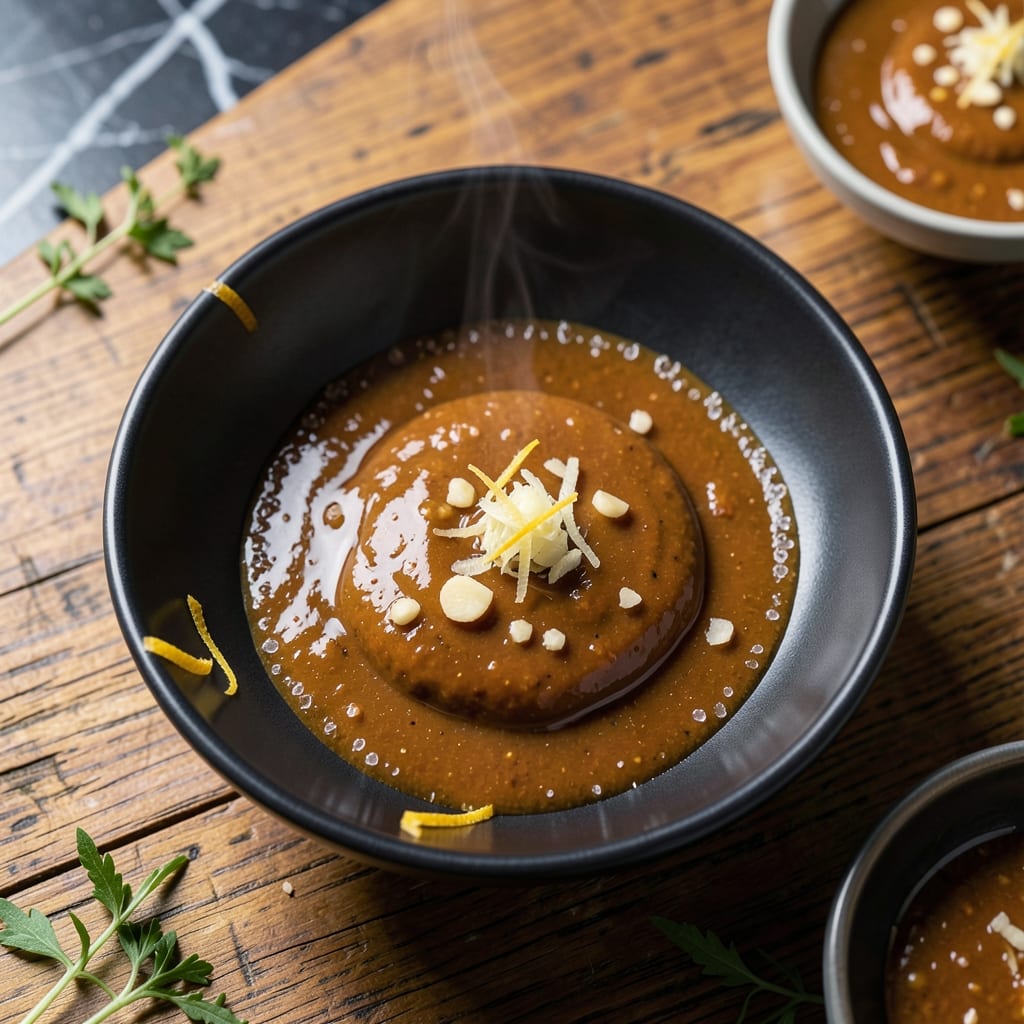
This sauce captures the restaurant-style umami magic of PF Chang’s signature dipping condiment. I’ve tested countless variations to nail the perfect balance of sweet, salty, and savory flavors that make it irresistibly addictive.
The secret lies in combining soy sauce, rice vinegar, and a touch of sugar with aromatic garlic and ginger. Simmering these ingredients together creates a complex, glossy sauce that clings perfectly to appetizers or works as a marinade.
What you get is a versatile condiment with deep, layered flavors that elevate everything from dumplings to chicken. The sauce thickens slightly as it cools, developing a perfect consistency for dipping.
Store in an airtight container in the refrigerator for up to two weeks. The flavors deepen over time, making it even better the next day.
Ingredients for Pf Chang’s Sauce Recipe Dipping Sauce
Nine simple ingredients for that signature restaurant-style umami magic you crave.
| Ingredient | Amount | Notes |
|---|---|---|
| Soy Sauce 💧 | ½ cup | Low-sodium for balance control |
| Rice Vinegar 🍚 | ¼ cup | Unseasoned variety preferred |
| Granulated Sugar 🍬 | 2 tbsp | Adjust to taste preference |
| Garlic Cloves 🧄 | 3 cloves | Minced finely for even distribution |
| Fresh Ginger Root 🌿 | 1 tbsp | Peeled and grated fresh |
| Water 💦 | ¼ cup | For thinning to desired consistency |
| Cornstarch 🌾 | 1 tbsp | Mixed with water for slurry |
| Sesame Oil 🫒 | 1 tsp | Toasted for depth of flavor |
| Red Pepper Flakes 🌶️ | ½ tsp | Optional for subtle heat |
The soy sauce is the backbone here. Kikkoman low-sodium lets you control the salt level without sacrificing depth. Rice vinegar needs to be unseasoned—seasoned varieties add unwanted sweetness. Most grocery stores carry both in the Asian aisle. Fresh ginger and garlic are non-negotiable for that bright, aromatic punch. I grab mine from Whole Foods when I want the best quality, but any supermarket works in a pinch.
No rice vinegar? Apple cider vinegar at half the quantity works, though the flavor shifts slightly. Out of fresh ginger? Ground ginger at one-third the amount, but fresh is worth the effort. For a gluten-free version, swap soy sauce for tamari. The cornstarch slurry is key for that glossy finish—don’t skip it (worth the extra minute).
This keeps beautifully in the fridge for up to 2 weeks. The flavors meld and deepen over time, so make it a day ahead if you can. Store in an airtight container—glass jars work great. Freezing isn’t ideal (separation issues), but it’s doable in a pinch for 1 month.
Why You’ll Love This Recipe
- 5-Minute Magic: I just dump soy sauce, rice vinegar, sugar, minced garlic, and grated ginger in a saucepan—no fuss, no fancy steps.
- Umami Bomb: The garlic and ginger hit that sweet-spicy-salty balance that makes everything from dumplings to chicken wings taste ridicuously good.
- Dip for Days: I make a double batch and it keeps for a week—perfect for leftovers, snack platters, or impromptu takeout nights at home.
- Pantry Hero: All the ingredients are already in my cupboard, so it’s a zero-stress, budget-friendly way to upgrade any meal.
Step-by-Step Instructions for Restaurant-Style Umami Dipping Sauce
Here’s the method I’ve perfected to get that signature PF Chang’s flavor at home every time.
Step 1: Bloom Aromatics in Soy Base
In a medium saucepan, combine the 0.5 cup Soy Sauce, 0.25 cup Rice Vinegar, and 2 tbsp Granulated Sugar. Heat over medium-high heat until the mixture just begins to simmer. You’ll see tiny bubbles forming at the edges—that’s your cue.
Add the 3 cloves Garlic Cloves (minced) and 1 tbsp Fresh Ginger Root (peeled and grated). Stir constantly for 1-2 minutes until the aromatics become fragrant and the raw edge of the garlic mellows. Don’t let it boil vigorously or the garlic will burn.
Step 2: Create and Add Cornstarch Slurry
In a small bowl, whisk together the 1 tbsp Cornstarch with the 0.25 cup Water until completely smooth and lump-free. This slurry will thicken the sauce to that perfect dipping consistency you expect from the restaurant version.
Slowly pour the slurry into the simmering sauce while whisking continuously. The mixture will thicken almost immediately—you’re looking for a glossy, syrup-like consistency that coats the back of a spoon. Keep the heat at a gentle simmer here.
Step 3: Finish with Signature Flavors
Remove the sauce from heat and stir in the 1 tsp Sesame Oil. This adds a nutty depth that’s essential to the authentic flavor profile. Taste and adjust sweetness if needed—the sugar should balance the saltiness without being cloying.
For a subtle kick, add the 0.5 tsp Red Pepper Flakes. Stir well and let the sauce sit for 2-3 minutes off heat. This allows the flavors to meld and the sauce to reach its ideal thickness as it cools slightly.
Step 4: Cool and Serve
Let the sauce cool to room temperature. As it cools, it will thicken further to that perfect dipping consistency. The color should be a rich mahogany with visible specks of garlic and ginger.
Transfer to a serving bowl and drizzle with a tiny extra bit of sesame oil for presentation. This sauce keeps beautifully in the fridge for up to 1 week—the flavors actually deepen over time. Serve warm or at room temperature with spring rolls, dumplings, or as a marinade.
Pro Tips For Making Pf Chang’S Sauce Recipe Dipping Sauce
- Bloom the Aromatics: Cook the minced garlic and ginger in a little oil for 30 seconds before adding liquids—I learned this the hard way after tasting raw garlic in my first batch.
- Balance the Sweetness: Taste before adding all the sugar; some soy sauces are saltier than others, and you might need less than the recipe calls for.
- Skip the Cold Vinegar: Use room-temperature rice vinegar, not fridge-cold, to prevent the sugar from seizing up when you mix everything together.
- Simmer, Don’t Boil: Let the sauce gently simmer for 3-4 minutes to meld flavors—boiling it hard makes the soy sauce taste harsh and the sugar caramelize unevenly.
Best Sauces and Condiments for This Dish
Classic Pairings
This sauce was practically made for crispy spring rolls—the sweet-savory balance cuts through the oil beautifully. I also love it with steamed or fried dumplings, especially pork or shrimp. The umami depth pairs perfectly with the delicate fillings. 🥟
Protein Dippers
Use it as a marinade or dipping sauce for grilled chicken skewers or seared shrimp. The sauce clings wonderfully to proteins, adding layers of flavor. I often toss 1 lb of chicken tenders in the sauce before grilling for a quick, flavorful meal.
Veggie Options
Don’t overlook vegetables! Blanched broccoli, carrot sticks, or cucumber slices all benefit from this sauce’s bold flavors. For a fun twist, drizzle it over a cold Asian slaw made with cabbage and carrots from my garden.
Rice and Noodles
Toss 1 cup of cooked jasmine rice with 2 tbsp of this sauce for a quick fried rice base. It also works wonders as a dressing for cold soba noodles, adding a glossy sheen and deep, savory notes. I sometimes add a sprinkle of sesame seeds for extra crunch.
Creative Uses
Use it as a glaze for roasted pork tenderloin or brush it on grilled tofu during the last few minutes of cooking. I’ve even used it to elevate a simple avocado toast—trust me, the combination is surprisingly delicious. 💡
Storage Tip
Keep extra sauce in a glass jar in the fridge for up to 2 weeks. The flavors meld and improve over time, making it perfect for impromptu snacking or last-minute meal upgrades. Just give it a stir before using.
Nutrition Facts
Frequently Asked Questions
Can I make this sauce ahead of time?
The flavors actually improve after 24 hours in the fridge. Store in an airtight container for up to 2 weeks. Stir before using as it may thicken slightly when chilled.
What can I use instead of rice vinegar?
Apple cider vinegar works in a pinch, but use half the amount. The flavor will be slightly different but still delicious. Avoid balsamic—it’s too strong for this recipe.
Why did my sauce turn out too thin?
This usually means the cornstarch slurry didn’t activate. Simmer the sauce for 1-2 minutes longer while stirring. If still thin, mix 1 tsp cornstarch with 1 tbsp water and stir in.
Is this sauce gluten-free?
Only if you use tamari instead of soy sauce. Regular soy sauce contains wheat. Check labels carefully for certified gluten-free options.

- Potato Candy Recipe 1933: Vintage Peanut Butter Roll Delight - October 30, 2026
- Potato Chip Cookie Recipe With Pecans: Buttery Crunch Meets Nutty Richness - October 30, 2026
- Potato Patty Recipe No Egg: Crispy Edges Without the Binder - October 30, 2026