
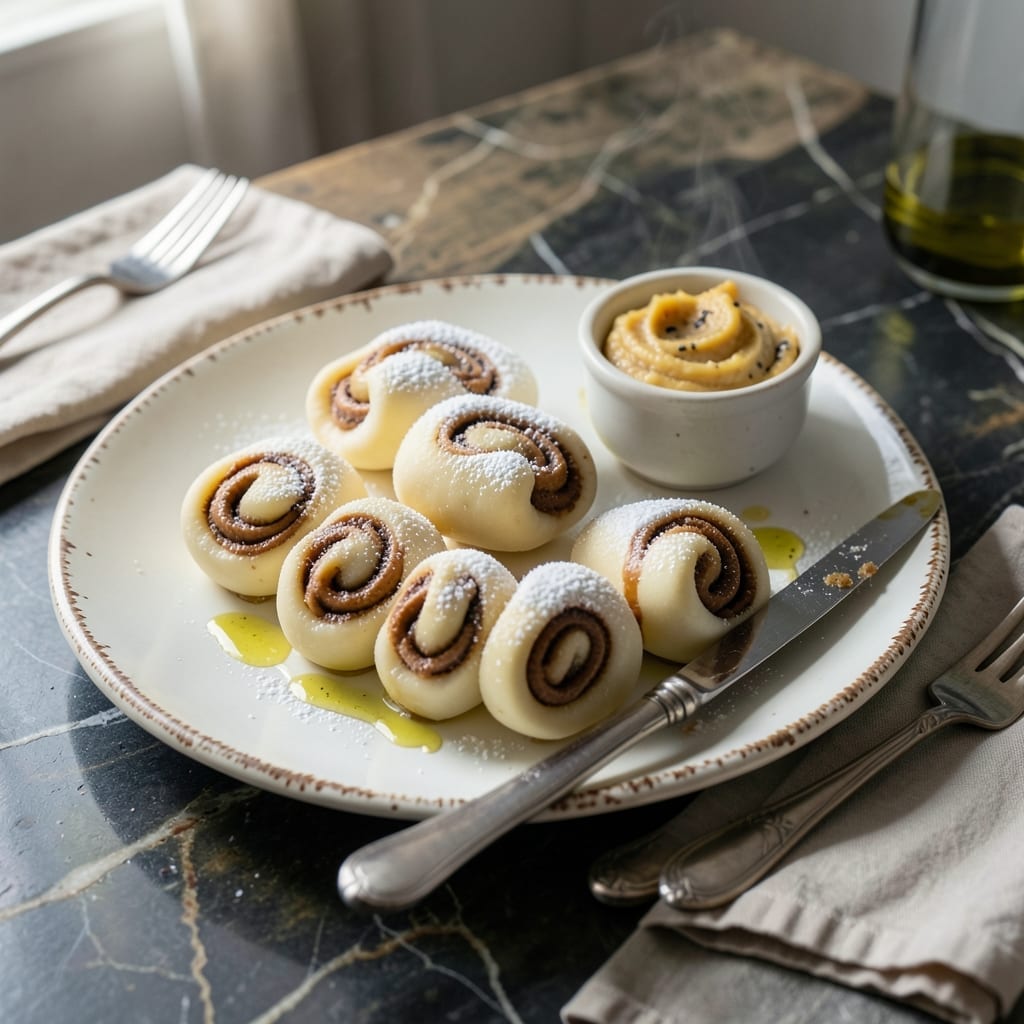
This vintage treat from 1933 proves that classic desserts never go out of style. The recipe combines simple pantry staples to create a nostalgic confection that’s surprisingly easy to make.
What makes this candy special is its unique use of mashed potatoes in the dough, which keeps the texture soft and pliable. The peanut butter filling adds a rich, nutty contrast that perfectly balances the sweetness.
The process is straightforward: roll out the dough, spread with peanut butter, then slice and roll into bite-sized pieces. The result is a melt-in-your-mouth candy with a delightful texture.
Ideal for holidays or when you want to share a piece of culinary history. This recipe delivers timeless flavor with minimal effort.
Ingredients for Potato Candy Recipe 1933
Simple pantry staples transform into a nostalgic confection with a soft, pliable texture.
| Ingredient | Amount | Notes |
|---|---|---|
| Russet Potatoes 🥔 | 1 whole | Medium-sized, cooked and mashed |
| Powdered Sugar 🍚 | 3 cups | Sifted for smooth texture |
| Peanut Butter 🥜 | 1 cup | Creamy variety preferred |
| Vanilla Extract 🌿 | 1 tsp | Pure vanilla for best flavor |
| Salt 🧂 | ¼ tsp | Fine grain preferred |
| Unsalted Butter 🧈 | 2 tbsp | Softened at room temperature |
| Granulated Sugar 🍚 | ½ cup | For dusting work surface |
| All-Purpose Flour 🌾 | 2 cups | For rolling out dough |
| Milk 🥛 | 2 tbsp | As needed for dough consistency |
The potatoes are key here—Russet gives the right texture. Cook and mash them while warm (the good stuff, not instant). For the peanut butter, Jif or Skippy creamy work perfectly. Most grocery stores carry these. The powdered sugar should be fresh and lump-free, so sift it if it’s been sitting a while. Butter matters too—unsalted lets you control the salt content precisely.
No peanut butter? Almond or cashew butter work at a 1:1 ratio. Short on powdered sugar? Blend granulated sugar in a high-powered blender until fine. The vanilla extract can be swapped for almond extract if you prefer. The dough can be a bit sticky—don’t skip the flour on your work surface. Milk can be any kind you have on hand, dairy or plant-based.
Store in an airtight container at room temperature for up to 1 week. For longer storage, freeze for up to 3 months. Let it come to room temperature before serving for the best texture. Dust with extra powdered sugar if it starts to look dull.
Why You’ll Love This Recipe
- Five Ingredients Only: I love that this vintage treat needs just potatoes, sugar, peanut butter, vanilla, and salt—no fancy shopping required.
- Sweet-Salty Magic: The creamy potato base with rich peanut butter and a hint of vanilla hits that perfect sweet-salty note every time.
- Holiday Tradition: Between us, this is my go-to for cookie swaps and potlucks—everyone’s surprised potatoes can taste this good.
- Budget Stretcher: A pound of russets makes a big batch, so it’s my secret for feeding a crowd without breaking the bank.
Step-by-Step Instructions for Potato Candy
Here’s the method that brings this vintage treat together with consistent, delicious results.
Step 1: Prepare the Potato Base
Begin by cooking and mashing the 1 whole Russet Potatoes until completely smooth with no lumps. I recommend boiling the potato in its skin to retain moisture, then peeling and mashing while hot. The potato should be warm when you mix it with the other ingredients.
Add the mashed potato to a large bowl along with the 1 cup Peanut Butter, 1 tsp Vanilla Extract, and 0.25 tsp Salt. Stir until fully combined and smooth. The warmth from the potato helps blend everything together effortlessly. You’ll notice the mixture will be slightly sticky—that’s exactly what you want.
Step 2: Incorporate the Powdered Sugar
Gradually add the 3 cups Powdered Sugar to the potato-peanut butter mixture, about 1 cup at a time. I’ve found that sifting the powdered sugar first prevents any potential clumps in the final candy. Mix thoroughly after each addition until fully incorporated.
The dough will become thicker and more manageable as you add the sugar. By the time you’ve added all the sugar, you should have a firm but pliable dough that holds its shape when pressed. If it feels too dry, don’t worry—the warmth from your hands during rolling will help bring it together.
Step 3: Roll Out and Fill the Candy
Dust your work surface generously with 0.5 cup Granulated Sugar. This prevents sticking and adds a subtle sweetness to the exterior. Roll out the dough into a large rectangle, about ¼-inch thick. The dough should be smooth and easy to handle.
Spread the 2 tbsp Unsalted Butter evenly over the rolled-out dough, leaving a small border around the edges. Starting from one long side, carefully roll the dough into a tight log, using the granulated sugar to help prevent sticking. The log should be firm enough to hold its shape.
Step 4: Chill and Slice the Candy
Wrap the log tightly in plastic wrap and refrigerate for at least 2 hours or until firm. Chilling is crucial—it makes the candy much easier to slice cleanly. I often leave it overnight for the best results, allowing the flavors to meld together beautifully.
Once chilled, use a sharp knife to slice the log into ½-inch thick pieces. You should get about 12-16 pieces from the log. If the dough starts to stick to the knife, simply dip the blade in warm water and wipe it dry between slices for cleaner cuts.
Step 5: Optional Coating and Serving
For an extra touch, you can roll each slice in additional granulated sugar or powdered sugar before serving. If the dough feels slightly dry when slicing, add 2 tbsp Milk, 1 tablespoon at a time, to achieve the right consistency.
Store the candy in an airtight container at room temperature for up to 5 days. The texture improves slightly after a day, as the flavors continue to develop. Each piece should have a smooth, creamy interior with a slightly sweet, firm exterior.
Pro Tips For Making Potato Candy Recipe 1933
- Boil Evenly: Cut russet potatoes into uniform 1-inch cubes so they cook at the same rate—no one wants a mushy center with undercooked edges. I learned this the hard way after my first batch turned to half paste, half rock.
- Powder First: Sift your powdered sugar before mixing it with the mashed potatoes. It prevents lumps that can ruin the smooth texture the 1933 version is known for.
- Skip Wet Peanut Butter: Use natural peanut butter but drain off the excess oil first. The candy won’t set properly if there’s too much grease in the mix.
- Chill Before Rolling: Let the potato-sugar mixture cool in the fridge for 30 minutes before shaping. Sounds weird, but it makes the dough way easier to handle and stops it from sticking to everything.
Regional Styles of This potato candy recipe 1933
Appalachian Tradition
In the Appalachian region, this treat was often made during harvest time when potatoes were abundant. Families would gather to roll out the dough together, making it a communal activity. The addition of local honey instead of vanilla was a common variation I’ve come across in old family recipes. 💛
Midwestern Adaptation
Midwestern versions often include a touch of cinnamon or nutmeg in the dough for warmth. The peanut butter filling might be swapped for pecan butter to highlight regional nuts. This version became popular in church cookbooks across Ohio and Indiana during the 1930s.
Southern Peanut Twist
Southern cooks frequently used crunchy peanut butter for added texture. Some recipes call for rolling the finished candies in chopped peanuts for extra crunch. The candy was often served at holiday gatherings, especially around Christmas and Easter.
New England Simplicity
In New England, the recipe was simplified to use only mashed potatoes, powdered sugar, and butter. The peanut butter was sometimes omitted entirely, creating a more delicate candy. This version was particularly popular in Maine, where it was known as “potato fudge.”
Pennsylvania Dutch
Pennsylvania Dutch communities added a touch of maple syrup to the dough. The candy was often shaped into small balls rather than rolled logs. This variation remains a favorite at Amish markets and holiday fairs. 🗺️
Nutrition Facts
Frequently Asked Questions
Why use potatoes in candy?
Potatoes create a soft, pliable texture that holds shape well. They also add moisture without making the candy too sweet. The 1933 version used this trick during the Great Depression to stretch ingredients further.
Can I use sweet potatoes instead?
Yes, but reduce powdered sugar by ½ cup since sweet potatoes are naturally sweeter. The flavor will be slightly different but still delicious.
How do I fix sticky dough?
Add 1-2 tablespoons more powdered sugar or chill the dough for 30 minutes. Dust your surface with extra flour to prevent sticking.
What’s the best way to store these?
Keep in an airtight container at room temperature for up to 1 week. For longer storage, freeze for up to 3 months.

- Potato Chops Recipe Indian: Spiced Crispy Patties With Golden Crust - October 30, 2026
- Pot Roast Recipe With Brown Gravy Mix: Slow-Cooked Richness With Savory Depth - October 30, 2026
- Potato Soup Recipe Using Hashbrowns: Creamy Texture Without the Peel - October 30, 2026