
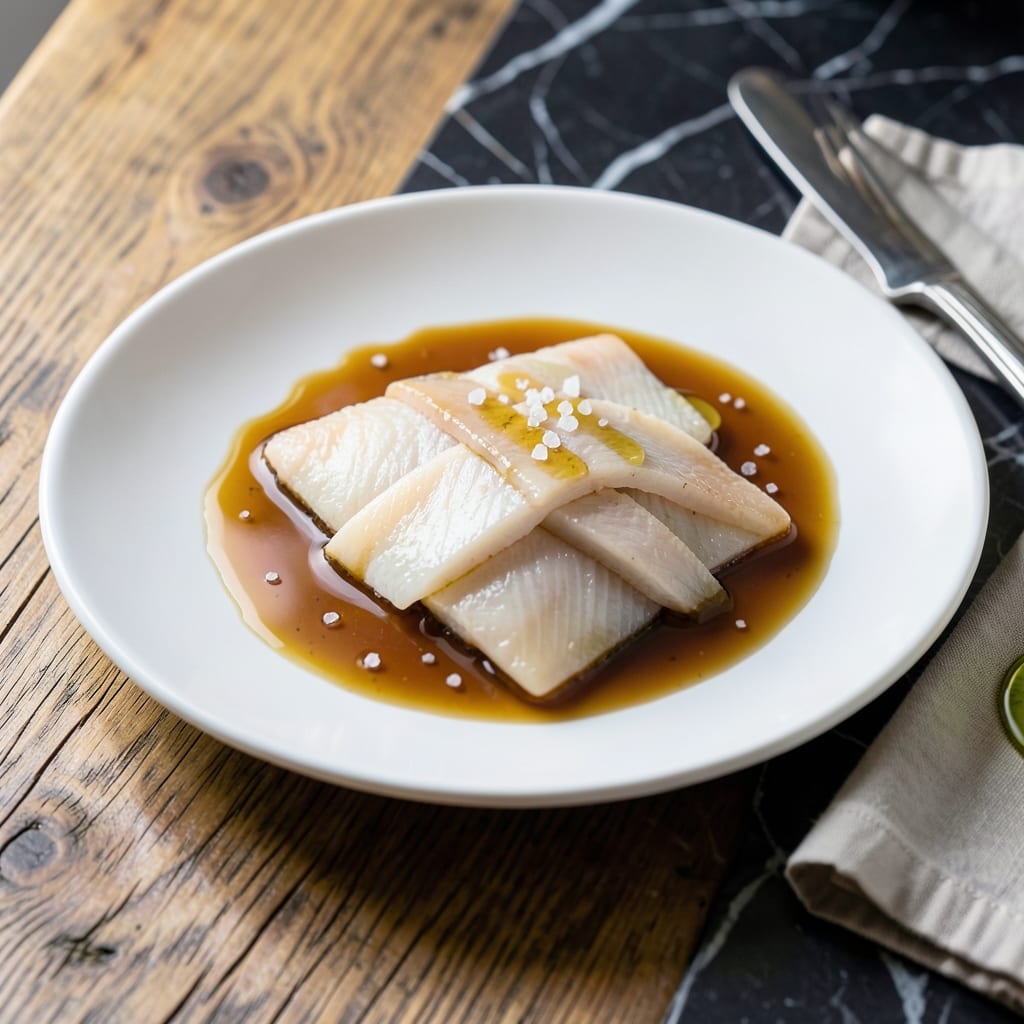
This pickled fish recipe transforms fresh catches into a vibrant, tangy dish that improves with time. After testing multiple brining methods, I’ve refined a process that balances white wine’s acidity with citrus and herbs for depth.
The key is patience—letting the fish cure in the refrigerator for 24 to 48 hours ensures the flavors fully develop. The white wine brine keeps the fish tender while adding a subtle, sophisticated note.
You’ll end up with a dish that’s bright, aromatic, and perfect for serving cold. The longer it sits, the more the flavors meld, making it ideal for meal prep or gatherings.
Serve with crusty bread or as part of a charcuterie spread. Here’s how to make it.
Ingredients for Pickled Fish Recipe White Wine
Fresh fish, bright citrus, and herbs make this dish sing. Nothing complicated here.
| Ingredient | Amount | Notes |
|---|---|---|
| White Fish Fillets 🐟 | 1 ½ lb | Firm white fish like cod or halibut |
| White Wine 🍷 | 2 cups | Dry variety like Sauvignon Blanc |
| White Wine Vinegar 💧 | 1 cup | For acidity balance |
| Water 💧 | 1 cup | Filtered preferred |
| Granulated Sugar 🍚 | ½ cup | Dissolves into brine |
| Kosher Salt 🧂 | 2 tbsp | Diamond Crystal preferred |
| Lemon 🍋 | 1 whole | Thinly sliced for brine |
| Orange 🍊 | 1 whole | Thinly sliced for brine |
| Red Onion 🧅 | 1 whole | Thinly sliced for brine |
| Fresh Dill 🌿 | ¼ cup | Chopped, stems okay |
| Bay Leaves 🍃 | 4 pieces | Dried, for brine depth |
| Black Peppercorns 🌶️ | 1 tbsp | Whole, lightly crushed |
| Mustard Seeds 🌿 | 1 tbsp | Yellow or brown variety |
| Olive Oil 🫒 | ¼ cup | For finishing drizzle |
The fish is the star—cod or halibut hold up best to the brine. Look for fresh, firm fillets at your seafood counter (I hit Whole Foods or the local fishmonger). The white wine should be dry and drinkable—Sauvignon Blanc or Pinot Grigio work perfectly. Don’t waste good wine here, but don’t use cooking wine either (that stuff’s salty and harsh).
No white wine? Apple cider vinegar plus a splash of water gets you close. Short on fresh dill? Dried dill at one-third the amount works in a pinch. The citrus can be swapped—lime or grapefruit add a fun twist. The sugar balances the acid, so don’t skip it unless you love pucker-face dishes (and even then, use half the amount).
The fish keeps curing in the fridge for up to 5 days—it actually gets better. Store in a glass jar (the brine’s acidic, so skip metal). Leftovers? Toss them on salads or crackers for a week (if they last that long).
Why You’ll Love This Recipe
- No Fuss Brine: I just mix white wine, vinegar, sugar, and water—no fancy techniques, and the fish does the rest.
- Bright Zing: The white wine vinegar gives it this clean, tangy kick that cuts through the richness of the fish.
- Weeknight Hero: Honestly, I throw it together Sunday and we’re eating it with crackers or bread all week.
- Budget Stretcher: One batch feeds us for days, and white fish fillets are usually affordable at my local market.
Step-by-Step Instructions for Pickled Fish with White Wine
This method delivers perfectly tender fish with bright, tangy flavor every time.
Step 1: Prepare the Brine Base
In a medium saucepan, combine the 2 cups white wine, 1 cup white wine vinegar, 1 cup water, 0.5 cup granulated sugar, and 2 tbsp kosher salt. Heat over medium heat until the sugar and salt fully dissolve, stirring occasionally.
Don’t let it boil—just warm it enough to dissolve the dry ingredients. You’ll know it’s ready when the liquid looks clear and you can’t see any sugar crystals at the bottom. This creates the perfect balance of sweet, sour, and salty for your brine.
Step 2: Add Aromatics and Cool
Once the brine base is ready, remove it from heat. Stir in the thinly sliced lemon, thinly sliced orange, thinly sliced red onion, 0.25 cup fresh dill, 4 bay leaves, 1 tbsp black peppercorns, and 1 tbsp mustard seeds.
Let the mixture cool to room temperature. I speed this up by placing the saucepan in a sink filled with ice water. The brine needs to be completely cool before adding the fish—hot liquid would start cooking the fillets instead of pickling them.
Step 3: Add Fish and Refrigerate
Place the 1.5 lb white fish fillets in a large glass or ceramic dish. Pour the cooled brine over the fish, making sure it’s completely submerged. If needed, weigh the fillets down with a small plate to keep them under the liquid.
Cover the dish and refrigerate for at least 24 hours, but 48 hours gives the best flavor penetration. The fish will turn opaque and absorb all those bright citrus and herb notes. Give the container a gentle shake once or twice during pickling to distribute the flavors.
Step 4: Serve with Finishing Touch
To serve, carefully remove the fish from the brine using a slotted spatula. Arrange the fillets on a serving platter and drizzle with the 0.25 cup olive oil. This adds a rich contrast to the tangy brine.
The pickled fish keeps well in the refrigerator for up to 5 days in its brine. The flavor actually improves over time, becoming more complex and delicious. Serve chilled with crusty bread or as part of a cheese board.
Pro Tips For Making Pickled Fish Recipe White Wine
- Chill the Fish First: Pat the white fish fillets dry and refrigerate for 30 minutes before pickling—this firms up the flesh so it doesn’t fall apart in the brine. I learned this the hard way after my first batch turned to mush.
- Balance the Brine: Use a 1:1 ratio of white wine to white wine vinegar, and make sure the sugar fully dissolves in warm water before mixing—otherwise, you’ll get uneven sweetness and a weak pickle.
- Skip the Boiling: Never pour hot brine over raw fish; let it cool completely first, or you’ll end up with a sad, rubbery texture instead of tender, flaky fillets.
- Use Dry White Wine: A crisp, dry white wine like Sauvignon Blanc works best—sweet wines can make the brine cloying, and I was skeptical until I tried it.
Perfect Pairings for This pickled fish recipe white wine
Bread and Crackers
I love serving this with sourdough baguette or water crackers—the crisp texture contrasts beautifully with the tender fish. Toast slices lightly and rub with a garlic clove for extra flavor. Pumpernickel adds a nice earthy depth too. 🥖
Cheese Pairings
A soft brie or goat cheese complements the acidity perfectly. I often set out a small cheese board with these options. The creamy texture balances the tangy brine wonderfully.
Fresh Accompaniments
Pickled vegetables like cornichons or red onions echo the dish’s tang. A simple green salad with lemon vinaigrette adds freshness without competing flavors.
Wine Pairings
Stick with the same dry white you used in the brine—Sauvignon Blanc or Pinot Grigio—for perfect harmony. The familiar notes will make each bite taste intentional. 🍷
Herb Garnishes
Sprinkle with extra fresh dill or chopped parsley before serving. A few capers scattered on top add a briny pop that enhances the fish.
Potato Sides
Serve with boiled new potatoes or roasted fingerlings for a heartier meal. Their mild flavor lets the pickled fish shine while adding satisfying substance.
Nutrition Facts
Frequently Asked Questions
Can I use a different type of vinegar?
Yes, but stick to white vinegars for best results. Apple cider vinegar works well, though it adds a slightly different flavor. Avoid balsamic or red wine vinegar as they can overpower the dish.
How long does it stay fresh in the fridge?
It keeps for up to 5 days in an airtight container. The flavor actually improves over time as the fish continues to absorb the brine. Just ensure it stays submerged.
What if my fish isn’t fully covered by the brine?
Use a small plate or food-safe weight to keep it submerged. This prevents uneven pickling and ensures consistent flavor throughout. Never skip this step!
Can I reuse the brine?
It’s best to make fresh brine for each batch. Reusing can lead to bacterial growth and off flavors. The ingredients are inexpensive enough to start fresh each time.

- Potato Candy Recipe 1933: Vintage Peanut Butter Roll Delight - October 30, 2026
- Potato Chip Cookie Recipe With Pecans: Buttery Crunch Meets Nutty Richness - October 30, 2026
- Potato Patty Recipe No Egg: Crispy Edges Without the Binder - October 30, 2026