
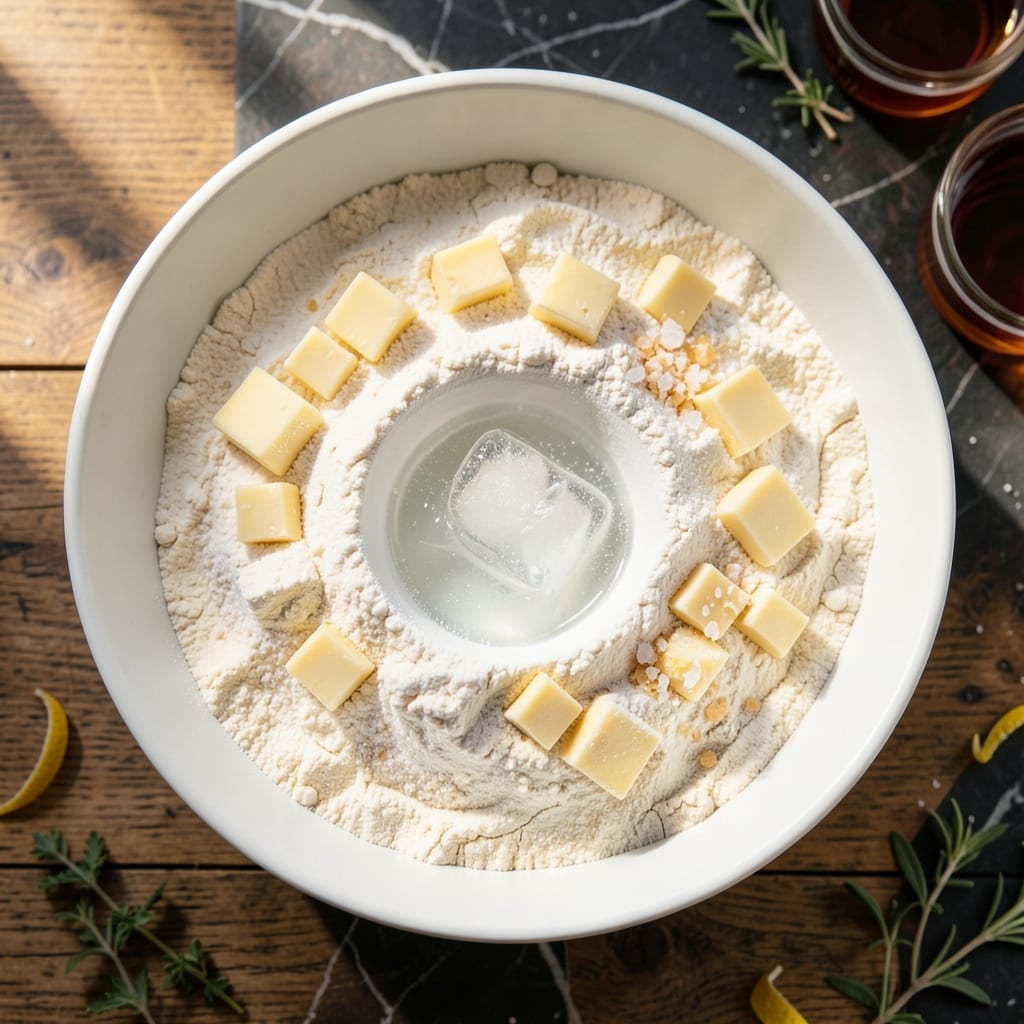
Achieving a perfect pie crust is the foundation of any great pie, and this method delivers flaky, buttery layers every time. The key lies in keeping the butter cold and handling the dough minimally.
This recipe uses a simple ratio of flour to butter, with just enough ice water to bring it together. The dough rests in the fridge for 30 minutes to relax the gluten, ensuring a tender, not tough, crust.
The result is a golden, perfect crust that holds its shape and provides the ideal texture for both sweet and savory pies. It’s versatile enough for any filling you choose.
Follow these steps closely, and you’ll have a pie crust that rivals any bakery. The process is straightforward, but precision matters.
Ingredients for Pie Crust Recipe Youtube
Six simple ingredients create that golden, flaky foundation for any filling.
| Ingredient | Amount | Notes |
|---|---|---|
| All-Purpose Flour 🌾 | 2 ½ cups | Spoon and level for accuracy |
| Unsalted Butter 🧈 | 1 cup | Ice cold, cubed |
| Ice Water 💧 | ½ cup | Plus extra as needed |
| Salt 🧂 | 1 tsp | Fine sea salt preferred |
| Granulated Sugar 🍚 | 1 tbsp | Optional for sweet pies |
| Apple Cider Vinegar 🍏 | 1 tbsp | Enhances flakiness |
The butter is non-negotiable here—use high-quality unsalted like Plugra or Kerrygold. It needs to stay ice cold, so cube it and chill again if your kitchen is warm. Flour matters too: King Arthur or Gold Medal give consistent results. Don’t pack it into the measuring cup (spoon and level, always). For the water, ice cold is key to keeping the butter from melting prematurely.
No apple cider vinegar? Lemon juice or white vinegar work just as well. The sugar is optional—skip it for savory pies or increase to 2 tbsp for extra-sweet crusts. Out of unsalted butter? Use salted but reduce the added salt by half. For a richer flavor, swap 1/4 cup of the water for cold vodka (it evaporates, leaving extra flakiness).
The dough keeps in the fridge for 2-3 days or freezes for 1 month. Wrap it tightly in plastic—air is the enemy. Thaw frozen dough in the fridge overnight. For the flakiest layers, rest the dough 30 minutes before rolling.
Why You’ll Love This Recipe
- One Bowl Magic: I just dump the flour, cold butter, and ice water in one bowl—no fancy tools, no mess.
- Buttery Layers: That flaky, golden crust from the butter and a pinch of sugar? Pure satisfaction.
- Endless Fillings: Sweet or savory, this crust handles fruit pies, quiches, even pot pies with ease.
Step-by-Step Instructions for Pie Crust
Here’s how I make the flakiest pie crust every single time—you’ll be amazed at the difference.
Step 1: Cut the Cold Butter into the Flour
In a large bowl, whisk together the 2.5 cups All-Purpose Flour, 1 tsp Salt, and 1 tbsp Granulated Sugar if making a sweet pie. I always use a fork for this—it breaks up any lumps and distributes the salt and sugar evenly.
Add the 1 cup Unsalted Butter, which must be ice cold and cubed into ½-inch pieces. Using a pastry cutter or your fingers, work the butter into the flour until the mixture resembles coarse crumbs with some pea-sized butter pieces visible. This creates those beautiful flaky layers we’re after.
Real talk: if your butter starts to melt, pop the bowl in the freezer for 5 minutes to chill everything back down. Cold butter is non-negotiable for perfect flakiness.
Step 2: Add the Liquid Ingredients
Create a well in the center of the flour mixture. Pour in the 0.5 cup Ice Water and 1 tbsp Apple Cider Vinegar. The vinegar might seem odd, but it tenderizes the gluten for a more delicate crust.
Using a fork, gently stir the mixture until it just starts to come together. You’ll see the dough begin to form clumps—that’s your signal to stop mixing. Don’t overwork it; we want to keep those butter pieces intact.
I’ve found that sometimes you need an extra 1-2 tablespoons of ice water to bring it all together, but start with the 0.5 cup and add more only if needed. The dough should hold together when pressed but not be sticky.
Step 3: Chill the Dough Before Rolling
Turn the dough out onto a lightly floured surface and gently shape it into a disk about 1 inch thick. Wrap it tightly in plastic wrap and refrigerate for at least 1 hour, or up to 2 days.
This chilling step is crucial—it relaxes the gluten and re-chills the butter, making the dough easier to roll out and preventing shrinkage during baking. I like to make my dough the night before for the best results.
Here’s the thing—if you try to roll it out immediately, it’ll be tough and elastic. The rest time makes all the difference in achieving that tender, flaky texture we’re aiming for.
Step 4: Roll and Shape the Crust
On a lightly floured surface, roll out the chilled dough to about ⅛-inch thickness. I use a rolling pin and start from the center, rolling outward in all directions. Rotate the dough occasionally to ensure even thickness.
To transfer to your pie dish, loosely roll the dough around the rolling pin, then unroll it over the dish. Gently press it into the bottom and up the sides, being careful not to stretch it. Trim any excess dough, leaving about a ½-inch overhang.
For a pre-baked crust, prick the bottom all over with a fork and freeze for 15 minutes before baking at 375°F for 15-18 minutes until light golden brown. This prevents puffing and ensures even baking.
Pro Tips For Making Pie Crust Recipe Youtube
- Chill the Butter: Cut the unsalted butter into small cubes and refrigerate for 15 minutes before mixing—this keeps it cold so it doesn’t melt into the flour, which is non-negotiable for flaky layers. I learned this the hard way after ending up with dense, tough crusts.
- Use Ice Water: Fill a glass with water and ice cubes, then measure from that for the ice water. The colder the water, the less it develops gluten in the flour, which actually changes the outcome to a tender, not chewy, crust.
- Skip Overworking: Mix just until the dough comes together, even if it looks shaggy. After burning three batches to crispy frustration, I finally figured out that overmixing makes the crust tough.
- Rest the Dough: Wrap the dough in plastic and refrigerate for at least 1 hour, or up to overnight. My grandmother swore by this, and she was right: it relaxes the gluten and makes rolling out so much easier.
Best Sauces and Condiments for This Recipe
Classic Egg Wash
Beat 1 egg with 1 tbsp water or milk for a golden sheen. Brush it over the crust just before baking. I always use a pastry brush for even coverage. This adds both color and a subtle richness to your creation. ✨
Sugar Glaze
For sweet pies, mix 1 tbsp melted butter with 1 tbsp granulated sugar. Brush lightly over the crust before baking. This creates a delicate, caramelized finish that complements fruit fillings perfectly.
Herb-Infused Butter
Melt 2 tbsp unsalted butter and mix with 1 tsp dried herbs like thyme or rosemary. Brush on savory pie crusts before baking. I love how this adds an aromatic depth to quiches and pot pies.
Citrus Zest Sprinkle
Before baking, sprinkle 1 tsp finely grated lemon or orange zest over the egg wash. This brightens up the flavor, especially for cream pies or custards. The citrus oils release beautiful aroma as it bakes.
Cinnamon Sugar Dust
Combine 1 tbsp sugar with ½ tsp cinnamon and dust over apple or pumpkin pie crusts. This adds a warm, spiced crunch that’s irresistible. I use Penzeys cinnamon for the best flavor. 💛
Honey Drizzle
For a natural sweetness, warm 2 tbsp honey and brush lightly over baked crusts. This works wonderfully with nut-based pies. Just be careful not to overdo it, as honey can make the crust too sticky.
Nutrition Facts
Frequently Asked Questions
Why does my crust turn out tough?
Overworking the dough develops too much gluten. Mix just until combined, and keep ingredients ice cold. Handle the dough as little as possible for tender, flaky results.
Can I make the dough ahead?
The dough keeps in the fridge for 2-3 days or freezes for 1 month. Wrap it tightly in plastic to prevent drying. Thaw frozen dough overnight before rolling.
What’s the best fat for flaky layers?
Cold butter is ideal for flavor and flakiness. For extra crispness, try substituting ¼ cup with leaf lard. Always keep fat ice cold until it hits the oven.
How do I prevent a soggy bottom?
Blind bake the crust first for 15 minutes at 375°F. Prick the bottom with a fork and use pie weights to maintain shape. For fruit pies, brush the crust with egg white before adding filling.

- Potato Candy Recipe 1933: Vintage Peanut Butter Roll Delight - October 30, 2026
- Potato Chip Cookie Recipe With Pecans: Buttery Crunch Meets Nutty Richness - October 30, 2026
- Potato Patty Recipe No Egg: Crispy Edges Without the Binder - October 30, 2026