
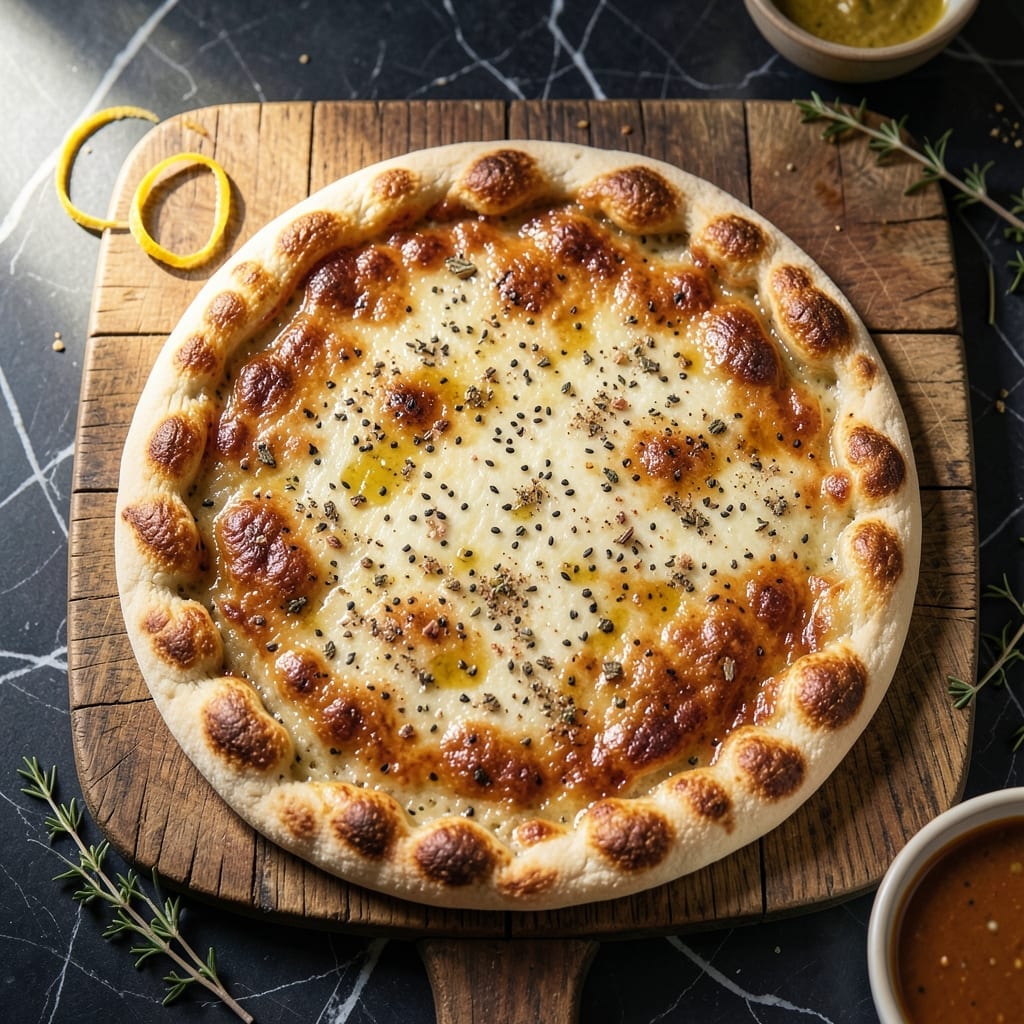
I’ve perfected a pizza crust that delivers restaurant-quality texture using just all-purpose flour and no yeast. This method relies on a simple chemical reaction between baking powder and buttermilk to create lift, eliminating the need for proofing time.
The dough comes together in minutes, requiring only a brief rest before rolling. It bakes into a golden, slightly crisp crust with a tender interior—ideal for quick weeknight pizzas when you’re short on time but unwilling to compromise on flavor.
What makes this recipe stand out is its reliability. Unlike yeast-based doughs that can be finicky, this version consistently produces a sturdy base that holds toppings without sogginess. The baking powder ensures even rise, while the buttermilk adds subtle tang.
Ready in 30 minutes start to finish, this crust proves you don’t need specialty ingredients for exceptional results.
Ingredients for Pizza Crust Recipe with All Purpose Flour
Simple pantry ingredients create a sturdy, golden crust for restaurant-quality pizza at home.
| Ingredient | Amount | Notes |
|---|---|---|
| All-Purpose Flour 🌾 | 3 cups | Plus extra for dusting surface |
| Baking Powder 🧂 | 2 tbsp | Ensures even rise and lift |
| Sea Salt 🧂 | 1 tsp | Fine grain for even distribution |
| Buttermilk 🥛 | 1 cup | Full-fat for richness and tang |
| Olive Oil 🫒 | 2 tbsp | Extra-virgin preferred for flavor |
| Granulated Sugar 🍚 | 1 tsp | Balances acidity in buttermilk |
| Cornmeal 🌽 | ¼ cup | For dusting pan, adds crunch |
| Garlic Powder 🧄 | 1 tsp | Optional, for flavor enhancement |
| Dried Oregano 🌿 | 1 tsp | Optional, for Italian seasoning |
| Water 💧 | 2 tbsp | As needed for dough consistency |
The flour and buttermilk are critical for texture. Use a reputable brand like King Arthur for all-purpose flour—higher protein content improves structure. Buttermilk must be full-fat (I prefer Organic Valley or Cultured Low-Fat as a backup) for the chemical reaction with baking powder. The olive oil adds tenderness, so California Olive Ranch or Bertolli extra-virgin are reliable choices.
No buttermilk? Whole milk plus lemon juice (1 tbsp per cup) works in a pinch. All-purpose flour can be swapped for bread flour at a 1:1 ratio for extra chew. Skip the cornmeal? Semolina or extra flour dusting works too. For a richer flavor, replace 2 tbsp olive oil with melted butter (still vegetarian). The sugar helps with browning but can be omitted.
Dough rests best at room temperature for about 15 minutes—don’t skip this step. Store leftover buttermilk in the fridge for up to 2 weeks. Pre-made dough balls keep in the fridge for 24 hours or freeze for 3 months. Always bring dough to room temperature before rolling for best results.
Why You’ll Love This Recipe
- Five Ingredients: I love that this crust comes together with just flour, baking powder, salt, buttermilk, and olive oil—no yeast, no waiting.
- Crisp Yet Tender: The buttermilk gives it a rich depth while the olive oil bakes into a golden, flaky edge.
- Endless Toppings: Honestly, it holds up to anything from margherita to loaded veggie without getting soggy.
- Pantry Staples: Between us, I always have these ingredients on hand, so pizza night never requires a store run.
Step-by-Step Instructions for Pizza Crust With All Purpose Flour
This no-yeast method delivers a crisp, flavorful crust in record time.
Step 1: Combine Dry Ingredients for Even Leavening
In a large mixing bowl, whisk together the 3 cups All-Purpose Flour, 2 tbsp Baking Powder, 1 tsp Sea Salt, 1 tsp Granulated Sugar, 1 tsp Garlic Powder, and 1 tsp Dried Oregano until fully integrated. The baking powder ensures a consistent rise without yeast, while the sugar balances the tang of the buttermilk.
I always sift the flour first to prevent lumps, which can lead to uneven texture in the finished crust. The garlic powder and oregano add depth, but they’re optional—omit them if you prefer a neutral base for versatile toppings.
Step 2: Incorporate Wet Ingredients for Moisture and Flavor
Create a well in the center of the dry mixture. Pour in the 1 cup Buttermilk and 2 tbsp Olive Oil, then stir with a wooden spoon until the dough begins to come together. The buttermilk’s acidity reacts with the baking powder for lift, while the olive oil adds richness and tenderness.
If the dough feels too dry or crumbly, add the 2 tbsp Water, 1 tablespoon at a time, until it holds shape. You want a slightly sticky but manageable consistency—overworking it now will make the crust tough.
Step 3: Knead and Rest for Optimal Texture
Turn the dough onto a lightly floured surface dusted with All-Purpose Flour. Knead gently for 1-2 minutes until smooth and elastic. Unlike yeast doughs, this requires minimal kneading—just enough to distribute the ingredients evenly.
Shape the dough into a ball, cover it with a damp towel, and let it rest for 10 minutes. This brief pause relaxes the gluten, making it easier to roll out without springing back. The dough should feel supple but not sticky after resting.
Step 4: Roll and Prepare for Baking
Preheat your oven to 425°F. Lightly grease a baking sheet or pizza stone and dust it with 0.25 cup Cornmeal to prevent sticking and add a subtle crunch to the crust’s underside.
Roll the dough out to a ¼-inch thickness on a floured surface. For a rustic look, leave the edges slightly thicker. Transfer the dough to the prepared baking sheet. If it resists stretching, let it rest for another 2-3 minutes before trying again.
Step 5: Pre-Bake for a Crisp Base
Bake the crust alone for 8-10 minutes until the edges start to turn light golden brown. This pre-baking step ensures the crust stays crisp and doesn’t become soggy under the toppings.
Remove from the oven and add your desired toppings immediately. Return to the oven and bake for an additional 10-12 minutes, or until the crust is deep golden brown and the toppings are heated through. Let cool for 2 minutes before slicing to allow the structure to set.
Pro Tips For Making Pizza Crust Recipe With All Purpose Flour
- Chill the Dough: After mixing, let the dough rest in the fridge for at least 30 minutes—this relaxes the gluten and makes it way easier to roll out.
- Warm the Buttermilk: Take the buttermilk out of the fridge 10 minutes before using, or microwave for 10-15 seconds, so it blends smoothly with the olive oil instead of clumping.
- Don’t Overwork It: I learned this the hard way—mix just until the dough comes together, or your crust will turn out tough and chewy instead of tender.
- Preheat the Pan: Get your baking sheet or cast iron screaming hot in the oven for 10 minutes before adding the dough—this guarantees a crispy bottom without soggy spots.
Make-Ahead Tips for Leftovers
Pre-Make Dough Balls
Mix the dough as directed, then divide into 4 equal portions (about 6 oz each). Shape each into a smooth ball, wrap individually in plastic wrap, and refrigerate for up to 24 hours. The cold rest enhances flavor and makes rolling easier.
Freeze for Later
For longer storage, place wrapped dough balls in a freezer bag and freeze for up to 3 months. Thaw overnight in the fridge before using. I always label with the date to track freshness.
Pre-Roll Crusts
Roll out the dough to ¼-inch thickness on parchment paper, then stack with parchment between each crust. Store in an airtight container in the fridge for 2 days or freeze for 1 month. 💡
Pre-Bake and Freeze
Bake the crusts for 8 minutes at 425°F, cool completely, then freeze between parchment sheets. Reheat directly from frozen with toppings for 12-15 minutes. This method saves time on busy nights.
Room Temperature Reminder
Always bring chilled dough to room temperature before rolling—about 30 minutes. Cold dough resists stretching and can tear. I set mine near the preheating oven to speed this up.
Cornmeal Prep
Dust your baking sheet with cornmeal before adding the dough. This prevents sticking and adds texture. For make-ahead, keep a small container of cornmeal ready in your pantry.
Nutrition Facts
Frequently Asked Questions
Can I use regular milk instead of buttermilk?
Yes! Mix 1 cup milk with 1 tbsp lemon juice or vinegar, then let sit for 5 minutes to create a buttermilk substitute. The acidity is key for reacting with baking powder.
Why pre-bake the crust first?
Pre-baking for 8-10 minutes at 425°F prevents sogginess by creating a sturdy base before adding toppings. This ensures a crisp texture.
Can I make this dough ahead of time?
Store wrapped dough balls in the fridge for up to 24 hours or freeze for 3 months. Let thaw and reach room temperature before rolling.
What if my dough is too sticky?
Add 1-2 tbsp flour at a time while kneading until manageable. Avoid over-flouring, as this can make the crust dense.

- Potato Candy Recipe 1933: Vintage Peanut Butter Roll Delight - October 30, 2026
- Potato Chip Cookie Recipe With Pecans: Buttery Crunch Meets Nutty Richness - October 30, 2026
- Potato Patty Recipe No Egg: Crispy Edges Without the Binder - October 30, 2026