
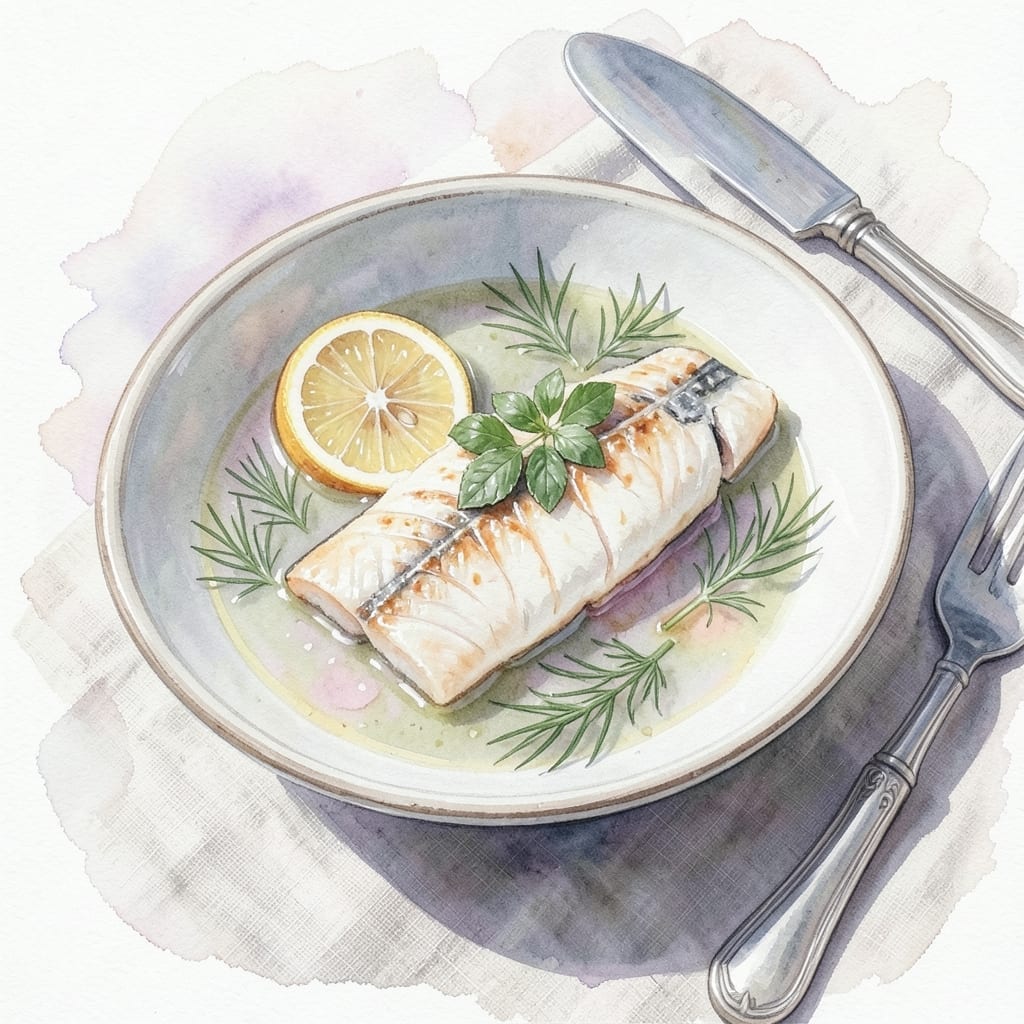
This gentle poaching method transforms white fish into flaky, tender perfection every time. The technique relies on low heat and a flavorful lemon broth that keeps the fish moist and delicate.
I developed this approach by carefully controlling the temperature—never letting the liquid reach a boil. This ensures the fish cooks evenly without breaking apart or becoming dry.
The result is a light, elegant dish with clean flavors that let the fish shine. The lemon broth adds subtle brightness while enhancing the natural sweetness of the seafood.
Serve with fresh herbs and a drizzle of the poaching liquid for maximum flavor in every bite.
Ingredients for Poached Fish Recipe Jamie Oliver
Delicate white fish meets bright lemon broth with fresh herbs for perfect poaching.
| Ingredient | Amount | Notes |
|---|---|---|
| White Fish Fillets 🐟 | 1 ½ lb | Cod, halibut, or haddock work well |
| Lemon Juice 🍋 | ½ cup | Freshly squeezed preferred |
| Water 💧 | 4 cups | For poaching liquid |
| White Wine 🍷 | 1 cup | Dry variety recommended |
| Lemon Slices 🍋 | 6 slices | Thin, for broth |
| Fresh Dill 🌿 | ¼ cup | Chopped, for garnish |
| Fresh Parsley 🍃 | ¼ cup | Chopped, for garnish |
| Garlic Cloves 🧄 | 4 cloves | Smashed for flavor infusion |
| Bay Leaves 🍃 | 2 whole | Dried or fresh |
| Black Peppercorns 🌶️ | 1 tsp | Whole, for broth |
| Olive Oil 🫒 | 2 tbsp | Extra-virgin for drizzling |
| Sea Salt 🧂 | 1 tsp | For seasoning fish and broth |
The fish is the star here. Cod, halibut, or haddock all work beautifully—just ensure they’re fresh (no fishy smell, firm texture). I grab mine from Whole Foods or a trusted local fishmonger. For the white wine, Sauvignon Blanc or Pinot Grigio add the right acidity without overpowering. The garlic and bay leaves are non-negotiable for the aromatic base.
No white wine? Substitute with extra water and a splash of white wine vinegar. Out of fresh dill? Tarragon or chives bring a similar brightness. The lemon can be bottled in a pinch (though fresh is miles better). If you only have dried herbs, use one-third the amount. The key is keeping the broth gentle and flavorful.
Poached fish keeps for 2 days in the fridge, but it’s best served fresh. Store the broth separately—it’s gold for soups or sauces. Leftovers? Flake into salads or tacos (don’t waste the flavor!).
Why You’ll Love This Recipe
- One Pan Wonder: I just drop the fillets in the simmering wine and lemon, no flipping, no fuss.
- Bright Citrus Zing: The white wine and lemon slices infuse the fish with a clean, fresh pop of flavor every single time.
- Weeknight Hero: Honestly, it’s my go-to for a light dinner that feels fancy but comes together in 15 minutes.
- Budget Friendly: A few affordable fillets and pantry staples stretch into a meal that feels restaurant-worthy.
Step-by-Step Instructions for Poached Fish in Lemon Broth
This method guarantees perfectly tender, flaky fish with bright citrus notes every time.
Step 1: Prepare the Poaching Liquid
In a large, deep skillet or wide pot, combine the 4 cups water, 1 cup dry white wine, 0.5 cup fresh lemon juice, 6 slices lemon slices, 1 whole yellow onion (thinly sliced), 3 cloves garlic cloves (lightly crushed), 2 pieces bay leaves, 1 tsp black peppercorns (lightly crushed), and 1 tbsp kosher salt.
Bring the mixture to a gentle simmer over medium heat. You want to see small bubbles forming at the edges, but not a rolling boil. A hard boil will make the fish tough and stringy, so maintain that gentle simmer. Let the liquid cook for 5-7 minutes to allow the flavors to meld.
Step 2: Poach the Fish Fillets
Gently lower the 1.5 lb white fish fillets into the simmering liquid. Make sure the fillets are fully submerged—if they aren’t, add a splash of water to cover them. Poach the fillets for 8-10 minutes depending on their thickness.
The fish is done when it turns opaque and flakes easily with a fork. Avoid overcooking, as this will dry out the fillets. The liquid should remain at a gentle simmer, not a boil, throughout the poaching process. If the liquid starts to boil, reduce the heat immediately.
Step 3: Finish and Serve
Using a slotted spatula, carefully transfer the poached fillets to a serving platter. Drizzle each fillet with 2 tbsp extra-virgin olive oil for a rich finish. If desired, add 2 tbsp unsalted butter to the warm poaching liquid and swirl until melted.
Spoon the warm broth over the fish, then sprinkle with the 0.25 cup fresh dill and 0.25 cup fresh parsley (both chopped). Serve immediately with extra broth on the side. The fish should be tender, moist, and infused with the bright, citrusy flavors of the poaching liquid.
Pro Tips For Making Poached Fish Recipe Jamie Oliver
- Use Cold Liquid: Start with cold water and wine—it gently brings the fish up to temperature, preventing that rubbery texture I got when I tried boiling liquid first.
- Check Thickness: Measure your fillets—anything over 1.5 inches needs an extra 2-3 minutes in the poaching liquid, or the center stays raw.
- Skip the Boil: Keep the liquid at a bare simmer, just tiny bubbles breaking the surface—hard boiling toughens the fish and muddles the lemon flavor.
- Add Lemon Last: Toss in the lemon slices only in the last 5 minutes of cooking—this keeps their oils bright instead of turning bitter from overcooking.
Storing and Reheating poached fish recipe jamie oliver
Refrigerator Storage
Let the fish cool in its broth for no more than 2 hours before transferring to airtight containers. I use glass containers to preserve freshness. Store at 40°F or below for up to 2 days maximum. 💡
Freezer Storage
Poached fish freezes well for up to 1 month. Place fillets in freezer-safe bags with some broth, removing excess air. Label with the date. The broth helps prevent freezer burn and maintains flavor.
Stovetop Reheating
Gently warm the fish and broth in a saucepan over low heat for 5-7 minutes. Avoid boiling to prevent drying out. I often add a splash of white wine to revive the flavors.
Microwave Method
Place fish in a microwave-safe dish with 2 tbsp broth. Cover with a damp paper towel and heat on 50% power for 1-2 minutes. Check frequently to avoid overcooking. ❄️
Serving Leftovers
Flake chilled fish into salads or tacos for a quick meal. The broth makes an excellent base for chowders or risottos. I love using leftovers in a light fish salad with lemon and herbs.
Nutrition Facts
Frequently Asked Questions
What’s the ideal temperature for poaching?
Keep the liquid at a gentle simmer, around 160-180°F. A rolling boil will toughen the fish. Look for small bubbles at the edges, not a vigorous bubbling.
Can I use frozen fish fillets?
Yes, but thaw them completely in the fridge overnight first. Pat dry before poaching to ensure even cooking. Frozen fish may take 1-2 minutes longer.
How do I know when the fish is done?
The fillets should turn opaque and flake easily with a fork. For 1-inch thick pieces, this takes about 8-10 minutes. Overcooking dries it out.
What can I substitute for white wine?
Use extra water with 1 tbsp white wine vinegar or lemon juice. For depth, add 1 tsp fish stock concentrate. The acidity balances the broth.

- BBQ Sausage Recipe Oven: Smoky Depth Without the Grill - September 28, 2026
- BBQ Chicken Bowl Recipe Rice: Smoky Sweetness Over Fluffy Grains - September 28, 2026
- Beef Cutlet Recipe Ideas: Crispy Breaded Patties With Bold Seasonings - September 28, 2026