
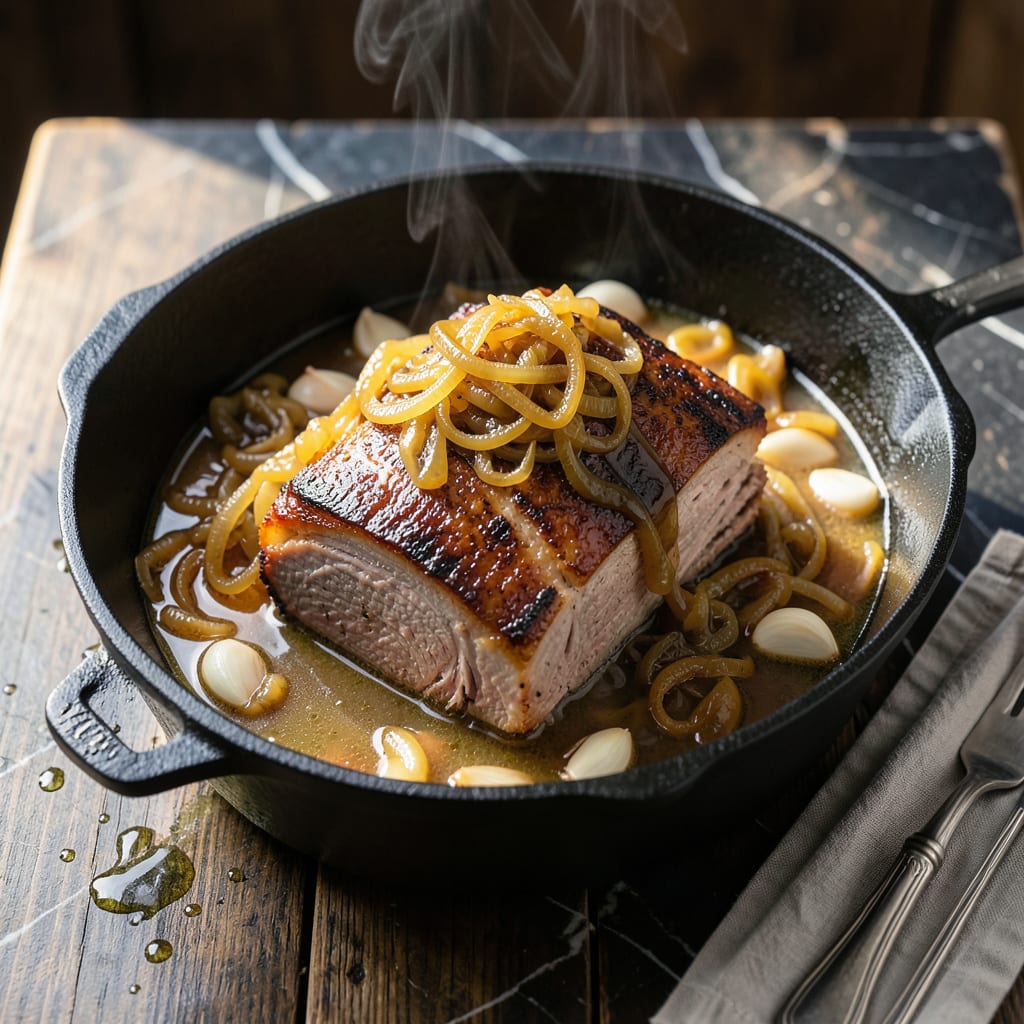
This slow-cooked pork and sauerkraut delivers a tangy, tender dish that’s pure comfort food. The long cooking time allows the flavors to meld beautifully.
Simple ingredients transform into a hearty meal that tastes like it’s been simmering for hours. Perfect for a cozy family dinner.
Ingredients for Pork and Sauerkraut Recipe Pioneer Woman
Slow-cooked pork meets tangy sauerkraut for a hearty, traditional dish everyone loves.
| Ingredient | Amount | Notes |
|---|---|---|
| Pork Shoulder 🥩 | 2 lb | Bone-in, well-marbled |
| Sauerkraut 🥬 | 1 lb | Rinsed and drained |
| Yellow Onion 🧅 | 1 whole | Medium-sized, thinly sliced |
| Garlic Cloves 🧄 | 4 cloves | Minced for depth |
| Chicken Broth 🥣 | 1 ½ cups | Low-sodium preferred |
| Apple Juice 🍎 | 1 cup | For natural sweetness |
| Juniper Berries 🌿 | 1 tsp | Lightly crushed |
| Bay Leaf 🍃 | 2 whole | Dried, whole leaves |
| Caraway Seeds 🌿 | ½ tsp | For authentic flavor |
| Black Peppercorns 🌶️ | 1 tsp | Freshly ground |
| Dijon Mustard 🟡 | 2 tbsp | For tangy depth |
| Brown Sugar 🟤 | 2 tbsp | Light or dark |
| Olive Oil 🫒 | 2 tbsp | For searing pork |
The pork shoulder is key here—bone-in, well-marbled cuts stay juicy through the long cook. Most butchers will cube it for you if asked. Costco has great pre-portioned packs. Look for sauerkraut in the refrigerated section near deli meats, not the canned aisle. Boar’s Head or Silver Floss are top-tier brands if you want to splurge on quality.
No apple juice? Cider or unsweetened applesauce works in a pinch. Caraway seeds can be skipped if you’re not a fan, but they add that classic tang. Dried thyme at half the amount can stand in for juniper berries. The mustard isn’t just for flavor—it helps tenderize the pork, so don’t skip it (any strong mustard works).
This tastes even better the next day. Leftovers keep 4-5 days in the fridge or freeze for 3 months. Reheat gently to keep the pork from drying out—microwave works, but stovetop is kinder.
Why You’ll Love This Recipe
- Dump and Go: I just toss the pork shoulder, sauerkraut, onion, and broth in the pot and let it do its thing—no babysitting required.
- Tangy Comfort: The sauerkraut soaks up the garlic and pork juices, creating this ridiculusly good sweet-sour bite that hits the spot every time.
- Feeds the Crew: Honestly, this makes enough for a weeknight dinner plus leftovers for sandwiches the next day.
- Pennywise Feast: Pork shoulder is cheap, sauerkraut lasts forever, and this still tastes like I spent hours in the kitchen.
Step-by-Step Instructions for Pork and Sauerkraut
Master this slow-cooked classic with proper layering and timing for optimal flavor development.
Step 1: Sear the Pork Shoulder for Depth
Heat the 2 tbsp olive oil in a Dutch oven over medium-high heat until shimmering. Pat the 2 lb pork shoulder dry with paper towels—this ensures a proper sear rather than steaming.
Sear the pork on all sides for 4-5 minutes per side until deeply golden brown. The fond created here will form the flavor base for your dish. Don’t rush this step; a dark, even sear develops complex flavors that define the final result.
Step 2: Build the Aromatic Foundation
Remove the pork and set aside. In the same pot, add the 1 whole yellow onion and cook for 3-4 minutes until softened and just beginning to caramelize. Add the 4 cloves garlic cloves and cook for 30 seconds until fragrant—but don’t let it brown.
Stir in the 2 tbsp brown sugar, 2 tbsp Dijon mustard, 1 tsp juniper berries, 2 whole bay leaf, 0.5 tsp caraway seeds, and 1 tsp black peppercorns. Toast the spices for 1 minute to release their essential oils before deglazing.
Step 3: Deglaze and Begin Braising
Pour in the 1 cup apple juice and 1.5 cups chicken broth, scraping up all browned bits from the bottom of the pot. These caramelized particles contain concentrated flavor that will infuse your braising liquid.
Return the pork shoulder to the pot, nestling it into the liquid. Add the 1 lb sauerkraut, pressing it down around the pork. The liquid should come about halfway up the pork—add a splash of water if needed.
Step 4: Slow Cook to Tenderness
Bring the mixture to a gentle simmer, then reduce heat to low. Cover and cook for 2.5-3 hours, turning the pork every 45 minutes to ensure even cooking and prevent sticking.
You’ll know it’s done when the pork shreds easily with a fork and the internal temperature reaches 195°F. The sauerkraut should be tender but still retain some texture, and the braising liquid will have reduced into a rich, tangy sauce.
Step 5: Rest and Serve
Remove the pork and let it rest for 10-15 minutes before shredding or slicing. This allows the juices to redistribute, ensuring moist, flavorful meat. Discard the bay leaves before serving.
Serve the pork atop the sauerkraut with plenty of the braising liquid spooned over. The ideal serving temperature is hot, with the sauce slightly thickened from the natural pectin in the apples and onions.
Pro Tips For Making Pork And Sauerkraut Recipe Pioneer Woman
- Sear the Pork: Brown the pork shoulder in batches in a hot pan with a little oil—this builds deep flavor that simmering alone can’t match. I learned this the hard way after making pale, bland versions for years.
- Rinse the Sauerkraut: Drain and rinse the sauerkraut under cold water to remove excess salt and acidity. My grandmother swore by this, and it keeps the dish from being overwhelmingly sour.
- Don’t Skip the Broth: Use at least 2 cups of chicken broth to keep the sauerkraut moist during cooking—it prevents dryness and adds richness. Sounds simple, but it actually changes the outcome.
- Low and Slow Wins: Let the pork and sauerkraut simmer covered for at least 2 hours on low heat, so the pork becomes fork-tender and the flavors meld. I was skeptical until I tried it.
Regional Styles of These Flavors
Pennsylvania Dutch Style
In Pennsylvania, this dish is a New Year’s Day staple. The tangy sauerkraut represents prosperity, while the pork symbolizes progress. I love adding 1 diced apple to the pot for extra sweetness, just like my grandmother did. 💛
German Tradition
In Germany, they often use pork loin instead of shoulder and add 1 cup dry white wine to the braising liquid. The result is slightly more refined but equally comforting. Serve with boiled potatoes for an authentic touch.
Alsatian Approach
The French region of Alsace makes this with smoked pork and Riesling wine. They also include 1 tsp coriander seeds for depth. The wine adds a bright, fruity note that balances the sauerkraut beautifully.
Southern U.S. Twist
Down South, they might add 1 chopped green bell pepper and 1 tsp smoked paprika for a little kick. The paprika gives it a subtle smokiness that pairs well with the tangy sauerkraut.
Polish Variation
Polish cooks often include 1 diced carrot and 1 celery stalk in the braise. They also use kielbasa sausage instead of pork shoulder for a quicker version. The sausage adds a smoky depth.
Hungarian Style
Hungarians love their paprika, so they add 1 tbsp sweet paprika to the pot. They also use sour cream to finish the dish, which adds a rich, creamy element that’s absolutely divine.
Nutrition Facts
Frequently Asked Questions
Can I use a different cut of pork?
Yes, pork loin works but may dry out. Stick with shoulder or butt for best results. These cuts have more fat, keeping the meat tender during the 2.5-3 hour cook.
Why rinse the sauerkraut?
Rinsing removes excess salt and mellows the tang. Skip this if you prefer a sharper flavor, but most find rinsed kraut more balanced in the finished dish.
Can I make this in a slow cooker?
Sear the pork first, then cook on low for 6-8 hours. The flavors develop beautifully, though the texture may be slightly less concentrated than stovetop.
What if my sauce is too thin?
Simmer uncovered for 10-15 minutes to reduce. Or mix 1 tbsp cornstarch with cold water and stir in at the end for a quick thicken.

- BBQ Sausage Recipe Oven: Smoky Depth Without the Grill - September 28, 2026
- BBQ Chicken Bowl Recipe Rice: Smoky Sweetness Over Fluffy Grains - September 28, 2026
- Beef Cutlet Recipe Ideas: Crispy Breaded Patties With Bold Seasonings - September 28, 2026