
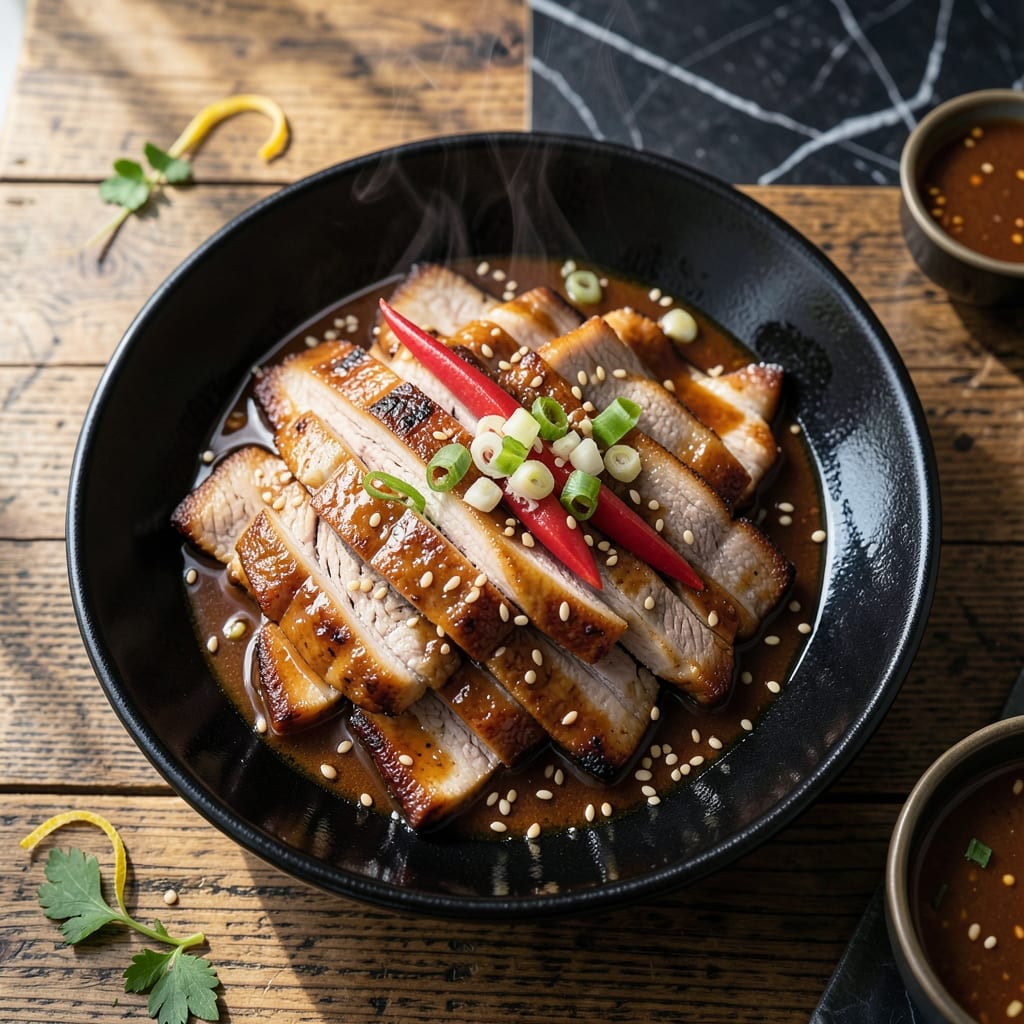
This Korean pork bulgogi delivers sweet and savory perfection with a marinade that transforms thin slices of pork into tender, caramelized bites. The combination of soy sauce, sugar, garlic, and Asian pear creates a flavor profile that’s both rich and balanced.
Marinating for at least 2 hours allows the pork to absorb maximum flavor, while cooking at high heat ensures those signature crispy edges. Traditional Korean techniques guarantee authentic results every time.
Serve this dish with steamed rice and kimchi for a complete meal that’s both satisfying and true to its cultural roots. The pork comes out juicy and packed with umami depth.
This recipe stays true to Maangchi’s approach while making it accessible for home cooks. The results speak for themselves with every bite.
Ingredients for Pork Bulgogi Recipe Maangchi
Thin pork slices meet a flavor-packed marinade with soy, pear, and garlic for authentic Korean bulgogi.
| Ingredient | Amount | Notes |
|---|---|---|
| Pork Shoulder 🥩 | 1 ½ lb | Thinly sliced, about 1/8-inch thick |
| Soy Sauce 🫒 | ½ cup | Low-sodium preferred for balance |
| Brown Sugar 🍚 | ⅓ cup | Light or dark works fine |
| Asian Pear 🍐 | ½ whole | Peeled, grated for tenderizing |
| Garlic Cloves 🧄 | 6 cloves | Minced for maximum flavor infusion |
| Fresh Ginger 🌿 | 1 tbsp | Peeled, finely grated |
| Sesame Oil 🫒 | 2 tbsp | Toasted for depth of flavor |
| Green Onions 🧅 | 4 whole | Thinly sliced, green parts only |
| Toasted Sesame Seeds 🌰 | 1 tbsp | For garnish and texture |
| Black Pepper 🌶️ | ½ tsp | Freshly ground preferred |
| Rice Wine 🍶 | 2 tbsp | Mirin or dry sherry as substitute |
| GoChujang 🌶️ | 1 tbsp | Korean chili paste, optional for heat |
| Neutral Cooking Oil 🫒 | 2 tbsp | For high-heat cooking |
| Steamed White Rice 🍚 | 4 cups | Cooked, for serving |
| Kimchi 🥬 | 1 cup | Traditional side, optional |
The pork is everything here. Pork shoulder (or pork butt) offers the perfect fat-to-meat ratio for juicy, caramelized results. Asian markets often carry pre-sliced pork for bulgogi, saving prep time. If slicing at home, freeze the pork for 30 minutes first for cleaner, thinner slices. The Asian pear is non-negotiable—its enzymes tenderize the meat while adding subtle sweetness (Bosc pears work in a pinch).
No Asian pear? Kiwi or pineapple provides similar tenderizing properties (use 1/4 cup purée). Swap brown sugar for honey or maple syrup if needed. For gluten-free, use tamari instead of soy sauce. The gochujang is optional but adds authentic heat—Sriracha at half the amount works. Rice wine can be omitted, but it balances the sweetness beautifully.
Marinate the pork for up to 24 hours in the fridge for deeper flavor. Cooked bulgogi keeps well for 3-4 days refrigerated or freezes for 3 months. Always slice against the grain for maximum tenderness, and don’t overcrowd the pan—this ensures proper caramelization.
Why You’ll Love This Recipe
- One Pan Wonder: I just toss the pork shoulder with soy sauce, brown sugar, and grated Asian pear, then let it marinate while I prep the rest of dinner.
- Sweet-Savory Magic: The brown sugar caramelizes with the soy sauce, and the Asian pear keeps the pork impossibly tender.
- Family Approved: Between us, even my picky nephew goes back for seconds when I serve this over rice with quick-pickled cucumbers.
- Budget Stretcher: A pound of pork shoulder feeds us for two meals, and honestly, it tastes even better the next day in lettuce wraps.
Step-by-Step Instructions for Korean Sweet and Savory Marinated Grill
Master the technique for tender, caramelized pork with authentic Korean flavors every time.
Step 1: Prepare the Marinade Base
In a large bowl, combine the 0.5 cup soy sauce, 0.33 cup brown sugar, 2 tbsp rice wine, 1 tbsp gochujang, 2 tbsp sesame oil, and 0.5 tsp black pepper. Whisk vigorously until the brown sugar fully dissolves and the mixture becomes smooth and glossy.
This base creates the signature balance of sweet, salty, and umami that defines this dish. I always use low-sodium soy sauce here to prevent the final product from becoming overly salty as the marinade reduces during cooking.
Step 2: Incorporate Aromatics and Tenderizer
Add the 6 cloves minced garlic cloves, 1 tbsp finely grated fresh ginger, and 0.5 whole grated Asian pear to the marinade. The pear contains enzymes that naturally tenderize the pork shoulder, while the garlic and ginger infuse deep, aromatic layers.
Mix thoroughly to distribute the aromatics evenly. The marinade should have a slightly chunky texture from the grated pear and minced garlic. Let it sit for 5 minutes to allow the flavors to begin melding while you prepare the pork.
Step 3: Marinate the Pork
Add the 1.5 lb thinly sliced pork shoulder to the marinade, ensuring each piece is fully coated. Use your hands to massage the marinade into the meat for 2-3 minutes—this ensures maximum flavor penetration and helps the pork absorb the liquid.
Cover the bowl with plastic wrap and refrigerate for at least 4 hours, though overnight marination yields the most tender and flavorful results. The pork should darken slightly as it absorbs the marinade.
Step 4: Cook the Bulgogi
Heat 2 tbsp neutral cooking oil in a large skillet or grill pan over medium-high heat until it shimmers. Working in batches to avoid crowding, add the marinated pork in a single layer. Cook undisturbed for 3-4 minutes until the edges caramelize and turn deep brown.
Flip the pork and cook for another 3-4 minutes until fully cooked through and the sauce has thickened into a glossy glaze. The pork should be tender with slightly charred edges from the sugar in the marinade.
Step 5: Finish and Serve
Transfer the cooked pork to a serving platter. Sprinkle with 4 whole thinly sliced green onions and 1 tbsp toasted sesame seeds, then toss lightly to distribute the garnishes. The green onions add a fresh, crisp contrast to the rich pork.
Serve immediately over 4 cups steamed white rice with 1 cup kimchi on the side. The rice soaks up the extra sauce beautifully, while the kimchi provides a tangy, spicy counterpoint to the sweet and savory pork.
Pro Tips For Making Pork Bulgogi Recipe Maangchi
- Slice Thin Against Grain: Cut the pork shoulder into 1/8-inch slices against the grain—I learned this the hard way when my first batch turned out chewy instead of melt-in-your-mouth tender.
- Grate the Pear Fine: Use a microplane for the Asian pear to get a smooth, almost juice-like consistency that blends seamlessly into the marinade.
- Marinate 4 Hours Minimum: After rushing it once with just 30 minutes, I now know the flavors need at least 4 hours (overnight is even better) to fully penetrate the pork.
- High Heat, Quick Sear: Cook the marinated pork in batches over high heat for 2-3 minutes per side to get those beautiful caramelized edges without steaming the meat.
Dietary Considerations for This Recipe
Gluten-Free Adaptation
For a gluten-free version, swap the soy sauce for tamari or a certified gluten-free alternative. I recommend San-J Tamari as it maintains the same depth of flavor without compromising texture. 💡
Low-Sodium Option
Reduce the sodium by using low-sodium soy sauce and cutting the brown sugar by 2 tbsp. Boost umami with 1 tbsp fish sauce or 1 tsp mushroom powder instead. The dish stays balanced and flavorful.
Dairy-Free Note
This recipe is naturally dairy-free, so no modifications are needed. Just ensure your gochujang and rice wine are free from hidden dairy additives—most traditional brands are safe.
Sugar Alternatives
Replace brown sugar with honey or maple syrup for a refined sugar-free version. Use ¼ cup and reduce rice wine by 1 tbsp to balance sweetness. The caramelization will be slightly different but equally delicious.
Keto-Friendly Adjustments
Swap brown sugar for erythritol or monk fruit sweetener (use ⅓ cup). Replace the Asian pear with ¼ cup grated zucchini for tenderizing without added carbs. Serve over cauliflower rice instead.
Allergen Considerations
The main allergens here are soy and sesame. For soy-free, use coconut aminos as a substitute. For sesame-free, replace sesame oil with avocado oil and omit the seeds. Always check labels for cross-contamination. 🌱
Nutrition Facts
Frequently Asked Questions
How long should I marinate the pork?
Marinate for at least 4 hours, but overnight yields the best flavor and tenderness. The pear enzymes work best with extended time.
Can I use a different cut of pork?
Yes! Pork loin or tenderloin work, but shoulder is ideal for its fat content. Freeze pork for 30 minutes first for easier thin slicing.
What if I don’t have an Asian pear?
Use ¼ cup kiwi or pineapple purée as a substitute. These contain similar tenderizing enzymes that soften the meat.
How do I prevent burning the sugar?
Cook over medium-high heat and avoid overcrowding the pan. Stir occasionally to ensure even caramelization without burning.

- Potato Chip Cookie Recipe With Pecans: Buttery Crunch Meets Nutty Richness - October 30, 2026
- Potato Patty Recipe No Egg: Crispy Edges Without the Binder - October 30, 2026
- Paula Deen’s Potato Chip Cookies Recipe: Salty-Sweet Crunch in Every Bite - October 30, 2026