
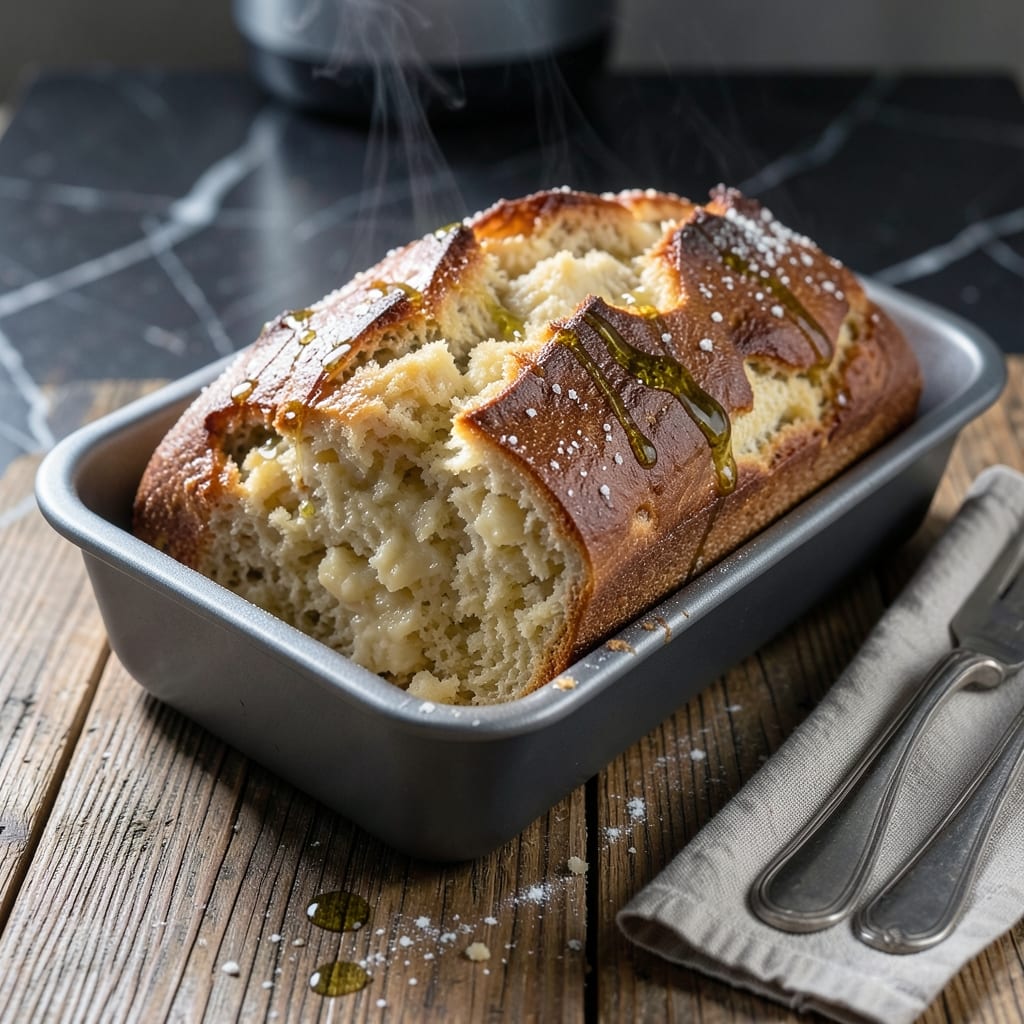
There’s something special about the soft, slightly sweet flavor of bread made with real potatoes. This hands-off recipe lets your bread machine do the work while delivering bakery-quality results at home.
The secret lies in using actual mashed potatoes in the dough, which creates a tender crumb and extended freshness. No artificial potato flakes here—just simple ingredients and the right technique for a perfectly risen loaf.
With minimal prep and the convenience of a bread machine, you’ll have a warm, golden-brown loaf ready in 3-4 hours. The texture is light yet substantial, with just the right amount of chew.
Ideal for sandwiches or toast, this bread proves that homemade doesn’t have to mean complicated. Let’s get started.
Ingredients for Potato Bread Machine Recipe Real Potatoes
Real potatoes and bread machine convenience create this artisan loaf with bakery-quality texture.
| Ingredient | Amount | Notes |
|---|---|---|
| Mashed Potatoes 🥔 | 1 cup | Cool completely before using |
| Bread Flour 🌾 | 3 cups | All-purpose flour works in a pinch |
| Warm Water 💧 | 1 cup | 110°F for yeast activation |
| Active Dry Yeast 🍞 | 2 ¼ tsp | Or one 0.25 oz packet |
| Granulated Sugar 🍚 | 2 tbsp | Feeds the yeast for rising |
| Salt 🧂 | 1 ½ tsp | Fine sea salt preferred |
| Unsalted Butter 🧈 | 2 tbsp | Melted and cooled slightly |
| Whole Milk 🥛 | ¼ cup | Warm to 110°F |
| Large Egg 🥚 | 1 whole | Room temperature for even mixing |
| Honey 🍯 | 1 tbsp | Adds subtle sweetness and tenderness |
| Olive Oil 🫒 | 1 tbsp | For greasing bread pan |
The mashed potatoes are non-negotiable for that signature texture. Yukon Gold or Russet potatoes work best—avoid waxy varieties like red potatoes. Use leftovers (plain, no butter or milk added) or make a fresh batch and cool it completely. King Arthur bread flour is my go-to for consistent rise and chew. For yeast, SAF Instant Yeast or Fleischmann’s Active Dry both perform reliably in bread machines.
No bread flour? All-purpose flour plus 1 tbsp vital wheat gluten per cup mimics the protein content. Out of mashed potatoes? Instant potato flakes at half the volume work in a pinch (though the texture won’t be identical). The milk can be swapped for warm water plus 1 tbsp powdered milk. For a richer loaf, some bakers use heavy cream instead of milk—just reduce the butter slightly.
Store cooled loaf in an airtight container at room temperature for 2-3 days. For longer storage, slice and freeze in a zip-top bag for up to 3 months. To revive, toast frozen slices directly. The dough can also be prepared a day ahead—refrigerate after kneading, then let come to room temperature before baking.
Why You’ll Love This Recipe
- Hands-Off Baking: I just dump everything in the machine and let it do the work—no kneading, no fuss.
- Rich, Earthy Flavor: The real mashed potatoes give it that hearty, slightly sweet taste that store-bought can’t touch.
- Sandwich Savior: Between us, this is my new go-to for toast, sandwiches, or even garlic bread.
- Budget Stretch: A cup of mashed potatoes makes two loaves—honestly, it’s the most cost-effective bread I’ve ever baked.
Step-by-Step Instructions for Potato Bread Machine Bread
Master the technique for a consistently perfect loaf with a tender crumb and golden crust.
Step 1: Activate the Yeast and Prepare Wet Ingredients
In the bread machine pan, combine the 1 cup Warm Water with the 2.25 tsp Active Dry Yeast and 2 tbsp Granulated Sugar. The water must be 110°F—any hotter and you’ll kill the yeast, any cooler and it won’t activate properly. You’ll see the yeast begin to foam within 5-10 minutes, confirming it’s alive and working.
Once the yeast is foamy, add the 0.25 cup Whole Milk (also warmed to 110°F), 1 whole Large Egg, 1 tbsp Honey, and 2 tbsp Unsalted Butter (melted and cooled slightly). The butter should be warm but not hot—hot butter will cook the egg prematurely.
Step 2: Incorporate Dry Ingredients and Mashed Potatoes
Add the 3 cups Bread Flour to the pan, spreading it evenly over the wet ingredients. Sprinkle the 1.5 tsp Salt over the flour. Salt inhibits yeast activity, so it’s important to keep it separate from the yeast until mixing begins.
Finally, add the 1 cup Mashed Potatoes (ensure they’re completely cool to avoid killing the yeast). The mashed potatoes add moisture and a subtle sweetness, while also creating that signature tender texture. Distribute them evenly over the flour for consistent mixing.
Step 3: Select the Bread Machine Setting and Start
Secure the pan in the bread machine and select the “Basic” or “White Bread” setting with a medium crust. The cycle should take approximately 3-4 hours, depending on your machine. Most bread machines have a viewing window—watch during the first 10 minutes of kneading to ensure all ingredients are incorporating properly.
If the dough appears too sticky after 5 minutes of kneading, add 1-2 tablespoons of bread flour. If it’s too dry, add 1-2 teaspoons of warm water. The dough should form a smooth, elastic ball that pulls away from the sides of the pan.
Step 4: Monitor Rising and Baking
After the kneading cycle (about 20-30 minutes), check that the dough has doubled in size. The mashed potatoes will make the dough slightly denser than standard bread dough, but it should still rise noticeably. If it hasn’t risen after 1 hour, your yeast may have been inactive—start over with fresh yeast.
During the baking cycle, the loaf will rise again and develop a golden brown crust. Avoid opening the lid during baking, as this can cause the loaf to collapse. The machine will automatically transition from baking to the keep-warm cycle once complete.
Step 5: Cool and Serve
Once the cycle completes, carefully remove the pan from the machine. Use oven mitts, as both the pan and bread will be extremely hot. Gently turn the loaf out onto a wire cooling rack. If it sticks, run a silicone spatula around the edges to loosen it.
Allow the bread to cool for at least 1 hour before slicing. This cooling period lets the interior structure set, preventing a gummy texture. Brush the top with a bit of the 1 tbsp Olive Oil for a soft, glossy finish if desired. Slice with a serrated knife for clean cuts.
Pro Tips For Making Potato Bread Machine Recipe Real Potatoes
- Cool the Potatoes: Let your mashed potatoes cool to room temperature before mixing—adding them hot can kill the yeast and leave you with a dense loaf.
- Use Starchy Potatoes: Russets or Yukon Golds work best here; their high starch content makes the bread lighter than waxy potatoes ever could.
- Check Yeast First: I learned this the hard way—proof your yeast in the warm water with sugar for 5-10 minutes until foamy before mixing, or risk a flat, sad loaf.
- Measure Flour Right: Spoon your bread flour into the measuring cup and level it off—scooping directly from the bag packs it down and can make your bread dry and heavy.
Wine and Beer Pairings for This potato bread machine recipe real potatoes
Light Beer Pairings
Crisp American lagers like Bud Light or Coors Banquet complement the bread’s subtle sweetness without overwhelming its delicate potato flavor. The carbonation cleanses your palate between bites. I prefer these with a warm slice right from the oven. 🍺
Wheat Beer Matches
German hefeweizens such as Paulaner or Weihenstephaner work beautifully. Their banana and clove notes enhance the bread’s natural sweetness. Serve chilled at 45-50°F for the best flavor balance.
Wine Pairings
For white wine lovers, a dry Riesling from Washington state offers crisp acidity that cuts through the richness. I recommend Chateau Ste. Michelle for reliable quality. The wine’s citrus notes pair wonderfully with the potato’s earthiness.
Sparkling Options
Prosecco or other dry sparkling wines create a lovely contrast with the bread’s soft texture. The bubbles refresh your palate while the slight sweetness matches the potato’s natural sugars. Look for La Marca Prosecco for consistent quality.
Cider Pairings
Dry hard ciders like Angry Orchard Traditional Dry or Strongbow offer a different approach. The apple flavors complement the bread’s subtle sweetness, while the acidity prevents the pairing from becoming too heavy.
Non-Alcoholic Options
For those avoiding alcohol, sparkling apple cider or a ginger beer like Fever-Tree provides similar refreshing qualities. The ginger’s spice adds an interesting counterpoint to the bread’s mild flavor. 💫
Nutrition Facts
Frequently Asked Questions
Can I use instant potato flakes instead of real potatoes?
Yes, but the texture won’t be identical. Use ½ cup instant flakes plus ½ cup warm water to replace 1 cup mashed potatoes. Real potatoes give the best flavor and moisture.
Why did my dough not rise properly?
Likely your yeast was inactive or the water was too hot. Always check water at 110°F and ensure yeast foams before adding other ingredients. Old yeast can also be the culprit.
How do I store leftover bread?
Keep in an airtight container at room temperature for 2-3 days. For longer storage, slice and freeze for up to 3 months. Toast frozen slices directly.
Can I make this without a bread machine?
Use a stand mixer with dough hook, then bake in a greased loaf pan at 375°F for 25-30 minutes. The texture will be slightly different but still delicious.

- Potato Patty Recipe No Egg: Crispy Edges Without the Binder - October 30, 2026
- Paula Deen’s Potato Chip Cookies Recipe: Salty-Sweet Crunch in Every Bite - October 30, 2026
- Potato Gnocchi Recipe Ideas: Pillowy Soft Dumplings With Rustic Charm - October 30, 2026