
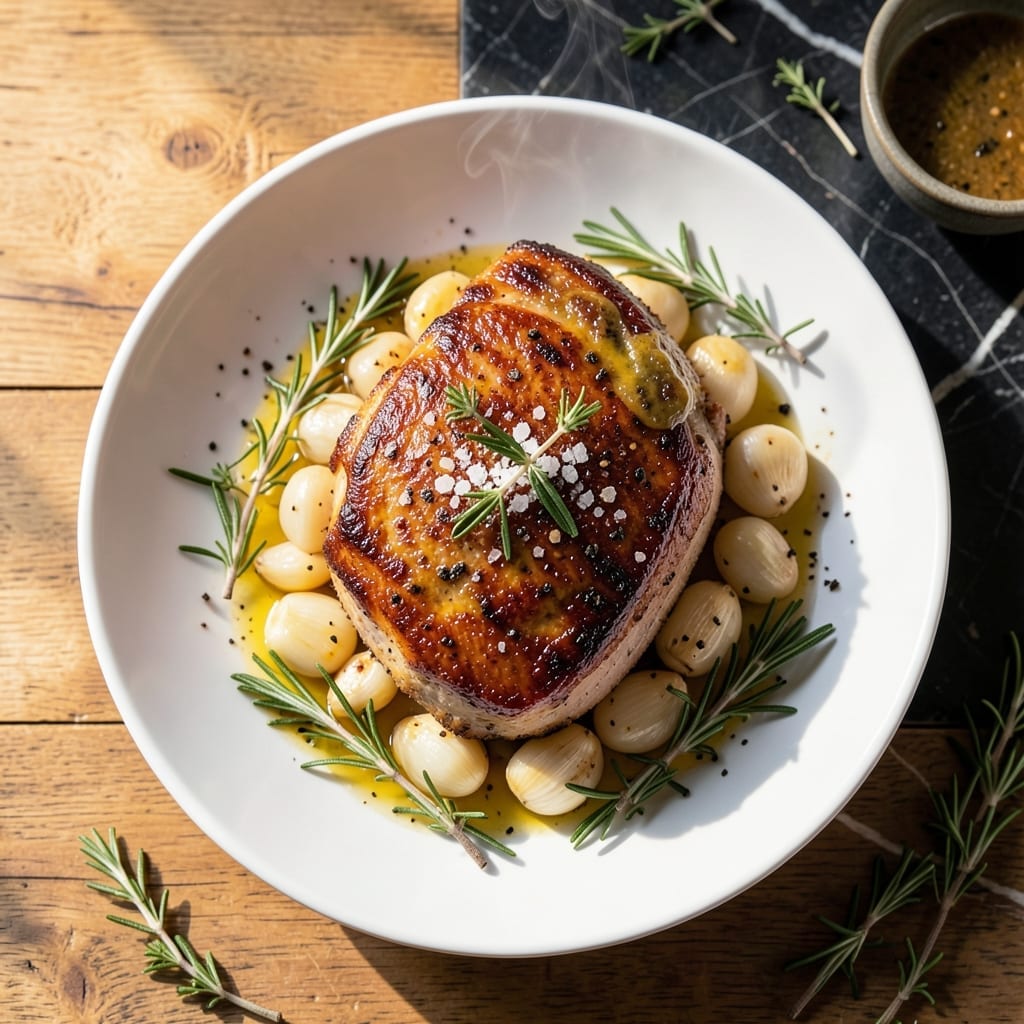
Achieving a perfectly cooked pork loin filet in the oven comes down to precise timing and proper seasoning. This method ensures tender, juicy meat with a flavorful herb crust that locks in moisture.
I developed this technique after years of testing different approaches to guarantee consistent results. The key is starting with a high heat sear before finishing at a lower temperature for even cooking.
What you get is a centerpiece-worthy dish with a golden crust and perfectly pink center. The herb mixture adds depth without overpowering the natural pork flavor.
Serve with roasted vegetables or mashed potatoes for a complete meal. Here’s how to make it.
Ingredients for Pork Loin Filet Recipe Oven
Center-cut pork loin, aromatic herbs, and precise seasoning create this oven-perfected dish with minimal effort.
| Ingredient | Amount | Notes |
|---|---|---|
| Pork Loin Filet 🥩 | 2 lb | Center-cut, trimmed of excess fat |
| Kosher Salt 🧂 | 2 tsp | Diamond Crystal preferred for even distribution |
| Black Pepper 🌶️ | 1 tsp | Freshly ground for optimal flavor |
| Fresh Rosemary 🌿 | 2 tbsp | Finely chopped, stems discarded |
| Fresh Thyme 🍃 | 2 tbsp | Leaves only, finely minced |
| Garlic Cloves 🧄 | 4 cloves | Peeled and minced into paste |
| Dijon Mustard 🟡 | 2 tbsp | High-quality, smooth variety |
| Olive Oil 🫒 | 3 tbsp | Extra-virgin for superior crust formation |
| Unsalted Butter 🧈 | 2 tbsp | Softened for herb mixture integration |
| Dry White Wine 🍷 | ½ cup | For deglazing, Sauvignon Blanc recommended |
| Chicken Stock 🥣 | ½ cup | Low-sodium preferred for controlled seasoning |
| Fresh Parsley 🌿 | ¼ cup | Chopped for garnish and finishing touch |
The pork loin filet must be center-cut and uniform in thickness for even cooking. Source from Whole Foods or a trusted butcher who can provide properly trimmed cuts. Diamond Crystal kosher salt is the professional standard for its clean flavor and consistent grain size. For herbs, organic fresh rosemary and thyme from the produce section offer superior aroma compared to dried varieties.
No fresh herbs? Dried herbs at one-third the quantity work in a pinch, though the crust won’t be as vibrant. Stone-ground mustard can substitute for Dijon if needed. For the wine, any dry white like Pinot Grigio works—avoid sweet varieties. The butter is essential for the crust’s richness, but avocado oil provides a dairy-free alternative with similar browning properties.
The herb mixture can be prepared 1 day ahead and refrigerated. Cooked pork keeps 3-4 days in the fridge or freezes for 2-3 months. For best results, bring the meat to room temperature before cooking to ensure even doneness throughout the filet.
Why You’ll Love This Recipe
- Set and Forget: I toss the pork loin with salt, pepper, and herbs, pop it in the oven, and walk away—no babysitting required.
- Herb Infused Bliss: The rosemary and thyme crusted on the outside makes every bite taste like a Sunday roast.
- Feeds the Week: One pork loin gives me leftovers for sandwiches, tacos, or salads all week long.
- Budget Roast: A whole loin is cheaper per pound than chops, and honestly, it tastes just as good.
Step-by-Step Instructions for Pork Loin Filet Oven
This method ensures a perfectly herb-crusted pork loin filet with locked-in juices every time.
Step 1: Prepare the Herb Paste and Season the Pork Loin Filet
In a small bowl, combine the 2 tbsp Fresh Rosemary, 2 tbsp Fresh Thyme, 4 cloves Garlic Cloves, 2 tbsp Dijon Mustard, 2 tbsp Unsalted Butter, 2 tsp Kosher Salt, and 1 tsp Black Pepper. Mince and mash until it forms a cohesive paste.
Pat the 2 lb Pork Loin Filet completely dry with paper towels. This step is critical for achieving a proper sear. Rub the herb paste evenly over all surfaces of the pork, pressing it in to ensure full adhesion. The paste should coat the filet in a thick, even layer.
Step 2: Sear for Crust Development
Heat 2 tbsp Olive Oil in a large oven-safe skillet over medium-high heat until shimmering. Add the pork loin filet and sear for 2-3 minutes per side until the herb paste forms a deep golden crust.
Pay special attention to the ends as well. The sear should be deep enough that the crust doesn’t stick when you move the pork. This creates the foundation for both flavor and texture in the finished dish.
Step 3: Roast to Perfection
Preheat your oven to 375°F. Transfer the seared pork loin filet in the skillet to the oven. Roast for 20-25 minutes or until the internal temperature reaches 145°F.
Use a meat thermometer inserted into the thickest part of the filet to check for doneness. The crust should be deeply browned, and the pork should feel firm but still slightly yielding when pressed.
Step 4: Rest and Deglaze for Sauce
Remove the pork loin filet from the oven and transfer it to a cutting board. Tent loosely with foil and let it rest for 10 minutes. This allows the juices to redistribute, ensuring every slice remains moist.
Place the skillet over medium heat and add the 0.5 cup Dry White Wine. Scrape up all the browned bits from the bottom of the pan with a wooden spoon. Simmer for 2 minutes, then add the 0.5 cup Chicken Stock and simmer for another 3-4 minutes until slightly reduced.
Step 5: Slice and Serve
Slice the pork loin filet against the grain into ½-inch thick medallions. Arrange on a serving platter and drizzle with the pan sauce. Garnish with the 0.25 cup Fresh Parsley for a vibrant finish.
Each slice should showcase the herb crust with a tender, juicy interior. Serve immediately with the sauce spooned over the top for maximum flavor in every bite.
Pro Tips For Making Pork Loin Filet Recipe Oven
- Preheat the Pan: Start with a screaming hot pan—400°F oven and a searing cast iron on the stovetop for 2 minutes first. I burned my first three attempts by skipping this, and the crust never formed right.
- Pat It Dry: Blot the pork loin filet with paper towels until it’s bone-dry before seasoning. Sounds tedious, but water on the surface steams instead of sears, and you’ll lose that golden crust.
- Don’t Over-Rub: Crush the rosemary and thyme between your fingers before sprinkling—no need to chop finely. I used to mince them to dust, only to realize the big pieces actually release more flavor as they roast.
- Pull It Early: Take the pork out at 140°F internal temp and let it rest 10 minutes under foil. It’ll climb to 145°F while resting, and you’ll avoid the dry, overcooked mess I made for years by waiting until it hit 150°F in the oven.
Pro Cooking Tips for pork loin filet recipe oven
Temperature Precision
I always use a ThermoWorks Dot thermometer for perfect accuracy—it’s my secret weapon. Aim for 145°F internal temperature for ideal doneness. Pull it at 140°F since it’ll rise 5°F while resting. 🌡️
Searing Secrets
Don’t rush the sear! Heat your Lodge cast iron until smoking hot. Press the herb paste into the meat for 30 seconds per side to create that golden crust. This builds the flavor foundation for your dish.
Resting Matters
Let it rest for 10 minutes under foil—this is non-negotiable. I learned this the hard way when all the juices ran onto the cutting board. The meat reabsorbs its moisture during this time, keeping every bite tender.
Pan Sauce Perfection
Use that Sauvignon Blanc from your pantry for deglazing. Simmer the wine and stock until it reduces by half—about 5 minutes. This creates a rich, flavorful sauce that complements the herb crust beautifully.
Slicing Technique
Slice against the grain into ½-inch medallions using a sharp knife. I use my Wüsthof 8-inch chef’s knife for clean cuts. This ensures each piece is tender and showcases that beautiful herb crust.
Oven Calibration
Check your oven temperature with an oven thermometer—many run hot or cold. I was shocked to find mine was off by 25°F! Adjust accordingly for consistent results every time. 💡
Nutrition Facts
Frequently Asked Questions
What internal temperature should I aim for?
Pull the filet at 140°F—it’ll rise to 145°F while resting. This ensures juicy, tender meat without overcooking.
Can I use dried herbs instead of fresh?
Yes, but reduce the amount by two-thirds. The flavor won’t be as bright, but it’ll still work in a pinch. Fresh herbs are ideal for the best crust.
Do I need to bring the pork to room temperature first?
Let it sit out for 30 minutes before cooking for even doneness. Cold meat seizes up when it hits the pan, leading to uneven cooking.
How can I tell when it’s done without a thermometer?
Press the thickest part—it should feel firm but still slightly springy, like the base of your thumb. For perfect results, a meat thermometer is strongly recommended.

- Potato Chip Cookie Recipe With Pecans: Buttery Crunch Meets Nutty Richness - October 30, 2026
- Potato Patty Recipe No Egg: Crispy Edges Without the Binder - October 30, 2026
- Paula Deen’s Potato Chip Cookies Recipe: Salty-Sweet Crunch in Every Bite - October 30, 2026