
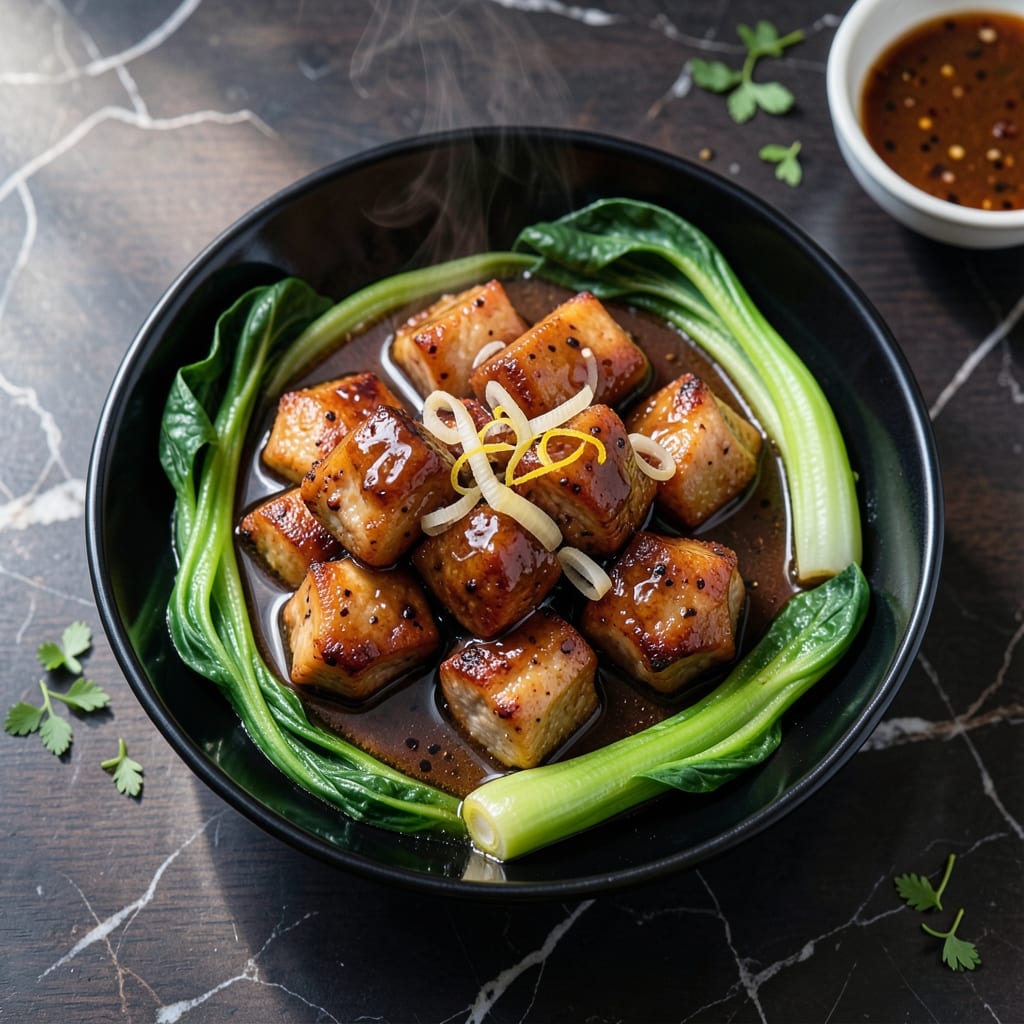
This dish captures the authentic essence of Chinese home cooking with its rich, savory depth. I developed this recipe after testing multiple versions in my tiny Boston kitchen, focusing on achieving that perfect balance of umami and sweetness.
The key lies in using quality oyster sauce and allowing the pork to marinate briefly before cooking. This ensures every bite is infused with complex flavors that define traditional Chinese stir-fries.
You’ll end up with tender pork pieces coated in a glossy, deeply flavorful sauce that clings perfectly to each morsel. The aromatic blend of garlic and ginger creates a foundation that’s both comforting and undeniably authentic.
Serve over steamed rice to soak up every drop of the sauce. This is Chinese takeout elevated to restaurant quality at home.
Ingredients for Pork Oyster Sauce Recipe Chinese
Authentic Chinese flavors start with these pantry staples and fresh aromatics. Nothing complicated here.
| Ingredient | Amount | Notes |
|---|---|---|
| Pork Shoulder 🥩 | 1 ½ lb | Cut into 1-inch cubes, boneless |
| Oyster Sauce 🍤 | ½ cup | High-quality brand preferred |
| Soy Sauce 🥢 | 3 tbsp | Low-sodium for balance |
| Dark Soy Sauce 🥢 | 1 tbsp | For color and depth |
| Garlic Cloves 🧄 | 4 cloves | Minced finely |
| Fresh Ginger 🌿 | 1 tbsp | Peeled and grated |
| Brown Sugar 🍚 | 2 tbsp | Packed for sweetness |
| Rice Wine 🍷 | 2 tbsp | Shaoxing wine preferred |
| Cornstarch 🌾 | 2 tsp | For marinade thickening |
| Sesame Oil 🫒 | 1 tsp | Toasted for aroma |
| Green Onions 🧅 | 3 whole | Sliced thinly for garnish |
| Neutral Oil 🫒 | 3 tbsp | For stir-frying, high smoke point |
| Water 💧 | ¼ cup | To adjust sauce consistency |
The pork matters most here. Pork shoulder stays tender and juicy when stir-fried, while lean cuts can dry out. Asian markets often have it pre-cut for stir-fries, but any supermarket butcher can cube it for you. Look for good marbling—the fat keeps it moist. For oyster sauce, Lee Kum Kee or Maekrua are reliable brands you’ll find at most grocery stores (or definitely at H Mart).
No Shaoxing wine? Dry sherry works in a pinch (or skip it and add an extra splash of soy sauce). Fresh ginger is ideal, but ground ginger at half the amount can substitute. Brown sugar can be swapped for white sugar or honey, though the molasses notes in brown add depth. If you’re avoiding gluten, use tamari instead of soy sauce—just check it’s labeled gluten-free.
This dish tastes even better the next day once the flavors meld. Keeps in the fridge for 3-4 days in an airtight container, or freeze for up to 3 months. Reheat gently to avoid drying out the pork—microwave in short bursts or warm in a skillet with a splash of water.
Why You’ll Love This Recipe
- One Pan Wonder: I toss everything in one skillet and let the pork shoulder soak up that oyster-garlic goodness.
- Umami Bomb: The oyster sauce and dark soy sauce create this deep, savory flavor that coats every bite of pork.
- Meal Prep Hero: I make a big batch on Sunday and it tastes even better reheated for lunches all week.
- Budget Friendly: Pork shoulder is cheap, and a little oyster sauce goes a long way to make it taste luxurious.
Step-by-Step Instructions for Pork Oyster Sauce
I’ll show you the authentic method to achieve that perfect balance of sweet, savory, and umami.
Step 1: Marinate the Pork Shoulder for Maximum Flavor
In a large bowl, combine the 1.5 lb Pork Shoulder, 3 tbsp Soy Sauce, 1 tbsp Dark Soy Sauce, 2 tbsp Rice Wine, 2 tsp Cornstarch, 1 tsp Sesame Oil, and 2 tbsp Brown Sugar. Mix well until the pork is fully coated in the marinade.
I find that massaging the marinade into the pork ensures every cube absorbs the flavors evenly. Let it sit for 15-20 minutes at room temperature—this short marinating time is enough to tenderize the meat without turning it mushy from the cornstarch.
Step 2: Stir-Fry the Pork Until Browned
Heat 2 tbsp Neutral Oil in a wok or large skillet over high heat until shimmering. Add the marinated pork shoulder in a single layer, working in batches if needed to avoid overcrowding. Cook undisturbed for 2-3 minutes until the edges turn golden brown.
Real talk: don’t stir too much at the beginning. Let the pork develop a nice sear—that caramelization adds depth to the final dish. Once browned, flip the pieces and cook for another 2-3 minutes until evenly browned on all sides. Remove the pork from the pan and set aside.
Step 3: Sauté Aromatics and Build the Sauce
In the same pan, add the remaining 1 tbsp Neutral Oil and heat over medium-high heat. Add the 4 cloves Garlic Cloves and 1 tbsp Fresh Ginger, stirring constantly for 30-45 seconds until fragrant. Be careful not to burn the garlic—it should be just golden, not dark brown.
Pour in the 0.5 cup Oyster Sauce and 0.25 cup Water, scraping up any browned bits from the bottom of the pan. Let the sauce simmer for 1-2 minutes until it thickens slightly and coats the back of a spoon.
Step 4: Combine and Finish with Green Onions
Return the cooked pork to the pan and toss to coat evenly in the sauce. Cook for another 2-3 minutes until the pork is heated through and the sauce has thickened enough to cling to the meat. You’ll know it’s ready when the pork is glossy and the sauce has a rich, velvety consistency.
Remove from heat and stir in the 3 whole Green Onions. The residual heat will soften them slightly while keeping their vibrant color and mild bite. Serve immediately over steamed rice to soak up every last bit of that luscious sauce.
Pro Tips For Making Pork Oyster Sauce Recipe Chinese
- Sear the Pork First: I learned this the hard way—browning the pork shoulder in batches over high heat for 2-3 minutes per side locks in juices and adds a caramelized depth that simmering alone can’t achieve.
- Bloom the Garlic: Cook the minced garlic in oil for just 10-15 seconds until fragrant but not brown, or it’ll turn bitter and overpower the oyster sauce’s sweetness.
- Balance the Sauces: Use 2 parts oyster sauce to 1 part soy sauce and ½ part dark soy sauce—any more dark soy and the dish turns unnaturally black and overly sweet.
- Simmer Low and Slow: After combining everything, keep the heat at a gentle bubble for 30-40 minutes so the pork gets tender without the sauce reducing into a sticky, salty paste.
Common Mistakes When Making pork oyster sauce recipe chinese
Overcrowding the Pan
This is the most common mistake I see in home kitchens. When you add too much pork at once, the temperature drops and the meat steams instead of searing. I always cook in 2-3 batches maximum, leaving space between pieces. Your reward? That beautiful golden-brown crust on each cube. 🔥
Skipping the Marinade
Even 15-20 minutes makes a difference. The cornstarch in the marinade not only tenderizes but also creates that signature velvety texture. I once rushed this step in my tiny Boston kitchen—let’s just say the pork was noticeably less tender and the sauce didn’t cling as well.
Overcooking the Aromatics
Garlic and ginger burn easily over high heat. Keep them moving constantly and pull them off just as they turn golden—about 30-45 seconds. Burnt garlic adds bitterness that ruins the sweet-savory balance we’re after.
Using Low Heat
Stir-frying requires high heat to achieve that restaurant-quality sear and quick cooking. If your oil isn’t shimmering before adding the pork, your pan isn’t hot enough. I use the highest setting on my stove and let the wok heat for 2-3 minutes first.
Wrong Sauce Consistency
If your sauce is too thin, it won’t cling to the pork. If too thick, it becomes gluey. I add ¼ cup water initially, then adjust with 1-2 tbsp more if needed. The sauce should coat the back of a spoon but still drip slightly.
Neglecting the Rest
Let the pork rest in the sauce for 2-3 minutes off heat before serving. This lets the flavors meld fully. I learned this the hard way after that 2019 pot pie disaster—patience always improves the final result. 💡
Nutrition Facts
Frequently Asked Questions
What cut of pork works best for stir-frying?
Use pork shoulder with good marbling for juicy results. Avoid lean cuts like tenderloin as they dry out quickly over high heat. The fat keeps the meat tender during quick cooking.
Can I make this dish without rice wine?
Yes, substitute with dry sherry or skip it and add an extra splash of soy sauce. The wine adds depth, but the dish still tastes great without it.
How do I prevent the sauce from being too salty?
Use low-sodium soy sauce and balance with brown sugar. Taste before adding extra seasoning, as oyster sauce already contains salt. The sweetness counters the saltiness perfectly.
How long can I store leftovers?
Keep in an airtight container in the fridge for 3-4 days. For longer storage, freeze for up to 3 months. Reheat gently to preserve the pork’s tenderness.

- Potato Chip Cookie Recipe With Pecans: Buttery Crunch Meets Nutty Richness - October 30, 2026
- Potato Patty Recipe No Egg: Crispy Edges Without the Binder - October 30, 2026
- Paula Deen’s Potato Chip Cookies Recipe: Salty-Sweet Crunch in Every Bite - October 30, 2026