
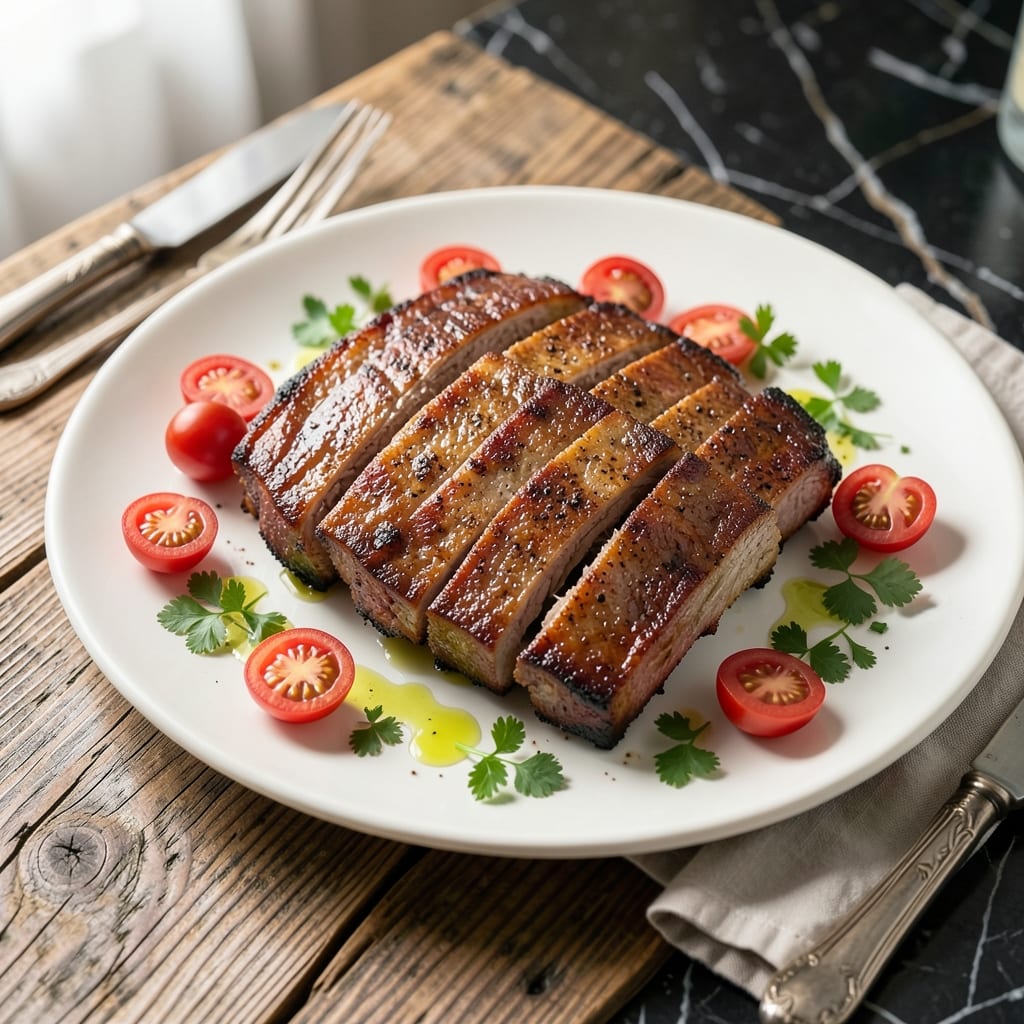
Growing up in Georgia, I learned that the best pork ribs start with a simple but crucial step: boiling first. This method ensures fall-off-the-bone tenderness every time.
After years of perfecting this technique at The Smoky Pig, I can confirm that pre-cooking in water removes impurities while keeping the meat moist. It’s a foolproof way to achieve competition-level results at home.
The ribs then finish on the grill or in the oven, where they develop a smoky, caramelized exterior. The contrast between the tender meat and crispy bark is what sets this dish apart.
This approach works for any cut—baby back, spare ribs, or St. Louis style. The texture is unbeatable.
Ingredients for Pork Ribs Recipe Boil First
Simple ingredients transform ribs into something extraordinary with this technique.
| Ingredient | Amount | Notes |
|---|---|---|
| Pork Baby Back Ribs 🥩 | 4 lb | Full rack, membrane removed |
| Kosher Salt 🧂 | 2 tbsp | Diamond Crystal preferred |
| Black Pepper 🌶️ | 1 tbsp | Freshly ground coarse |
| Garlic Powder 🧄 | 1 tbsp | Not garlic salt |
| Onion Powder 🧅 | 1 tbsp | Fresh ground preferred |
| Smoked Paprika 🌶️ | 1 tbsp | Sweet or hot variety |
| Brown Sugar 🍚 | ½ cup | Light or dark works |
| Apple Cider Vinegar 🍏 | ½ cup | For boiling liquid |
| Water 💧 | 4 cups | For pre-cooking ribs |
| Barbecue Sauce 🍯 | 2 cups | Your favorite brand |
| Olive Oil 🫒 | 2 tbsp | For brushing ribs |
| Yellow Mustard 🟡 | 2 tbsp | For binder before seasoning |
The ribs are everything here. Baby back ribs give consistent results, but St. Louis-style works too. Buy from Costco for bulk or local butcher for quality. Look for racks with even meat coverage—avoid those with excessive fat. The membrane on the bone side must be removed (use a paper towel for grip). Professional kitchens use Diamond Crystal kosher salt for its clean flavor and easy controllability.
No apple cider vinegar? White vinegar or lemon juice works in a pinch. For the seasoning blend, freshly ground spices provide superior flavor, but pre-ground is acceptable. The barbecue sauce can be homemade or store-bought—Sweet Baby Ray’s or Stubb’s are reliable. If you prefer a spicier finish, add cayenne or hot sauce to your sauce. The brown sugar can be replaced with honey or maple syrup for a different sweetness profile.
Pre-cooked ribs hold well in the fridge for 2 days before finishing. Once fully cooked, store leftovers for 4 days refrigerated or freeze for 3 months. Always reheat gently to preserve tenderness. The dry rub can be made ahead and stored in an airtight container for 6 months.
Why You’ll Love This Recipe
- No Fuss Start: Boiling the ribs first cuts down on messy prep and ensures they’re tender before hitting the dry rub.
- Deep, Rich Flavor: The garlic and onion powder cling to the ribs after boiling, giving every bite a bold, savory kick.
- Crowd-Pleasing Dish: I serve these at summer barbecues, and they’re always the first to disappear—no leftovers in sight.
- Budget-Friendly Feast: Pork baby back ribs are affordable, and this method stretches them further without skimping on taste.
Step-by-Step Instructions for Pork Ribs Boil First
Here’s the method I use to ensure tender ribs that never fail to impress.
Step 1: Prep the Ribs with a Flavorful Dry Rub
Begin by patting the 4 lb pork baby back ribs dry with paper towels to remove any excess moisture. This step is crucial for the seasoning to adhere properly and for achieving that coveted bark during cooking.
In a small bowl, combine the 2 tbsp kosher salt, 1 tbsp black pepper, 1 tbsp garlic powder, 1 tbsp onion powder, and 1 tbsp smoked paprika. Brush the 2 tbsp yellow mustard lightly over both sides of the ribs—this acts as a binder. Then, generously coat the ribs with the dry rub mixture, pressing it into the meat so it sticks. Let the seasoned ribs sit for 10-15 minutes while you prepare the boiling liquid.
Step 2: Parboil the Ribs for Tenderness
In a large stockpot, combine the 4 cups water and 0.5 cup apple cider vinegar. The vinegar adds a subtle tang and helps tenderize the meat. Bring the liquid to a boil over high heat.
Once boiling, carefully add the ribs to the pot. They should be mostly submerged. Reduce the heat to maintain a gentle simmer. Cover and let the ribs parboil for 45-60 minutes. You’ll notice the meat starting to pull away slightly from the bones—this indicates they’re becoming tender. This pre-cooking step ensures the ribs will be fall-off-the-bone tender after grilling.
Step 3: Finish with Sauce and Heat
Preheat your grill to medium heat (about 350°F). Remove the parboiled ribs from the liquid and pat them dry. Brush both sides lightly with the 2 tbsp olive oil to help the sauce adhere and prevent sticking.
Place the ribs on the grill, bone-side down. Brush generously with barbecue sauce. Close the grill lid and cook for 10-12 minutes. Flip the ribs, brush with more sauce, and cook for another 10-12 minutes until the sauce caramelizes and the edges are slightly charred.
Step 4: Rest and Serve
Transfer the ribs to a cutting board and let them rest for 5-10 minutes. This allows the juices to redistribute throughout the meat, ensuring each bite is moist and flavorful.
Slice the ribs between the bones and serve immediately. The ribs should have a beautiful glaze from the 2 cups barbecue sauce and a slight crust from the grill. The meat should pull away from the bone with minimal effort, delivering that perfect fall-off-the-bone texture this method is known for.
Pro Tips For Making Pork Ribs Recipe Boil First
- Boil with Aromatics: Add a halved onion, 3-4 smashed garlic cloves, and a bay leaf to the boiling water—it infuses the ribs with subtle flavor before the dry rub even hits.
- Pat Dry Thoroughly: After boiling, I learned the hard way that skipping this step means the rub won’t stick. Use paper towels and press hard.
- Skip Overcrowding: Boil the ribs in batches if needed—cramming them in makes the water temperature drop, and you’ll end up with uneven cooking.
- Season While Hot: Dust the ribs with salt, pepper, garlic and onion powder right after boiling, while they’re still damp. The heat helps the spices cling like glue.
Make-Ahead Tips for Leftovers
Pre-Boil Prep
You can prep the ribs the night before by removing the membrane, applying the yellow mustard binder, and coating them with the dry rub. Store them uncovered in the fridge—this helps the surface dry slightly, which improves the bark formation later. 💡
Boiling Stage
Boil the ribs in the water and apple cider vinegar mixture up to 2 days ahead. Cool them completely in the liquid, then store ribs and liquid together in airtight containers. Refrigerate until ready to finish cooking.
Finishing Day
When ready to cook, remove ribs from the fridge and let them sit at room temperature for 30 minutes while the grill or oven preheats. This ensures even cooking throughout. I pull them straight from the fridge to the grill most mornings at The Smoky Pig.
Drain the ribs thoroughly before brushing with olive oil—excess liquid will steam rather than caramelize.
Sauce Strategy
Your barbecue sauce can be pre-mixed and stored in the fridge for up to 1 week. For the best texture, warm the sauce slightly before basting—it adheres better to the ribs. This is a trick I learned during my first BBQ championship win.
Leftovers
Once fully cooked, ribs keep beautifully in the fridge for 4 days. For longer storage, freeze in single-rack portions wrapped tightly in foil and placed in freezer bags. They’ll maintain quality for 3 months. 🔥
Nutrition Facts
Frequently Asked Questions
Why parboil ribs before grilling?
Parboiling removes impurities and starts the tenderizing process. It ensures the meat stays moist during the final cook, creating that perfect fall-off-the-bone texture. This method also shortens the overall cooking time.
Can I use a different vinegar?
Yes! White vinegar or lemon juice work as substitutes for apple cider vinegar. They provide the same tenderizing effect and subtle tang. Just maintain the same 0.5 cup measurement.
How do I know when ribs are done?
The meat should pull back from the bones by 0.25-0.5 inch and bend easily when lifted. For extra certainty, use a meat thermometer—it should read 195-203°F internally.
Can I oven-finish instead of grilling?
Place parboiled ribs on a foil-lined tray, brush with sauce, and bake at 350°F for 20-25 minutes. Broil for the last 2-3 minutes for a caramelized finish.

- Potato Chip Cookie Recipe With Pecans: Buttery Crunch Meets Nutty Richness - October 30, 2026
- Potato Patty Recipe No Egg: Crispy Edges Without the Binder - October 30, 2026
- Paula Deen’s Potato Chip Cookies Recipe: Salty-Sweet Crunch in Every Bite - October 30, 2026