
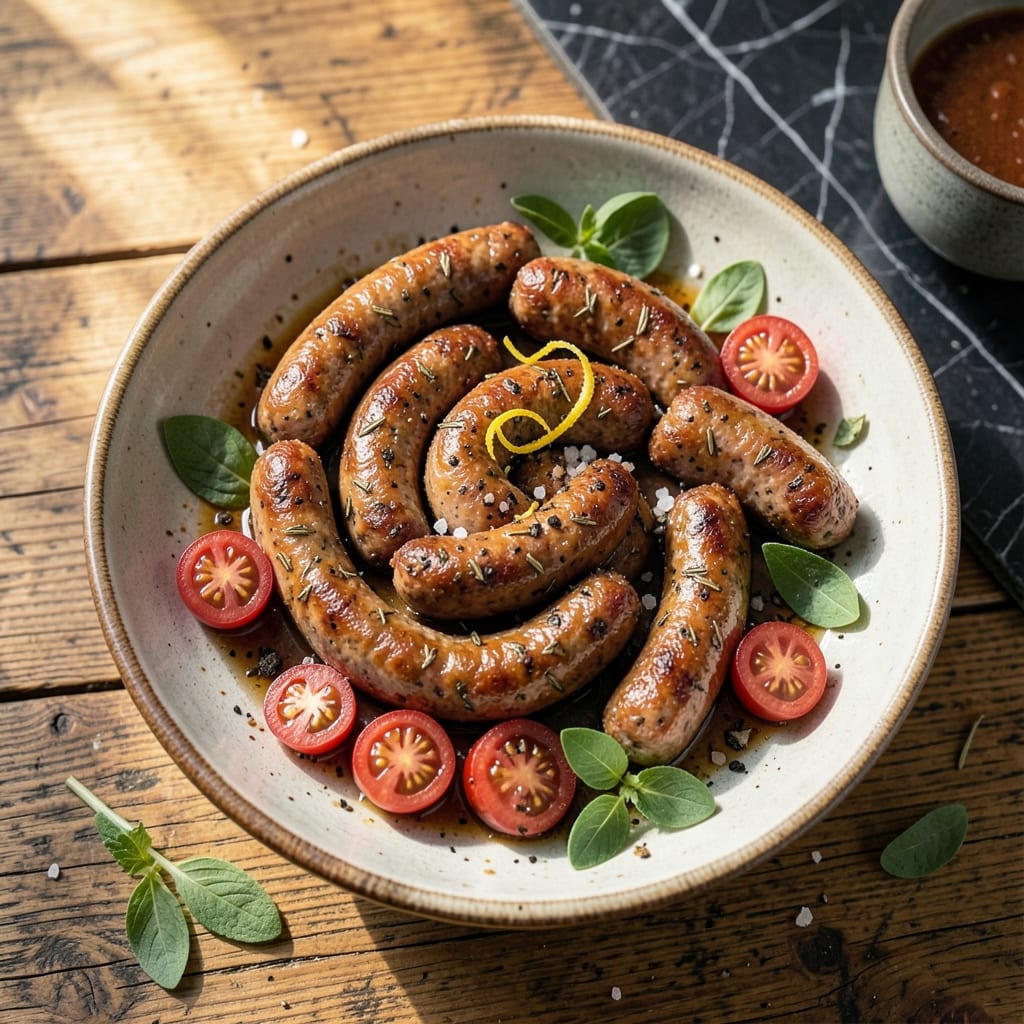
Pork sausage transforms any meal with its rich, savory depth and endless versatility. I’ve tested countless variations in home kitchens, refining techniques to ensure foolproof results every time.
What sets this apart is the balance of fat and seasoning, creating juicy, flavorful links or patties that work for breakfast, dinner, or snacks. The process is straightforward, with no advanced skills required.
You’ll achieve perfectly browned, tender sausage with a crisp exterior and moist interior. Whether grilled, pan-fried, or baked, the results are consistently restaurant-quality.
From classic breakfast links to bold, herb-infused patties, these ideas adapt to any occasion. Let’s unlock the potential of pork sausage in your kitchen.
Ingredients for Pork Sausage Recipe Ideas
Rich pork, bold spices, and a touch of sweetness create these versatile sausage links or patties.
| Ingredient | Amount | Notes |
|---|---|---|
| Ground Pork 🐷 | 1 ½ lb | 80/20 fat ratio for juiciness |
| Pork Fat 🥓 | ½ lb | Optional for extra richness |
| Kosher Salt 🧂 | 1 tbsp | Diamond Crystal preferred |
| Black Pepper 🌶️ | 1 tsp | Freshly ground for best flavor |
| Dried Sage 🌿 | 1 tbsp | Rubbed between fingers to release aroma |
| Dried Thyme 🍃 | 1 tsp | Crushed before using |
| Garlic Powder 🧄 | 1 tsp | Not garlic salt |
| Onion Powder 🧅 | 1 tsp | Fresh ground preferred |
| Red Pepper Flakes 🔥 | ½ tsp | Adjust for heat preference |
| Brown Sugar 🧈 | 1 tsp | Light or dark variety |
| Fennel Seeds 🌿 | 1 tsp | Lightly crushed |
| Dry White Wine 🍷 | ¼ cup | Chilled, for binding moisture |
| Cold Water 💧 | ¼ cup | Ice cold for best texture |
| Natural Hog Casings 🌭 | 4 pieces | For links, optional for patties |
The pork is everything here. Look for 80/20 ground pork at your butcher counter—Whole Foods or a local shop will have the best quality. If grinding yourself, use pork shoulder (Boston butt) for ideal fat content. The casings are optional, but ask for natural hog casings if you want that classic snap. I grab mine from Sausage Maker online when I’m doing a big batch.
No pork shoulder? Pork belly works in a pinch—just trim it down to 20% fat. Out of sage? Fresh rosemary at half the amount gives a different but delicious vibe. Missing white wine? Apple cider vinegar with a splash of water mimics the acidity. For heat, cayenne at half the amount of red pepper flakes works. The brown sugar can be skipped if you prefer savory over sweet.
Fresh sausage keeps 3-4 days in the fridge, or 3 months frozen. For best texture, freeze patties flat on a tray before bagging. Thaw overnight in the fridge before cooking (don’t skip this step).
Why You’ll Love This Recipe
- Five-Ingredient Magic: I love that this needs just ground pork, fat, salt, pepper, and sage—no fancy shopping list.
- Rich Herby Depth: The dried sage and pork fat give it that classic, cozy sausage taste I crave.
- Breakfast to Dinner: Honestly, I’ve used these for morning patties, pasta sauce, and even stuffed peppers.
- Makes a Batch: One pound of pork yields enough for multiple meals, saving time and money all week.
Step-by-Step Instructions for Pork Sausage
Here’s the method I use for perfectly seasoned sausage with ideal texture every time.
Step 1: Combine and Season the Meat Mixture
In a large mixing bowl, combine the 1.5 lb ground pork and 0.5 lb pork fat. The additional pork fat ensures juiciness, especially if your ground pork is lean. Use your hands to mix thoroughly—this is the best way to distribute the fat evenly.
Sprinkle the 1 tbsp kosher salt, 1 tsp black pepper, 1 tbsp dried sage, 1 tsp dried thyme, 1 tsp garlic powder, 1 tsp onion powder, 0.5 tsp red pepper flakes, 1 tsp brown sugar, and 1 tsp fennel seeds over the meat. Massage the spices into the pork until everything is uniformly coated and slightly sticky.
Step 2: Incorporate the Binding Liquids
Pour in the 0.25 cup dry white wine and 0.25 cup cold water. The wine adds depth of flavor while the cold water helps with binding. Fold the liquids into the meat mixture gently but thoroughly, ensuring they’re fully absorbed without overworking the pork.
You’ll notice the mixture becomes more cohesive as the liquids distribute. This step is crucial for achieving the right texture—too little liquid and the sausage will be crumbly; too much and it won’t hold its shape.
Step 3: Rest for Flavor Development
Cover the bowl and let the seasoned meat rest in the refrigerator for at least 30 minutes (I prefer 1 hour for maximum flavor infusion). This allows the spices to penetrate the pork and the mixture to firm up slightly.
During this rest, the salt begins to break down the proteins, which improves both the texture and the binding of the sausage. This is also a good time to prepare your 4 pieces natural hog casings if you’re making links.
Step 4: Shape and Prepare for Cooking
For links: Rinse the natural hog casings under cold water and soak in lukewarm water for 10 minutes to make them pliable. Slide the mixture into the casings using a sausage stuffer or piping bag, twisting into 4-inch links. Prick any air bubbles with a needle.
For patties: Divide the mixture into 4 equal portions and shape into ¾-inch thick patties. Press a slight indentation in the center of each patty with your thumb—this prevents them from doming during cooking.
If not cooking immediately, refrigerate the shaped sausage for up to 24 hours or freeze for longer storage. This mixture also works beautifully for crumbles if you prefer a looser texture.
Pro Tips For Making Pork Sausage Recipe Ideas
- Chill Before Grinding: Pop your ground pork and pork fat in the freezer for 20 minutes before grinding—it keeps the fat firm so it doesn’t smear, giving you that perfect sausage texture.
- Toast the Sage: Lightly toast the dried sage in a dry pan for 30 seconds before mixing it in; it wakes up the flavor and makes the sausage taste way more aromatic.
- Don’t Overmix: After adding the salt, pepper, and sage, mix just until combined—overworking the meat turns it dense and tough, and nobody wants a rubbery sausage.
- Test with a Patty: Fry up a small patty before shaping the whole batch; it’s the easiest way to check if the seasoning is right, and you can adjust without ruining the whole lot.
Perfect Pairings for This Recipe
Breakfast Classics
Serve these patties with fluffy buttermilk biscuits and a drizzle of warm sage gravy for a Southern-style breakfast. I love pairing with scrambled eggs and sautéed spinach for a hearty start to the day. 💛
Comfort Food Plates
For dinner, try them alongside creamy mashed potatoes and roasted Brussels sprouts. The richness of the sausage balances perfectly with the earthy carrots and parsnips I often add to the roasting pan.
Sandwich Stars
Pile grilled links onto a toasted hoagie roll with caramelized onions and Dijon mustard for a quick weeknight meal. I like to add a handful of arugula for a peppery bite that cuts through the fat.
Pasta Pairings
Crumbled sausage transforms a simple garlic and olive oil pasta into a restaurant-worthy dish. Toss with fresh parsley and Parmigiano-Reggiano for a meal that comes together faster than takeout. 🌟
Game Day Favorites
For gatherings, serve bite-sized patties with toothpicks and a variety of dipping sauces. My go-to trio is whole-grain mustard, honey mustard, and spicy ketchup—always a crowd-pleaser.
Simple Salads
Top a bed of mixed greens with sliced links, cherry tomatoes, and shaved Parmesan. A light balsamic vinaigrette ties everything together for a meal that feels special but takes minutes to prepare.
Nutrition Facts
Frequently Asked Questions
What’s the best fat ratio for homemade sausage?
80/20 ground pork works perfectly for juicy results. If grinding your own, aim for 20% fat from pork shoulder. Too lean and the sausage will be dry.
Can I make this without casings?
Shape the mixture into patties or cook as crumbles. For patties, press a thumb indent in the center to prevent doming during cooking.
How long should I rest the mixture before cooking?
Rest for at least 30 minutes, but 1 hour is ideal. This lets the spices penetrate and the mixture firm up for better texture.
What’s a good substitute for white wine in the recipe?
Use apple cider vinegar with an equal amount of water. This mimics the acidity and helps with binding.

- BBQ Sausage Recipe Oven: Smoky Depth Without the Grill - September 28, 2026
- BBQ Chicken Bowl Recipe Rice: Smoky Sweetness Over Fluffy Grains - September 28, 2026
- Beef Cutlet Recipe Ideas: Crispy Breaded Patties With Bold Seasonings - September 28, 2026