
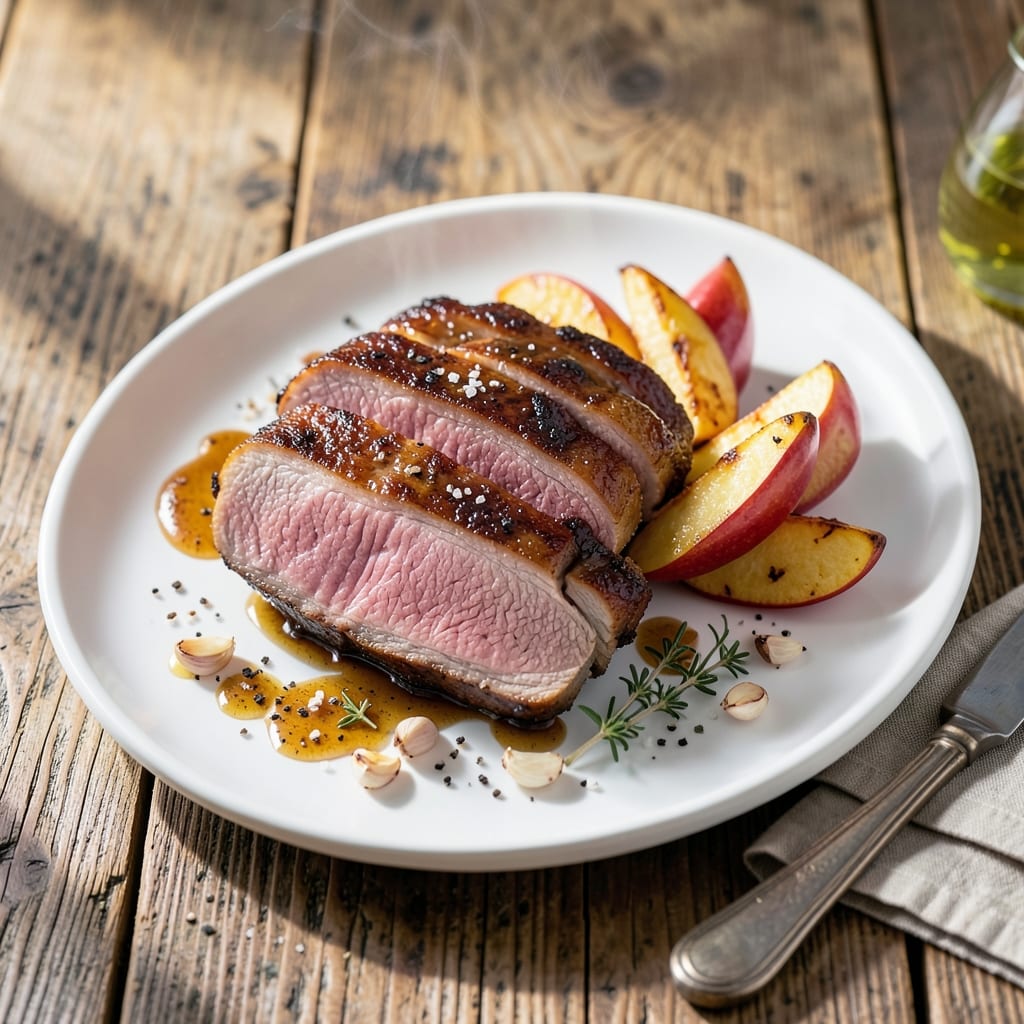
This pork tenderloin delivers tender, juicy results with a tangy glaze that elevates every bite. The apple cider vinegar creates a perfect balance of sweet and sharp flavors.
I developed this method to ensure the meat stays moist while developing a caramelized crust. The vinegar not only tenderizes but also adds depth to the natural pork flavor.
The technique involves searing the pork first, then finishing it with a simple glaze that reduces to a glossy coating. It’s a straightforward process with impressive results.
Serve this with roasted vegetables or mashed potatoes for a complete meal that feels special but comes together easily.
Ingredients for Pork Tenderloin Recipe Apple Cider Vinegar
These carefully chosen ingredients create a perfectly balanced, restaurant-quality pork dish with minimal effort.
| Ingredient | Amount | Notes |
|---|---|---|
| Pork Tenderloin 🥩 | 1 ½ lb | Trimmed of silver skin |
| Apple Cider Vinegar 🍏 | ½ cup | Raw unfiltered preferred |
| Brown Sugar 🍚 | 3 tbsp | Light or dark variety |
| Dijon Mustard 🟡 | 2 tbsp | Smooth, not whole grain |
| Garlic Cloves 🧄 | 3 cloves | Minced finely |
| Olive Oil 🫒 | 2 tbsp | Divided for searing and glaze |
| Kosher Salt 🧂 | 1 tsp | Diamond Crystal preferred |
| Black Pepper 🌶️ | ½ tsp | Freshly ground |
| Dried Thyme 🌿 | 1 tsp | Rubbed between fingers |
| Dried Rosemary 🌿 | 1 tsp | Crushed lightly |
| Chicken Stock 🥣 | ¼ cup | Low-sodium recommended |
| Unsalted Butter 🧈 | 2 tbsp | For finishing glaze |
The pork tenderloin is the foundation—choose well-marbled pieces from Whole Foods or ButcherBox for optimal tenderness. Avoid pre-marinated options as they often contain excess sodium. The apple cider vinegar should be raw and unfiltered (like Bragg brand) for maximum acidity and depth. For the herbs, Penzeys offers exceptional quality dried thyme and rosemary that maintain their potency longer.
No apple cider vinegar? White wine vinegar or rice vinegar work in a pinch, though the flavor profile will be slightly sharper. Brown sugar can be replaced with maple syrup or honey at a 1:1 ratio. If you lack Dijon, whole grain mustard adds pleasant texture but strain the seeds if you prefer smooth glaze. The chicken stock can be vegetable stock for a lighter version.
Prepare the glaze ingredients the day before (vinegar, sugar, mustard) and store in an airtight container. The pork tenderloin keeps in the fridge for 2-3 days before cooking or can be frozen for up to 3 months. Always bring meat to room temperature before searing for even cooking.
Why You’ll Love This Recipe
- One Pan Wonder: I toss everything together in a single dish—pork, vinegar, sugar, mustard—and the oven does the rest.
- Sweet-Tangy Magic: That apple cider vinegar and brown sugar glaze caramelizes into this sticky, finger-licking crust on the tenderloin.
- Weeknight Hero: Honestly, it’s my Tuesday dinner MVP—fancy enough for guests but unfussy enough for a school night.
- Leftovers Win: The flavors deepen overnight, so I actually make extra just to slice thin for sandwiches the next day.
Step-by-Step Instructions for Pork Tenderloin With Apple Cider Vinegar Glaze
This method ensures tender, juicy results with a glossy, tangy glaze that clings to every slice.
Step 1: Season and Sear the Pork Tenderloin
Pat the 1.5 lb Pork Tenderloin dry with paper towels to ensure proper browning. Season all over with 1 tsp Kosher Salt and 0.5 tsp Black Pepper, pressing gently so the seasoning adheres. Rub the meat with 1 tsp Dried Thyme and 1 tsp Dried Rosemary that you’ve crushed between your fingers to release the oils.
Heat 1 tbsp Olive Oil in a large oven-safe skillet over medium-high heat until it shimmers. Sear the pork on all sides for 8-10 minutes total, turning occasionally, until the surface is deep golden brown. This creates a flavorful crust while locking in juices. Transfer the pork to a plate and set aside.
Step 2: Build the Tangy Glaze Base
In the same skillet, reduce the heat to medium and add the remaining 1 tbsp Olive Oil. Add the 3 cloves Garlic Cloves and sauté for 30 seconds until fragrant but not browned. Stir in 3 tbsp Brown Sugar, 2 tbsp Dijon Mustard, and 0.5 cup Apple Cider Vinegar.
Simmer for 2-3 minutes, stirring constantly, until the mixture reduces slightly and the sugar dissolves. The vinegar’s sharpness will mellow as it cooks down, balancing the sweetness of the brown sugar. The glaze should coat the back of a spoon but still be pourable.
Step 3: Deglaze and Finish the Sauce
Pour in 0.25 cup Chicken Stock and scrape up any browned bits from the bottom of the skillet with a wooden spoon. These fond bits add depth to the glaze. Let the mixture simmer for another 3-4 minutes until it thickens enough to leave a visible trail when you drag a spoon through it.
Remove the skillet from heat and stir in 2 tbsp Unsalted Butter until fully melted and emulsified. The butter enriches the glaze, giving it a silky finish that will cling beautifully to the pork. Taste and adjust seasoning if needed, though the initial salt should be sufficient.
Step 4: Glaze and Rest for Optimal Tenderness
Return the pork tenderloin to the skillet and spoon the glaze over the top, turning to coat evenly. Place the skillet in a preheated 375°F oven for 10-12 minutes, or until the internal temperature reaches 145°F. Basting once halfway through ensures even coverage.
Transfer the pork to a cutting board and let it rest for 10 minutes before slicing. This resting period allows the juices to redistribute, so every slice remains moist and tender. Spoon any remaining glaze from the skillet over the pork just before serving.
Pro Tips For Making Pork Tenderloin Recipe Apple Cider Vinegar
- Sear First, Then Glaze: Start with a hot sear on the pork tenderloin in a dry pan to build a good crust, then add the apple cider vinegar, brown sugar, and mustard glaze in the last 5 minutes—I learned this the hard way after steaming my pork in the sauce too early. —
- Slice the Garlic Thin: Mince the garlic cloves paper-thin so they melt into the glaze rather than burning into bitter little specks. Sounds fussy, but it actually changes the outcome. —
- Don’t Over-Reduce: Pull the pan off the heat as soon as the apple cider vinegar mixture thickens to a syrup—it’ll tighten more as it cools, and nobody wants a sticky, burnt-sugar mess. —
- Rest Under Foil: Tent the pork with foil and let it rest 5-10 minutes before slicing—this keeps the juices from pooling on the cutting board instead of in the meat.
Wine and Beer Pairings for pork tenderloin recipe apple cider vinegar
White Wine Pairings
A crisp Riesling from Washington State complements the tangy glaze beautifully—its natural acidity mirrors the vinegar while the subtle sweetness balances the dish. I love Chateau Ste. Michelle for a reliable, food-friendly option. 🍷
Red Wine Options
For red lovers, a light Pinot Noir from Oregon’s Willamette Valley works wonders. The Domaine Serene or Eyrie Vineyards bottles have bright acidity that cuts through the richness without overpowering the pork’s delicate flavor.
Craft Beer Choices
A Belgian-style Abbey Ale like Ommegang Abbey Ale offers caramel notes that harmonize with the brown sugar in the glaze. The malty sweetness and moderate carbonation cleanse your palate between bites. 🍺
Cider Pairings
Stay on theme with a dry hard cider from Portland’s Portland Cider Company. Their Kindred variety has enough acidity to stand up to the vinegar while adding a refreshing apple note that echoes the dish’s flavors.
Non-Alcoholic Options
For a non-alcoholic pairing, try sparkling apple cider with a squeeze of lime. The effervescence lifts the dish, while the apple notes reinforce the vinegar’s tang. I often serve this when Lily joins us for dinner.
Nutrition Facts
Frequently Asked Questions
Can I use a different type of vinegar?
Yes, but the flavor will change. White wine vinegar works well, while balsamic adds sweetness. Avoid rice vinegar as it’s too mild for this dish.
How do I know when the pork is done?
Use a meat thermometer—the internal temperature should reach 145°F. The meat will feel firm but still springy to the touch. Resting for 10 minutes ensures juiciness.
Can I make this in a slow cooker?
It’s possible, but the texture won’t be as good. Searing first is key for flavor, then transfer to the slow cooker with the glaze for 2-3 hours on low.
How should I store leftovers?
Keep in an airtight container in the fridge for up to 3 days. Reheat gently in a skillet with a splash of water to prevent drying.

- Potato Patty Recipe No Egg: Crispy Edges Without the Binder - October 30, 2026
- Paula Deen’s Potato Chip Cookies Recipe: Salty-Sweet Crunch in Every Bite - October 30, 2026
- Potato Gnocchi Recipe Ideas: Pillowy Soft Dumplings With Rustic Charm - October 30, 2026