
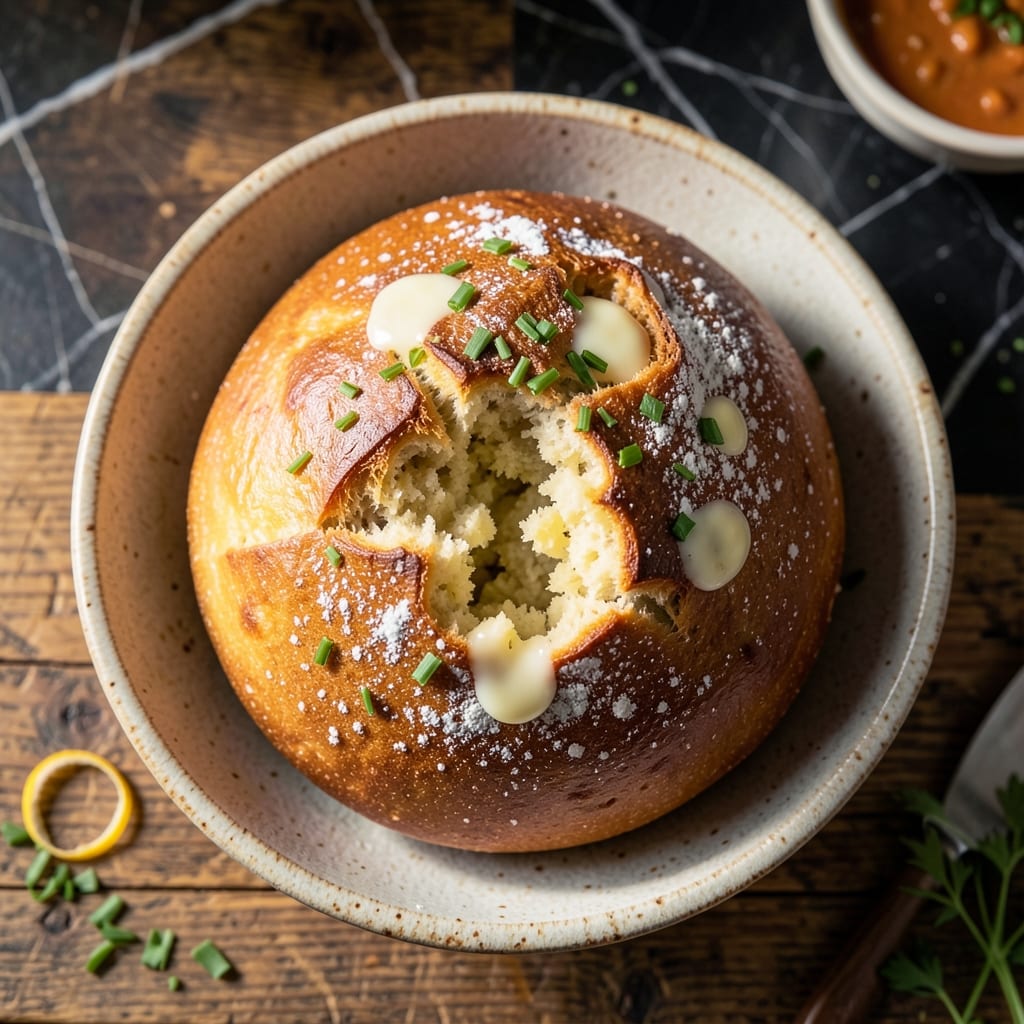
I’ve found the perfect way to use up leftover mashed potatoes—turn them into a soft, pillowy loaf of potato bread. This recipe transforms yesterday’s side dish into something even better, with a tender crumb and just a hint of sweetness.
No special equipment is needed, just a mixing bowl and a little patience. The mashed potatoes add moisture and a subtle richness that makes this bread irresistibly soft. It’s a foolproof way to create something new from what you already have.
After rising, the dough bakes into a golden loaf with a delicate texture that’s perfect for sandwiches or toast. The leftovers make excellent French toast, too.
This bread stays fresh for days and freezes beautifully. Here’s how to make it.
Ingredients for Potato Bread Recipe with Leftover Mashed Potatoes
Leftover mashed potatoes become the star of this soft, pillowy loaf with just a few pantry staples.
| Ingredient | Amount | Notes |
|---|---|---|
| Leftover Mashed Potatoes 🥔 | 2 cups | Room temperature, no butter |
| All-Purpose Flour 🌾 | 4 ½ cups | Plus extra for dusting |
| Warm Water 💧 | 1 cup | About 110°F for yeast |
| Active Dry Yeast 🍞 | 2 ¼ tsp | One packet, proofed first |
| Granulated Sugar 🍚 | 2 tbsp | For yeast activation |
| Salt 🧂 | 1 ½ tsp | Fine sea salt preferred |
| Unsalted Butter 🧈 | ¼ cup | Melted and cooled |
| Large Egg 🥚 | 1 whole | Room temperature, lightly beaten |
| Whole Milk 🥛 | ¼ cup | Warm to 110°F |
| Honey 🍯 | 2 tbsp | For subtle sweetness |
| Olive Oil 🫒 | 1 tbsp | For greasing bowl |
The mashed potatoes are the key here—use plain ones without added butter or milk (the good stuff, not the loaded kind). King Arthur Flour is my go-to for bread baking, but any all-purpose works fine. The yeast needs to be fresh: check the expiration date on that packet. I grab mine from Whole Foods bulk bins when I’m restocking spices. Warm the milk and water to about 110°F—too hot kills the yeast, too cold won’t activate it.
No leftover potatoes? Instant mashed at double the ratio (so 4 cups powdered) works in a pinch. Swap the honey for maple syrup if you’re out, but it’ll darken the bread slightly. The milk can be any kind—whole gives the richest texture. If your dough feels too sticky, add flour a tablespoon at a time. The egg helps with structure, but you can skip it (just expect a slightly denser loaf).
Store the loaf wrapped in foil at room temp for 3-4 days. For longer, slice and freeze—good for 3 months. Revive slices by toasting or warming in the oven (don’t microwave, it’ll get gummy).
Why You’ll Love This Recipe
- No Waste Win: I love turning yesterday’s mashed potatoes into fresh bread—no extra grocery trip needed.
- Rich and Fluffy: The potatoes add a subtle sweetness and the softest texture that melts in your mouth.
- Weeknight Savior: Honestly, it’s ready in under an hour, perfect for sandwiches or dinner rolls.
- Budget Friendly: Between us, it stretches a simple pantry list into something that feels special.
Step-by-Step Instructions for Potato Bread
Here’s the method I’ve tested and perfected for the softest loaf you’ll ever make.
Step 1: Proof the Yeast and Activate the Base
In a large mixing bowl, combine the 1 cup Warm Water, 2.25 tsp Active Dry Yeast, and 2 tbsp Granulated Sugar. Whisk gently and let it sit for 5-7 minutes until the mixture becomes frothy and doubles in volume. This visual confirmation means your yeast is alive and ready to work.
Once activated, stir in the 2 cups Leftover Mashed Potatoes, 0.25 cup Whole Milk, 2 tbsp Honey, 0.25 cup Unsalted Butter, and 1 whole Large Egg. The mashed potatoes should be at room temperature to prevent shocking the yeast and ensure even mixing.
Step 2: Form the Dough and Knead
Gradually add the 4.5 cups All-Purpose Flour and 1.5 tsp Salt to the wet ingredients. I start with a wooden spoon to incorporate everything, then switch to my hands once it becomes too thick to stir. The dough will be shaggy at first—this is normal.
Turn the dough out onto a lightly floured surface and knead for 8-10 minutes until it becomes smooth and elastic. You’ll know it’s ready when you can poke it with your finger and the indentation springs back slowly. If it’s too sticky, add flour 1 tablespoon at a time, but don’t overdo it—the dough should remain slightly tacky.
Step 3: First Rise Until Doubled
Lightly grease a large bowl with the 1 tbsp Olive Oil and place your dough inside, turning to coat all sides. Cover the bowl with a damp kitchen towel or plastic wrap and let it rise in a warm, draft-free place for 1 to 1.5 hours. The dough should double in size and look puffy.
I like to turn my oven on to its lowest setting for 2 minutes, then turn it off and place the bowl inside with the door closed. This creates the perfect warm environment for rising. Don’t rush this step—proper rising is what gives your bread that pillowy texture.
Step 4: Shape, Second Rise, and Bake
Punch down the risen dough to release the air, then turn it out onto a lightly floured surface. Shape it into a loaf by gently rolling and tucking the edges under. Place it seam-side down in a greased 9×5-inch loaf pan.
Cover and let it rise again for 45-60 minutes until the dough domes about 1 inch above the rim of the pan. Preheat your oven to 375°F during the last 15 minutes of rising. Bake for 30-35 minutes until the top is golden brown and the loaf sounds hollow when tapped.
Step 5: Cool and Serve
Remove the bread from the pan immediately and let it cool on a wire rack for at least 20 minutes before slicing. I know it’s tempting to dig in right away, but cooling allows the structure to set and prevents a gummy texture.
Slice with a serrated knife for clean cuts. The bread should be incredibly soft with a slightly sweet flavor from the potatoes and honey. Serve warm with butter or use for your favorite sandwiches.
Pro Tips For Making Potato Bread Recipe With Leftover Mashed Potatoes
- Warm the Potatoes: Take your leftover mashed potatoes out of the fridge 30 minutes before using—cold potatoes can shock the yeast and slow down the rise.
- Proof the Yeast: Mix your yeast with warm water (about 110°F) and a pinch of sugar first, then wait 5 minutes for it to foam. I learned this the hard way after a few loaves that never rose.
- Skip the Lumps: Break up any chunks in your mashed potatoes before mixing—lumps make uneven texture in the bread. A quick mash with a fork does the trick.
- Add Flour Gradually: Start with 3/4 of the flour, then add more as needed. The potato makes the dough stickier than usual, and it’s easier to add flour than fix a dry, tough loaf.
Troubleshooting This Recipe
Dense Bread Problems
If your loaf turns out heavy, the yeast may have been old or not properly proofed. Always check that your yeast is frothy after 5-7 minutes in warm water with sugar. Also, ensure your mashed potatoes are at room temperature—cold potatoes can shock the yeast and slow rising. 💡
Dough Won’t Rise
A common issue is using water or milk that’s too hot (above 110°F). This kills the yeast instantly. Use a thermometer for accuracy. Also, check your rising environment—drafts or cold kitchens can stall fermentation. I warm my oven to 200°F, turn it off, then place the bowl inside.
Sticky Dough Fix
If the dough sticks to your hands during kneading, resist adding too much flour. Instead, lightly oil your hands and the work surface. The dough should remain slightly tacky. Add flour only 1 tablespoon at a time until it just stops sticking.
Overproofed Dough
If your dough collapses when you shape it, it may have risen too long. The first rise should take 1-1.5 hours in a warm spot. Watch for the dough to double in size, not triple. If it smells very yeasty or has large bubbles, you’ve likely overproofed.
Pale or Underbaked
If the loaf looks pale after 30-35 minutes, check your oven temperature with an oven thermometer. Many home ovens run cooler than their settings. Also, ensure the pan isn’t too large—a 9×5-inch loaf pan works best for proper heat circulation. 🔥
Crust Too Dark
If the top browns too quickly, tent the pan with aluminum foil after 20 minutes of baking. This prevents over-browning while allowing the center to cook through. Also, avoid placing the pan too high in the oven—middle rack position is ideal.
Nutrition Facts
Frequently Asked Questions
Can I use instant mashed potatoes instead of leftovers?
Yes, use 4 cups prepared instant mashed potatoes (double the amount). Let them cool to room temperature before mixing. The texture may be slightly less rich than with real leftovers.
Why does my bread turn out dense?
Old yeast or cold mashed potatoes often cause this. Always proof your yeast first and ensure potatoes are room temperature. Over-flouring the dough can also make it heavy.
How long should I knead the dough?
Knead for 8-10 minutes until smooth and elastic. The dough should spring back slowly when poked. Avoid adding too much flour—it should stay slightly tacky.
Can I make this dough ahead of time?
Yes! After the first rise, punch down the dough, cover tightly, and refrigerate for up to 24 hours. Let it warm to room temperature before shaping and second rise.

- Potato Patty Recipe No Egg: Crispy Edges Without the Binder - October 30, 2026
- Paula Deen’s Potato Chip Cookies Recipe: Salty-Sweet Crunch in Every Bite - October 30, 2026
- Potato Gnocchi Recipe Ideas: Pillowy Soft Dumplings With Rustic Charm - October 30, 2026