
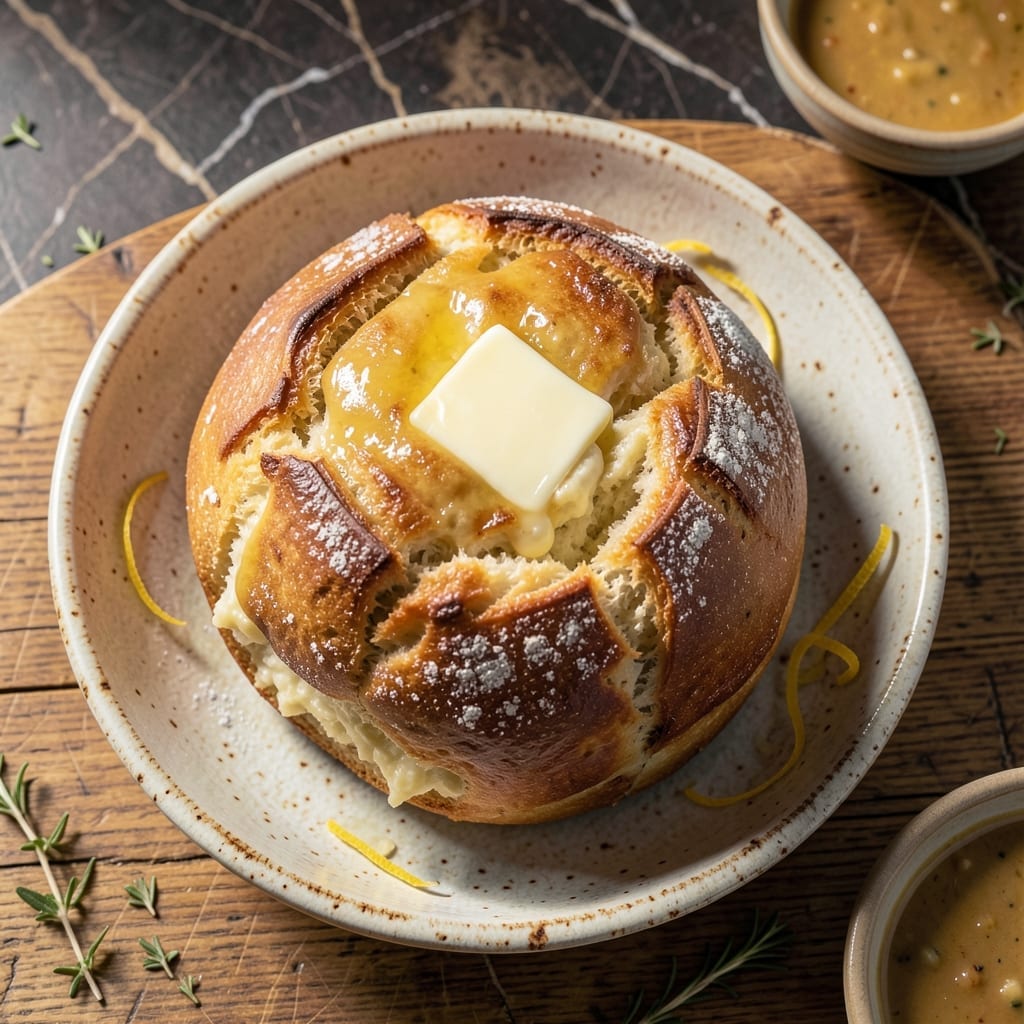
There’s a secret to bread that stays soft for days, and it starts with leftover mashed potatoes. This recipe transforms simple ingredients into a pillowy loaf with surprising depth.
I learned this technique from my grandmother, who always saved extra mashed potatoes for baking. The potatoes add moisture and a subtle savory note that makes this bread stand out.
The result is a soft, tender crumb with just the right amount of structure. It toasts beautifully and makes the best sandwiches you’ve ever tasted.
Perfect for family dinners or holiday gatherings. Here’s how to make this bread.
Ingredients for Potato Bread Recipe with Mashed Potatoes
Transform leftover mashed potatoes into this pillowy bread with pantry staples and simple dairy.
| Ingredient | Amount | Notes |
|---|---|---|
| Leftover Mashed Potatoes 🥔 | 1 ½ cups | Cooled, unsweetened preferred |
| Bread Flour 🌾 | 4 cups | Plus extra for dusting |
| Warm Water 💧 | ¾ cup | 110-115°F for yeast activation |
| Active Dry Yeast 🍞 | 2 ¼ tsp | One 0.25 oz package plus extra |
| Granulated Sugar 🍚 | 2 tbsp | For yeast proofing and sweetness |
| Unsalted Butter 🧈 | ¼ cup | Melted and cooled to room temperature |
| Large Eggs 🥚 | 2 whole | Room temperature for even mixing |
| Kosher Salt 🧂 | 1 ½ tsp | Diamond Crystal preferred for consistency |
| Whole Milk 🥛 | ½ cup | Warmed slightly, can use 2% |
| Honey 🍯 | 2 tbsp | For subtle sweetness and moisture |
| Vegetable Oil 🫒 | 2 tbsp | For greasing bowl and pan |
| Dried Onion Flakes 🧅 | 1 tbsp | Optional for added savory depth |
The mashed potatoes are critical here—leftover, unsweetened varieties work best (no butter or milk added). For bread flour, King Arthur is the gold standard, but any high-protein flour will do. Yeast freshness matters: check the expiration date and store it in the freezer. The milk and butter add richness, so full-fat dairy is recommended for optimal texture and flavor.
No leftover mashed potatoes? Boil and mash 2 medium russets (about 1.5 cups) and cool completely. For a lighter loaf, substitute all-purpose flour for half the bread flour. The honey can be replaced with maple syrup or sugar, but adjust the sweetness to taste. If avoiding dairy, use plant-based milk and butter, though texture may vary slightly.
Dough can be refrigerated overnight for a slower rise, enhancing flavor. Baked loaves stay fresh for 3-4 days at room temperature or freeze for 3 months. Slice before freezing for easy toasting later. Always bring ingredients to room temperature before mixing for even results.
Why You’ll Love This Recipe
- No Fuss Dough: I just mix leftover mashed potatoes with flour, yeast, and a pinch of sugar—no fancy techniques required.
- Pillowy Softness: The potatoes make the crumb so tender it practically melts. Honestly, it’s the best texture I’ve ever baked.
- Sandwich Star: This bread holds up to thick slices of turkey or just butter and jam—my kids pack it for lunch all week.
- Waste Not: I love turning last night’s mashed potatoes into fresh loaves instead of tossing them. One less thing in the trash, one more on the table.
Step-by-Step Instructions for Potato Bread With Mashed Potatoes
Master this technique for a loaf that’s tender, slightly sweet, and rich with potato depth.
Step 1: Activate the Yeast and Prepare the Wet Mixture
In a large mixing bowl, combine the 0.75 cup Warm Water, 2 tbsp Granulated Sugar, and 2.25 tsp Active Dry Yeast. Let it stand for 5-7 minutes until the mixture becomes foamy—this confirms the yeast is active and ready to work.
While the yeast proofs, warm the 0.5 cup Whole Milk slightly and melt the 0.25 cup Unsalted Butter, then let both cool to room temperature. Add these to the yeast mixture along with the 2 whole Large Eggs, 2 tbsp Honey, and 1.5 cups Leftover Mashed Potatoes. Whisk until smooth and fully combined.
Step 2: Incorporate Dry Ingredients and Knead
Gradually add the 4 cups Bread Flour and 1.5 tsp Kosher Salt to the wet mixture. Use a wooden spoon to combine until a shaggy dough forms. If including, sprinkle in the 1 tbsp Dried Onion Flakes at this stage.
Turn the dough onto a lightly floured surface and knead for 8-10 minutes until smooth and elastic. The dough will be slightly tacky but shouldn’t stick to your hands. If it does, add a dusting of flour, but use sparingly—the mashed potatoes add moisture, so the dough will be softer than traditional bread dough.
Step 3: First Rise Until Doubled
Lightly grease a large bowl with 2 tbsp Vegetable Oil and place the kneaded dough inside. Turn it once to coat all sides with oil. Cover the bowl with a clean kitchen towel and let it rise in a warm, draft-free place for 1 to 1.5 hours, or until the dough has doubled in size.
You’ll know it’s ready when it springs back slowly after being pressed with a finger, leaving a slight indentation. This first rise develops the gluten and allows the flavors to meld, especially the subtle sweetness from the honey and depth from the potatoes.
Step 4: Shape, Second Rise, and Bake
Punch down the risen dough to release the air, then turn it onto a lightly floured surface. Shape it into a loaf by flattening into a rectangle and rolling it tightly from the short end. Pinch the seam and tuck it under. Place the loaf seam-side down in a greased 9×5-inch loaf pan.
Cover and let rise again for 45-60 minutes until the dough domes about 1 inch above the rim of the pan. Preheat the oven to 375°F during the last 15 minutes of rising. Bake for 30-35 minutes until the top is golden brown and a toothpick inserted in the center comes out clean.
Step 5: Cool Before Slicing
Remove the bread from the oven and let it cool in the pan for 5 minutes, then transfer to a wire rack to cool completely. This cooling step is crucial—slicing too soon can result in a gummy texture. The loaf should feel firm to the touch and sound hollow when tapped on the bottom.
Once cooled, slice with a serrated knife. The interior will be soft, pillowy, and slightly dense with a tender crumb, while the crust remains just firm enough to hold its shape. The hidden savory depth from the mashed potatoes shines through in every bite.
Pro Tips For Making Potato Bread Recipe With Mashed Potatoes
- Proof the Yeast: Always activate the yeast in warm water with a pinch of sugar first—if it doesn’t foam within 5 minutes, your bread won’t rise. I learned this the hard way after a few dense loaves.
- Use Dry Mashed Potatoes: Spread leftover mashed potatoes on a plate to dry out slightly before mixing—excess moisture throws off the dough consistency. Sounds weird, but it works.
- Don’t Over-Flour: Resist the urge to add extra flour just because the dough is sticky; the potatoes make it naturally softer. After burning three batches, I finally figured out the texture is supposed to be tacky.
- Warm the Dough: Let the dough rise in a turned-off oven with a bowl of hot water—it cuts proofing time in half, especially in a cold kitchen. My grandmother swore by this, and she was right.
Troubleshooting This Dish
Dense or Heavy Loaf
If your bread turns out dense, the issue is likely under-kneading or inactive yeast. Always proof your yeast in warm water with sugar until foamy. Knead for the full 8-10 minutes—the dough should be smooth and elastic, not sticky. 💡
Dough Won’t Rise
Check your yeast freshness first. If stored properly in the freezer, it should last 6 months. Also, ensure your rising environment is warm—75-80°F is ideal. I use my oven with the light on for consistent warmth.
If using cold ingredients, warm the milk and bring eggs to room temperature before mixing. Cold ingredients can inhibit yeast activity significantly.
Crust Too Thick
This usually happens when the loaf rises too high above the pan. Don’t let it dome more than 1 inch above the rim. Also, ensure your oven is fully preheated to 375°F for even baking.
Gummy Interior
Patience is key—slicing too soon traps steam inside. Always cool completely on a wire rack for at least 2 hours. If the problem persists, your oven may be running cool. Invest in an oven thermometer to verify temperature accuracy.
Potato Flavor Too Strong
Use plain mashed potatoes without added butter or milk. If your leftovers are seasoned, reduce the amount to 1 cup and add ½ cup bread flour to balance the moisture and flavor.
Nutrition Facts
Frequently Asked Questions
Can I use fresh mashed potatoes instead of leftovers?
Yes, but let them cool completely first. Fresh mashed potatoes retain more moisture, so reduce the milk by 2 tablespoons. Avoid adding extra butter or seasonings to keep the flavor balanced.
Why does my dough feel stickier than usual?
The mashed potatoes add extra moisture. Resist adding too much flour during kneading—just dust lightly. The dough should be slightly tacky but pull away from your hands after 8-10 minutes of kneading.
Can I make this bread without a stand mixer?
Knead by hand on a floured surface for the full 8-10 minutes. The dough will be softer, but the texture will still be pillowy. Use a bench scraper to help lift and turn the dough.
How do I store the bread to keep it fresh?
Wrap the cooled loaf in plastic wrap or place in an airtight container at room temperature for 3-4 days. For longer storage, slice and freeze for up to 3 months.

- Potato Patty Recipe No Egg: Crispy Edges Without the Binder - October 30, 2026
- Paula Deen’s Potato Chip Cookies Recipe: Salty-Sweet Crunch in Every Bite - October 30, 2026
- Potato Gnocchi Recipe Ideas: Pillowy Soft Dumplings With Rustic Charm - October 30, 2026