
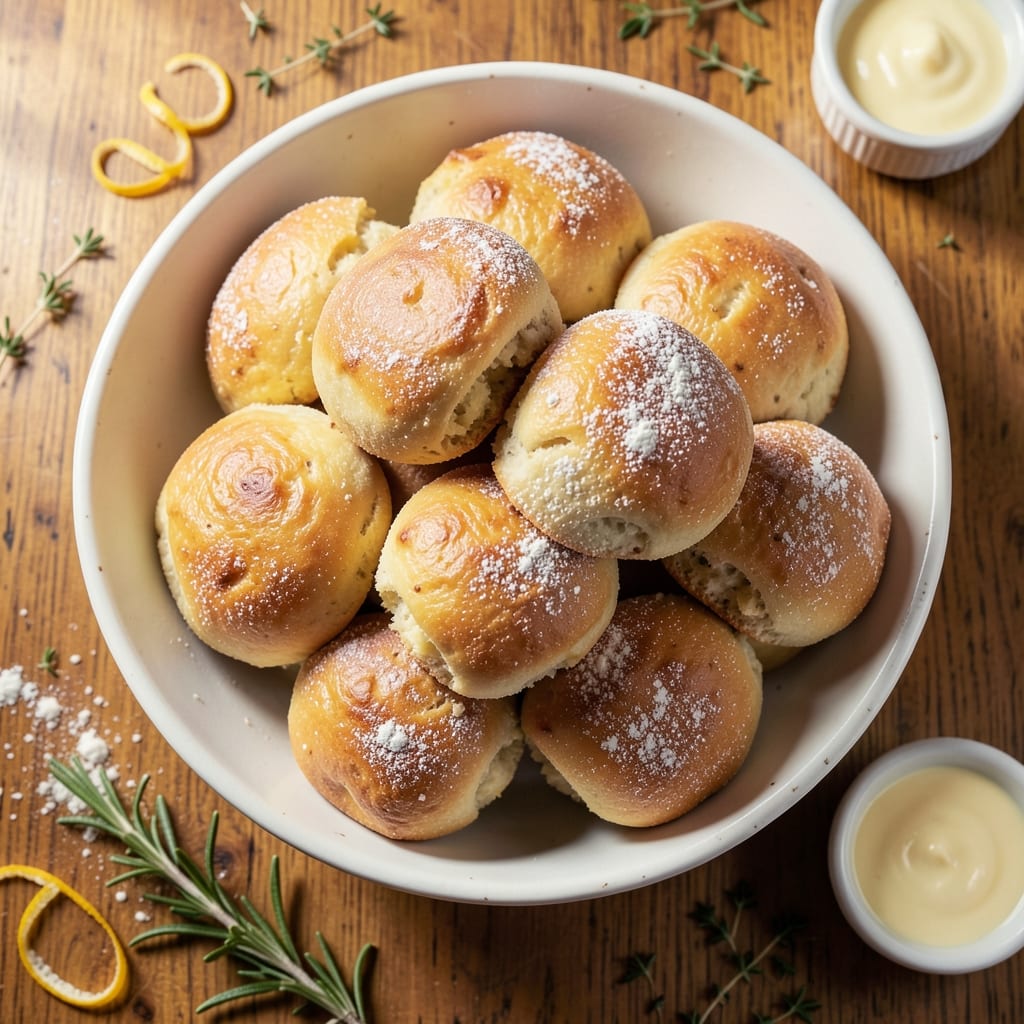
There’s nothing quite like the satisfaction of pulling warm, homemade buns from your own oven. These potato buns deliver a soft, pillowy texture with just the right balance of sweetness and richness, making them perfect for burgers, sandwiches, or dinner rolls.
The secret lies in the potato—it adds moisture and a subtle earthy note while keeping the crumb tender for days. King Arthur’s approach ensures consistent, bakery-quality results without complicated techniques. The dough comes together quickly with basic ingredients you likely already have.
After rising, the buns bake to a golden brown with a slightly glossy finish, thanks to a simple egg wash. Their soft interior and delicate crust make them irresistible straight from the oven or toasted the next day.
Whether you’re feeding a crowd or meal prepping for the week, this recipe is a reliable go-to for homemade bread that outshines store-bought every time.
Ingredients for Potato Bun Recipe King Arthur
Basic pantry staples plus potatoes create bakery-quality buns at home.
| Ingredient | Amount | Notes |
|---|---|---|
| Potatoes 🥔 | 1 whole | Medium russet, peeled and diced |
| Water 💧 | 1 cup | For boiling potatoes |
| Milk 🥛 | 1 cup | Whole milk, warmed to 110°F |
| Unsalted Butter 🧈 | 4 tbsp | Melted and cooled slightly |
| Granulated Sugar 🍚 | 3 tbsp | For subtle sweetness |
| Active Dry Yeast 🍞 | 2 ¼ tsp | One packet, proofed in warm milk |
| All-Purpose Flour 🌾 | 5 cups | King Arthur brand preferred |
| Salt 🧂 | 1 ½ tsp | Fine sea salt |
| Large Egg 🥚 | 1 whole | For egg wash |
| Water 💧 | 1 tbsp | For egg wash |
The potatoes are key here—russets give the best texture and that subtle earthy flavor. Most grocery stores carry them year-round. King Arthur flour is my go-to for consistent results, but any all-purpose flour works in a pinch. The milk needs to be warm, not hot (around 110°F), or you’ll kill the yeast. I always use whole milk for richness, but 2% works too (just don’t go lower).
No russet potatoes? Yukon Golds work well, though they’re a bit waxier. Out of whole milk? Warm water plus a tablespoon of melted butter mimics the fat content. For a dairy-free version, swap the milk for warm unsweetened almond milk and use vegan butter. The egg wash can be skipped, but it gives that beautiful golden shine (or use a bit of milk for a wash).
Dough rises best in a warm spot—75-80°F. Baked buns keep at room temp for 2 days, or freeze for 3 months. Reheat in a 350°F oven for 5-10 minutes to restore that fresh-baked feel. Always cool completely before storing.
Why You’ll Love This Recipe
- No Fuss Dough: I just dump the mashed potatoes, milk, and butter into the mixer—no finicky yeast tempering or proofing headaches.
- Buttery Clouds: The butter and sugar create this tender crumb that melts in your mouth, and the potato adds this subtle sweetness that’s just right.
- Freezer Friendly: I make a double batch, bake half, and freeze the rest as dough balls—fresh buns in 20 minutes any night of the week.
- Penny Pincher: Honestly, a few potatoes and pantry staples make a dozen buns for less than the cost of a bakery loaf.
Step-by-Step Instructions for Soft and Buttery Homemade Buns
Here’s my go-to method for pillowy potato buns with that signature soft texture.
Step 1: Cook and Mash the Potatoes
Peel and dice the 1 whole Potatoes into even 1-inch pieces. Place them in a saucepan with the 1 cup Water and bring to a boil. Cook for 10-12 minutes until the potatoes are fork-tender—they should pierce easily with no resistance.
Drain the potatoes well, then return them to the warm pan. Mash them until completely smooth with no lumps. You’re aiming for about 1 cup of mashed potato. Let this cool to room temperature before using—hot potatoes can kill the yeast.
Step 2: Activate the Yeast and Mix Wet Ingredients
In a small bowl, warm the 1 cup Milk to 110°F—it should feel warm but not hot to the touch. Stir in the 3 tbsp Granulated Sugar until dissolved, then sprinkle the 2.25 tsp Active Dry Yeast on top. Let it sit for 5-7 minutes until foamy—this confirms your yeast is active and ready to work.
In a large mixing bowl, combine the cooled mashed potatoes, the yeast mixture, the 4 tbsp Unsalted Butter (melted and cooled), and the 1.5 tsp Salt. Stir until everything is well incorporated. The mixture might look slightly curdled, but that’s normal at this stage.
Step 3: Incorporate the Flour and Knead
Add 1 cup of the 5 cups All-Purpose Flour to the wet ingredients and mix until just combined. Continue adding flour, 1 cup at a time, mixing between each addition until you’ve added about 4 cups. The dough will start to pull away from the sides of the bowl.
Turn the dough out onto a lightly floured surface and knead by hand for 8-10 minutes, gradually working in the remaining 1 cup of flour as needed. You want a soft, slightly tacky dough that springs back slowly when poked. If it’s too sticky, add flour 1 tablespoon at a time—but don’t overdo it, or your buns will be dense.
Step 4: First Rise Until Doubled
Place the dough in a greased bowl, turning once to coat all sides. Cover with a clean kitchen towel or plastic wrap and let it rise in a warm, draft-free place for 1 to 1.5 hours, or until doubled in volume. I like to turn on my oven light for a gentle warmth boost.
You’ll know it’s ready when the dough holds an indent when gently pressed with your finger. If your kitchen is cool, this might take a bit longer—just be patient. Rushing the rise will affect the final texture of your buns.
Step 5: Shape, Second Rise, and Bake
Punch down the risen dough to release the air, then turn it out onto a lightly floured surface. Divide it into 12 equal portions and shape each into a smooth ball. Place them on a parchment-lined baking sheet, spacing them about 2 inches apart.
In a small bowl, whisk together the 1 whole Large Egg and 1 tbsp Water for the egg wash. Brush this gently over the tops of the buns. Cover and let rise again for 30-45 minutes until puffy.
Preheat your oven to 375°F. Bake the buns for 15-18 minutes until they’re golden brown on top and the internal temperature reaches 190°F. If they’re browning too quickly, tent loosely with foil. Let them cool on the baking sheet for 5 minutes before transferring to a wire rack.
Pro Tips For Making Potato Bun Recipe King Arthur
- Cool the Potatoes: Let your mashed potatoes cool completely before mixing into the dough—I learned this the hard way after killing my yeast with hot spuds more than once.
- Use Real Butter: Skip the margarine; unsalted butter at room temperature blends smoothly into the dough and gives these buns their signature richness.
- Don’t Overflour: Resist the urge to dump extra flour when kneading; the dough should be slightly sticky—this is what makes King Arthur’s version so tender.
- Warm the Milk: Heat your milk to about 110°F before mixing with yeast—any hotter and you’ll scald it, any colder and your buns won’t rise properly.
Perfect Pairings for potato bun recipe king arthur
Burger Pairings
These buns shine with juicy burgers. I love them with a ⅓-pound beef patty, sharp cheddar, and crisp lettuce. The soft texture soaks up all the delicious juices. Add a 1 tbsp of my secret sauce for extra flavor. 🔥
Sandwich Ideas
Use them for pulled pork sandwiches with ½ cup of tangy BBQ sauce and a handful of coleslaw. The slight sweetness balances smoky meats perfectly. I also enjoy them with fried chicken and a drizzle of hot honey.
Breakfast Buns
Split and toast them for breakfast sandwiches. My go-to is a fried egg, crispy bacon, and 1 slice of American cheese. The buttery flavor works beautifully with morning ingredients. They reheat well in a 350°F toaster oven for 5 minutes.
Side Dish Pairings
Serve with classic sides like crispy fries or a fresh green salad. For a heartier meal, pair with baked beans and corn on the cob. The buns’ softness contrasts nicely with crunchy sides.
Dinner Roll Style
Warm them and serve as dinner rolls with a pat of salted butter. They complement roasted chicken or pot roast beautifully. I brush mine with garlic herb butter for extra flavor. 💫
Dessert Twist
Use leftover buns for bread pudding. Cube 4 buns, soak in a custard of 2 eggs, 1 cup milk, and ¼ cup sugar, then bake at 350°F for 35-40 minutes. A sweet way to repurpose extras.
Nutrition Facts
Frequently Asked Questions
Can I use instant potatoes instead of fresh?
Yes, but the texture will differ slightly. Use ⅓ cup instant potato flakes mixed with 1 cup hot water to replace fresh. The buns may be slightly denser, but still soft and flavorful.
Why did my buns turn out dense?
This usually happens if the dough was over-floured or didn’t rise long enough. Ensure your yeast is active and let the dough rise until truly doubled. Kneading too much can also cause density.
How do I store leftover buns?
Cool completely, then place in an airtight container at room temperature for up to 2 days. For longer storage, freeze for up to 3 months and reheat in a 350°F oven.
Can I make these ahead of time?
Shape the dough, then refrigerate overnight for the second rise. Bake in the morning for fresh, warm buns. This slow rise often enhances flavor.

- Potato Patty Recipe No Egg: Crispy Edges Without the Binder - October 30, 2026
- Paula Deen’s Potato Chip Cookies Recipe: Salty-Sweet Crunch in Every Bite - October 30, 2026
- Potato Gnocchi Recipe Ideas: Pillowy Soft Dumplings With Rustic Charm - October 30, 2026