
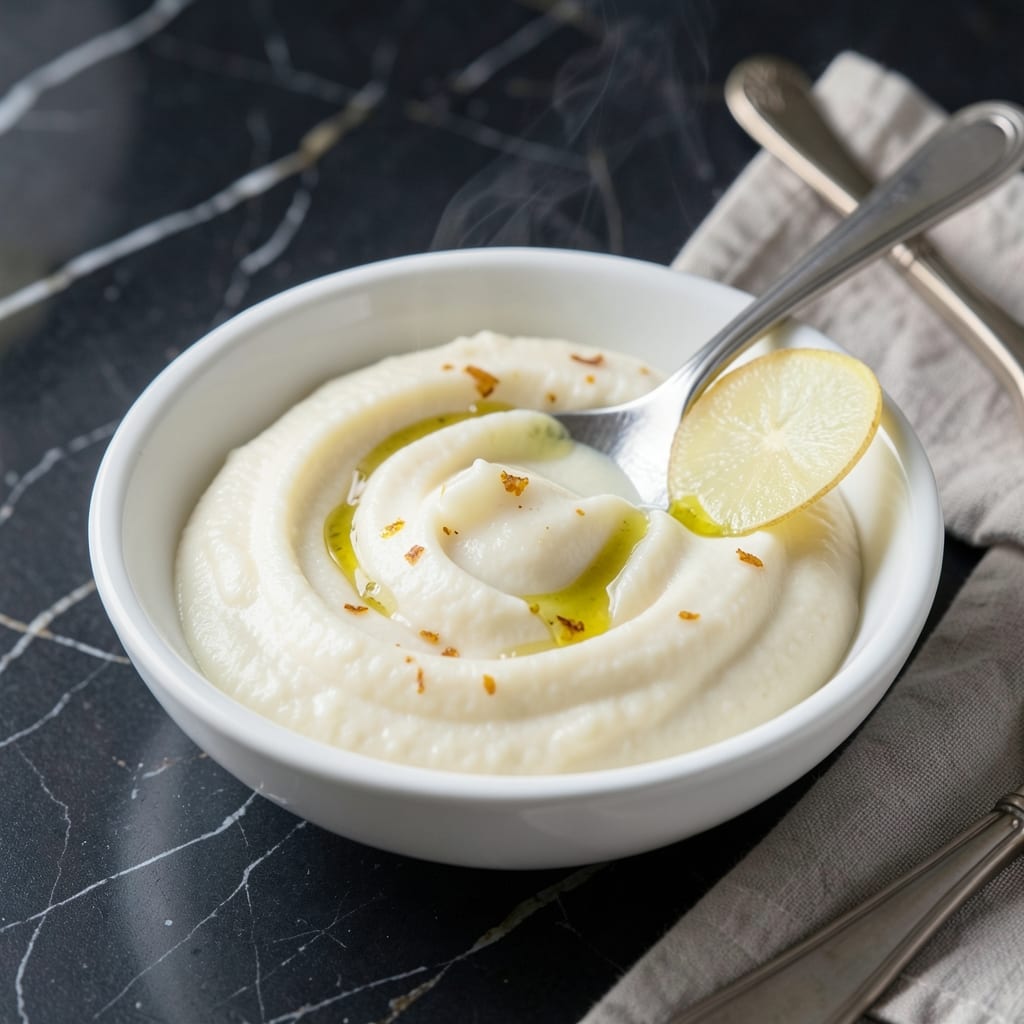
Introducing your baby to solid foods is a special milestone, and this silky smooth potato puree is the perfect starting point. Simple, nutritious, and easy to digest, it provides the ideal texture for little ones just beginning their culinary journey.
This recipe uses only fresh potatoes and water, ensuring a clean, natural flavor without any added salt or seasonings. The process is straightforward and foolproof, creating a velvety consistency that babies love and parents can trust.
You’ll achieve a puree so smooth it practically melts on the tongue, making it easy for tiny taste buds to explore. The mild flavor of potatoes makes this an excellent first food that pairs well with breastmilk or formula.
Prepare it fresh in 20 minutes or make a batch to store for quick, healthy meals throughout the week.
Ingredients for Potato Puree Recipe for Baby
Three simple ingredients for a silky smooth first food your baby will love.
| Ingredient | Amount | Notes |
|---|---|---|
| Russet Potatoes 🥔 | 2 lb | Peeled and cubed evenly |
| Water 💧 | 2 cups | For boiling and thinning |
| Breastmilk or Formula 🍼 | ¼ cup | Optional for familiar flavor |
The potatoes are everything here. Russets give that fluffy, velvety texture—Yukon Golds work too but can be waxier. Grab them from any grocery store, just make sure they’re firm with no green spots or sprouts. I always buy organic when I can (fewer pesticides), but conventional is fine—just scrub them well. The key is even cubing so everything cooks at the same rate.
No Russets? Sweet potatoes are a great swap (roast first for depth). Want extra creaminess? Mix in a spoonful of breastmilk or formula—babies love the familiar taste. The water can be swapped for low-sodium vegetable broth if you’re feeling fancy, but plain water keeps it pure. Don’t add salt or seasonings—little kidneys can’t handle it yet.
Fresh puree keeps for 3 days in the fridge (airtight container). Freeze portions in ice cube trays for up to 3 months—perfect for quick meals. Thaw overnight or microwave briefly, stirring to even out the warmth.
Why You’ll Love This Recipe
- One-Pot Wonder: I just boil the russets, mash with a splash of breastmilk, and it’s done—no fancy tools or extra dishes.
- Naturally Sweet: Russet potatoes turn creamy and mildly sweet when cooked, so no added sugar is needed for baby’s first tastes.
- First Food Staple: This puree works as a perfect first solid, and I can thin it with water or formula to match my baby’s texture preferences.
- Budget-Friendly Batch: A bag of potatoes makes multiple servings, and it freezes beautifully in ice cube trays for quick meals later.
Step-by-Step Instructions for Potato Puree for Baby
This method ensures silky smooth results with minimal effort and maximum nutrition.
Step 1: Prepare the Russet Potatoes
Begin by thoroughly washing the 2 lb Russet Potatoes under cool running water to remove any dirt or residue. I use a vegetable brush for stubborn spots. Peel the potatoes completely—baby’s first foods should have no skin for the smoothest texture.
Cut them into uniform 1-inch cubes to ensure even cooking. Consistent sizing prevents some pieces from turning mushy while others remain undercooked. Place the cubed potatoes in a medium saucepan as you work to streamline the process.
Step 2: Boil Until Fork-Tender
Add the cubed potatoes to the saucepan and pour in the 2 cups Water—this should just cover the potatoes. Bring to a boil over high heat, then reduce to medium-low heat and simmer uncovered for 15-18 minutes.
You’ll know they’re done when a fork slides in with absolutely no resistance. Don’t drain yet—reserve the cooking water. The starchy liquid is perfect for adjusting the puree’s consistency later. Overcooking at this stage can make the puree gummy, so check at the 15-minute mark.
Step 3: Mash to Perfect Smoothness
Drain the potatoes well, then return them to the warm saucepan. For the silkiest texture, I use a potato ricer while they’re still hot. Press the potatoes through in batches, working quickly to maintain the heat.
If you don’t have a ricer, a food mill works equally well. Avoid a regular potato masher—it can’t achieve the ultra-smooth consistency babies need. The puree should look like thick, creamy pudding at this stage, with no visible lumps or fibers.
Step 4: Adjust Consistency with Liquid
Gradually add the reserved cooking water, 1-2 tablespoons at a time, stirring after each addition until you reach a smooth, pourable consistency. For a familiar flavor that babies love, you can substitute up to 0.25 cup Breastmilk or Formula for some of the water.
The ideal texture should coat the back of a spoon but still drip slowly. Remember that the puree will thicken slightly as it cools. I always err on the thinner side—it’s easier to thicken with a bit of cereal later than to thin an over-reduced puree.
Step 5: Cool and Serve Safely
Transfer the puree to a clean bowl and let it cool to room temperature. To speed this up, place the bowl in a larger bowl of ice water and stir occasionally. Always test the temperature on your wrist before serving—it should feel barely warm, not hot.
Serve immediately or store in airtight containers in the refrigerator for up to 3 days. For longer storage, portion into ice cube trays and freeze for up to 3 months. Thaw overnight in the refrigerator before reheating gently on the stove with a splash of water or milk.
Pro Tips For Making Potato Puree Recipe For Baby
- Boil in Skins: Keep the potatoes whole and unpeeled while boiling to preserve nutrients and prevent them from turning gluey—I learned this the hard way after making watery puree.
- Test with a Fork: Pierce the potatoes after 15 minutes; if the fork slides in easily, they’re done. Overcooking turns them waterlogged, and nobody wants that for baby’s first bite.
- Use Warm Liquid: Mix in breastmilk or formula that’s been gently warmed to room temperature, or the cold shock can make the puree lumpy. Sounds fussy, but it works.
- Strain for Smoothness: Press the cooked potatoes through a fine-mesh sieve instead of mashing to guarantee a silky texture—my grandmother swore by this, and she was right.
Storing and Reheating potato puree recipe for baby
Refrigerator Storage
Let your puree cool completely before transferring to airtight glass containers. I use small 4-ounce mason jars for perfect single-serving portions. Store in the fridge at 40°F or below for up to 3 days. The flavors stay fresh and the texture remains smooth. ❄️
Freezer Storage
For longer storage, portion into ice cube trays—each cube is about 1 ounce, perfect for little ones. Once frozen solid, transfer cubes to a freezer bag and store for up to 3 months. Label with the date so you can track freshness easily.
Thawing Methods
Move frozen portions to the fridge 12 hours before serving for safe, even thawing. For quick meals, place cubes in a bowl of warm water for 20-30 minutes. Never thaw at room temperature—this can encourage bacterial growth.
Reheating Safely
Gently warm the puree in a small saucepan over low heat with 1-2 teaspoons water or breastmilk. Stir frequently to prevent hot spots. Microwave in 15-second intervals, stirring between each, until just warm. Always test temperature before serving. 🔥
Serving Temperature
Baby’s food should be lukewarm, not hot. I always test on my wrist—it should feel comfortable to the touch. If it’s too warm, let it sit for 2-3 minutes and stir again. This ensures a safe, pleasant experience for little ones.
Nutrition Facts
Frequently Asked Questions
Can I use sweet potatoes instead?
Yes! Sweet potatoes work beautifully and add natural sweetness. Roast them at 400°F for 45 minutes until tender, then puree as directed. Babies often enjoy the milder flavor.
Why is my puree lumpy?
Lumps usually mean the potatoes weren’t cooked enough or the mashing tool wasn’t fine enough. Use a ricer or food mill, and ensure potatoes are fork-tender before pureeing.
When can I introduce this to my baby?
Potato puree is great as a first food, typically around 4-6 months, but always check with your pediatrician first. Start with small amounts and watch for any reactions.
Can I add butter or salt?
Avoid added salt or seasonings for babies under 1 year. A tiny pat of unsalted butter is fine after 6 months, but plain puree is best for introducing new flavors.

- Potato Patty Recipe No Egg: Crispy Edges Without the Binder - October 30, 2026
- Paula Deen’s Potato Chip Cookies Recipe: Salty-Sweet Crunch in Every Bite - October 30, 2026
- Potato Gnocchi Recipe Ideas: Pillowy Soft Dumplings With Rustic Charm - October 30, 2026