
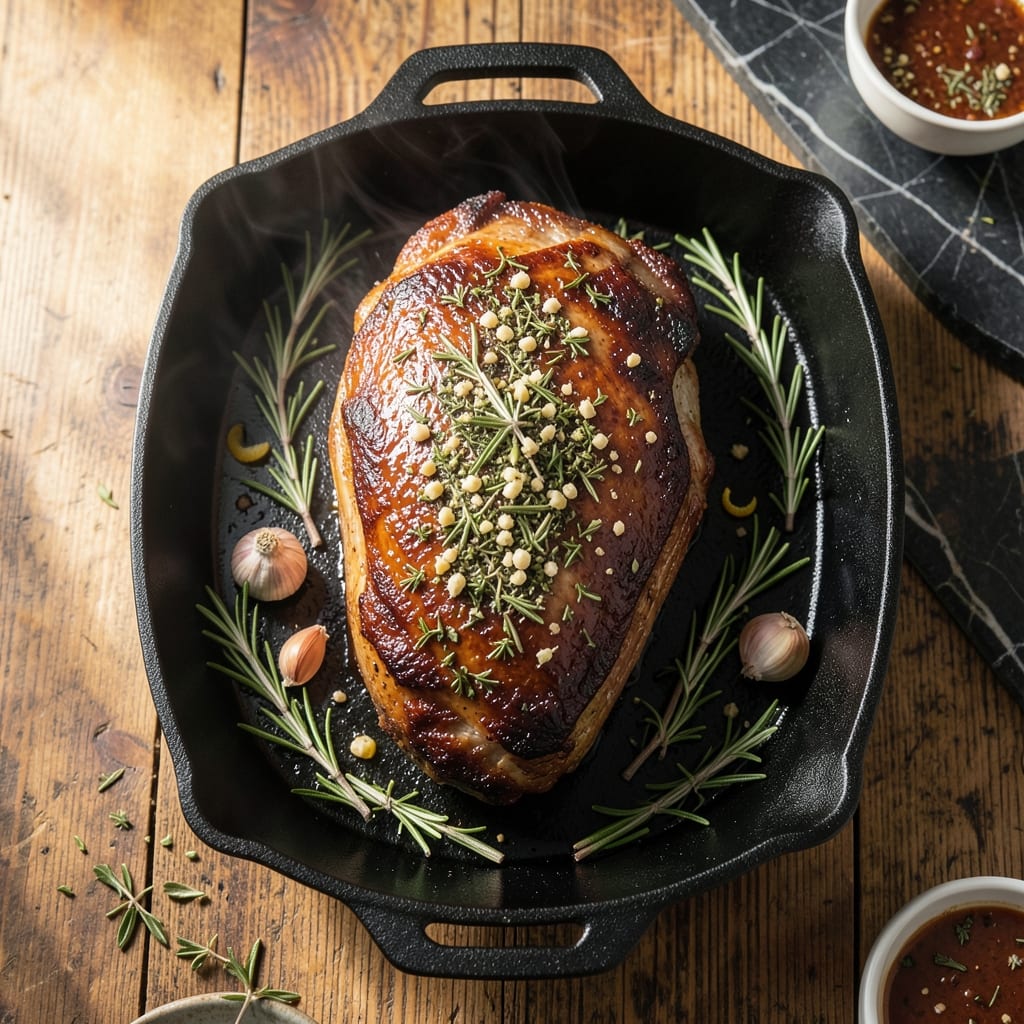
This prime rib roast transforms any holiday table into a memorable feast. I’ve tested this method in my small kitchen to ensure it delivers restaurant-quality results every time.
The herb crust creates a fragrant seal that locks in juices while adding layers of flavor. A simple preparation with bold results—no complicated techniques required.
What emerges from the oven is perfectly pink, tender meat with a crispy herb exterior. The aroma alone will have your guests gathering around the kitchen.
Serve with au jus for dipping and watch it disappear. This is the centerpiece your holiday dinner deserves.
Ingredients for Prime Rib Roast Recipe Natasha’s Kitchen
A handful of fresh herbs and a magnificent roast make this holiday centerpiece unforgettable.
| Ingredient | Amount | Notes |
|---|---|---|
| Bone-In Prime Rib Roast 🥩 | 7 lb | First 3 ribs, well-marbled |
| Kosher Salt 🧂 | 2 tbsp | Diamond Crystal preferred |
| Freshly Ground Black Pepper 🌶️ | 2 tbsp | Coarsely ground for crust |
| Fresh Rosemary 🌿 | 3 tbsp | Finely chopped, stems removed |
| Fresh Thyme 🍃 | 3 tbsp | Finely chopped, stems removed |
| Fresh Garlic Cloves 🧄 | 6 cloves | Minced into paste consistency |
| Dijon Mustard 🟡 | ¼ cup | For herb crust binding |
| Extra-Virgin Olive Oil 🫒 | ¼ cup | For searing and crust |
| Unsalted Butter 🧈 | 4 tbsp | Softened, for herb crust |
| Beef Broth 🥣 | 3 cups | Low-sodium preferred for au jus |
| Red Wine 🍷 | 1 cup | Dry variety like Cabernet |
| All-Purpose Flour 🌾 | 2 tbsp | For thickening au jus |
| Yellow Onion 🧅 | 1 whole | Roughly chopped for au jus |
| Carrots 🥕 | 2 whole | Roughly chopped for au jus |
| Celery Stalks 🌿 | 2 whole | Roughly chopped for au jus |
The prime rib is the star here. Look for USDA Prime or Choice grade—the marbling is everything. Most butchers will cut it to your specification (ask for the first three ribs). I always grab mine from Whole Foods or a trusted local butcher. The rosemary and thyme should be vibrant green and fragrant—if they smell like dust, they’re too old. Fresh garlic is non-negotiable (the jarred stuff lacks punch).
No red wine? Substitute with additional beef broth—it won’t be as complex but still tasty. Fresh herbs can be swapped for dried at one-third the amount, though the crust won’t cling as well. If you’re out of Dijon, whole-grain mustard works (just strain the seeds). For the au jus, skip the wine entirely if needed—beef broth alone still delivers. The flour thickener can be omitted for a lighter jus.
Prime rib keeps surprisingly well. Refrigerate leftovers in their juices for up to 5 days, or freeze slices (wrapped tightly) for 3 months. The au jus can be made ahead—reheat gently before serving. Always bring the roast to room temp before reheating to avoid drying it out.
Why You’ll Love This Recipe
- Almost Hands-Off: I season the roast with salt, pepper, rosemary, and thyme, then let the oven do all the work.
- Herb-Crusted Bliss: The fresh rosemary and thyme form a fragrant crust that makes every bite ridicously good.
- Holiday Showstopper: This is my go-to for Christmas dinner—impressive yet unfussy.
- Leftovers for Days: Honestly, the sandwiches I make with the extras might be even better than the first meal.
Step-by-Step Instructions for Herb-Crusted Prime Rib Roast
Here’s the method I use for perfectly seasoned prime rib that wows every holiday table.
Step 1: Prepare the Herb Crust for Maximum Flavor
In a small bowl, combine the 2 tbsp kosher salt, 2 tbsp freshly ground black pepper, 3 tbsp fresh rosemary, 3 tbsp fresh thyme, and the 6 cloves fresh garlic cloves minced into a paste. This aromatic blend will form the base of your crust.
Add the 0.25 cup dijon mustard, 0.25 cup extra-virgin olive oil, and 4 tbsp unsalted butter softened to the bowl. Mix thoroughly until you have a thick, spreadable paste. The mustard acts as the perfect binder to help the herbs adhere to the roast.
Step 2: Apply the Crust and Sear the Roast
Pat the 7 lb bone-in prime rib roast completely dry with paper towels. This is crucial for achieving a good sear and helping the crust stick. Place the roast bone-side down on a rack in a roasting pan.
Spread the herb mixture evenly over the entire surface of the roast, pressing it in firmly with your hands. The crust should completely cover the meat. Let it sit at room temperature for 1 hour to allow the flavors to penetrate and the roast to cook more evenly.
Step 3: Roast to Perfect Medium-Rare
Preheat your oven to 450°F. Roast the prime rib for 20 minutes at this high temperature to develop a beautiful crust. Then reduce the heat to 325°F and continue roasting.
For medium-rare, cook until the internal temperature reaches 125-130°F on a meat thermometer, which should take about 2 to 2.5 hours total for this size roast. The exact time will depend on your oven and the shape of the roast, so trust the thermometer, not the clock.
Step 4: Make the Au Jus While the Roast Rests
Transfer the roast to a cutting board and tent loosely with foil. Let it rest for 30 minutes before carving—this allows the juices to redistribute. Meanwhile, place the roasting pan on the stovetop over medium heat.
Add the 1 whole yellow onion, 2 whole carrots, and 2 whole celery stalks roughly chopped to the pan. Pour in the 1 cup red wine and 3 cups beef broth. Simmer for 10 minutes, then strain. Thicken with the 2 tbsp all-purpose flour mixed with a little water if desired.
Step 5: Carve and Serve with Au Jus
Remove the bones from the roast and slice between the ribs for beautiful presentations. The meat should be pink and juicy throughout with a fragrant herb crust.
Arrange the slices on a platter and serve with the warm au jus on the side. This dish truly shines as a holiday centerpiece, with every bite delivering rich, beefy flavor complemented by the aromatic herbs.
Pro Tips For Making Prime Rib Roast Recipe Natasha’S Kitchen
- Dry the Roast: Pat the prime rib completely dry with paper towels before seasoning—I learned this the hard way after my first roast steamed instead of seared.
- Salt Generously: Use 1 tablespoon of kosher salt per pound and don’t skimp, especially if your roast is thick.
- Rest Before Carving: Let it rest under foil for at least 20-30 minutes after roasting, or all those juices will end up on the cutting board.
- Herb It Right: Press the fresh rosemary and thyme into the fat cap so the oils infuse as it cooks—sounds weird, but it works.
Perfect Pairings for prime rib roast recipe natashas kitchen
Wine Pairings
A bold Cabernet Sauvignon from Napa Valley complements the rich, beefy flavors beautifully—its dark fruit notes and firm tannins cut through the fat of the roast. I love serving Robert Mondavi Reserve for special occasions. The wine’s complexity matches the herb crust perfectly. 🍷
Craft Cocktails
For non-wine drinkers, a Manhattan cocktail with rye whiskey and sweet vermouth offers a sophisticated pairing. The bittersweet notes enhance the savory elements of this dish. I always keep Bulleit rye on hand for holiday meals.
Side Dish Ideas
Creamy horseradish mashed potatoes are my go-to—they add a tangy contrast to the rich meat. I use Yukon Gold potatoes and 1/4 cup prepared horseradish for that perfect kick. The creaminess balances the prime rib’s bold flavors beautifully.
Vegetable Accompaniments
Roasted Brussels sprouts with bacon and balsamic glaze add a smoky, sweet element that pairs wonderfully. Toss 2 lbs trimmed sprouts with 4 slices cooked bacon and 2 tbsp balsamic reduction. 🥗
Bread Options
A warm sourdough loaf from a local bakery is perfect for soaking up the au jus. I grab mine from Flour Bakery in Boston—its crust is ideal for dipping. The tangy sourdough flavor complements the beef without overpowering it.
Dessert Pairing
End the meal with a light panna cotta or dark chocolate mousse to cleanse the palate. The creamy texture of panna cotta with berry compote provides a refreshing contrast after the rich main course.
Nutrition Facts
Frequently Asked Questions
What’s the best way to season the roast?
Start with a dry rub of kosher salt and black pepper, then press on a thick paste of fresh herbs, garlic, and Dijon mustard. This creates a flavorful crust that seals in juices.
How long should it rest before carving?
Let it rest for at least 30 minutes after removing from the oven. This allows the juices to redistribute, ensuring every slice is moist and tender.
Can I use a boneless cut instead?
Yes, but cooking times may vary slightly. A boneless roast cooks faster, so check the internal temperature 15 minutes earlier than bone-in.
What if the crust burns before it’s done?
Tent the roast loosely with foil to prevent over-browning while allowing it to cook through to 125-130°F.

- Pudding Recipe With Egg Yolks: Silky Smooth Custard in Minutes - November 3, 2026
- Pudding Pops Recipe Cook and Serve: Silky Frozen Treats Without the Machine - November 3, 2026
- Protein Ice Cream Recipe Blender Xanthan Gum: Ultra Creamy Texture Without the Guilt - November 3, 2026