
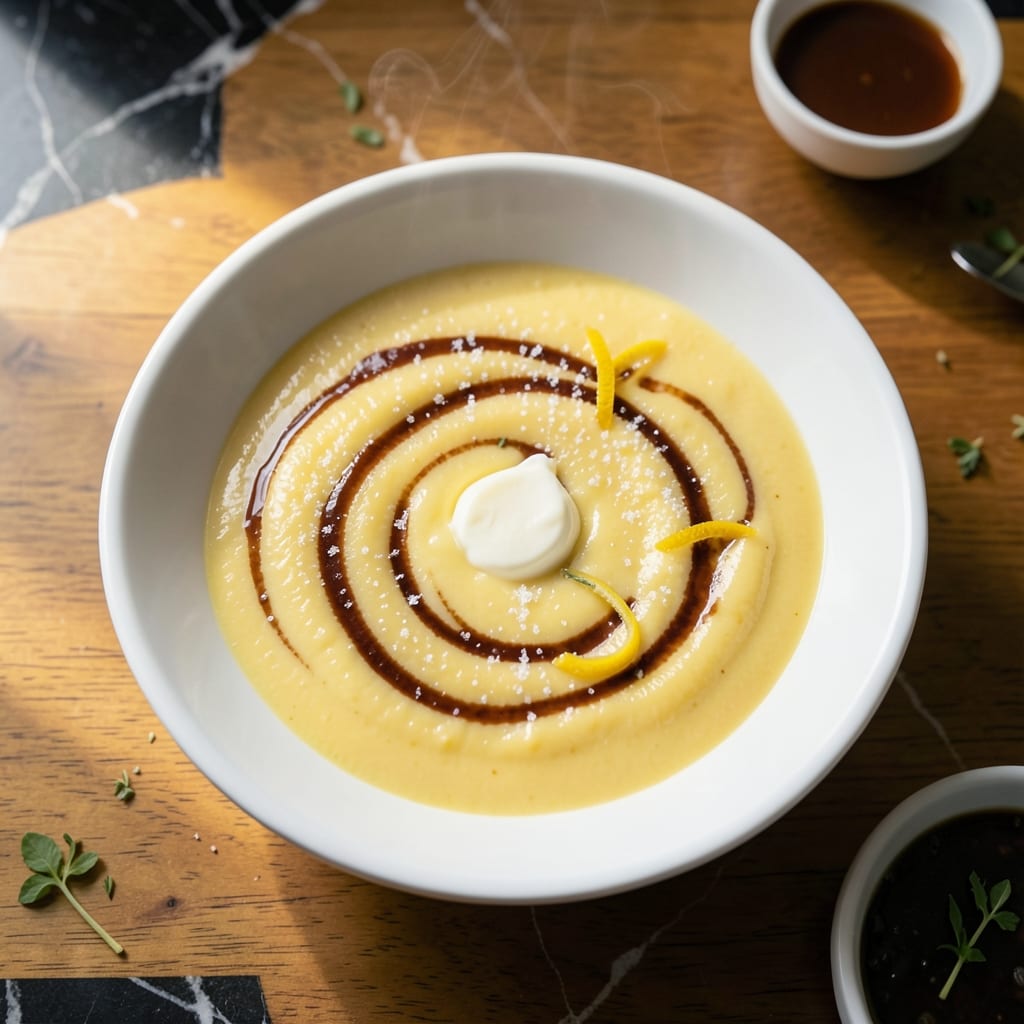
I’ve perfected this custard through years of testing, and the result is a dessert that’s both elegant and approachable. The egg yolks create a richness that’s hard to match with any other method.
This recipe proves you don’t need fancy equipment to achieve silky smooth texture. A whisk, a saucepan, and patience are all it takes to transform simple ingredients into something extraordinary.
What emerges is a pudding so velvety it practically glides off the spoon. The egg yolks add depth and color, while vanilla and sugar balance the richness with just the right sweetness.
Serve chilled or warm—either way, it’s a dessert that feels special without being complicated.
Ingredients for Pudding Recipe with Egg Yolks
Simple ingredients transform into silky custard with egg yolks as the star.
| Ingredient | Amount | Notes |
|---|---|---|
| Whole Milk 🥛 | 3 cups | Full-fat for creaminess |
| Granulated Sugar 🍚 | ¾ cup | Divided, fine granulated |
| Large Egg Yolks 🥚 | 6 whole | Fresh, room temperature |
| Cornstarch 🌾 | 3 tbsp | For thickening custard |
| Pure Vanilla Extract 🌿 | 2 tsp | High-quality for best flavor |
| Unsalted Butter 🧈 | 2 tbsp | For richness and shine |
| Salt 🧂 | ¼ tsp | Fine sea salt preferred |
| Heavy Cream 🥛 | ½ cup | Optional for extra richness |
| Ground Cinnamon 🌿 | ¼ tsp | For subtle warmth |
| Whole Nutmeg 🌰 | 0.125 tsp | Freshly grated preferred |
The egg yolks are non-negotiable here—they provide the signature richness and golden color. Source fresh, high-quality eggs from a trusted grocery store or farmers market. Whole milk works, but for the most luxurious texture, whole milk plus heavy cream creates an unmatched velvety finish. Cornstarch is the thickening agent—ensure it’s fresh (it loses potency over time).
No whole milk? 2% milk plus extra butter works in a pinch, though the texture won’t be as decadent. Out of cornstarch? All-purpose flour at double the amount can substitute, but cook it longer to eliminate the raw taste. Vanilla extract is key for flavor—avoid imitation vanilla. Nutmeg can be pre-ground, but freshly grated releases more aroma.
Custard thickens as it cools, so don’t overcook on the stove. Store in an airtight container in the fridge for up to 5 days. The surface may form a skin—press plastic wrap directly on the pudding to prevent it. Serves 4 generously or 6 modestly.
Why You’ll Love This Recipe
- Stir and Forget: I just whisk the yolks with sugar, heat the milk, and let the cornstarch do the work—hardly any babysitting required.
- Velvety Vanilla: That real vanilla extract folded in at the end gives it a depth store-bought can’t touch. Honestly, it tastes like childhood in a bowl.
- Dessert in Advance: I make a big batch on Sunday and portion it into jars—grab-and-go sweetness for the whole week.
- Yolk Rescue: Between us, it’s my favorite way to use up extra yolks after baking. No waste, just rich, creamy pudding.
Step-by-Step Instructions for Pudding With Egg Yolks
This method ensures a velvety texture with rich, balanced sweetness in every bite.
Step 1: Heat Milk and Prepare Dry Ingredients
In a medium saucepan, heat the 3 cups Whole Milk over medium heat until small bubbles form around the edges and steam begins to rise—do not boil. This gentle heating prevents scorching and ensures even temperature distribution.
While the milk warms, whisk together 0.75 cup Granulated Sugar, 3 tbsp Cornstarch, 0.25 tsp Salt, 0.25 tsp Ground Cinnamon, and 0.125 tsp Whole Nutmeg in a large bowl. This step combines your dry ingredients so they dissolve uniformly when added to the hot liquid.
Step 2: Temper the Egg Yolks
In a separate bowl, whisk the 6 whole Large Egg Yolks until smooth and slightly pale. Slowly pour about 1 cup of the heated milk into the yolks while whisking constantly. This tempering process gradually raises the egg temperature, preventing curdling when combined with the hot milk.
Once fully incorporated, pour the tempered egg mixture back into the saucepan with the remaining milk. Stir continuously to maintain an even consistency and avoid hot spots that could cook the eggs unevenly.
Step 3: Cook Until Thickened
Return the saucepan to medium heat and cook, stirring constantly with a wooden spoon, for 5-7 minutes. The mixture will begin to thicken as the cornstarch activates. Keep scraping the bottom and corners of the pan to prevent sticking.
You’ll know it’s ready when the pudding coats the back of the spoon and leaves a clean line when you run your finger through it. At this point, the texture should resemble a thick custard, not a liquid.
Step 4: Add Butter, Vanilla, and Cream
Remove the saucepan from heat and stir in the 2 tbsp Unsalted Butter and 2 tsp Pure Vanilla Extract until the butter is fully melted and incorporated. The butter adds a luxurious sheen and richness to the pudding.
For extra decadence, stir in the 0.5 cup Heavy Cream until smooth. This step enhances the creamy texture and balances the sweetness with a subtle depth of flavor.
Step 5: Chill and Serve
Transfer the pudding to a large bowl or individual serving dishes. Press plastic wrap directly onto the surface to prevent a skin from forming. Chill in the refrigerator for at least 2 hours, or until completely set.
The pudding will thicken further as it cools, achieving a silky, spoonable consistency. Serve chilled, garnished with a light dusting of Ground Cinnamon or Whole Nutmeg if desired.
Pro Tips For Making Pudding Recipe With Egg Yolks
- Temper the Yolks: Slowly whisk about 1/2 cup of the hot milk mixture into the egg yolks before combining everything—I learned this the hard way after scrambling my first three batches.
- Use Full-Fat Milk: Whole milk makes a real difference in creaminess; skim or 2% will give you a thinner, less luxurious pudding.
- Don’t Boil Vigorous: Keep the heat at a gentle simmer once it thickens—boiling hard will make it grainy or, worse, curdle the yolks.
- Add Vanilla Last: Stir in the vanilla extract only after removing from heat to preserve its flavor; adding it too early lets the alcohol cook off.
Storing and Reheating This Dish
Refrigerator Storage
Let your pudding cool for no more than 2 hours before transferring to an airtight container. I use glass bowls with snap-tight lids to keep it fresh. Store at 40°F or below for up to 5 days. The flavors deepen as it chills. ❄️
Preventing Skin Formation
Before refrigerating, press plastic wrap directly onto the surface of the pudding. This creates a barrier that prevents a skin from forming. For individual servings, cover each dish tightly with plastic wrap or a lid.
Reheating Gently
If you prefer serving warm, reheat portions in a saucepan over low heat, stirring constantly. Add 1-2 tbsp milk or cream to loosen the texture. Heat until just warmed through—avoid boiling to prevent curdling. 🔥
Freezing for Later
This pudding freezes well for up to 2 months in a freezer-safe container. Thaw overnight in the refrigerator, then stir vigorously to restore the creamy texture. Note that the consistency may be slightly grainier after freezing.
Microwave Reheating
For quick portions, microwave on 50% power in 30-second intervals, stirring between each. Add a splash of milk if needed. Stop when it reaches your desired temperature to avoid overheating.
Nutrition Facts
Frequently Asked Questions
Can I use fewer egg yolks for a lighter texture?
Using fewer than 6 yolks may result in a less rich pudding. Egg yolks add thickness and color, so reducing them could make it runny or pale. For a lighter version, try replacing 1-2 yolks with whole eggs instead.
Why does my pudding turn lumpy?
Lumps usually form from uneven cooking or not tempering the eggs properly. Stir constantly over medium heat and whisk the eggs thoroughly with hot milk before combining. If lumps appear, strain the mixture through a fine sieve.
Can I substitute cornstarch with flour?
Yes, use double the amount of all-purpose flour. Cook the pudding a few minutes longer to remove the raw flour taste. The texture may be slightly less smooth, but it will still thicken well.
How do I know when it’s fully thickened?
The pudding is ready when it coats the back of a spoon and leaves a clean line when you run your finger through it. This usually takes 5-7 minutes of constant stirring over medium heat.

- White Jello Shot Recipe: Creamy Vodka Magic in 30 Seconds - November 5, 2026
- Mary Berry’s Boiled Fruit Cake Recipe: Moist Center and Spiced Crust Magic - November 5, 2026
- Atlantic Salmon Recipe: Honey-Dill Pan-Seared With Crispy Skin - November 5, 2026