
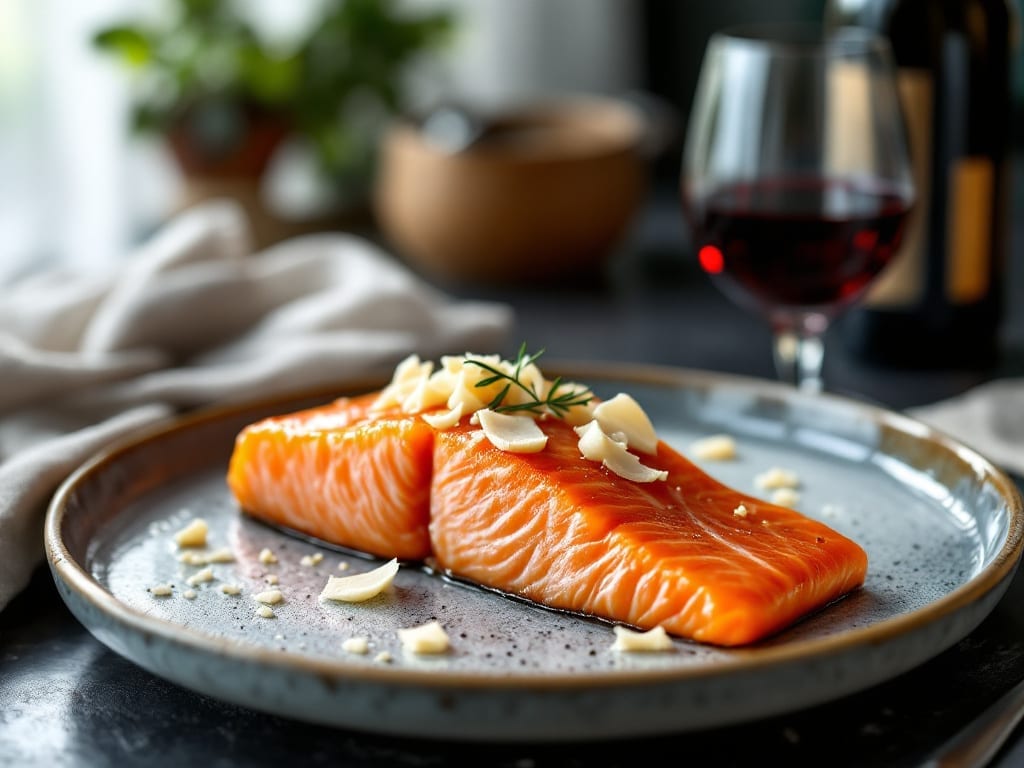
This Atlantic salmon recipe delivers melt-in-your-mouth perfection with honey-dill pan-searing and a shatteringly crispy skin—exactly what makes restaurant-quality seafood shine at home.
The secret lies in the precise cooking technique that balances tender flesh with that coveted crunch, while the honey-dill glaze adds a bright, aromatic finish that elevates every bite.
I’ve perfected this method after years of testing, ensuring the salmon stays juicy inside while developing that golden, crispy exterior that’s impossible to resist.
What sets this recipe apart is its ability to transform simple ingredients into a dish that feels luxurious yet remains approachable for home cooks.
With just 15 minutes of active prep and 10 minutes of cooking, you’ll achieve professional results without needing specialized equipment—just a well-seasoned skillet and a steady hand.
The honey-dill glaze isn’t just flavorful; it’s the perfect balance of sweetness and freshness, cutting through the richness of the salmon while enhancing its natural taste.
By the time you plate this dish, you’ll have perfectly seared salmon with a crispy skin that crackles when you cut into it, revealing tender, flaky flesh underneath. The honey-dill glaze adds a glossy sheen and a burst of bright, herby flavor that makes every bite unforgettable.
This recipe is designed to impress, whether you’re cooking for a special dinner or treating yourself to a well-deserved seafood night in.
Pair it with a simple side of roasted asparagus or a fresh salad to let the salmon take center stage. The method is foolproof, and the results are consistently restaurant-worthy—proof that you don’t need a fancy kitchen to create a standout dish.
Let’s get started on this Atlantic salmon recipe that’s sure to become a favorite.
Ingredients for atlantic salmon
Simple ingredients, restaurant-worthy results—this honey-dill glaze transforms ordinary salmon into showstopping centerpiece perfection.
| Ingredient | Amount | Notes |
|---|---|---|
| Center-Cut Atlantic Salmon Fillets 🐟 | 4 whole | Skin-on, 6-8 oz each, patted dry |
| Extra-Virgin Olive Oil 🫒 | 2 tbsp | High-quality, for searing |
| Unsalted Butter 🧈 | 2 tbsp | Cold, cut into small cubes |
| Honey 🍯 | 2 tbsp | Wildflower or clover preferred |
| Fresh Dill Weeds 🌿 | ½ cup | Chopped, stems removed |
| Fresh Lemon Juice 🍋 | 1 ½ tbsp | From 1 medium lemon |
| Diamond Crystal Kosher Salt 🧂 | 1 ½ tsp | Fine grain preferred |
| Freshly Ground Black Pepper 🌶️ | ½ tsp | Coarsely cracked |
| Garlic Cloves 🧄 | 2 cloves | Thinly sliced lengthwise |
| Fresh Lemon Zest 🍋 | 1 tsp | Fine, from 1 lemon |
| Granulated Sugar 🍚 | ½ tsp | For honey-dill glaze |
The salmon makes or breaks this dish. Center-cut fillets are non-negotiable—they stay together better and develop that coveted crispy skin. Look for wild-caught Atlantic at specialty markets like Whole Foods or Trader Joe’s—their seafood counters have the freshest cuts. If you’re buying frozen, Safeway’s vacuum-sealed fillets thaw beautifully overnight in the fridge. Pat those fillets bone-dry before cooking—water is the enemy of crispy skin. I always grab extra dill at the same time since it’s a key player in the glaze.
No fresh dill? Dried dill at half the amount works in a pinch, but nothing beats the bright flavor of fresh. Out of honey? Maple syrup gives similar sweetness, though it’s slightly earthier. The butter must be cold when you add it—microwave it 40 seconds to soften if it’s rock-hard from the fridge. For the garlic, smash each clove with the flat side of your knife before slicing—it releases more flavor. The lemon juice should be freshly squeezed; bottled won’t cut through the richness like real lemon. And if you’re feeling fancy, swap the sugar for agave nectar—it’s less cloying.
This glaze keeps beautifully. Store it in a small jar in the fridge for up to 5 days—it actually tastes better after flavors meld. The salmon reheats poorly, so cook just before serving. If you’re prepping ahead, sear the salmon first, then finish under the broiler when ready to eat. The crispy skin won’t survive reheating, but the flavor will still shine. For leftovers, wrap tightly in parchment and foil—keeps 2 days max. The glaze freezes well too, so make extra if you’re hosting.
Why You’ll Love This Recipe
- One-Pan Magic: I swear by this recipe when I’m too tired to scrub pots—just toss the salmon, butter, and dill on a sheet pan, pop it in the oven, and walk away. The honey glaze caramelizes right there, no extra bowls or mess.
- Sweet-Savory Bliss: That honey-butter drizzle? It’s the kind of flavor combo that makes you close your eyes mid-bite. The dill brightens everything up while the olive oil keeps it rich, and the salmon stays juicy—no dry, sad fish here.
- Weeknight to Dinner Party: Honestly, this is my go-to for both lazy Tuesdays and when I’m hosting. For weeknights, I serve it with roasted veggies; for guests, I add a squeeze of lemon and garnish with extra dill. Same effort, different vibes.
- Leftovers That Don’t Suck: Between us, most salmon leftovers end up in the trash. Not this one. The glaze keeps it moist, and I’ll reheat slices in a pan with a splash of water—flaky, warm, and still delicious. No sad, rubbery fish here.
Step-by-step instructions for honey-dill pan-seared salmon
Here’s how to achieve perfectly crispy skin and tender flesh with this foolproof pan-searing method.
Prepare the Honey-Dill Glaze and Season the Salmon
In a small bowl, combine the 2 tablespoons honey, 0.5 cup fresh dill weeds, 1.5 tablespoons fresh lemon juice, 1 teaspoon fresh lemon zest, 0.5 teaspoon granulated sugar, 0.5 teaspoon freshly ground black pepper, and 1.5 teaspoons diamond crystal kosher salt. Mix well until the honey and sugar dissolve completely, creating a glossy, fragrant glaze. This balance of sweetness and acidity will caramelize beautifully on the salmon’s skin.
While the glaze rests, pat the 4 whole center-cut Atlantic salmon fillets completely dry with paper towels—this is non-negotiable for crispy skin. Place them skin-side down on a clean work surface and season both sides generously with any remaining salt mixture from the glaze. Let them sit at room temperature for 10 minutes while you prep the rest.
Create the Perfect Searing Environment
Heat a 12-inch cast-iron skillet over medium-high heat until it’s preheated for 5 minutes. Add the 2 tablespoons extra-virgin olive oil and let it shimmer—you should see gentle waves but no smoke. The oil should be hot enough to sear but not so hot it burns immediately. Here’s the thing—if you add the salmon too soon, the skin won’t crisp properly. Wait until you see small bubbles breaking through the oil’s surface.
While the pan heats, cut the 2 cloves garlic into thin slices and set aside. You’ll add these later for subtle aromatic depth without overpowering the dish. Keep the salmon fillets nearby—you want to work quickly once the pan is ready.
Sear the Salmon to Crispy Perfection
Carefully place the salmon fillets skin-side down in the hot skillet, leaving about ½ inch between each piece. Press down gently with a fish spatula for 5 seconds to ensure full contact with the pan—this prevents curling and ensures even crisping. Cook undisturbed for 4-5 minutes until the skin turns deep golden brown and releases easily from the pan. This is your signal to flip.
Once the skin is crispy, flip each fillet and cook the flesh side for 2-3 minutes until it reaches 130°F internally. The flesh should look opaque and flake easily with a fork. Remove the salmon to a plate and tent loosely with foil to keep warm while you finish the sauce.
Finish with Butter and Garlic
Reduce the heat to medium and add the 2 tablespoons cold unsalted butter to the skillet. Let it melt completely, then add the thinly sliced garlic cloves. Cook for 30 seconds until the garlic is just fragrant—not browned. Immediately pour the honey-dill glaze into the skillet and stir vigorously for 1 minute until it thickens slightly and coats the back of a spoon.
Return the salmon fillets to the skillet, skin-side up, and spoon the glaze evenly over the top. Let everything heat through for 1 minute, then transfer to serving plates. The skin should remain crisp, the flesh tender, and the glaze glossy with flecks of fresh dill. Serve immediately with lemon wedges and steamed vegetables for the full experience.
Pro Tips For Making Atlantic Salmon
- Pat Dry First: Skip the damp skin—salmon sticks better and crisps better when dry. I learned this the hard way after sliding my first fillet right off the pan. Use paper towels, not your shirt (trust me, it’s worth the extra 30 seconds).
- Butter at the End: Toss in the butter and honey after the salmon is cooked, not before. I used to melt it with the oil, and it’d just pool at the bottom instead of basting the fish. Add it in the last 30 seconds—it’ll coat everything perfectly.
- Avoid Overcrowding: Cook one fillet at a time, even if it means two batches. I once tried to rush it and ended up with sad, steamed salmon instead of golden, crispy edges. A hot pan needs space to work its magic.
- Dill in Two Stages: Tuck half the dill under the skin before cooking, and sprinkle the rest on top at the end. The hidden dill infuses flavor deeper, while the fresh top layer keeps it bright. (Yes, it sounds weird, but it makes a real difference.)
Dietary considerations for this dish
Gluten-Free Adaptation
This recipe is naturally gluten-free, but cross-contamination is the real concern when cooking salmon at home. I always use a dedicated cast-iron skillet for seafood and clean it thoroughly before use.
For added safety, swap the regular kosher salt for gluten-free sea salt like Redmond Real Salt, which has no additives. The honey-dill glaze remains completely gluten-free as long as you avoid pre-made honey blends with additives. 💛
Low-Carb/Keto Friendly
This dish fits perfectly into low-carb diets with just one adjustment: skip the granulated sugar in the glaze. Replace it with 1 teaspoon of erythritol or monk fruit sweetener to maintain sweetness without carbs.
The honey provides natural sweetness, but if you’re strict keto, reduce it to 1 tablespoon instead of 2. The butter and olive oil keep it rich while staying under 5g net carbs per serving. Perfect for keto dinners!
Allergen Considerations
For nut allergies, this recipe is already safe, but always check honey labels—some brands process in facilities with tree nuts. If you’re highly sensitive, use raw local honey from trusted sources. For dairy-free versions, omit the butter and use 2 tablespoons ghee or dairy-free butter alternative like Miyoko’s.
The salmon itself is a top allergen-free protein, making this dish ideal for most dietary restrictions. Always verify ingredient sources when in doubt.
High-Protein Modifications
To boost protein content, add ¼ cup crumbled feta cheese to the honey-dill glaze before serving, or serve alongside a side of Greek yogurt with lemon and dill. For an extra protein punch, pair with roasted chickpeas (tossed in olive oil and smoked paprika) on the side.
Each salmon fillet already provides 35g protein per serving, making this a complete high-protein meal without heavy carbs. 💪
Diabetic-Friendly Adjustments
For better blood sugar control, reduce the honey to 1 tablespoon and increase the lemon juice to 2 tablespoons to balance sweetness with acidity. The dill and garlic add flavor without affecting glycemic impact.
Pair with a side of steamed broccoli with garlic or a cucumber-dill salad> to create a low-glycemic plate. The salmon’s healthy fats help stabilize blood sugar while keeping the dish satisfying. Always monitor portion sizes—stick to 4-6 oz per serving for optimal blood sugar response.
Vegan Substitutions
While salmon is the star here, you can create a similar honey-dill flavor profile with firm tofu or king oyster mushrooms. Press extra-firm tofu for 20 minutes**, then pan-sear in olive oil until crispy.
Use the same glaze (reduce honey to 1 tablespoon) and finish with 2 tablespoons vegan butter. For texture, add 1 tablespoon nutritional yeast to the glaze for a cheesy note. The crispy skin effect won’t be identical, but the flavor remains bright and herbaceous. 🌱
Nutrition facts
Frequently asked questions
Why does my salmon skin keep sticking to the pan?
The most common reason is moisture—even a tiny bit of water prevents crispiness. Always pat your fillets bone-dry with paper towels before cooking. Also, make sure your skillet is hot enough (you should see small bubbles in the oil) and press down gently with a spatula for 5 seconds when placing the salmon in. A well-seasoned cast-iron pan helps too!
Can I use frozen Atlantic salmon for this recipe?
Yes, but thaw it properly first! Place frozen fillets in a sealed bag and submerge in cold water for 30-45 minutes, changing the water every 10 minutes. Never thaw at room temperature. For best results, use center-cut fillets with skin on—they hold their shape better when frozen. Pat completely dry before cooking to ensure crispy skin.
What’s the best way to reheat leftover salmon?
This dish reheats best gently to preserve texture. Place salmon on a baking sheet and warm in a 200°F oven for 5-8 minutes—just until heated through. Microwaving can make the skin rubbery. For leftovers, store in an airtight container and refrigerate for up to 2 days. The glaze reheats beautifully, though the skin won’t be as crisp.
How do I adjust this recipe for thicker salmon fillets?
For fillets over 1-inch thick, reduce cooking time by 1-2 minutes per side to prevent overcooking. Use a meat thermometer—salmon is done at 125-130°F internally. For extra-thick cuts, sear skin-side down for 3-4 minutes, flip, then finish under a broiler for 30 seconds to crisp the top without drying the center.
What’s the secret to getting that perfect crispy skin?
Four key factors: dry fillets, hot pan, proper oil, and patience. Use high-smoke-point oil (like avocado or grapeseed) and heat until it shimmers. Let the salmon cook undisturbed for 4-5 minutes—resist the urge to peek! The skin releases naturally when ready. A 12-inch cast-iron skillet works best for even heat distribution.

- Mary Berry’s Boiled Fruit Cake Recipe: Moist Center and Spiced Crust Magic - November 5, 2026
- Atlantic Salmon Recipe: Honey-Dill Pan-Seared With Crispy Skin - November 5, 2026
- Blaze Pizza Copycat Dough Recipe: Chewy, Airy Crust That Mimics the Original - November 5, 2026