
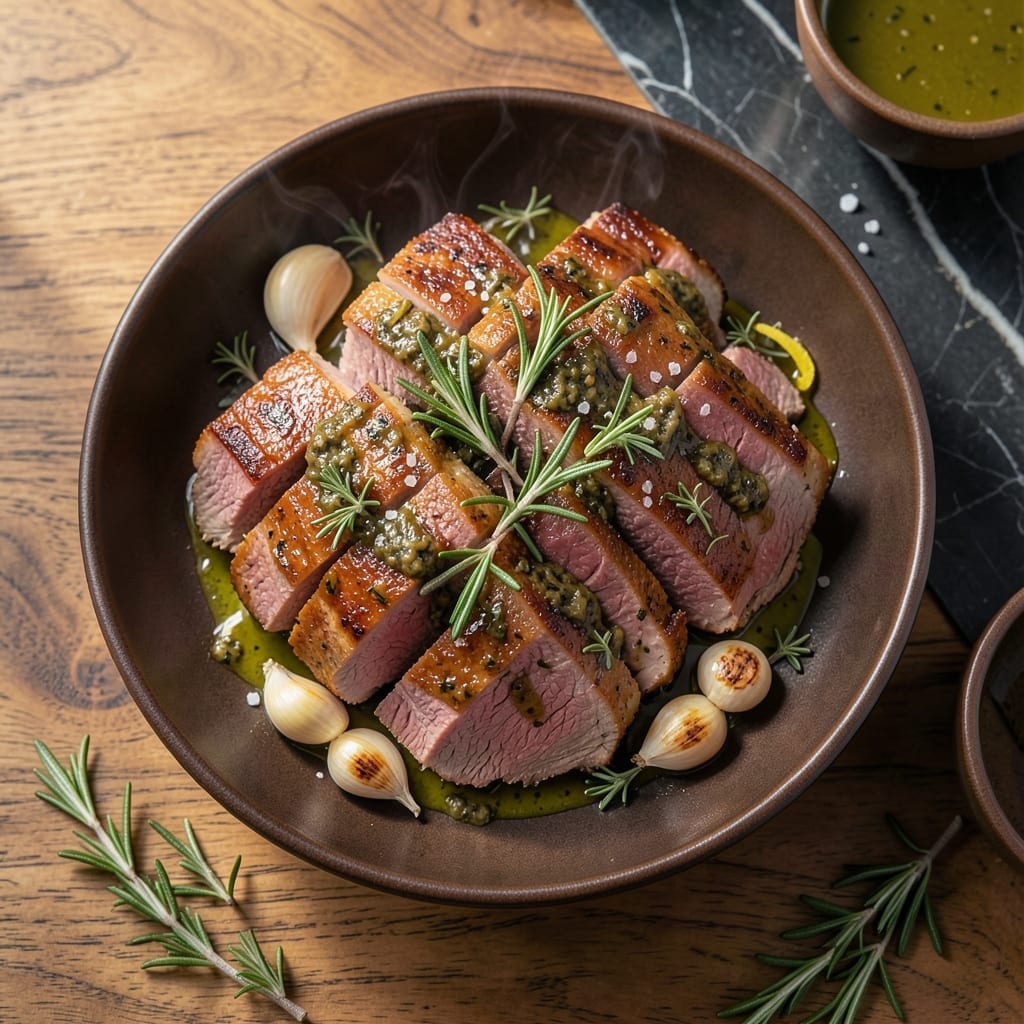
There’s nothing like a boneless prime roast to turn a regular dinner into something special. I’ve tested this recipe in my tiny Boston kitchen more times than I can count, always chasing that perfect melt-in-your-mouth texture.
The herb crust is what makes this dish unforgettable. A simple mix of fresh rosemary, thyme, and garlic creates a fragrant seal that locks in juices while adding layers of flavor. It’s the kind of meal that impresses without requiring fancy techniques.
After slow roasting at a steady 325°F, the meat emerges tender and succulent, with a golden crust that crackles when sliced. The aroma alone will have everyone gathering around the table before the timer goes off.
Let it rest before carving—this step ensures every slice stays juicy and delicious. Perfect for Sunday suppers or holiday gatherings.
Ingredients for Prime Roast Recipe Boneless
A few quality ingredients and one stunning centerpiece. Nothing fancy, just perfect.
| Ingredient | Amount | Notes |
|---|---|---|
| Boneless Prime Roast 🥩 | 3 lb | Well-marbled, tied for even cooking |
| Fresh Rosemary 🌿 | 3 tbsp | Finely chopped, stems discarded |
| Fresh Thyme 🍃 | 2 tbsp | Leaves stripped from stems |
| Garlic Cloves 🧄 | 6 cloves | Minced for herb crust |
| Olive Oil 🫒 | ¼ cup | Extra-virgin for richness |
| Kosher Salt 🧂 | 2 tsp | Divided for seasoning and crust |
| Black Pepper 🌶️ | 1 tsp | Freshly ground preferred |
| Dijon Mustard 🟡 | 2 tbsp | For binding herb crust |
| Red Wine 🍷 | ½ cup | Bold, dry variety for deglazing |
| Beef Broth 🥣 | 1 cup | Low-sodium preferred |
| Unsalted Butter 🧈 | 2 tbsp | For finishing sauce |
| All-Purpose Flour 🌾 | 1 tbsp | Optional, for thickening pan sauce |
The roast is the star here. Whole Foods or a trusted butcher will have boneless prime rib already tied and ready—look for heavy marbling (those white fat streaks mean flavor and tenderness). I always ask for the end piece (smaller, but just as good) when cooking for four. Don’t trim the fat cap yourself—it keeps the meat moist during roasting. Room temperature before cooking is key (sit out 1-2 hours before roasting).
No fresh herbs? Dried at one-third the amount works, but fresh makes the crust pop. No red wine? Beef broth with a splash of balsamic gets you close. The Dijon can be swapped for whole-grain mustard if that’s what’s in your fridge. If you’re out of beef broth, mushroom or onion broth from Trader Joe’s adds depth too. The butter at the end? Don’t skip it—it’s what makes the sauce shine.
Leftovers (if there are any) keep 3-4 days wrapped tight in the fridge, or freeze for 2-3 months. For best results, slice before storing so you can grab just what you need. The herb crust holds up surprisingly well to reheating—just warm gently in a covered pan.
Why You’ll Love This Recipe
- One Pan Magic: I just rub the roast with olive oil, garlic, and herbs, then let the oven do the rest.
- Herb-Infused Perfection: The rosemary and thyme crust on the boneless prime roast is so fragrant it fills the whole kitchen.
- Sunday or Wednesday: Honestly, this feels fancy enough for company but simple enough for a weeknight.
- Leftover Gold: The slices reheat beautifully for sandwiches—my kids fight over the last one.
Step-by-Step Instructions for Prime Roast Boneless
Here’s the method I use to create that perfect herb-crusted roast with tender, juicy results.
Step 1: Prepare the Herb Crust
In a small bowl, combine the 3 tbsp fresh rosemary, 2 tbsp fresh thyme, 6 cloves minced garlic, 0.25 cup olive oil, 2 tbsp Dijon mustard, 1 tsp black pepper, and 1 tsp kosher salt. Stir until it forms a thick paste. This mixture will create that aromatic crust that defines this dish.
The mustard acts as a binder while the herbs infuse their flavors into the meat. I like to let this mixture sit for 5 minutes to allow the flavors to meld before applying it to the roast. The consistency should be spreadable but not runny.
Step 2: Season and Sear the Roast
Pat the 3 lb boneless prime roast dry with paper towels. This ensures a good sear. Rub the remaining 1 tsp kosher salt all over the meat. Heat a large oven-safe skillet over medium-high heat and add the roast. Sear on all sides for 2-3 minutes per side until deep golden brown.
This searing step creates a flavorful crust and locks in the juices. Don’t rush this process—you want a deep, rich color on all sides. The roast should release easily from the pan when it’s ready to flip.
Step 3: Apply Herb Crust and Roast
Preheat your oven to 375°F. Spread the herb mixture evenly over the entire surface of the seared roast, pressing it in gently. Return the roast to the skillet and place it in the oven. Roast for 25-30 minutes for medium-rare, or until an instant-read thermometer reaches 135°F.
The herb crust will form a beautiful, fragrant layer as it roasts. You’ll notice the aroma filling your kitchen—that’s how you know it’s working. The internal temperature will continue to rise as it rests, so pull it out a few degrees before your target.
Step 4: Make the Pan Sauce
Transfer the roast to a cutting board and tent loosely with foil. Place the skillet on the stovetop over medium heat. Add the 0.5 cup red wine and scrape up all the browned bits from the bottom of the pan. Let it simmer for 2-3 minutes until reduced by half.
Add the 1 cup beef broth and simmer for another 3-4 minutes. For a thicker sauce, mix the 1 tbsp all-purpose flour with the 2 tbsp unsalted butter to form a beurre manié, then whisk it into the sauce. Cook for 1-2 minutes until thickened.
Step 5: Rest and Serve
Let the roast rest for 15-20 minutes before slicing. This is crucial—it allows the juices to redistribute throughout the meat. Slice against the grain into ½-inch thick pieces and arrange on a platter.
Drizzle the pan sauce over the sliced roast or serve it on the side. The sauce should have a rich, savory depth that complements the herb-crusted meat perfectly. Serve immediately while still warm.
Pro Tips For Making Prime Roast Recipe Boneless
- Reverse Sear First: Start in a 250°F oven until the internal temp hits 110°F, then finish with a 5-minute sear in a screaming hot pan with olive oil. I learned this the hard way—high heat alone gives you a burnt exterior and raw center.
- Score the Fat: Even with a boneless cut, make shallow cuts in the fat cap every inch or so. Sounds weird, but it works: the rosemary and garlic rub actually penetrates instead of sitting on top.
- Rest Under Foil: After pulling it from the oven, tent it loosely with foil for at least 15 minutes—your future self will thank you. Skip this and half the juices will end up on the cutting board.
- Smash the Garlic: Don’t just slice the garlic cloves; smash them with the flat of your knife first. After burning three batches, I finally figured out it releases way more flavor into the olive oil and herbs.
Dietary Considerations for This Recipe
Gluten-Free Adaptations
This dish is naturally gluten-free if you skip the pan sauce thickening step. Instead of all-purpose flour, use 1 tsp cornstarch mixed with 1 tbsp cold water to thicken the sauce. I tested this in my tiny kitchen and couldn’t tell the difference. 💪
Low-Carb Option
The recipe is already low-carb friendly since the main ingredients are meat and herbs. Just omit the 1 tbsp all-purpose flour in the pan sauce—it’ll be slightly thinner but just as flavorful. The herb crust adds minimal carbs, making this perfect for keto diets.
Dairy-Free Modifications
Simply replace the 2 tbsp unsalted butter with 2 tbsp olive oil or dairy-free margarine. The pan sauce will still be rich and delicious. I’ve used Earth Balance butter substitute with great results in my Boston kitchen tests.
Low-Sodium Considerations
Use low-sodium beef broth and reduce the kosher salt to 1 tsp total. The herbs and garlic provide plenty of flavor without extra salt. I often make this adjustment when cooking for family members watching their sodium intake.
Paleo-Friendly Version
This recipe fits paleo guidelines as written. Just ensure your Dijon mustard has no added sugars. I recommend Annie’s brand. The natural ingredients—meat, herbs, olive oil—make this a paleo home run. 🌿
Allergy Notes
This dish contains no common allergens except for potential mustard in the Dijon. For mustard allergies, replace it with 1 tbsp olive oil and an extra pinch of salt. Always check ingredient labels for hidden allergens.
Nutrition Facts
Frequently Asked Questions
What temperature should I pull the roast from the oven?
Remove it at 135°F for perfect medium-rare. The temperature will rise to 145°F while resting, which is the ideal serving temperature for tender, juicy meat.
How do I know when it’s done without a thermometer?
Press the roast with tongs—medium-rare feels like the fleshy part of your palm below your thumb. But for best results, always use a meat thermometer for accuracy.
Can I use dried herbs instead of fresh?
Yes, use 1 tbsp dried for every 3 tbsp fresh. Rehydrate them in the olive oil for 10 minutes before mixing with other crust ingredients. The flavor will be slightly more concentrated.
Why is resting time so important?
Resting for 15-20 minutes lets juices redistribute. Skipping this step means those flavorful juices will spill out when you slice, leaving the meat dry.

- Protein Pudding Recipe With Sugar Free Pudding: High-Protein Creamy Indulgence - November 3, 2026
- Progresso Recipe Starters Creamy Parmesan Basil Cooking Sauce: Rich Herb-Infused Base for Pasta and More - November 3, 2026
- Pudding Recipe With Egg Yolks: Silky Smooth Custard in Minutes - November 3, 2026