
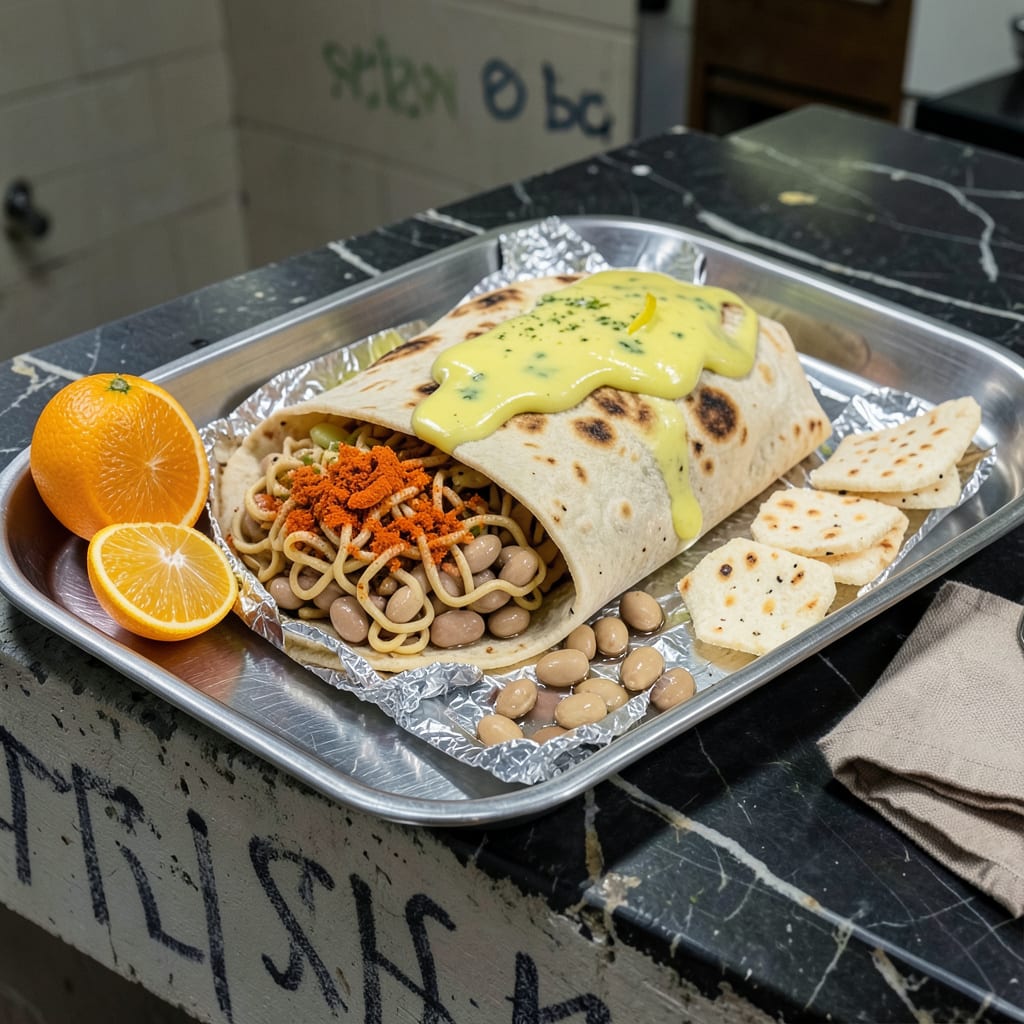
Prison recipes rely on creativity with basic commissary staples like ramen, peanut butter, and crackers. Common techniques include layering flavors, using heat from hot water or microwaves, and combining sweet/savory elements to create satisfying meals.
This culinary approach stems from necessity—transforming minimal resources into filling, flavorful dishes. 🔥 The ingenuity comes from understanding how ingredients interact under constraints, like using crushed crackers as a binder or melting cheese with hot water to create sauces. What’s fascinating is how these methods often mirror professional cooking principles, just with far fewer tools. The results prove that creativity, not expensive ingredients, is the heart of great cooking.
💡 In This Article
- How Prison Cooking Techniques Maximize Limited Ingredients
- Top 5 Prison Recipes You Can Recreate at Home
How Prison Cooking Techniques Maximize Limited Ingredients
The magic starts with understanding how heat transforms basic ingredients. In prison kitchens, boiling water becomes the ultimate tool—it softens ramen noodles in 3-5 minutes, melts cheese into creamy sauces, and even “fries” tortillas for crispy textures. The science here is simple: water transfers heat efficiently, breaking down starches and proteins faster than dry heat.
A microwave (when available) speeds this up further, using radiation to agitate water molecules in food, cooking from the inside out. 🔥
Flavor layering is everything when you’ve got just 5-6 ingredients. Take the classic “Prison Burrito”: crushed ramen seasoning mixed with peanut butter creates a salty-sweet base, while hot water softens the noodles into a binder.
The cheese (often government-issue American singles) melts at just 150°F, lower than most home cheeses, making it perfect for quick sauces. Texture contrasts matter too—crushed crackers add crunch, while peanut butter provides creaminess. This balance tricks the brain into perceiving more complexity than actually exists. ✨
Resourcefulness turns constraints into advantages. Without fresh herbs, cooks rely on the Maillard reaction—browning proteins and sugars at high heat—to create depth. A bag of chips crushed and toasted in a microwave for 90 seconds becomes “fried” garnish.
Even the packaging gets repurposed: ramen wrappers become steamers, and plastic bags (when safe) act as makeshift sous-vide containers. The key is controlling moisture—too much makes food soggy, too little leaves it dry. 💫
Historically, this adaptability traces back to Depression-era cooking, where “nothing wasted” was survival. Prison cooks apply the same principles today, but with modern commissary staples. The “Ramen Bomb” (instant noodles + cheese + hot sauce) mirrors military MREs in its calorie density and shelf stability.
What’s fascinating is how these techniques align with professional cooking—just without the fancy tools. A 1:1 ratio of peanut butter to cracker crumbs mimics pie crust chemistry, proving culinary science works anywhere. 🌟
Even portion control becomes strategic. A standard prison meal might combine:
- Carbs: 2 ramen blocks (400 calories)
- Protein: 1 peanut butter packet (190 calories)
- Fat: 2 cheese slices (160 calories)
Limitations breed innovation—whether it’s using a spoon as a mini-whisk or timing microwave bursts in 30-second intervals to prevent overheating. ⚡
What makes these techniques transferable to home cooking is their focus on fundamentals. Understanding how starches absorb liquids (like ramen soaking up broth) or how fats carry flavors (peanut butter amplifying spices) lets you adapt any recipe.
The prison kitchen proves that with 3 core ingredients and smart methods, you can create meals that satisfy both hunger and taste buds—no gourmet pantry required. 💛

- BBQ Sausage Recipe Oven: Smoky Depth Without the Grill - September 28, 2026
- BBQ Chicken Bowl Recipe Rice: Smoky Sweetness Over Fluffy Grains - September 28, 2026
- Beef Cutlet Recipe Ideas: Crispy Breaded Patties With Bold Seasonings - September 28, 2026