
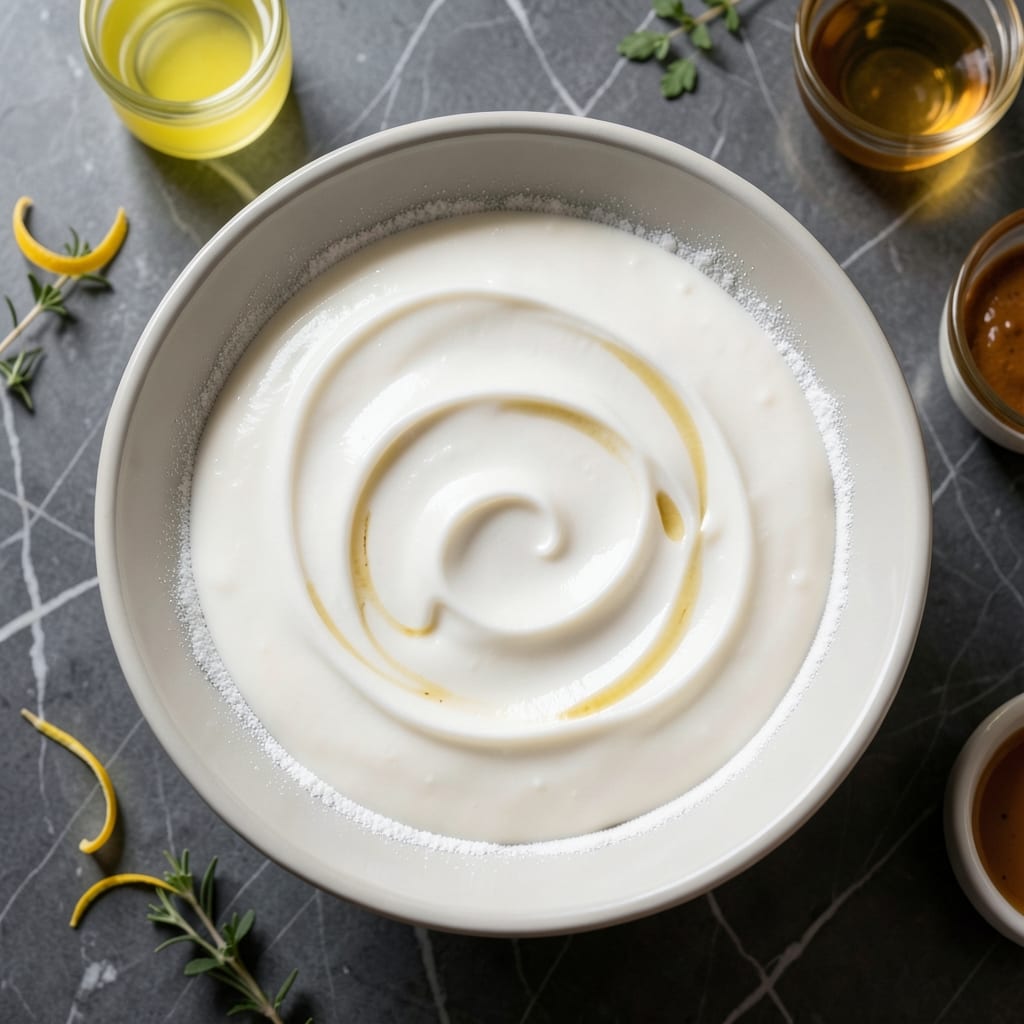
Achieving professional-quality royal icing without meringue powder is absolutely possible with this proven method. The key lies in precise ingredient ratios and proper technique to create that signature smooth, glossy finish.
This recipe uses egg whites and powdered sugar as its base, producing a smooth glaze perfect for flooding cookies or creating intricate decorations. The consistency can be adjusted easily for different decorating needs.
Unlike traditional meringue powder versions, this approach gives you complete control over texture and flavor. The icing sets firmly but remains perfectly pipeable for detailed work.
Ideal for sugar cookies, gingerbread houses, or any project requiring precise decorating. Here’s how to make it consistently excellent every time.
Ingredients for Professional Royal Icing Recipe No Meringue Powder
Eight ingredients transform into professional-quality decorating icing with precise ratios and technique.
| Ingredient | Amount | Notes |
|---|---|---|
| Large Egg Whites 🥚 | 3 whole | Room temperature, pasteurized preferred |
| Powdered Sugar 🍚 | 4 cups | Sifted for smooth texture |
| Lemon Juice 🍋 | 1 tbsp | Freshly squeezed, for stabilization |
| Vanilla Extract 🌿 | 1 tsp | Pure vanilla for best flavor |
| Almond Extract 🌰 | ¼ tsp | Optional, enhances flavor depth |
| Cream of Tartar 🧂 | ½ tsp | Stabilizes egg whites for structure |
| Salt 🧂 | 0.125 tsp | Fine sea salt, balances sweetness |
| Water 💧 | 1 tbsp | As needed for consistency adjustment |
The egg whites are critical here. Pasteurized liquid egg whites (like Deb El or AllWhites) ensure safety for raw consumption while providing the necessary structure. Room temperature is essential—cold whites won’t whip properly. For powdered sugar, C&H or Domino brands are reliable, but always sift to eliminate lumps that could ruin your smooth finish.
No cream of tartar? White vinegar or lemon juice at half the amount can substitute in a pinch. For flavor variations, swap vanilla for coconut or peppermint extract. If avoiding raw egg concerns, pasteurized egg whites are non-negotiable for safety. The almond extract is optional but adds professional depth—use pure extract, not imitation.
Store icing in an airtight container with plastic wrap pressed directly on the surface. Keeps at room temperature for 24 hours, refrigerated for 1 week. For longer storage, pipe into airtight bags and freeze for up to 3 months.
Why You’ll Love This Recipe
- No Fuss Mixing: I just beat the egg whites with powdered sugar and a splash of lemon juice—no special tools, no meringue powder hunting.
- Bright, Clean Taste: The vanilla and almond extracts give it depth, while the lemon juice cuts through the sweetness perfectly.
- Decorates Anything: I use it for cookies, cakes, even gingerbread houses—it pipes beautifully and dries smooth every time.
- Budget Stretch: A handful of pantry staples makes a big batch, and it keeps well in the fridge for a few days.
Step-by-Step Instructions for Professional Royal Icing No Meringue Powder
Master the technique for silky-smooth icing that holds its shape and dries to a flawless finish.
Step 1: Prepare the Egg Whites for Maximum Volume
Begin by ensuring the 3 whole Large Egg Whites are at room temperature—this is non-negotiable for proper volume. In a completely clean, grease-free mixing bowl, combine the egg whites with the 0.5 tsp Cream of Tartar and 0.125 tsp Salt. The cream of tartar stabilizes the proteins, allowing for a stiffer peak.
Beat on medium speed until frothy, then gradually increase to high speed. Watch for the mixture to turn from opaque to glossy white with soft peaks forming—this takes about 2-3 minutes. The bowl should feel cool to the touch when you’re ready for the next step.
Step 2: Incorporate Powdered Sugar Gradually
With the mixer running on low speed, slowly add the 4 cups Powdered Sugar, about ½ cup at a time. This prevents a cloud of sugar dust and ensures even incorporation. After each addition, pause for 5-10 seconds to let the sugar dissolve into the egg whites.
The mixture will thicken significantly and turn brilliant white. Scrape down the sides of the bowl with a silicone spatula after adding all the sugar. The texture should resemble thick, glossy paint at this stage—this is your base for the perfect consistency.
Step 3: Add Flavorings and Adjust Consistency
Pour in the 1 tbsp Lemon Juice, 1 tsp Vanilla Extract, and 0.25 tsp Almond Extract. Mix on medium-low speed for 30 seconds until fully combined. The lemon juice not only adds flavor but also helps stabilize the icing, while the extracts provide depth.
Now assess the consistency. For outlining cookies, you want it to hold a peak that slowly relaxes. For flooding, it should ribbon off the whisk and settle into a smooth puddle within 20 seconds. If too thick, add the 1 tbsp Water, 1 teaspoon at a time, mixing well after each addition.
Step 4: Test and Adjust for Perfect Application
Transfer a small amount of icing to a piping bag fitted with a round tip. Pipe a test line on parchment paper. If the line holds its shape with minimal spreading, it’s ready for outlining. If it melts into itself within 10 seconds, it’s ideal for flooding.
If the icing is too runny, beat in additional powdered sugar, 1 tablespoon at a time, until it reaches the desired stiffness. Conversely, if it’s too stiff, incorporate water drop by drop. The goal is a smooth, glossy finish that dries hard and flat—this precision defines professional results.
Pro Tips For Making Professional Royal Icing Recipe No Meringue Powder
- Whip Egg Whites First: Beat the egg whites to soft peaks before adding powdered sugar—I learned this the hard way after ending up with grainy icing.
- Sift Powdered Sugar: Always sift your powdered sugar first, or you’ll spend 10 minutes trying to break up lumps in your finished icing.
- Skip the Yolk: Even a speck of yolk in your whites can prevent them from whipping properly, so separate carefully over a small bowl first.
- Add Lemon Last: Fold in the lemon juice at the very end after the icing is smooth—adding it too early can make the mixture too thin.
Health Benefits of This professional royal icing recipe no meringue powder
Protein Source
Egg whites are the foundation here, providing high-quality protein that helps stabilize the structure. Each large egg white contains about 3.6 grams of protein, supporting muscle repair and immune function without adding fat or cholesterol to your diet. 💪
Low Fat Option
This recipe contains virtually no fat, making it a lighter alternative to buttercream or cream cheese frostings. The absence of butter or oils keeps the calorie count lower while still delivering a rich, sweet flavor that satisfies any craving.
Energy Boost
The natural sugars in powdered sugar provide a quick carbohydrate boost, ideal for a mid-afternoon pick-me-up. A ¼ cup serving offers about 120 calories, making it a manageable indulgence for active lifestyles.
Minimal Additives
By skipping meringue powder, you avoid artificial preservatives and anti-caking agents often found in commercial mixes. This version relies on simple, whole ingredients like egg whites, sugar, and natural extracts, giving you full control over what goes into your food.
Gluten-Free
Naturally free from wheat, barley, and rye, this icing is safe for those with gluten sensitivities or celiac disease. Always double-check your powdered sugar brand for hidden additives, but most standard brands are gluten-free. ✨
Vitamin Enrichment
While small, the lemon juice contributes a bit of vitamin C, while the vanilla and almond extracts add antioxidants. These elements enhance the nutritional profile slightly, making this a more balanced choice for decorating. 💡
Nutrition Facts
Frequently Asked Questions
Can I use pasteurized egg whites from a carton?
Pasteurized liquid egg whites work perfectly and are safer for raw consumption. Use ½ cup (about 4 oz) to replace 3 fresh egg whites.
How do I fix icing that’s too runny?
Beat in additional powdered sugar, 1 tablespoon at a time, until it reaches your desired consistency. For flooding, it should ribbon off the whisk and settle within 20 seconds.
How long does this icing take to dry?
At room temperature, it typically sets in 2-4 hours and fully hardens in 6-8 hours. Use a fan on low to speed up the process for large projects.
Why did my icing turn yellow?
This usually happens if egg whites weren’t fully beaten before adding sugar. Ensure they reach stiff peaks first. Also, avoid overmixing after adding sugar to prevent color changes.

- Pudding Recipe With Egg Yolks: Silky Smooth Custard in Minutes - November 3, 2026
- Pudding Pops Recipe Cook and Serve: Silky Frozen Treats Without the Machine - November 3, 2026
- Protein Ice Cream Recipe Blender Xanthan Gum: Ultra Creamy Texture Without the Guilt - November 3, 2026