
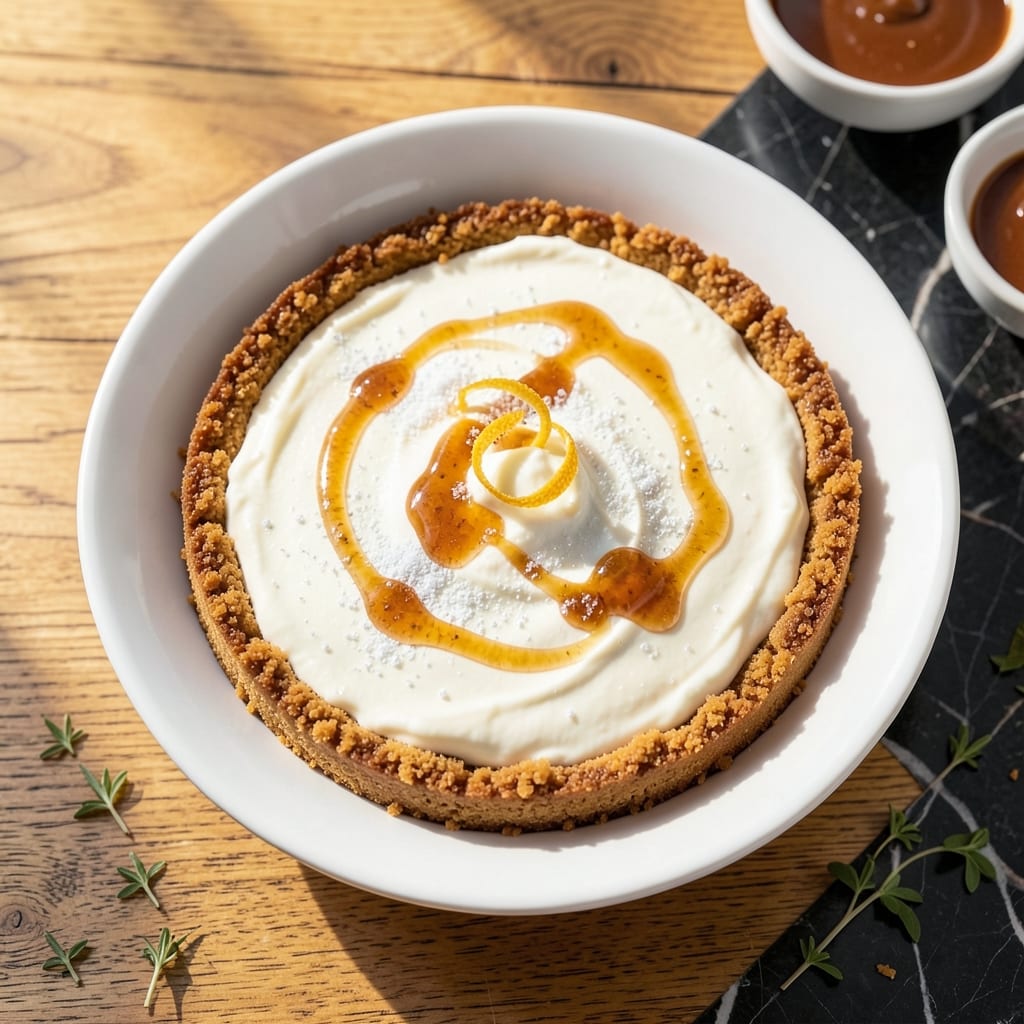
This protein-packed cheesecake delivers the creamy luxury of classic dessert with a nutritional boost you can feel good about.
Cottage cheese transforms into a velvety texture when blended properly, creating a base that’s rich yet light. The recipe balances sweetness with protein, making it ideal for post-workout or a guilt-free treat.
Baking at the right temperature ensures a smooth finish without cracks. A water bath helps maintain even heat distribution for that perfect cheesecake consistency.
Each slice offers that signature creamy texture with a protein content that satisfies. The result is a dessert that tastes indulgent while supporting your fitness goals.
Ingredients for Protein Cheesecake Recipe with Cottage Cheese
Velvety texture meets nutritional power with these carefully selected ingredients for a dessert that satisfies.
| Ingredient | Amount | Notes |
|---|---|---|
| Cottage Cheese 🧀 | 2 cups | Full-fat for creaminess |
| Cream Cheese 🧀 | 16 oz | Softened to room temperature |
| Vanilla Protein Powder 💪 | 1 cup | Whey or plant-based variety |
| Granulated Erythritol 🍚 | ¾ cup | Or substitute monk fruit sweetener |
| Large Eggs 🥚 | 3 whole | Room temperature for best results |
| Vanilla Extract 🌿 | 2 tsp | Pure vanilla for best flavor |
| Lemon Juice 🍋 | 1 tbsp | Freshly squeezed preferred |
| All-Purpose Flour 🌾 | ¼ cup | For crust structure |
| Graham Cracker Crumbs 🍪 | 1 ¼ cups | For the cheesecake base |
| Unsalted Butter 🧈 | 6 tbsp | Melted for crust binding |
| Salt 🧂 | ¼ tsp | Fine sea salt preferred |
| Sour Cream 🥣 | ½ cup | Full-fat for richness |
| Fresh Strawberries 🍓 | 1 cup | Sliced for topping |
The cottage cheese quality is paramount for that signature smoothness. Opt for full-fat, small-curd varieties from reputable brands like Breakstone’s or Nancy’s. The cream cheese must be full-fat Philadelphia—lower fat versions introduce excess moisture. Protein powder should be vanilla-flavored whey or pea protein for best texture integration. Always check expiration dates on dairy products for optimal freshness.
Substitutions require careful consideration. Greek yogurt at half the amount can replace sour cream, though the texture may be slightly denser. For the crust, almond flour at a 1:1 ratio works for gluten-free needs. Sugar-free maple syrup can replace erythritol, but reduce by 25% as liquid sweeteners behave differently. Avoid sugar alcohols that aren’t erythritol—they can crystallize during baking.
Store the cheesecake in an airtight container in the refrigerator for up to 5 days. The crust can be prepared 1 day ahead and stored at room temperature. For longer storage, freeze individual slices for up to 3 months. Always thaw overnight in the refrigerator before serving for best texture.
Why You’ll Love This Recipe
- Blender Ready: I just dump cottage cheese, cream cheese, and protein powder in the blender and let it do the work.
- Smooth & Sweet: The combo of vanilla protein powder and erythritol gives that classic cheesecake taste without the sugar crash.
- Meal Prep Star: I slice it into portions on Sunday and grab one all week for a high-protein treat.
- Budget Friendly: Cottage cheese stretches the cream cheese so I make two cheesecakes for the price of one.
Step-by-Step Instructions for Protein Cheesecake With Cottage Cheese
Master these precise steps for a velvety, high-protein dessert with perfect texture every time.
Step 1: Prepare the Graham Cracker Crust
Preheat your oven to 350°F. In a medium bowl, combine the 1.25 cups Graham Cracker Crumbs with the 6 tbsp Unsalted Butter (melted) and 0.25 tsp Salt. Stir until the crumbs are evenly moistened and resemble wet sand.
Press the mixture firmly into the bottom of a 9-inch springform pan, creating an even layer. Use the bottom of a measuring cup to compact it tightly—this prevents crumbling when sliced. Bake for 10 minutes until the edges are lightly golden, then set aside to cool while you prepare the filling.
Step 2: Blend the Cottage Cheese and Cream Cheese Base
In a food processor, blend the 2 cups Cottage Cheese until completely smooth, scraping down the sides as needed. This step eliminates any curds for a silky texture. Add the 16 oz Cream Cheese (softened) and process again until fully incorporated and lump-free.
Transfer the mixture to a large mixing bowl. The combination of these two cheeses creates the ideal balance of tanginess and creaminess while boosting the protein content significantly.
Step 3: Incorporate Sweetener and Flavorings
To the cheese mixture, add the 0.75 cup Granulated Erythritol, 1 cup Vanilla Protein Powder, 3 whole Large Eggs, 2 tsp Vanilla Extract, 1 tbsp Lemon Juice, and 0.5 cup Sour Cream. Use a hand mixer on medium speed to blend until smooth.
Mix just until all ingredients are fully combined—overmixing can incorporate too much air, which may cause cracks during baking. The Lemon Juice adds a subtle brightness that balances the sweetness perfectly.
Step 4: Fold in Flour and Bake
Gently fold in the 0.25 cup All-Purpose Flour using a spatula until no streaks remain. This small amount of flour provides just enough structure to support the dense, protein-rich filling without making the cheesecake heavy.
Pour the batter over the cooled crust and smooth the top with a spatula. Bake at 350°F for 45-50 minutes until the edges are set but the center still has a slight wobble when gently shaken. This visual cue ensures a creamy, not dry, texture.
Step 5: Cool and Top with Fresh Strawberries
Turn off the oven and crack the door open 2 inches. Let the cheesecake cool inside for 1 hour to prevent sudden temperature changes that cause cracking. Then transfer to the refrigerator and chill for at least 4 hours, preferably overnight.
Just before serving, top with the 1 cup Fresh Strawberries (sliced). The chilled cheesecake will have a firm yet velvety texture, and the strawberries add a fresh, fruity contrast to the rich, creamy base.
Pro Tips For Making Protein Cheesecake Recipe With Cottage Cheese
- Blend Cottage Cheese First: Run the cottage cheese through a food processor or blender for 30-60 seconds until completely smooth—I learned this the hard way after my first few cheesecakes came out grainy.
- Room Temp Eggs: Take the eggs out of the fridge at least 30 minutes before mixing, or submerge them in warm water for 10 minutes. Cold eggs can cause the cream cheese to clump.
- Skip Overmixing: Once you add the eggs, mix just until combined—overbeating incorporates too much air, which leads to cracks in your finished cheesecake.
- Water Bath Always: Wrap your springform pan in foil and bake it in a water bath at 325°F (160°C). Sounds tedious, but it’s the only way to prevent the top from splitting while the center cooks through.
Health Benefits of These Flavors
Muscle Recovery Boost
This dessert packs a serious protein punch with about 25g of protein per slice, thanks to the combination of cottage cheese, cream cheese, and protein powder. The casein in cottage cheese provides slow-digesting protein that supports muscle recovery long after your workout. 💪
Low-Carb Friendly
With erythritol as the sweetener and minimal flour, each serving contains only about 8g net carbs. This makes it ideal for those following low-carb or keto diets while still satisfying sweet cravings. The natural sweetness from strawberries adds flavor without extra carbs.
Calcium Rich Bone Support
The dairy base delivers a significant dose of calcium—about 20% of your daily needs per slice. Cottage cheese is particularly rich in this mineral, which is essential for maintaining strong bones and proper muscle function. I notice my energy levels are more stable after enjoying this treat.
Slow-Release Energy
The combination of protein and healthy fats from the cheeses provides sustained energy. Unlike traditional desserts that cause blood sugar spikes, this version helps maintain steady energy levels. The sour cream adds richness while contributing to this slow-release effect.
Gut Health Benefits
Cottage cheese contains live cultures that support a healthy gut microbiome. These probiotics aid digestion and may boost immune function. The lemon juice adds a touch of prebiotic fiber to feed those beneficial bacteria. 🥣
Post-Workout Perfect
With its ideal 3:1 carb-to-protein ratio, this cheesecake is scientifically balanced for post-workout recovery. The protein helps repair muscle tissue while the small amount of carbs replenishes glycogen stores. I love having a slice after my morning gym sessions.
Nutrition Facts
Frequently Asked Questions
Why use cottage cheese in cheesecake?
Cottage cheese adds extra protein and a light texture when blended smooth. It enhances creaminess while keeping the dessert high in casein for muscle recovery.
Can I use low-fat cottage cheese?
Full-fat works best for creaminess, but low-fat can be used. The texture may be slightly less rich, and you might need extra sour cream to compensate.
How do I prevent cracks on the surface?
Avoid overmixing and bake in a water bath. Cool gradually in the oven with the door cracked for 1 hour to prevent sudden temperature changes.
Can I make this without protein powder?
Yes, but you’ll need to adjust. Replace with extra cream cheese or Greek yogurt, though the protein content will be lower.

- Pudding Recipe With Egg Yolks: Silky Smooth Custard in Minutes - November 3, 2026
- Pudding Pops Recipe Cook and Serve: Silky Frozen Treats Without the Machine - November 3, 2026
- Protein Ice Cream Recipe Blender Xanthan Gum: Ultra Creamy Texture Without the Guilt - November 3, 2026