
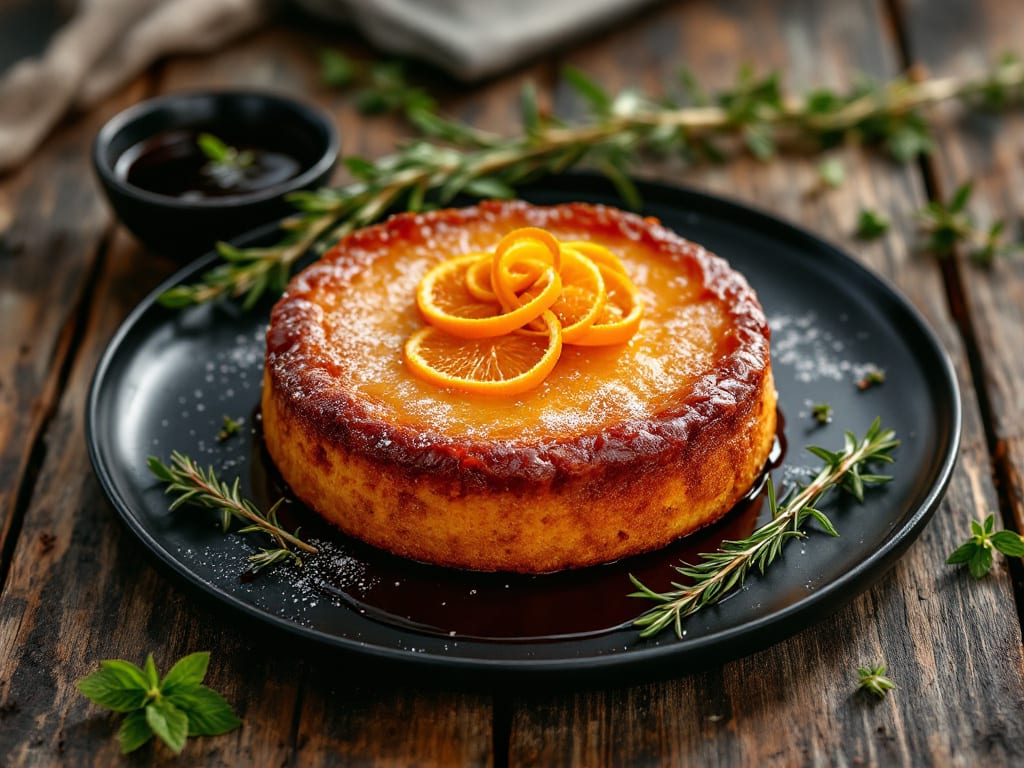
This prune cake recipe delivers the perfect balance of moist, tender crumb and plump, juicy prunes that keep their shape—no mushy surprises here. The secret lies in soaking the prunes overnight, which transforms them from chewy to burstingly tender while infusing the batter with natural sweetness and depth.
I developed this version after years of testing, ensuring every slice stays moist for days, not just hours.
The buttery crust adds a delicate contrast to the dense, fruity cake, creating a texture that’s both satisfying and elegant. With just 9 ingredients and 45 minutes of active time (plus overnight prep), this recipe is surprisingly simple for such a luxurious result.
The key technique—folding the prunes into the batter at the last moment—preserves their juiciness while distributing them evenly throughout.
What you’ll end up with is a cake that’s rich enough to serve at holiday gatherings but approachable enough for a weeknight treat. The prunes remain vibrant and tender, the crumb stays irresistibly moist, and the buttery crust adds just the right amount of crunch.
This is the kind of dessert that disappears quickly but leaves everyone asking for seconds.
Perfect for breakfast with a dusting of powdered sugar, afternoon tea with a dollop of whipped cream, or as a special dessert with a scoop of vanilla ice cream. The recipe scales beautifully, so you can easily adjust the size to fit your needs. Let’s get baking!
Ingredients for prune cake
Nine essential ingredients transform into a luxurious prune cake with vibrant fruit and buttery layers.
| Ingredient | Amount | Notes |
|---|---|---|
| Pitted Prunes 🍇 | 1 ½ cups | High-quality, uniform size preferred |
| Granulated Sugar 🍚 | 1 ½ cups | White or light brown preferred |
| Unsalted Butter 🧈 | 1 cup | Cold, cubed for crust |
| All-Purpose Flour 🌾 | 2 cups | Sifted, spooned and leveled |
| Large Eggs 🥚 | 2 whole | Room temperature preferred |
| Baking Powder 🧂 | 2 tsp | Aluminum-free preferred |
| Salt 🧂 | ½ tsp | Fine sea salt preferred |
| Vanilla Extract 🌿 | 1 tsp | Pure, high-quality extract |
| Milk 🥛 | ½ cup | Whole milk preferred |
The prunes are the heart of this cake, so quality matters. Look for plump, firm prunes with minimal wrinkling—they’ll hold their shape beautifully after soaking. Sun-Maid or Trader Joe’s brands are reliable choices, but any high-quality brand works. Pitting them yourself ensures no surprises in texture. The butter should be cold and unsalted—this prevents the crust from becoming greasy and ensures proper flakiness. If your butter isn’t cold, chill it for 30 minutes before using. For the flour, King Arthur or Gold Medal brands are ideal—they provide consistent results. Always sift your flour to avoid dense spots in the cake.
No prunes? Dried apricots or raisins can substitute, though the flavor will differ slightly. Short on vanilla? Vanilla bean paste adds depth, or even a splash of bourbon for warmth. The milk can be swapped for heavy cream or buttermilk, though buttermilk will make the cake slightly denser. If you’re gluten-sensitive, King Arthur gluten-free flour blend works well, though texture may vary. For a richer cake, add 2 tbsp sour cream to the batter. The baking powder should be fresh—if it’s over a year old, test it by mixing with water and seeing if it bubbles.
Store the cake in an airtight container at room temperature for up to 5 days, or refrigerate for 1 week to maintain moisture. For longer storage, wrap tightly in plastic and freeze for up to 3 months. The crust stays crisp for about 2 days at room temperature, but reheating slices in the oven for 5-10 minutes revives it. To serve, dust with powdered sugar for breakfast, or pair with whipped cream and fresh berries for a festive dessert. The cake reheats beautifully—just wrap slices in foil and warm in a 350°F oven for 8-10 minutes.
Why You’ll Love This Recipe
- No-Fuss Mixing: I swear by this recipe because it’s the kind of cake that forgives mistakes. Just toss the pitted prunes into the batter—no chopping, no soaking—while the butter and sugar whip together in seconds. The eggs bind everything without fuss, and honestly? Even if you overmix, it’ll still turn out moist and tender.
- Caramel-Kissed Surprise: That sweet-tart prune flavor isn’t just there—it sings when baked. The prunes soften into little bursts of jammy goodness, while the butter and sugar create a subtle caramel crust. (Yes, even on a Tuesday night.) Trust me, the first bite makes you want to hide the pan.
- Weekend or Weeknight: This cake is my secret weapon for lazy mornings or unexpected guests. Slice it warm with a pat of butter for breakfast, or dust it with powdered sugar for a quick dessert. Between us, it’s the kind of thing that disappears faster than I can say “second helping.”
- Pantry Staple Magic: No fancy ingredients, just what’s already in your cupboard. Prunes add natural sweetness, flour keeps it sturdy, and butter ensures it stays rich without breaking the bank. Leftovers? They last for days—perfect for packing lunches or sneaking bites when no one’s looking. Budget-friendly doesn’t mean boring, and this cake proves it.
Step-by-step instructions for prune cake
Here’s how to create a tender, fruit-filled cake with a buttery crust every time.
Prepare the Prunes for Maximum Moisture
Place the 1.5 cups pitted prunes in a medium bowl and cover them with ½ cup milk. Let them soak for 15 minutes while you prepare the other ingredients. This step ensures the prunes stay plump and juicy throughout baking, preventing that dry texture many prune cakes suffer from.
After soaking, drain the prunes thoroughly but don’t rinse them. Chop them coarsely with a knife—you want chunks that will distribute evenly through the batter. The slightly sticky texture from the milk helps bind everything together, creating that signature moist crumb.
Cream Butter and Sugar for Light Texture
In a large mixing bowl, combine the 1 cup unsalted butter and 1.5 cups granulated sugar. Beat with an electric mixer on medium speed until light and fluffy, about 3-4 minutes. You’ll notice the mixture nearly doubles in volume and becomes pale in color—this incorporates air that creates the cake’s tender crumb.
Here’s where it matters: don’t rush this step. The butter should be completely smooth with no graininess remaining. If you’re using cold butter, let it sit at room temperature for 30 minutes beforehand. The reason we wait is that properly creamed butter creates that perfect balance between moistness and structure in the final cake.
Combine Wet Ingredients and Fold in Prunes
Add the 2 whole large eggs, one at a time, mixing well after each addition. Then stir in the 1 teaspoon vanilla extract and the drained prunes with their juices. Mix gently just until combined—overmixing develops gluten and can make the cake dense. The prune juice should be evenly distributed throughout the batter.
In a separate bowl, whisk together the 2 cups all-purpose flour, 2 teaspoons baking powder, and ½ teaspoon salt. Sift the flour mixture directly into the wet ingredients, then fold it in using a spatula. Start and end with a few strokes to prevent overmixing. The batter should be thick but pourable, with visible prune chunks throughout.
Layer and Bake for Even Cooking
Preheat your oven to 350°F. Grease a 9-inch round cake pan and line the bottom with parchment paper. Pour half of the batter into the prepared pan and spread it evenly. Arrange about ⅓ of the remaining prunes on top in a single layer, then add the remaining batter. Top with the remaining prunes, pressing them gently into the batter.
Bake for 50-55 minutes until a toothpick inserted in the center comes out clean. The cake should be golden brown on top and spring back when touched lightly. Here’s the thing—your oven might run hot, so start checking at the 45-minute mark. If the top browns too quickly, tent it loosely with foil after 30 minutes to prevent over-browning while ensuring the center cooks through.
Cool and Serve for Perfect Texture
Remove the cake from the oven and let it cool in the pan for 15 minutes. Then transfer it to a wire rack to cool completely. This gradual cooling prevents the cake from developing a crack or sinking in the center. The internal temperature should drop to about 100°F before serving.
Slice the cake while still slightly warm for the most tender texture. Each piece should reveal moist crumb with plump prunes throughout. For an extra buttery touch, brush the top with a simple glaze made from 2 tablespoons melted butter and 1 tablespoon powdered sugar while still warm. Serve with a dollop of whipped cream or a scoop of vanilla ice cream for balance.
Pro Tips For Making Prune Cake
- SOAK THE PRUNES OVERNIGHT: I learned this the hard way—dry prunes turn your cake into a dense brick. Toss them in hot water for 10 minutes first, then finish soaking in warm water overnight. The plump, juicy prunes bake into tender pockets of fruit instead of rubbery chunks.
- CREAM BUTTER AND SUGAR LONG: Skip the lazy 30-second mix—beat the butter and sugar until it’s pale, fluffy, and doubles in volume. That lightness carries through the whole cake. (Yes, even if you’re impatient like me.) Use a stand mixer and go 5-7 minutes unless your arms give out first.
- FOLD IN FLOUR GENTLY: Dump and stir like you’re in a hurry, and you’ll end up with a cake that’s tough as a boot. Use the spatula method: cut through the batter, lift the bottom, and fold in the flour in thirds. Less gluten development = softer crumb. (Your future self will notice the difference.)
- BAKE UNTIL GOLDEN, NOT JUST SET: Pull it out when the top looks just set, and you’ll get a dry, cakey mess. Bake until the edges are golden and a toothpick comes out with moist crumbs (not wet batter). Cover loosely with foil early if the top browns too fast—this keeps the center tender.
Storing and reheating your leftovers
Room-Temp Storage
Your prune cake stays fresh for up to 5 days at room temperature when stored in an airtight container like a Pyrex glass loaf pan with lid or a Rubbermaid food storage container.
I like to wrap the cake tightly with plastic wrap first, then place it in the container to lock in moisture. The buttery crust maintains its crispness for about 2 days this way, though the interior stays perfectly tender.
Keep it away from direct sunlight or heat sources to prevent drying out. 🌟
Fridge Preservation
For longer freshness, refrigerate the cake for up to 1 week. The cold temperature actually enhances the prunes’ natural sweetness and keeps the crumb ultra-moist.
When ready to serve, let slices sit at room temperature for 10-15 minutes before enjoying—the contrast between the cool interior and warm crust is magical. I store leftovers in Ziploc gallon freezer bags with all air squeezed out to prevent drying.
Freezer-Length Storage
This cake freezes beautifully for up to 3 months without texture loss. Wrap individual slices tightly in plastic wrap, then place them in a freezer-safe bag with all air removed.
When ready to serve, thaw overnight in the fridge or reheat directly from frozen for 10-12 minutes at 350°F wrapped in foil. The reheating process restores the crust’s crispness while keeping the interior moist and warm. 💫
Reheating Perfection
For the best texture, reheat slices in a 350°F oven for 8-10 minutes wrapped in foil. This method prevents the crust from becoming rubbery while warming the cake evenly. I prefer this over microwave because it recreates the cake’s fresh-from-oven quality.
For microwave reheating, use 30-second intervals on medium power, covered with a damp paper towel, until heated through. Always check the internal temperature reaches 165°F for food safety.
Crust Revival Hack
If the crust loses its crispness after storage, revive it by brushing with 1 tablespoon melted butter and baking at 375°F for 5 minutes. This quick fix restores the buttery crunch while keeping the cake moist.
For an extra treat, sprinkle with powdered sugar or drizzle with warm caramel sauce after reheating. The contrast between the crisp crust and tender interior makes every bite special. ✨
Serving Suggestions
Serve warm slices with a dollop of whipped cream or a scoop of vanilla ice cream to balance the cake’s richness. For breakfast, dust with powdered sugar and serve with hot tea.
The cake’s natural sweetness pairs beautifully with black coffee or chocolate ganache. I often slice it into thin wedges for elegant finger sandwiches at afternoon tea gatherings. 🍽️
Nutrition facts
Frequently asked questions
Why do the prunes need to soak overnight?
Soaking overnight prevents the prunes from drying out during baking. This method transforms their texture from chewy to plump and juicy, while infusing the batter with natural sweetness. The longer soak time (8-12 hours) ensures maximum moisture absorption, creating that signature tender crumb. Skipping this step often results in a cake with dry, rubbery fruit.
Can I substitute dried apricots for prunes?
Yes, but expect a slightly different flavor profile. Use the same quantity of dried apricots, but soak them for 20-30 minutes instead of overnight. Apricots are sweeter and less tart than prunes, so you may want to reduce the sugar by 1-2 tablespoons. For best results, chop them slightly smaller than the prunes to ensure even distribution in the batter.
How do I prevent the cake from being too dense?
Overmixing is the #1 cause of dense cake. Mix the wet ingredients just until combined, then fold in the dry ingredients with a spatula using gentle strokes. Also, ensure your butter is properly creamed (light and fluffy) and that you’re using fresh baking powder. Weighing your flour instead of scooping prevents excess, which also contributes to density. The prunes should be folded in last to maintain their juiciness.
Can I make this cake in a different pan size?
Yes, but adjust the baking time accordingly. For an 8-inch pan, bake 40-45 minutes***; for a 10-inch pan, bake 55-60 minutes. The cake should be golden brown and spring back when touched. Always use the toothpick test—it should come out clean. If your pan has different dimensions, reduce the oven temperature by 25°F to prevent over-browning.
What’s the best way to serve leftover prune cake?
Warm slices with a drizzle of caramel sauce or a scoop of vanilla ice cream balances the cake’s richness. For breakfast, dust with powdered sugar and serve with hot coffee. The cake reheats beautifully—wrap slices in foil and warm at 350°F for 8-10 minutes to restore the crust’s crispness. Store leftovers in an airtight container for up to 5 days at room temperature.

- Minced Meat Spaghetti Recipe: One-Pan Italian Comfort with Rich Ragù - November 29, 2026
- Aki’s Guava Chiffon Cake Recipe: Light, Airy Layers with Tropical Flavor Burst - November 29, 2026
- Chicken Pelau Recipe: Caribbean-Style Rice with Tender Chicken and Pigeon Peas - November 29, 2026