
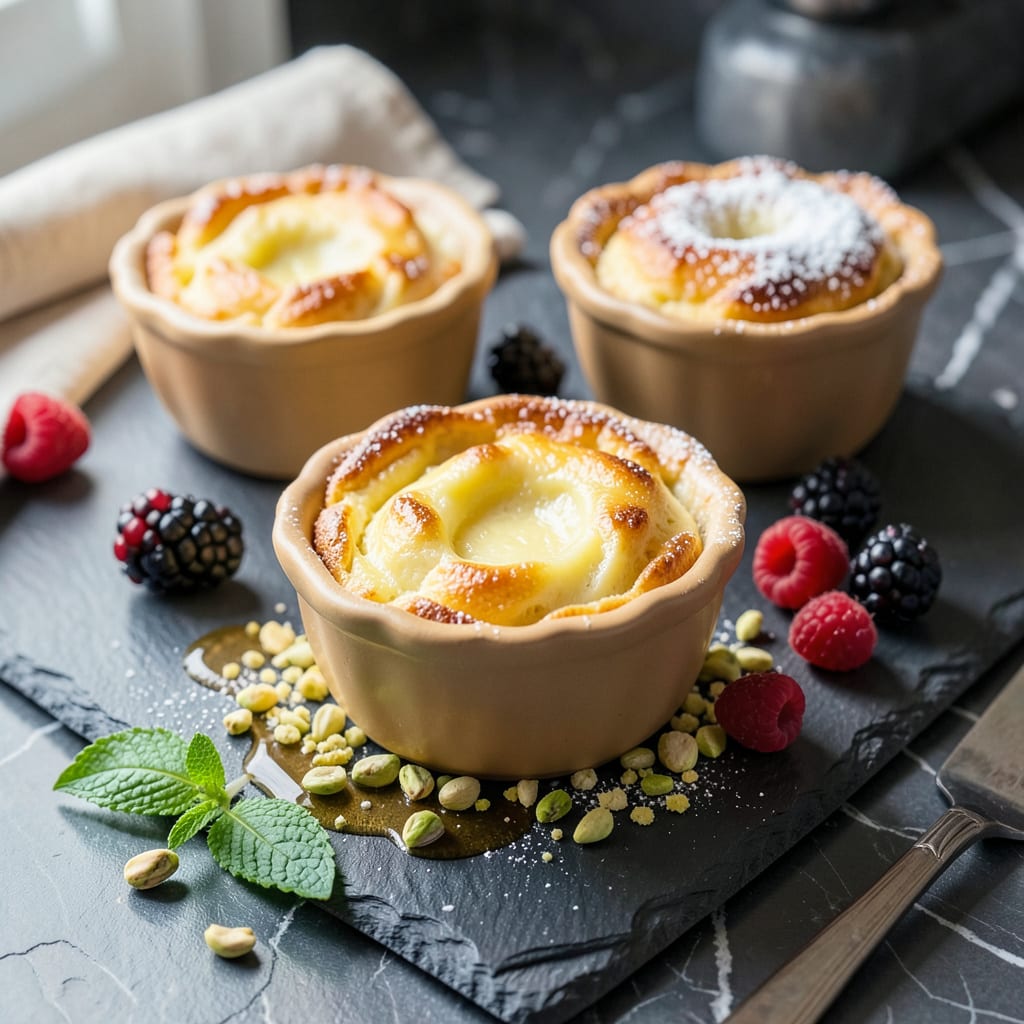
A classic ramekin recipe features a creamy, cheesy filling baked in small ceramic dishes until golden and bubbly. Perfect for appetizers, they’re versatile—try spinach-artichoke, crab dip, or loaded mac and cheese variations.
These individual-sized dishes aren’t just about presentation—they’re designed for precision. The ceramic material distributes heat evenly, ensuring your filling cooks through without scorching, while the compact size creates that coveted crispy top layer. 🔥 I love how ramekins transform ordinary ingredients into restaurant-worthy bites, whether you’re hosting a party or meal prepping snacks for the week.
What sets ramekin recipes apart is their adaptability. You can customize flavors based on dietary needs—swap dairy for plant-based cheese, add protein like shrimp or bacon, or keep it simple with roasted garlic and herbs. The possibilities are endless, and cleanup is a breeze since ramekins go straight from oven to table.
💡 In This Article
- Why Ramekin Dishes Work for Perfect Individual Servings
- Top 5 Crowd-Pleasing Ramekin Recipes for Any Occasion
Why Ramekin Dishes Work for Perfect Individual Servings
The magic of ramekins lies in their ceramic composition and compact size. Ceramic conducts heat gently and evenly, preventing hot spots that can burn delicate fillings. Unlike metal pans that react quickly to temperature changes, ceramic maintains steady heat—critical for custards or soufflés that need 325-375°F consistency.
The small diameter (typically 3-4 inches) ensures every bite has the perfect crust-to-creamy ratio. ✨
Heat retention is where ramekins outperform glass or silicone. Ceramic holds temperature 20% longer than glass after removal from the oven, keeping dips warm during serving. This property also creates that signature golden crust—Maillard reactions occur at 300°F+, and ceramic’s slow heat release sustains this browning without overcooking.
Compare this to muffin tins, where thin metal causes edges to dry out before centers set.
Size matters for texture too. The 4-6 oz capacity of standard ramekins means fillings cook through in 12-18 minutes at 375°F, while larger dishes would require lower temps and longer times (risking soggy crusts).
The surface-area-to-volume ratio is ideal for developing a crispy top while maintaining a molten center—think lava cakes or mac and cheese with that perfect pull. 🔥
Ceramic’s porosity also contributes to flavor. Unlike nonstick coatings that can impart chemical notes, unglazed ceramic develops a “seasoned” quality over time, subtly enhancing savory dishes. This is why professional kitchens prefer ramekins for baked eggs or crème brûlée—the material interacts with ingredients to deepen flavors without altering them.
For soufflés, the ramekin’s vertical sides provide structural support as egg proteins coagulate at 144-158°F. The straight walls guide upward expansion, while the small base prevents spreading. This geometry is why ramekin soufflés rise 30% higher than those baked in shallow dishes.
The same principle applies to bread puddings, where the confined space creates dense, custardy layers.
Even cleanup benefits from the material. Ceramic’s non-reactive surface won’t absorb odors or stains like plastic, and the glazed interior releases baked-on cheese with just warm water. This makes ramekins ideal for strongly flavored dishes (like garlic-herb dips) where you want to avoid flavor transfer between batches. 💫
Pro tip: Preheat empty ramekins for 5 minutes before adding filling. This jumpstarts the cooking process, creating an instant crust on the bottom layer while the center catches up—critical for dishes like pot pies where you want flaky pastry on both top and bottom.

- BBQ Sausage Recipe Oven: Smoky Depth Without the Grill - September 28, 2026
- BBQ Chicken Bowl Recipe Rice: Smoky Sweetness Over Fluffy Grains - September 28, 2026
- Beef Cutlet Recipe Ideas: Crispy Breaded Patties With Bold Seasonings - September 28, 2026