
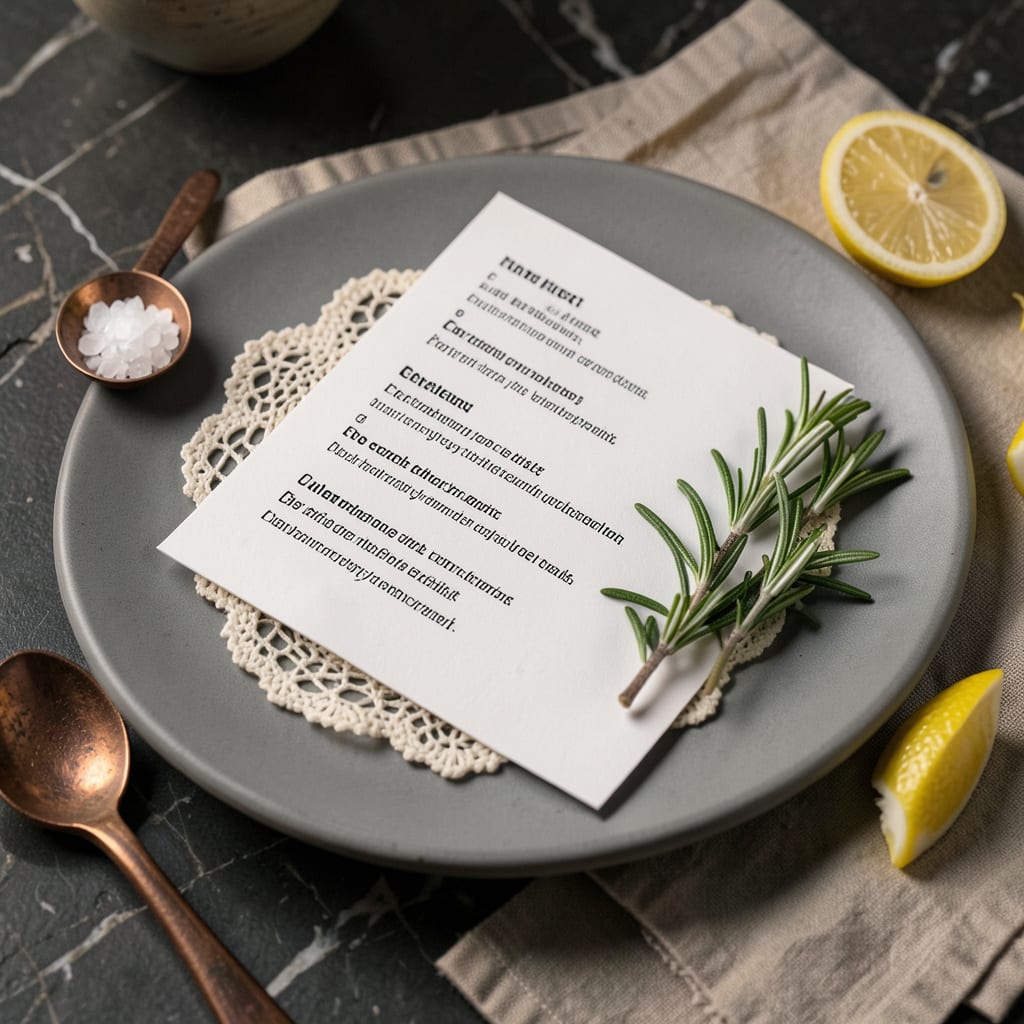
Standard recipe cards typically measure 4×6 inches, though 3×5 inches is common for compact storage. Printable templates often follow these dimensions, but custom sizes like 5×7 inches work for detailed recipes or decorative designs.
Choosing the right dimensions impacts both functionality and aesthetics in your kitchen. 🔥 The 4×6-inch format strikes a balance—large enough to include detailed instructions and ingredient lists without overwhelming your recipe box. Meanwhile, 3×5-inch cards are perfect for minimalists or those with limited storage space, often fitting neatly into standard index card holders.
For those who love elaborate recipes or want to add personal touches like photos or illustrations, 5×7-inch cards provide extra real estate. I’ve found that printable templates often include bleed margins and alignment guides, ensuring your final product looks polished whether you’re printing at home or using a professional service. ✨
💡 In This Article
- Why 4×6 Inches Became the Standard Recipe Card Size
- Printable Recipe Card Templates and Customization Tips
Why 4×6 Inches Became the Standard Recipe Card Size
The 4×6-inch format emerged as the gold standard in the mid-20th century when home cooks needed a practical way to organize family recipes. This size originated from commercial index card manufacturers who discovered it was the smallest dimension that could comfortably fit a full recipe—including ingredients, instructions, and notes—without requiring microscopic handwriting.
🔥 The 3×5-inch cards existed first, but cooks quickly realized they were too cramped for anything beyond simple recipes.
Kitchen organization trends in the 1950s-60s reinforced this sizing. Recipe boxes and card files were designed with 4×6-inch compartments because they balanced visibility with storage efficiency. A standard box could hold 100-150 cards without becoming unwieldy, while still allowing cooks to read the text at arm’s length.
The dimensions also aligned perfectly with typewriter carriage widths, making it easy to create professional-looking cards at home before digital printing existed.
From a practical standpoint, this size accommodates the average recipe’s needs remarkably well. A 4×6-inch card can typically hold 10-12 ingredients and 6-8 steps in readable 10-12pt font, with room for cooking times, temperatures, and serving sizes.
Smaller 3×5-inch cards force compromises—either tiny text or abbreviated instructions—while larger formats like 5×7 inches often leave excessive white space for standard recipes.
The psychology of kitchen workflow also plays a role. Studies on recipe usability show that cards between 24-36 square inches (the range from 3×5 to 4×6) are easiest to handle while cooking. They’re large enough to stay visible when propped against a spice jar but small enough to tuck into a cookbook or apron pocket.
This “Goldilocks zone” explains why most printable templates default to these dimensions—it’s what decades of real-world use have proven works best. ✨
Even digital recipe apps often mimic these physical dimensions in their display layouts. When you see a recipe formatted with ingredients on the left and instructions on the right, that’s a direct descendant of the 4×6-inch card layout.
The aspect ratio (1:1.5) creates natural columns that our brains process efficiently, reducing the cognitive load when following complex recipes.
For specialty uses, the size adapts beautifully. Bakers might use the back for frosting variations or decoration tips. Family cooks often reserve space for margin notes like “Doubled for Thanksgiving 2020” or “Uncle Joe’s favorite.” The dimensions even work well for metric conversions—there’s typically room to add grams alongside cups without crowding.
This versatility explains why the size has endured through generations of cooks. 💫

- BBQ Sausage Recipe Oven: Smoky Depth Without the Grill - September 28, 2026
- BBQ Chicken Bowl Recipe Rice: Smoky Sweetness Over Fluffy Grains - September 28, 2026
- Beef Cutlet Recipe Ideas: Crispy Breaded Patties With Bold Seasonings - September 28, 2026