
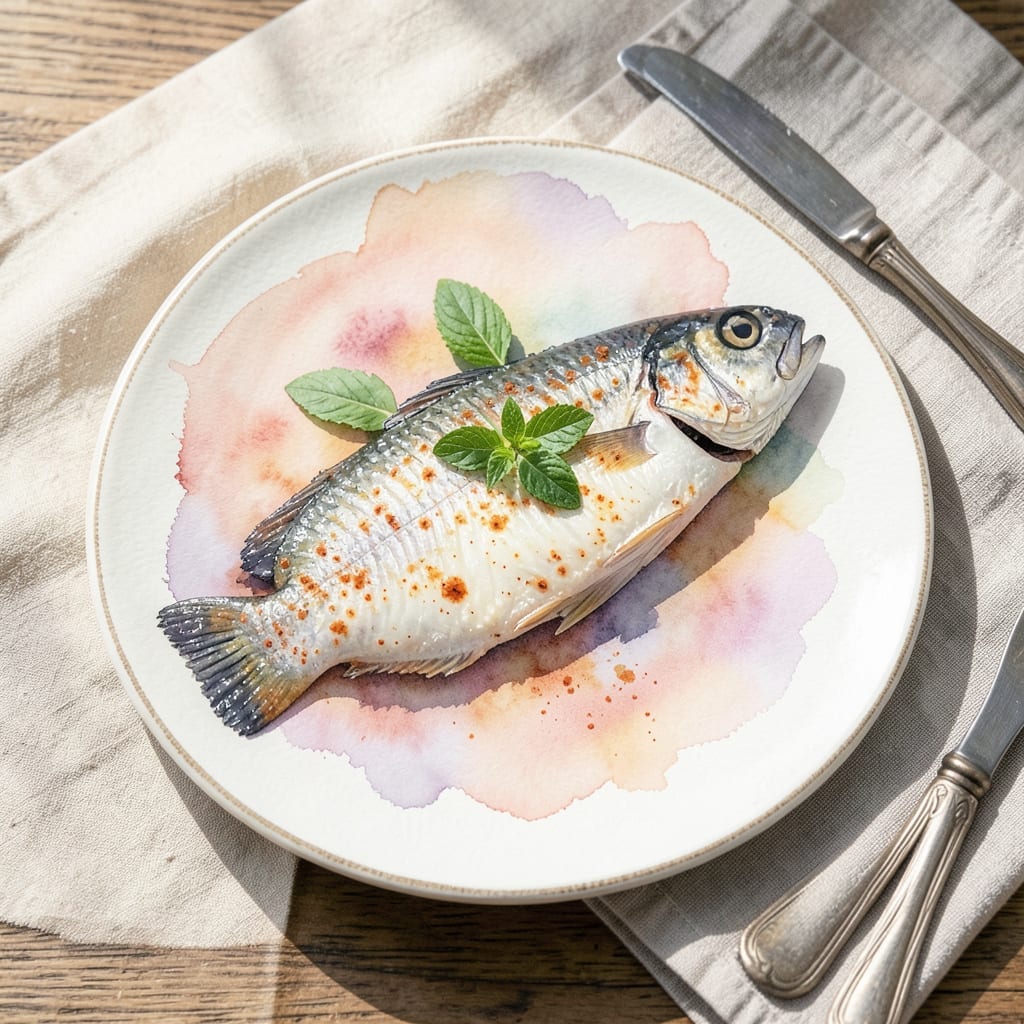
Pan-frying flounder delivers crispy skin and flaky white fish with minimal effort. I’ve tested this method in my small Boston kitchen to ensure foolproof results every time.
With just a hot skillet, fresh fillets, and a few simple ingredients, you’ll achieve restaurant-quality texture and flavor at home. The key is patience and proper heat control.
Ingredients for Recipe Flounder Pan Fried
Fresh fillets, a hot skillet, and a handful of pantry staples bring this dish to life.
| Ingredient | Amount | Notes |
|---|---|---|
| Flounder Fillets 🐟 | 1 ½ lb | Skin-on, fresh or thawed |
| All-Purpose Flour 🌾 | ½ cup | For dredging fillets |
| Kosher Salt 🧂 | 1 tsp | Diamond Crystal preferred |
| Freshly Ground Black Pepper 🌶️ | ½ tsp | Coarse grind ideal |
| Paprika 🌶️ | ½ tsp | Sweet or smoked variety |
| Garlic Powder 🧄 | ½ tsp | Not garlic salt |
| Unsalted Butter 🧈 | 4 tbsp | Divided for cooking |
| Extra-Virgin Olive Oil 🫒 | 2 tbsp | For high-heat searing |
| Fresh Lemon 🍋 | 1 whole | Cut into wedges for serving |
| Fresh Parsley 🌿 | ¼ cup | Chopped, for garnish |
| Lemon Juice 🍋 | 1 tbsp | Freshly squeezed preferred |
| Capers 🌿 | 1 tbsp | Drained, optional garnish |
The flounder fillets are non-negotiable—skin-on for that crispy texture. Source from a trusted fishmonger (I use Whole Foods or local Boston seafood markets) and ask for fillets about 1/2-inch thick for even cooking. Wild-caught is ideal, but farmed flounder works too. The butter matters here; Plugrá or Kerrygold unsalted give the best flavor without overpowering the fish.
No flounder? Sole or tilapia make solid substitutes—adjust cooking time slightly as they may be thicker. For a gluten-free version, cornstarch at half the amount replaces flour for dredging. Skip the garlic powder if using fresh minced garlic in the pan. The capers add briny brightness—substitute chopped olives if you’re in a pinch.
Cook fish immediately after purchasing or thawing. Leftover cooked flounder keeps 2-3 days in the fridge but is best served fresh. The compound butter (butter + lemon + herbs) can be made ahead and stored in the freezer for 1 month.
Why You’ll Love This Recipe
- One Pan Dinner: I love that this comes together in a single skillet—flour, season, pan-fry, and you’re done in 15 minutes.
- Crispy Perfection: That light paprika-spiced crust with tender flounder inside? Honestly, it’s the little things that make this taste so good.
- Weeknight Hero: Between us, this is my go-to for busy evenings when I need something quick but still impressive.
- Budget Friendly: Flounder fillets stretch far, and the pantry staples keep costs low. I’ll be real: it’s a solid way to feed the family without breaking the bank.
Step-by-Step Instructions for Pan Fried Flounder
Achieve restaurant-quality results with this foolproof method for perfectly crispy skin and tender flaky fish.
Step 1: Prepare and Season the Flounder Fillets
Pat the 1.5 lb Flounder Fillets completely dry with paper towels—this is critical for achieving crispy skin. Any moisture will cause the fillets to steam rather than sear properly.
In a shallow dish, combine the 0.5 cup All-Purpose Flour, 1 tsp Kosher Salt, 0.5 tsp Freshly Ground Black Pepper, 0.5 tsp Paprika, and 0.5 tsp Garlic Powder. Dredge each fillet in the flour mixture, pressing gently to ensure full coverage. Shake off any excess flour for an even, light coating.
Step 2: Sear the Flounder in High Heat
Heat 2 tbsp Extra-Virgin Olive Oil in a large nonstick or cast-iron skillet over medium-high heat until it shimmers but does not smoke. The oil is ready when it ripples across the pan’s surface.
Carefully place the dredged fillets skin-side down in the hot oil. Cook undisturbed for 3-4 minutes until the skin turns golden brown and crispy. Press down lightly with a spatula during the first minute to ensure full contact with the pan.
Step 3: Finish with Butter and Aromatics
Flip the fillets and add 2 tbsp Unsalted Butter to the skillet. As the butter melts, spoon it over the fillets repeatedly to baste them. Cook for another 2-3 minutes until the fish flakes easily with a fork and reaches an internal temperature of 145°F.
Transfer the fillets to a paper towel-lined plate to drain excess oil. The fish should release cleanly from the pan when fully cooked.
Step 4: Garnish and Serve Immediately
In the same skillet, melt the remaining 2 tbsp Unsalted Butter over low heat. Add the 1 tbsp Lemon Juice, 1 tbsp Capers, and 0.25 cup Fresh Parsley. Stir for 30 seconds until fragrant.
Spoon this butter-parsley mixture over the fillets. Serve with wedges from the 1 whole Fresh Lemon for squeezing at the table. The acidity brightens the dish and complements the crispy, flaky texture perfectly.
Pro Tips For Making Recipe Flounder Pan Fried
- Dry the Fillets: Pat the flounder fillets completely dry with paper towels before dredging—any moisture left will steam the fish instead of frying it. I learned this the hard way after making soggy flounder one too many times.
- Heat the Pan First: Get the pan screaming hot before adding the oil, then let the oil heat for another 30 seconds. Sounds weird, but it works: this prevents the fish from sticking and guarantees a golden crust.
- Skip the Overcrowding: Resist the urge to cook all the fillets at once—give each piece at least an inch of space in the pan. After burning three batches, I finally figured out that crowding drops the oil temp and turns your flounder into greasy sponges.
- Season the Flour: Mix the kosher salt, black pepper, and paprika directly into the flour before dredging. My grandmother swore by this, and she was right: it ensures every bite has even seasoning without clumping.
Pro Cooking Tips for This Dish
Perfect Pan Temperature
Your skillet must be screaming hot before the fillets hit it—heat the 2 tbsp Extra-Virgin Olive Oil over medium-high heat until it shimmers and ripples. I test by flicking a drop of water: if it sizzles and evaporates instantly, you’re ready. This prevents sticking and ensures that golden, crispy skin. 🌡️
Dry Fillets Are Key
Pat the 1.5 lb Flounder Fillets bone-dry with paper towels. Any moisture left on the surface will steam the fish instead of searing it. I learned this the hard way after a soggy batch in my early testing days. Press firmly but gently to remove all dampness.
Dredging Technique
Use a light hand with the 0.5 cup All-Purpose Flour mixture. Press the fillets into the flour just enough to coat, then shake off the excess. A thick layer will burn before the fish cooks through. I use a shallow dish for easy dredging and less mess in my small kitchen.
Don’t Overcrowd the Pan
Cook the fillets in batches if needed—overcrowding lowers the oil temperature and causes steaming. Leave at least 1 inch between each fillet. This ensures even cooking and that perfect crispy edge. My Boston kitchen taught me the value of patience with limited pan space.
Basting for Flavor
When you flip the fillets, add 2 tbsp Unsalted Butter and spoon it continuously over the fish as it melts. This basting technique adds richness and helps cook the top side gently. I prefer Plugrá butter for its clean, creamy taste. 🧈
Rest Briefly Before Serving
Let the cooked fillets rest for 1-2 minutes on a paper towel-lined plate. This allows the juices to redistribute slightly. Serve immediately while the skin is still crisp. The lemon and caper butter mixture ties everything together beautifully.
Nutrition Facts
Frequently Asked Questions
What’s the best oil for pan-frying?
Use extra-virgin olive oil for its high smoke point and rich flavor. Combine with 2 tbsp unsalted butter for basting to add richness without burning.
How do I know when it’s done?
The fish is ready when it flakes easily with a fork and reaches 145°F internally. The skin should be golden brown and crispy after 3-4 minutes per side.
Can I use frozen fillets?
Yes, but thaw completely in the fridge overnight. Pat very dry before cooking to prevent steaming. Never cook from frozen.
Why did my fish stick to the pan?
This usually means the pan wasn’t hot enough or the fillets had moisture on them. Use medium-high heat and ensure the oil shimmers before adding fish.

- BBQ Sausage Recipe Oven: Smoky Depth Without the Grill - September 28, 2026
- BBQ Chicken Bowl Recipe Rice: Smoky Sweetness Over Fluffy Grains - September 28, 2026
- Beef Cutlet Recipe Ideas: Crispy Breaded Patties With Bold Seasonings - September 28, 2026